
Why Reacting to Problems Wears You Out
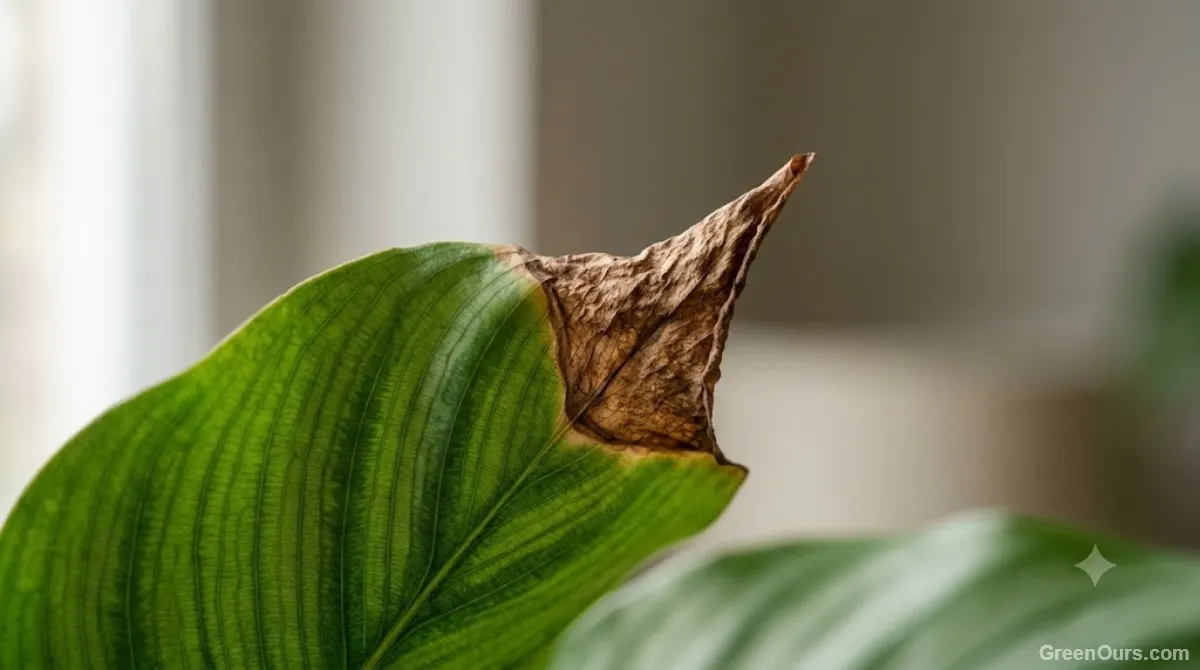
If keeping houseplants alive feels like one long string of small emergencies, you're not imagining it. Reactive care means you only pay attention when a plant is actively crying for help: a bright yellow leaf, soil pulling away from the pot, a sudden droop across your dining table. By then you're in full troubleshooting mode instead of basic maintenance, which takes longer and feels more stressful.
A routine flips that order. You check in regularly enough that small changes get caught while they're still easy to fix. You're not doing more work overall, just spreading a little calm attention across every week instead of scrambling once a month.
The goal isn't a perfect routine you follow forever. It's one simple enough that missing a week doesn't undo anything.
The Routine at a Glance
Here's the whole system on one page, so you can see how small it really is.
| When | Time | What to check |
|---|---|---|
| Weekly | About 10 minutes | Soil moisture, leaf undersides and pests, dead or dusty leaves, leaning toward the light |
| Monthly | About 15 extra minutes | Pot weight and drainage holes, white mineral buildup, seasonal light changes |
Your 10-Minute Weekly Routine
Pick a day that already has a comfortable rhythm, like Sunday morning coffee or the moment before you water your kitchen herbs. The day matters less than doing it consistently. Walk past each plant and run through three quick checks.
Check the Soil, Not the Calendar
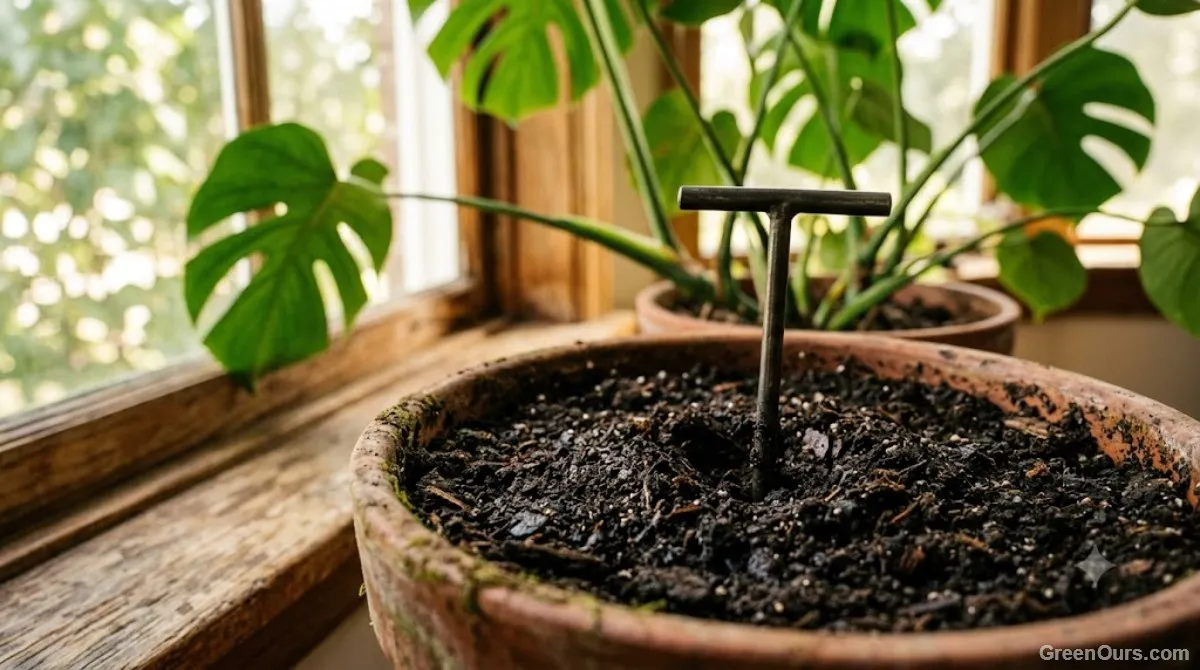
Your weekly check isn't a watering appointment. It's a chance to see whether a plant actually needs water. Press a finger about an inch or two (2.5 to 5 cm) into the soil, or use a wooden skewer for deeper pots. If it feels dry, water thoroughly. If it's still cool and damp, leave it and check again next round.
How dry is right depends on the plant, since succulents and ZZ plants like it drier than ferns do. That one habit guards against the two most common mistakes: watering on a fixed schedule and forgetting because life got busy.
Look Over the Leaves
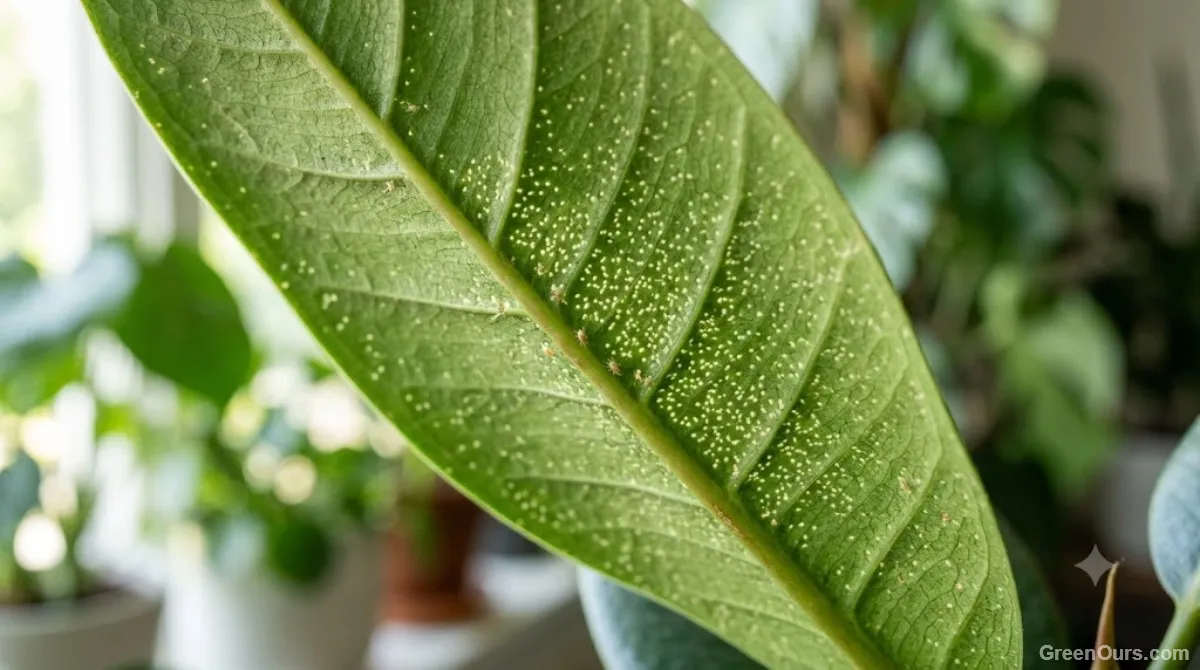
Gently turn a couple of leaves over. Pests such as spider mites, thrips, and scale often hide on the undersides, and soft spots near the base of a stem can point to root moisture problems. You're not hunting for disaster, just giving yourself the chance to spot a small issue before it spreads. While you're there, pinch off any leaf that's clearly dead, and give visibly dusty broad leaves a gentle wipe, but only the ones that need it.
Check the Light and Any Leaning
Plants grow toward their light source, so one that's leaning toward the window may need a small quarter turn. Give it one when you see a lean, but check first if the plant is flowering or newly repotted.
What You'll Need (and What You Can Skip)
You don't need a cart of specialized supplies. A watering can with a thin spout, a soft cloth or an old cotton t-shirt scrap, and a clean pair of scissors or bypass shears for removing dead leaves cover nearly everything. A moisture meter can help if you look after dozens of large pots, but for many common houseplants a simple finger or skewer check is enough.
The secret to keeping the habit alive is proximity. Store your basic tools together near your plants. Routines break down fastest when the watering can and shears live in a garage or a far-off laundry room, because getting them means an extra trip you'll skip.
Your 15-Minute Monthly Check
Once a month, add a slightly longer inspection to your weekly walkthrough. It catches slower-moving problems that a quick weekly glance can miss.
Feel the Weight of the Pot
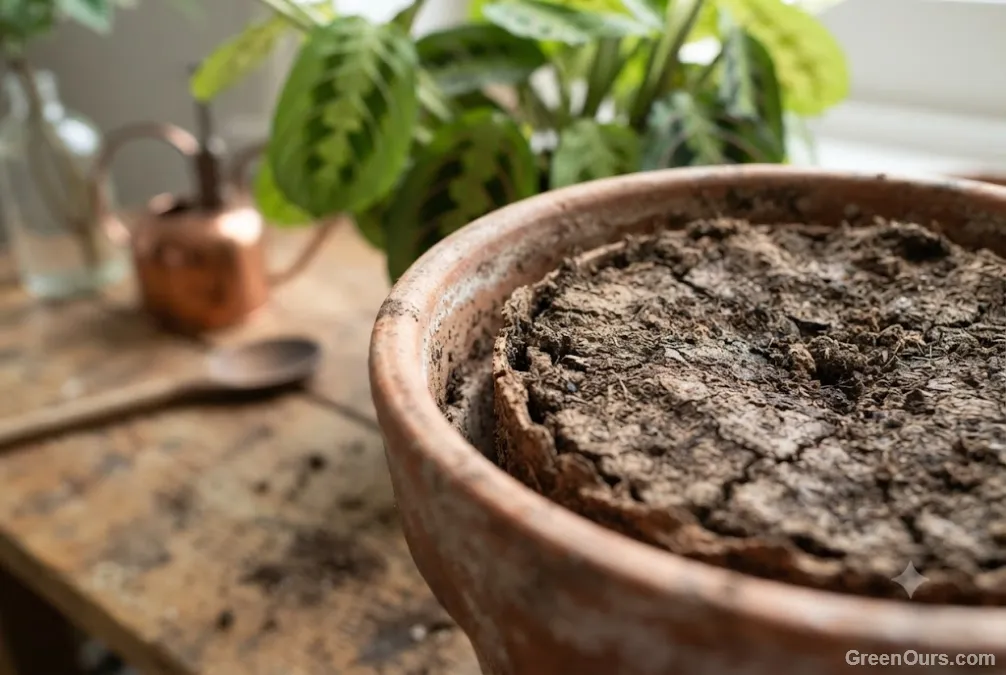
Lift each container slightly. A pot that feels feather-light even after watering may hold soil that has dried out and started repelling water, which can happen with peat-based mixes. One that stays heavy for weeks may be staying too wet. Glance at the drainage holes too: roots coiling out of the base can mean it's time to plan a repot, ideally while the plant is actively growing.
Look for White Mineral Buildup
A crusty white layer on the soil or along the rim of a terracotta pot points to mineral and fertilizer salt buildup. It isn't an emergency, but it can stress roots over time. Scrape off the top crust with a spoon, or flush the pot with room-temperature water until it drains freely.
Reassess Seasonal Light
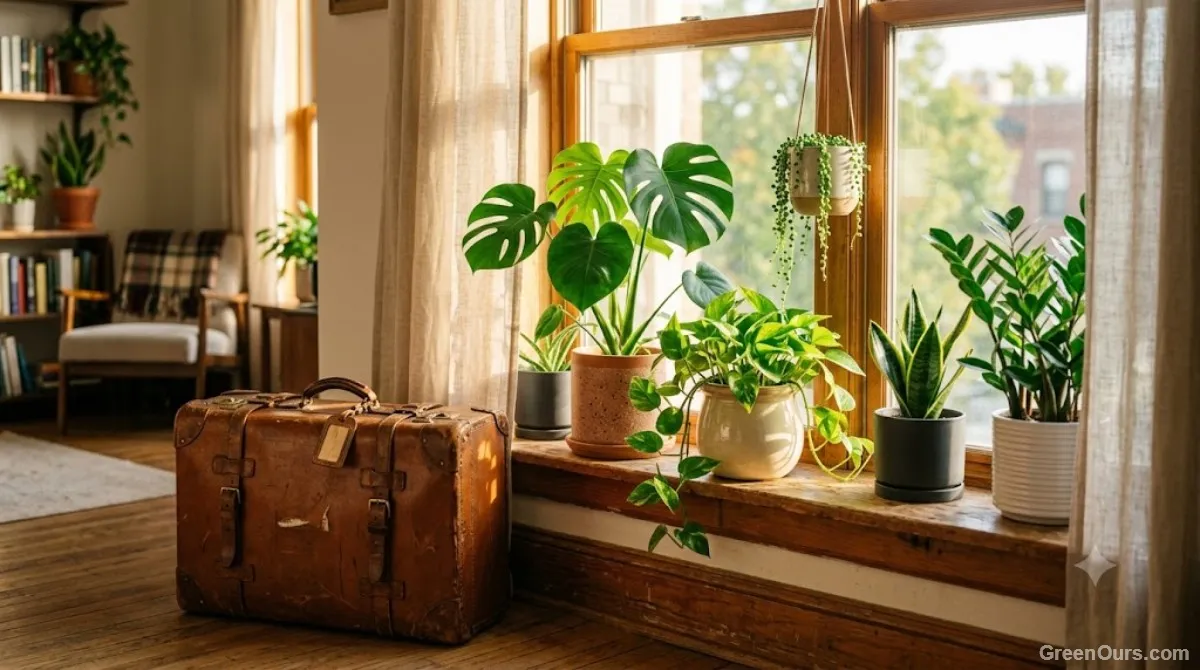
Light shifts with the seasons even if your furniture doesn't. A windowsill that was perfect in winter may scorch leaves under strong midsummer sun, and a shelf that was ideal in July may leave plants starved for light by November. If foliage looks pale, leggy, or dull, adjust the placement to match the season.
Making the Habit Stick Long Term
The routines that last are the ones that anchor to something you already do. Pair your weekly walkthrough with an existing ritual, like Sunday morning tea or opening the living room blinds, and tie the monthly check to the first weekend of the month.
After three or four weeks, something pleasant happens: plant care stops feeling like another demanding item on your list and becomes a calm, grounding ritual. You're simply noticing and enjoying your plants.
Where to Start
Give this routine an honest trial for one month, starting this weekend with the ten-minute walkthrough. You may find that the plants you used to fret over most are the ones that start needing the least effort, not because you're working harder, but because you're addressing small needs long before they turn into big ones.
Want plants that fit your routine as well as your windows?
See how to match plants to your week