
Why Dust Is a Bigger Deal Than It Looks
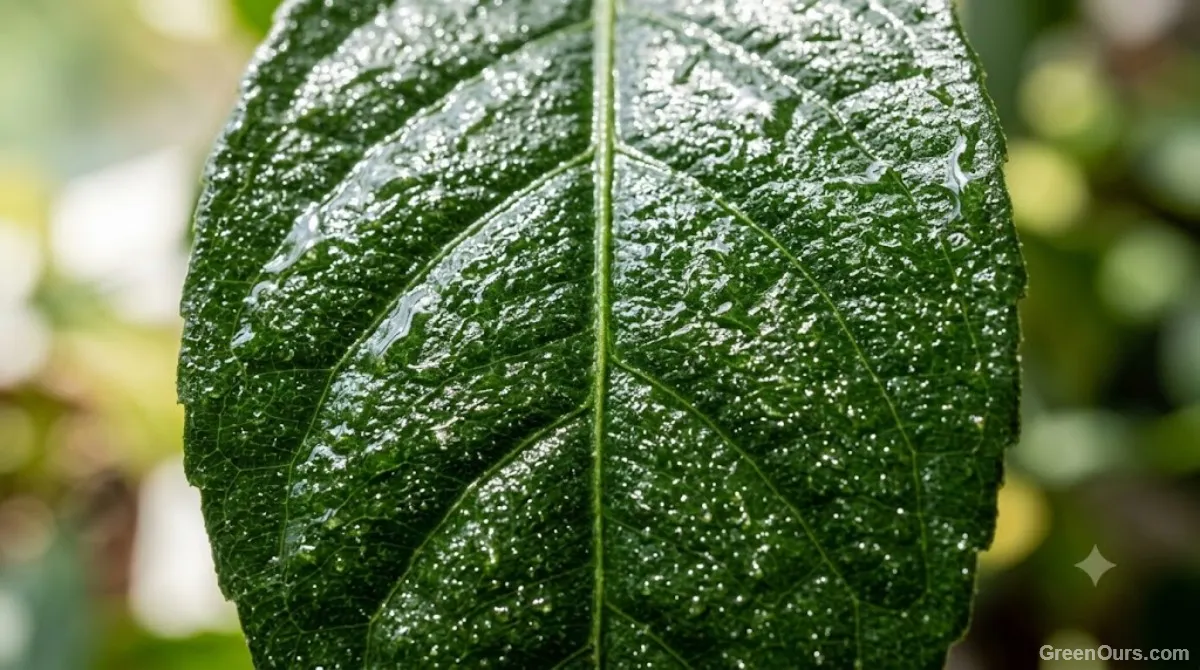
Every leaf works a bit like a solar panel and an air vent rolled into one. Light hits the surface and gets converted into energy, while tiny pores called stomata, often clustered on the underside, let the plant exchange gases and release moisture. A thick layer of dust can reduce the light reaching the leaf, and heavy buildup may interfere with normal gas exchange.
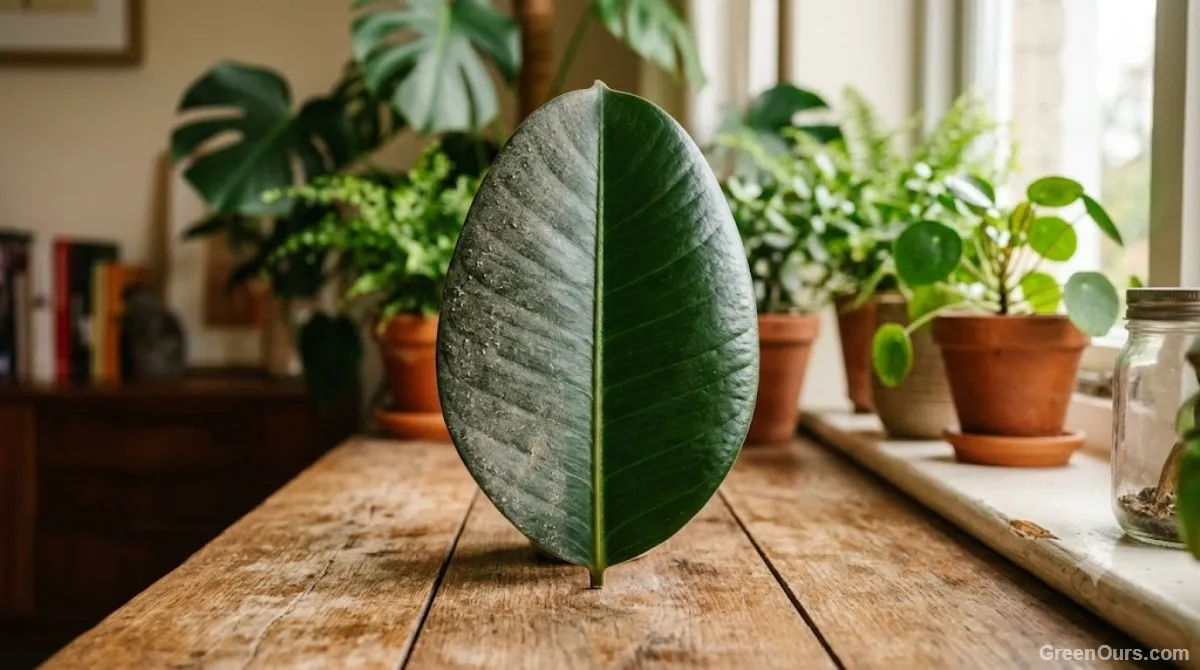
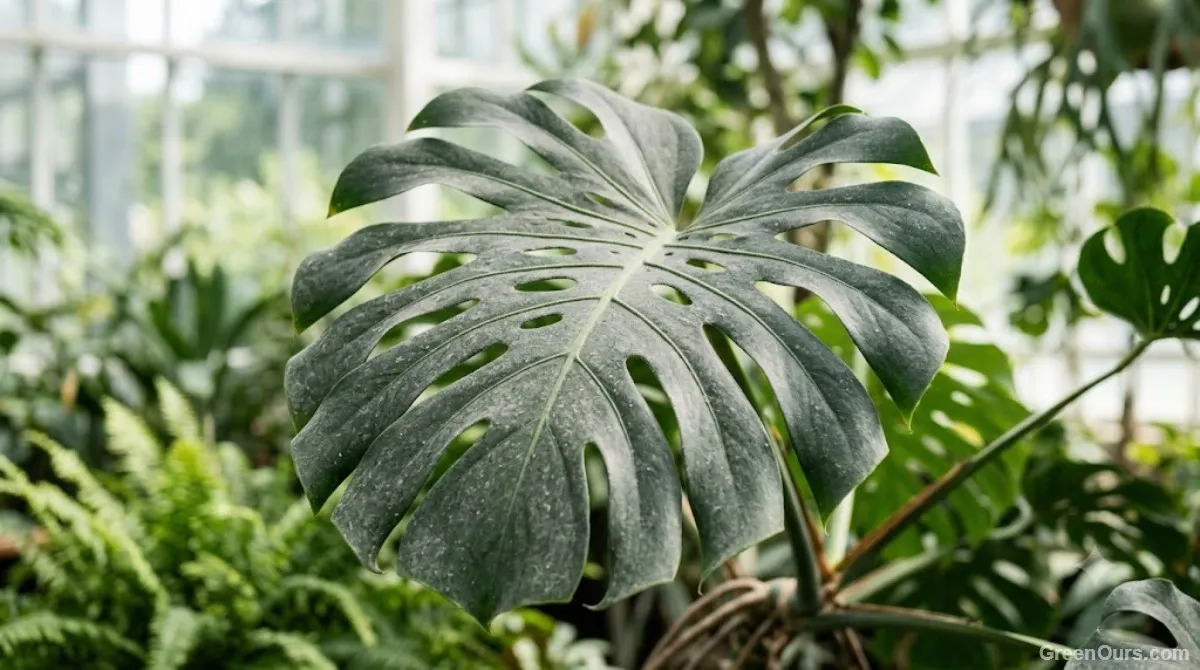
You'll notice it most on plants with big, flat leaves, like a rubber plant or a monstera, where dust collects fast and shows up as a dull gray sheen instead of a deep, healthy green. A dusty plant usually isn't in danger, but it may be working harder than it needs to, and heavy buildup over many months may hold back growth, especially in dim rooms.
There's a second reason clean leaves matter, and it's one beginners rarely hear about: dust can hide early pest problems. Spider mites are tiny enough to blend into a dusty leaf, and by the time you see fine webbing they've often been there a while. Wiping your plant down regularly gets you close to every leaf, so you can catch trouble before it spreads.
Know Your Leaf Type Before You Reach for a Cloth
Not every leaf wants the same treatment, and this is where a lot of well-meaning plant owners go wrong. Using the same damp cloth on a glossy pothos and a fuzzy African violet is a bit like using one brush on silk and wool.
Glossy, Sturdy Leaves
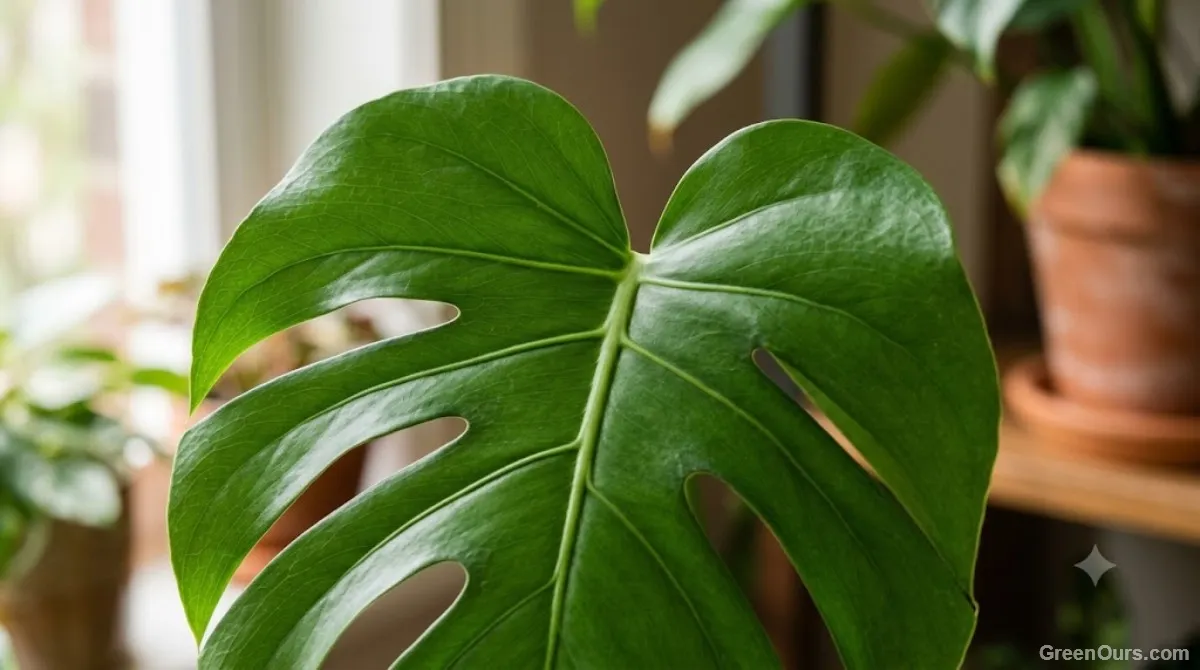
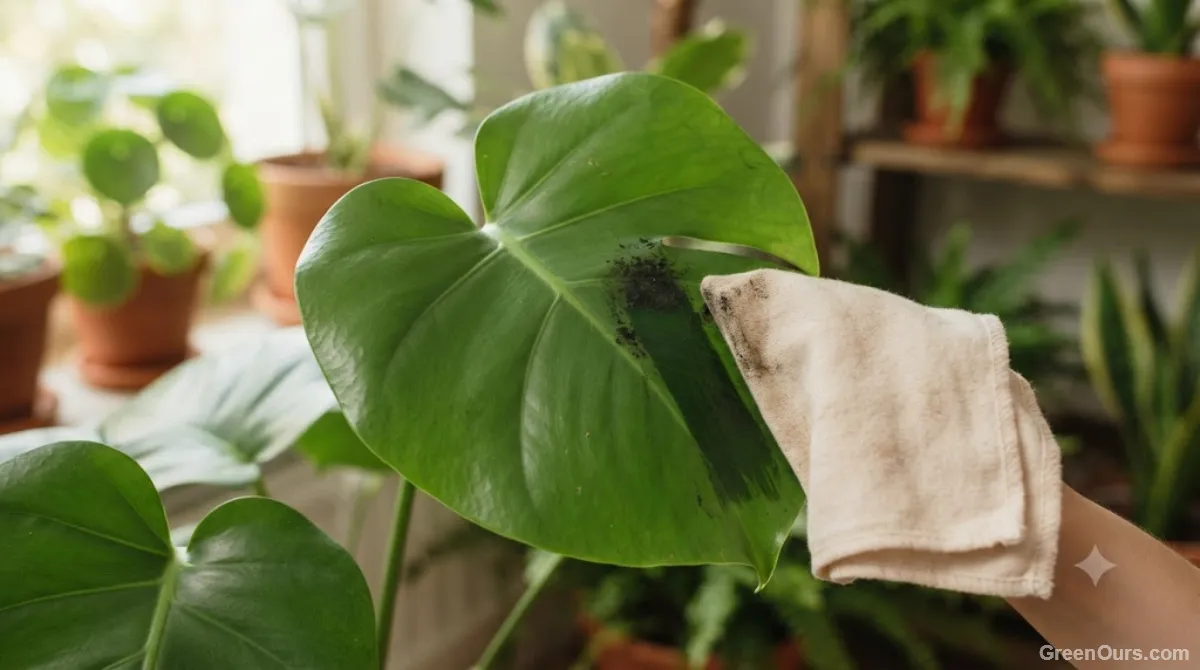
Plants like pothos, monstera, rubber plants, and fiddle leaf figs have thick, waxy leaves that can usually handle gentle contact. A soft, damp microfiber cloth wiped gently from the base of the leaf toward the tip removes dust easily and brings back the natural shine, without needing a commercial leaf-shine product.
Fuzzy or Hairy Leaves
African violets, some begonias, and other fuzzy-leafed plants trap dust and water in their tiny hairs, and a wet cloth can smear both around. A soft, dry makeup brush or clean paintbrush usually works better, brushing dust away without flattening the fuzz or leaving moisture that can lead to spotting.
Thin, Delicate, or Feathery Leaves
Ferns, calatheas, and other plants with thin or intricate foliage bruise easily under pressure. Instead of wiping, give these a gentle rinse in the sink with lukewarm water, or set them in the shower on a low-pressure setting for a minute. Let them air dry out of direct sun.
Succulent and Waxy Leaves
Succulents and cacti are often coated in a fine, powdery bloom, and wiping can rub it off and leave marks that won't grow back on that leaf. A soft, dry brush or a gentle puff of air from a small bulb blower is the safer choice.
If you're not sure which category a plant falls into, test one leaf first and wait a day. A leaf that browns, spots, or curls is telling you to switch methods before you touch the rest.
A Simple Cleaning Routine
Once you've matched the method to the leaf, the routine is much the same for every plant:
- Use lukewarm or room-temperature water, which is the gentler choice, especially for plants that are already under strain.
- For glossy leaves, dampen the cloth rather than soaking it, and support the leaf from underneath with your other hand so you're not pulling on the stem.
- Work from the base of the leaf toward the tip, following the way it grows.
- Flip each leaf over and clean the underside, where stomata are often concentrated.
- For a full rinse, let the water drain through the soil instead of pooling in the saucer, and let the plant dry somewhere with good airflow, out of direct sun.
How Often to Clean Your Plant's Leaves
A common baseline is once every two to four weeks for most houseplants, though it depends on where they live. A plant near an open window, or beside a hallway with foot traffic, will collect dust faster than one tucked in a quiet corner.
You don't need a strict schedule for this. Fold it into a routine you already have, like watering day. If you're wiping leaves and checking soil moisture at the same time, it stops feeling like a separate chore.
Common Mistakes That Do More Harm Than Good
A few habits show up again and again, even among gardeners who mean well:
- Reaching for leaf-shine spray. It can leave a film that traps dust, and the artificial sheen isn't doing your plant any favors. Plain water usually does the job.
- Wiping too hard. Leaves are living tissue, not countertops. If you're leaving marks or bending the leaf, use less pressure.
- Cleaning in direct sunlight. Water left on leaves in strong sun may contribute to scorch marks on some plants, so it's simplest to clean in the morning or out of direct light, and let the leaves dry fully before moving the plant back.
- Skipping the undersides. It's an easy step to forget, and it's a helpful one for spotting pests early.
- Using milk, mayonnaise, or other kitchen "hacks." They circulate a lot online, but they can leave residue that attracts dust and may encourage mold, which undoes the whole point of cleaning.
Where to Start
If you only do one thing this week, pick one plant, work out its leaf type, and clean a single leaf. Check the underside while you're there.
On a plant that hasn't been cleaned in a while, the change is easy to see: a dull, grayish leaf looks greener and more even once the dust is off.
Ready to give it a go? A soft cloth and a few minutes this weekend is all it takes.