
Why Plants Lean in the First Place
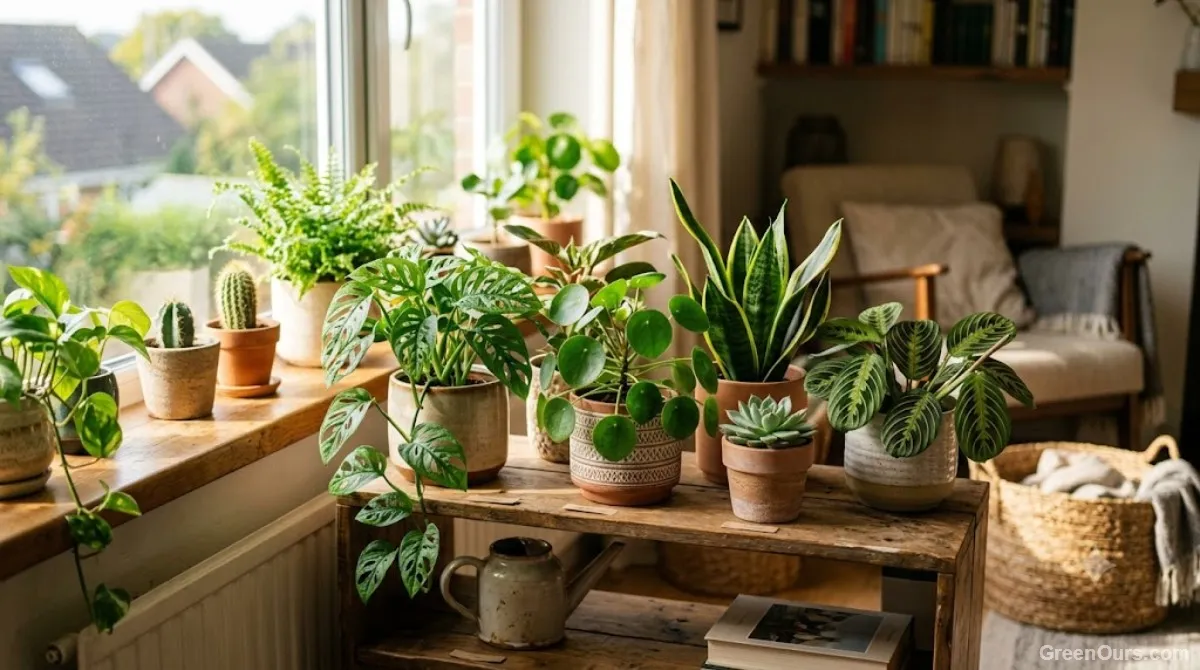
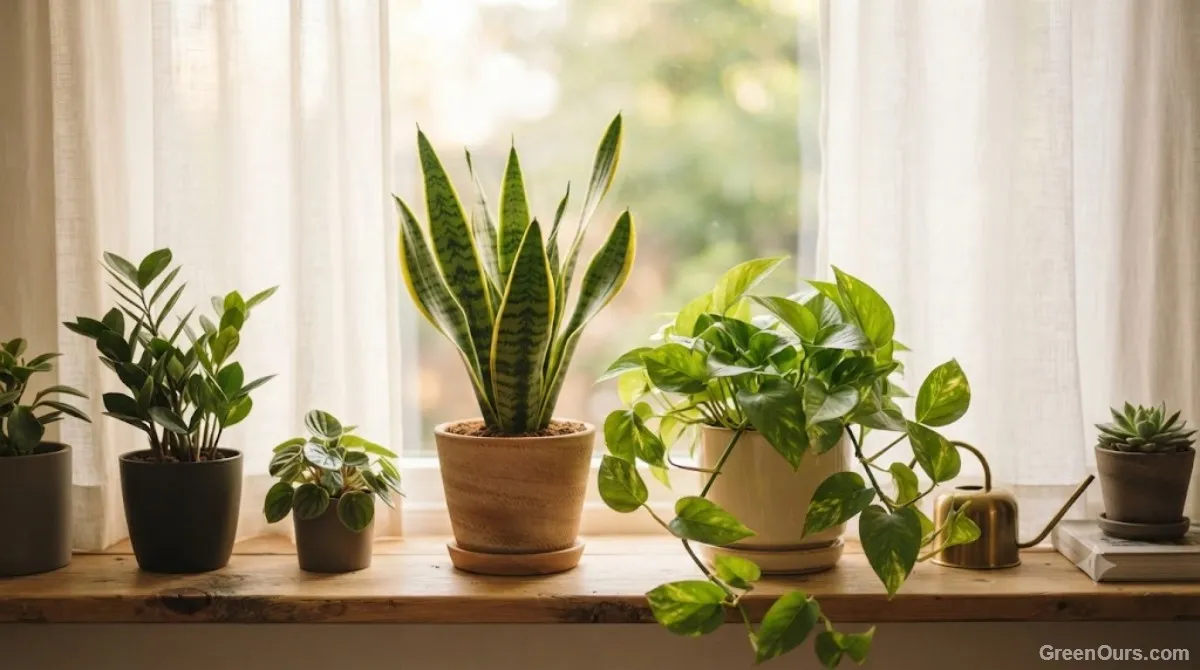
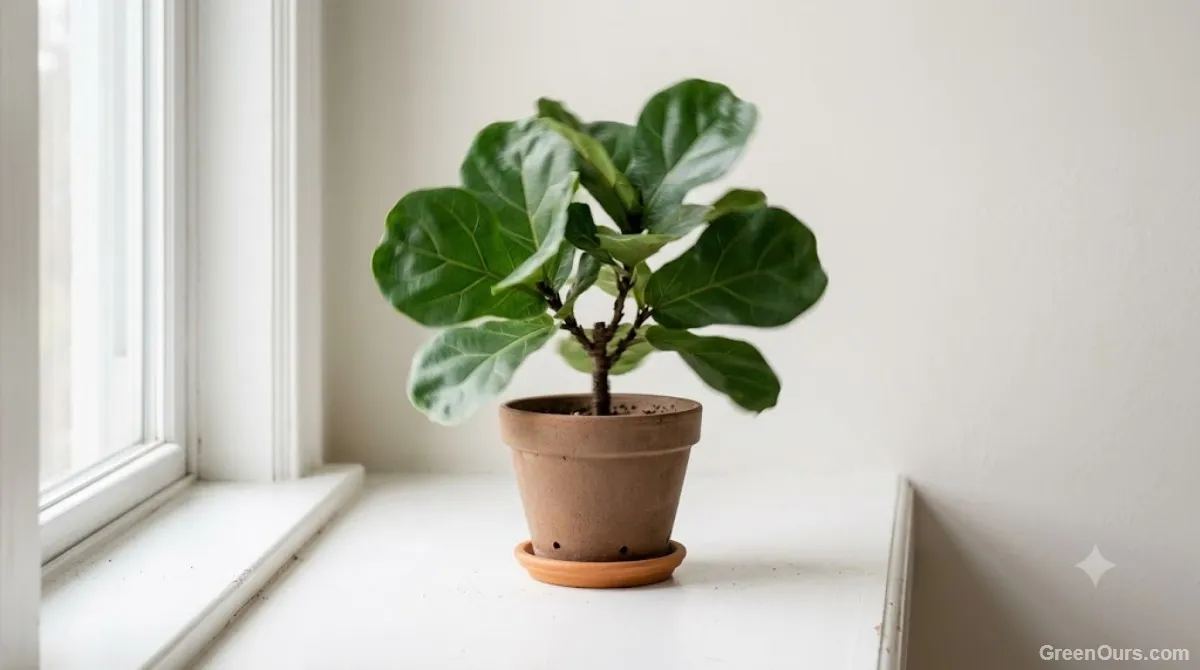
Plants grow toward their light source through a process called phototropism. The stems and leaves on the sunlit side receive more energy, so that side grows fuller and faster. Meanwhile, the shaded side lags behind, sending out weaker, sparser growth. Over weeks, that imbalance shows up as a plant that looks like it's reaching for the window instead of standing upright.
This isn't a flaw in how you're caring for the plant. It's just biology responding to an uneven environment. Most of us don't have a room lit equally from every direction, so most houseplants develop some lean over time unless something interrupts the pattern.
The Plants That Actually Benefit From a Turn
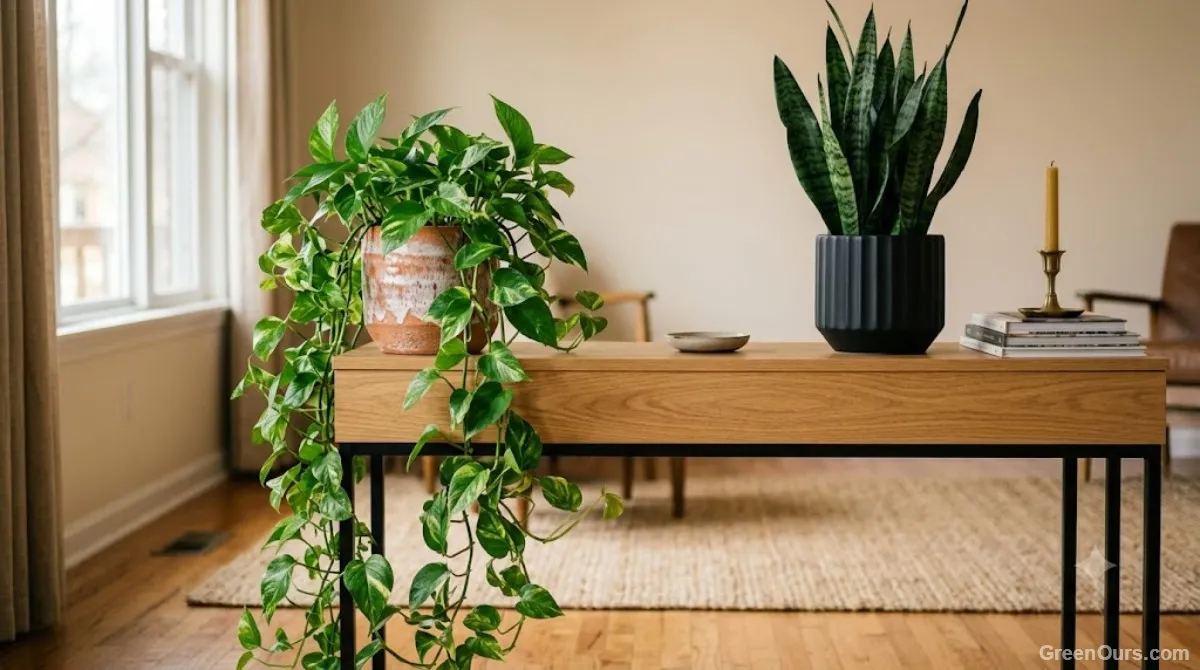
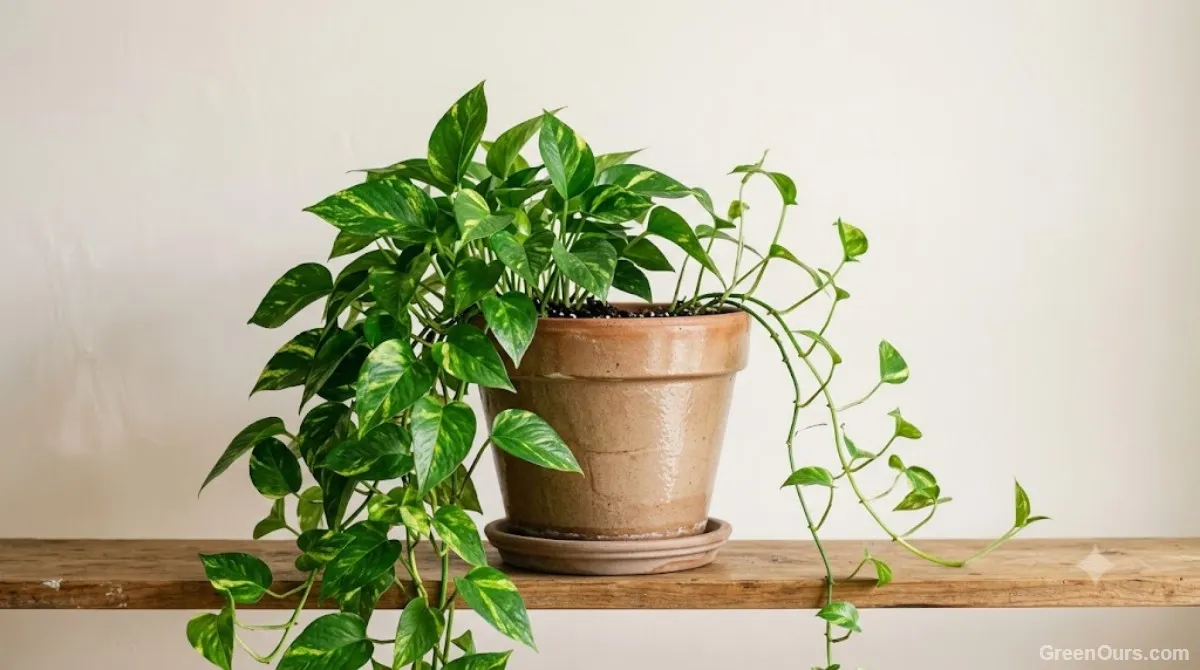
Not every houseplant reaches for light with the same urgency. Vining and trailing plants — pothos, philodendron, and heartleaf types — tend to show the most obvious lean because their new growth is long and visible. Succulents on a bright windowsill are another common case; without rotation, they'll often grow flat and stretched toward one side instead of staying compact and rounded.
Flowering plants such as African violets may also benefit from more even light, particularly when one side consistently receives more light than the other, which helps blooms develop more evenly across the plant rather than clustering on one face.
How Often (And How) to Rotate
Reading the Light, Not the Calendar
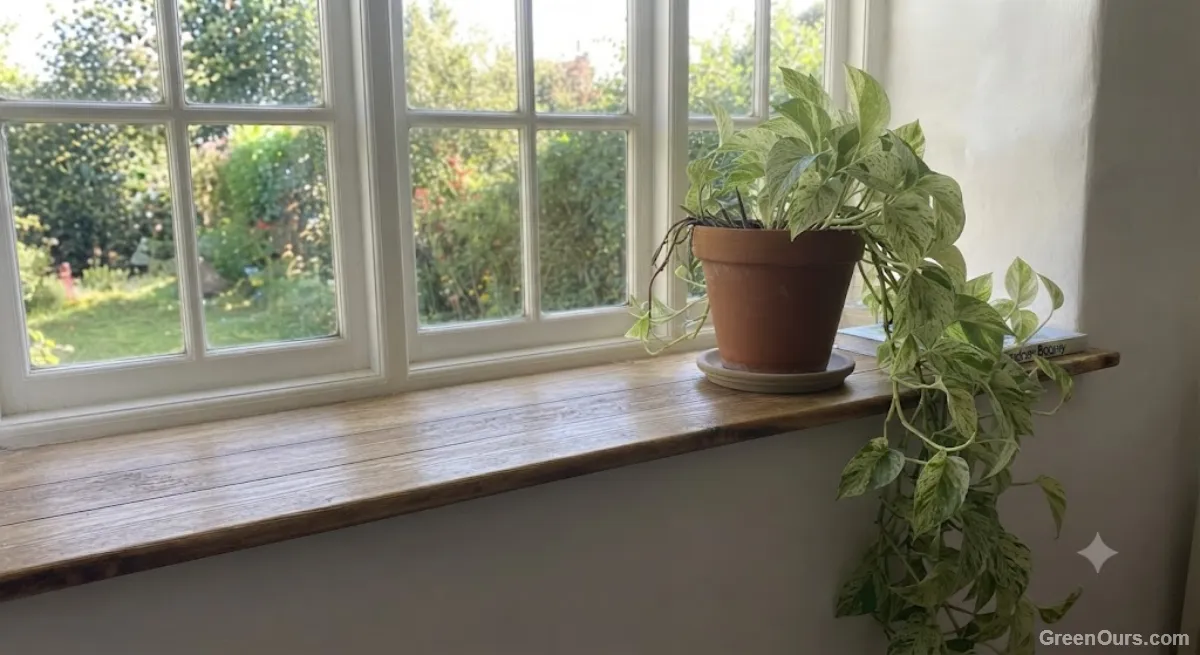
Instead of memorizing a fixed schedule, watch the plant itself. If you notice new leaves consistently pointing one way, or the pot has started to look one-sided when viewed from above, that's your cue. If you're wondering should you rotate indoor plants on a schedule, for most houseplants near a single window, a turn every one to two weeks keeps growth balanced without overcorrecting.
The Quarter-Turn Method
You don't need to spin the pot dramatically. A quarter turn — about 90 degrees — is enough to give the shaded side its turn facing the light before you rotate again next time. A quarter turn is usually enough: large changes in orientation can suddenly expose previously shaded foliage to stronger light, so smaller adjustments are gentler.
When Rotating Does More Harm Than Good
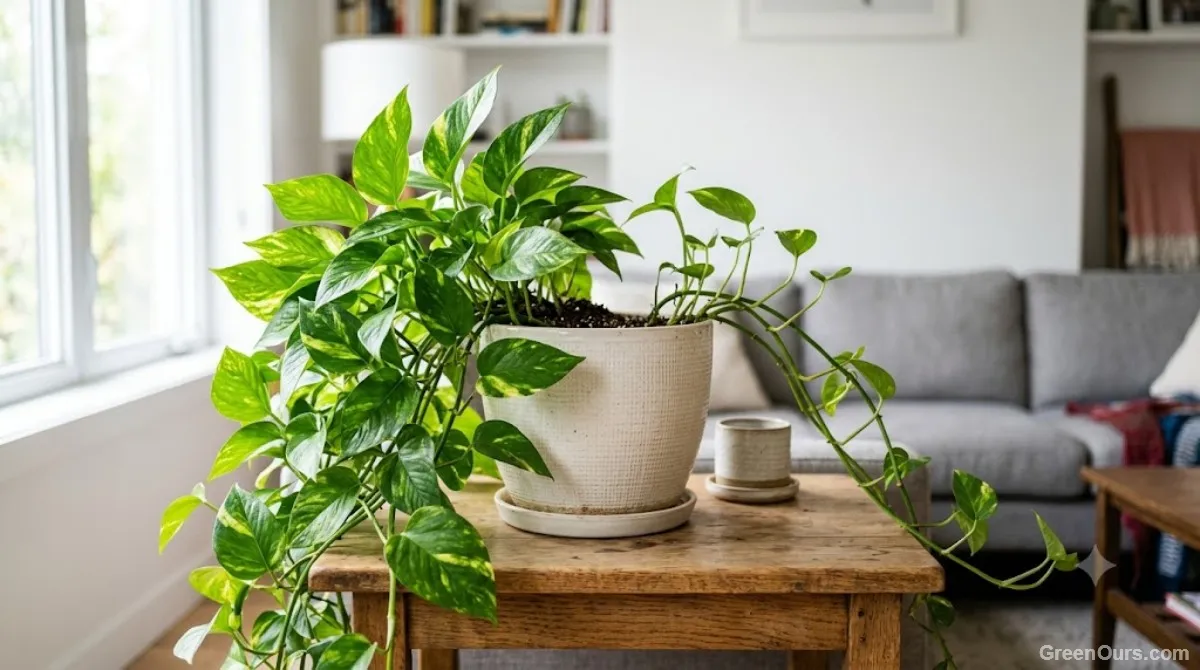
There are a few situations where rotation isn't the helpful habit it usually is. Newly repotted plants need time to settle before you introduce another change, so hold off on rotating for the first few weeks after a repot. The same goes for plants that are actively budding or flowering — orchids especially can drop buds if they're moved or turned too much while forming them.
If a plant is growing under a grow light that surrounds it evenly, or you've trained a vine onto a trellis in a specific direction, rotating can undo work you've already put in. In those cases, the plant's position is doing exactly what you want, and turning it just adds unnecessary disruption.
Want more simple habits that keep your houseplants thriving?
Once you start paying attention to which way your plants are leaning, rotating stops feeling like a chore and starts feeling like a quick check-in — the kind you're already doing every time you water or dust the leaves. Some plants will ask for it more than others, and that's fine. The goal was never a perfect schedule. It's a plant that looks like it's growing on its own terms, not just toward the nearest window.