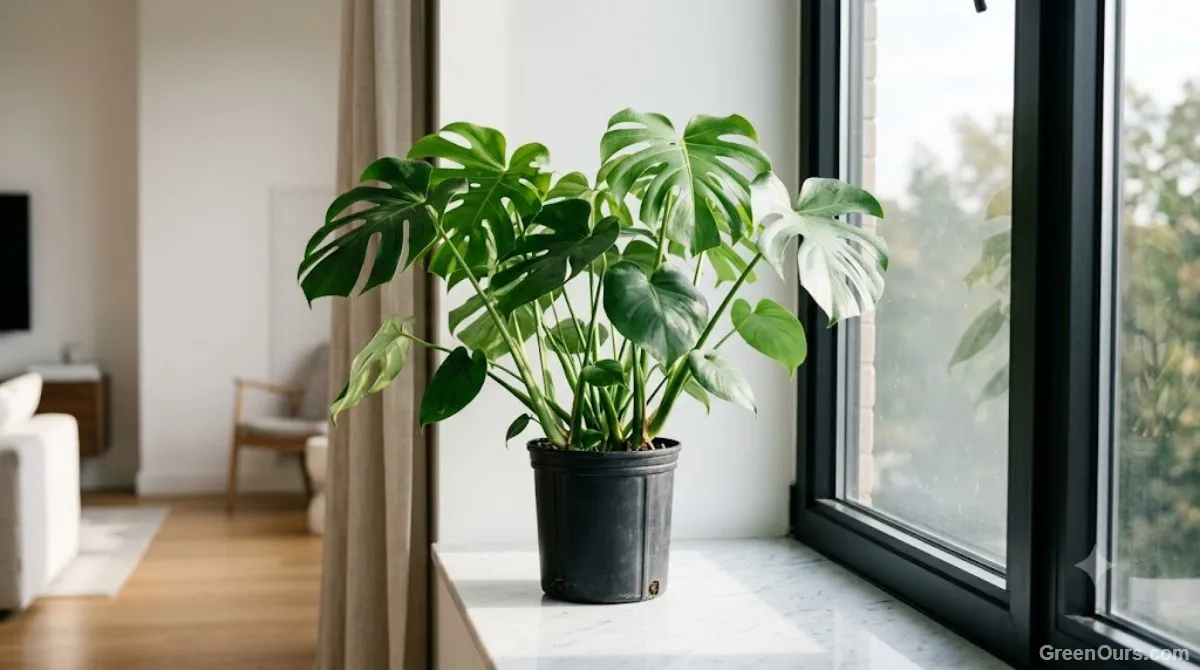

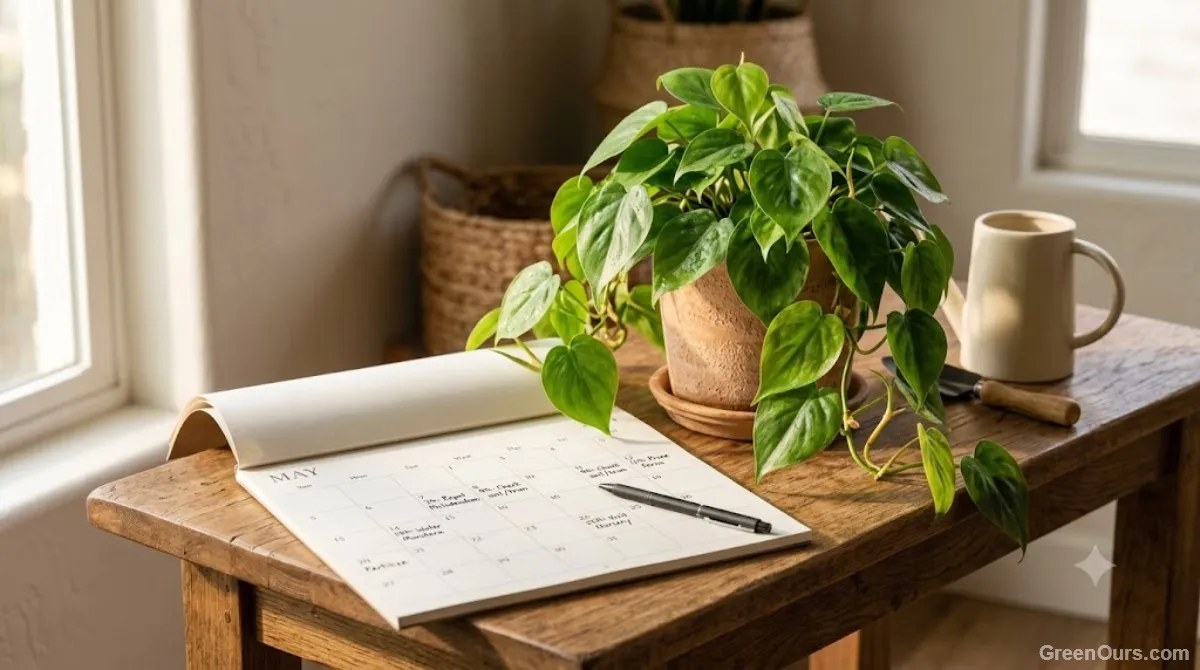
Start With Your Calendar, Not Your Windowsill
Before you look at a single plant, look at your week. Are you gone from 8am to 7pm most days? Do you work from home three days and travel for two? Is your schedule the same every week, or does it shift depending on projects, shifts, or seasons? These questions matter more than whether your living room faces north or south, because a plant that needs checking on every other day simply won't survive a routine that doesn't include "check on the plant" as a regular stop.
Think of it less like matching a plant to a room and more like matching a plant to a relationship. Some plants want to be checked in on daily, like a pet. Others are content being greeted once a week, like a houseguest who's genuinely easy to have around. Neither is better. You just need to be honest about which one you'll actually show up for.
Once you match your plants to your actual availability, everything gets easier. Most plant struggles aren't really about a black thumb — they're about picking something that needed more from you than your week could give. If your hours are long or your schedule shifts constantly, lean toward the plants that don't mind being left alone: the slow growers, the ones that store their own water and shrug off a missed week. You'll skip the classic mistake of falling for a gorgeous fern when your actual free time is basically zero.
If you can't picture yourself doing a specific care task on a specific day of the week, that's a sign the plant doesn't fit your routine, no matter how much you like the way it looks.
Match Your Travel Habits to the Right Plant
If You're Rarely Home for More Than a Week
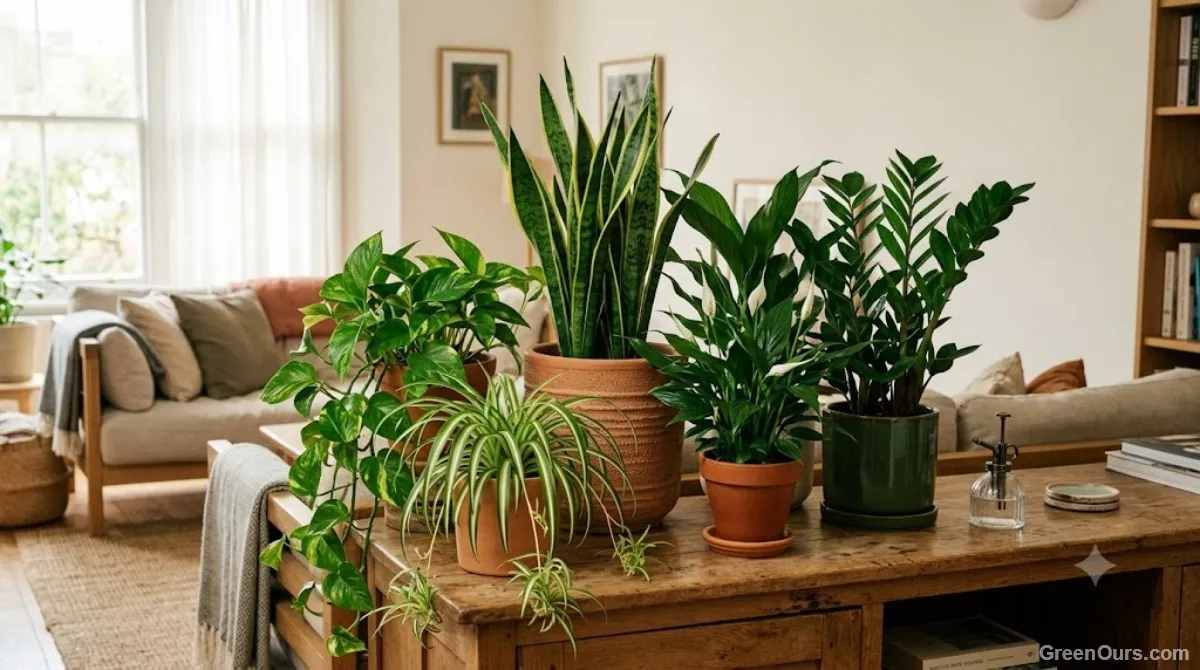
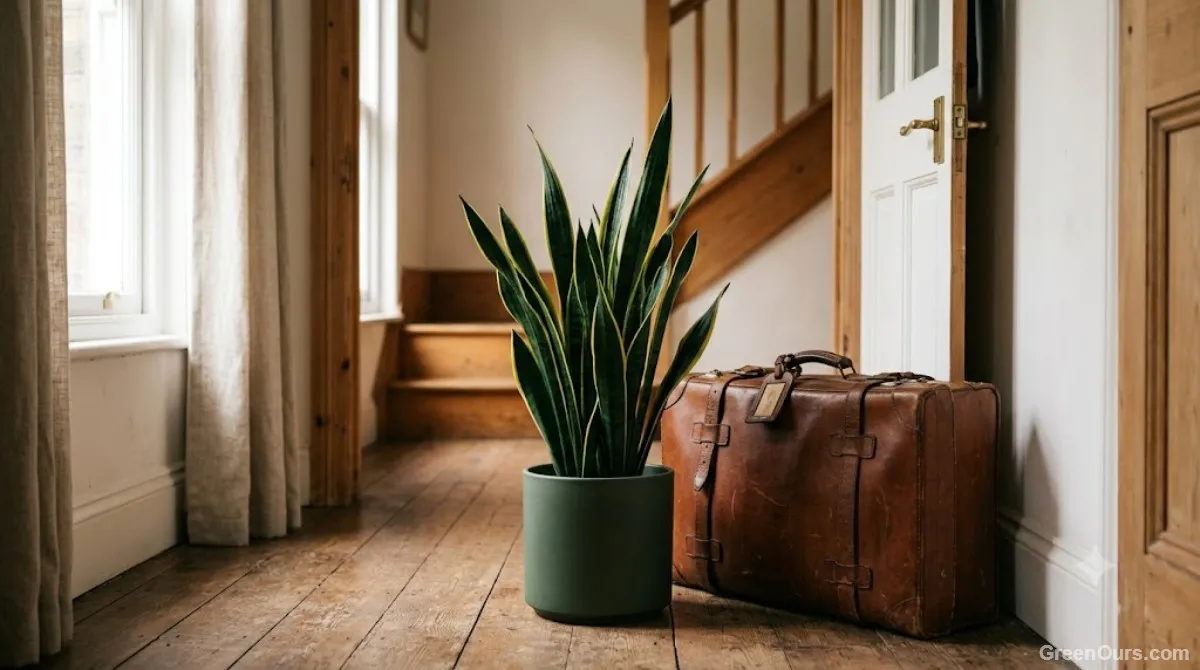
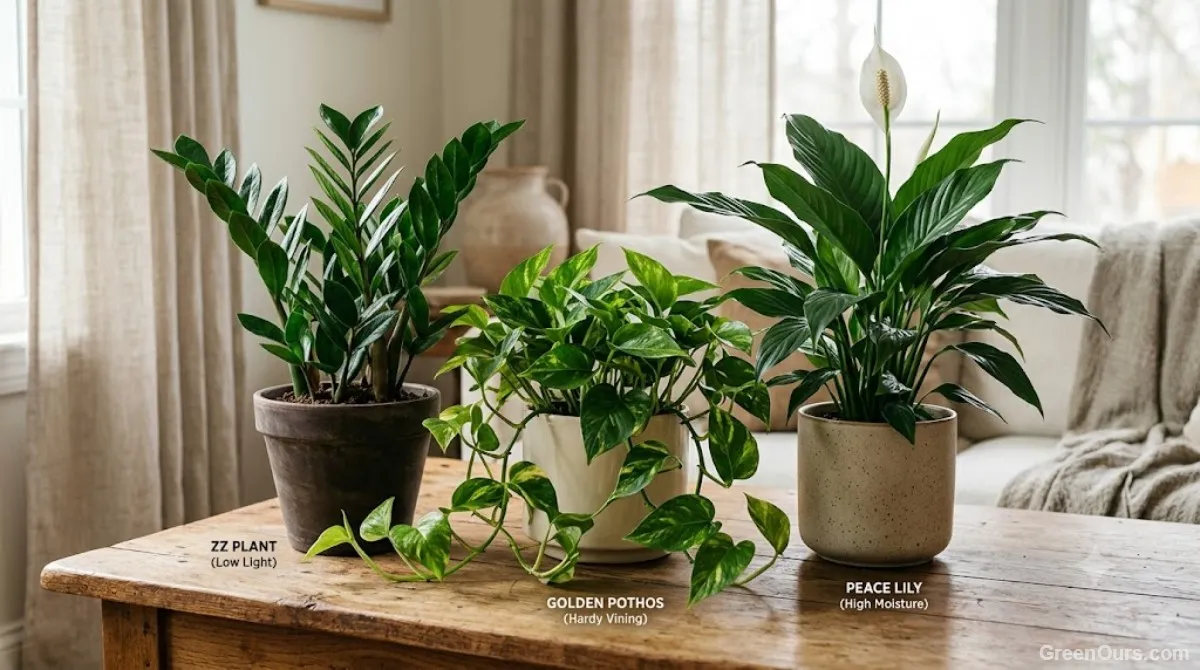
Frequent travelers need plants that can handle an extended gap between waterings and come out the other side looking much the same. Snake plants and ZZ plants are the obvious choices here, and there's a reason they keep showing up in this category: both store water in their leaves and roots, both tolerate lower indoor light without sulking, and both genuinely seem to prefer being left alone. Both can often tolerate extended dry periods once established, especially in lower-light conditions, but the exact interval depends on the pot, soil, temperature, and light — so check the soil rather than counting on a fixed number of weeks. Overwatering, not neglect, is what kills these two. A trip that stretches longer than expected won't hurt them nearly as much as a well-meaning house sitter who waters daily.
Beyond these, consider the jade plant or other succulents that thrive on neglect. Because they are adapted to arid environments, they effectively hold water in reserve, making them good candidates for those who travel frequently for work. Keeping these in your home means your plant won't demand immediate attention the moment you walk through the door after a long trip.
If Your Schedule Is Unpredictable, Not Just Busy
Unpredictable is a different problem than busy. If you never know whether next week will be quiet or chaotic, you need a plant that's forgiving in both directions, one that won't wilt after several missed days but also won't rot if you happen to have a slow week and water it twice. Pothos handles this well. It droops visibly when thirsty, which gives you a built-in warning system, and it typically recovers within hours of a drink, though how quickly varies by plant and conditions. You don't need a fixed schedule with pothos. You just need to glance at it occasionally and trust what you see.
How Hands-On Do You Actually Want to Be?
The "I Forget Plants Exist" Grower
Some people don't want a hobby, they want greenery that survives being an afterthought. If that's you, be honest about it instead of fighting it. A ZZ plant tucked in a hallway corner, a cast iron plant by a door you barely use, or a snake plant on a bookshelf will all quietly do their thing without needing to be part of your daily thoughts. These plants reward being ignored. Fussing over them, checking soil moisture every day, moving them around to chase better light, actually causes more problems than leaving them be. If you find yourself in this category, embrace the minimal nature of these plants and stop feeling like you are missing out on a "more advanced" gardening experience.
The Daily Check-In Grower
Other people find a few minutes with a plant genuinely restorative, a small ritual before coffee or after work. If that sounds like you, a peace lily or a calathea gives you something to actually tend to. Peace lilies droop dramatically when thirsty and often perk back up noticeably after watering, although recovery time varies, which turns care into a visible, satisfying feedback loop. Calatheas move their leaves throughout the day and want more consistent humidity and moisture, which suits someone who enjoys the small daily noticing rather than someone hoping to set it and forget it. Even the most demanding of these is a joy if you genuinely have the time to dedicate to them.
Knowing your own threshold is really what keeps a plant alive long-term. It's easy to fall for something gorgeous in a photo and bring it home, only to realize a few weeks in that it needs way more from you than you actually have to give. Be honest with yourself about how much time you actually want to spend, and pick plants that feel like companions instead of chores. If you mostly want plants as living decor, the hardy, slow-growing kinds will keep you both a lot happier.
Houseplants Sorted by How Much Attention They Need
Skip the vague "easy" and "hard" labels most plant guides use. Here's what these plants realistically ask of you on a weekly basis.
Very Low-Attention Plants
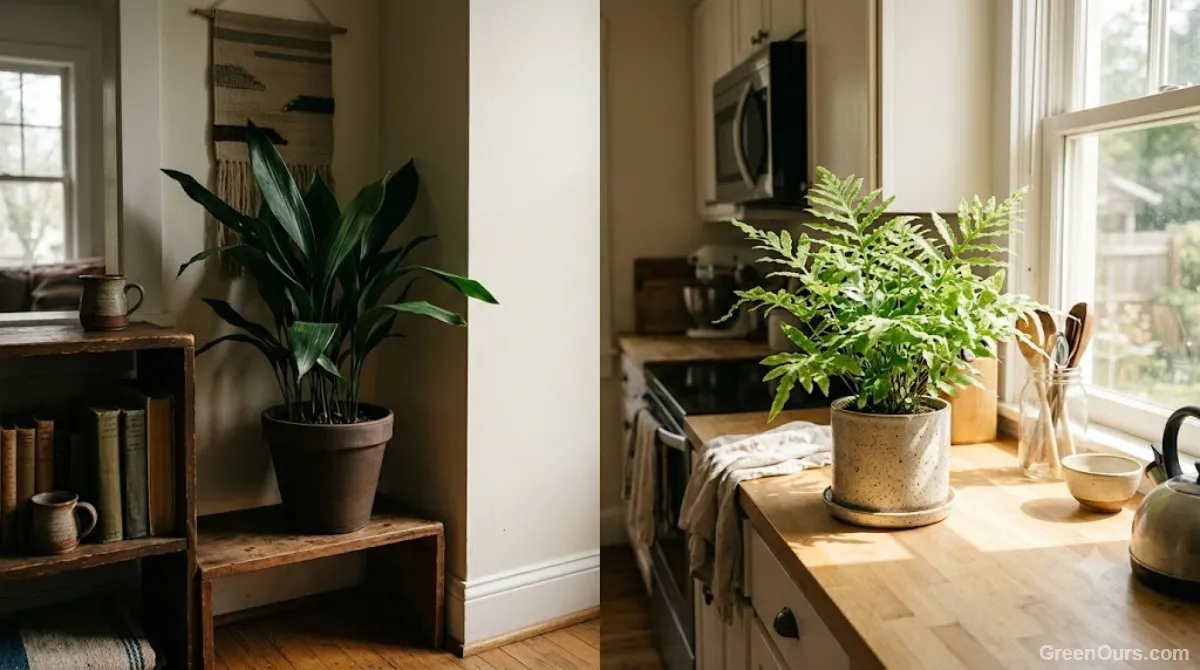
ZZ plants and snake plants top this list. They often tolerate several weeks between waterings, but check the soil and your specific growing conditions rather than watering by the calendar — pot size, soil mix, and season all change the interval. Beyond that, leave them completely alone: no misting, no rotating for even light, no fertilizing on a strict schedule. This is about as close to "buy it and forget it" as houseplants get.
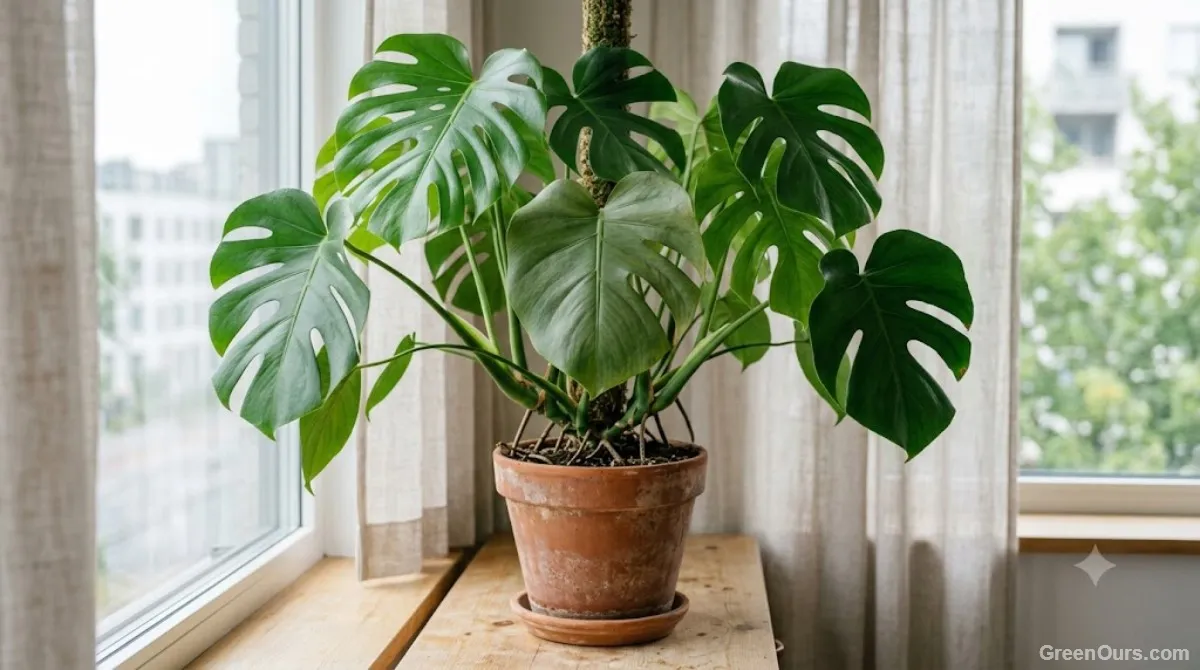
Once-a-Week Sweet Spot
Pothos and philodendron sit comfortably here. A weekly glance and water when the top inch of soil is dry keeps them full and trailing. They also tolerate being slightly under-watered far better than over-watered, so if you're the type to occasionally skip a week, they'll forgive you.
The Plant That Wants a Relationship
Calatheas, peace lilies, and most ferns fall into this category. They want consistent moisture, they'll tell you fast when something's wrong, and they genuinely benefit from being checked on every couple of days. These aren't bad plants for busy people, they're bad plants for people who want to be busy and hands-off at the same time. If you have pockets of your week where you're home and present, these can absolutely work.
The best houseplant for busy people usually comes down to how much lush greenery you want weighed against how much time you honestly have. There's nothing wrong with leaning hard into low-maintenance plants — it doesn't make you a less committed plant owner, it just means you know yourself. Give the basics to plants that fit your actual life, and plant care turns into something calming instead of one more thing on your to-do list.
Signs You Picked a Plant That Doesn't Fit Your Life
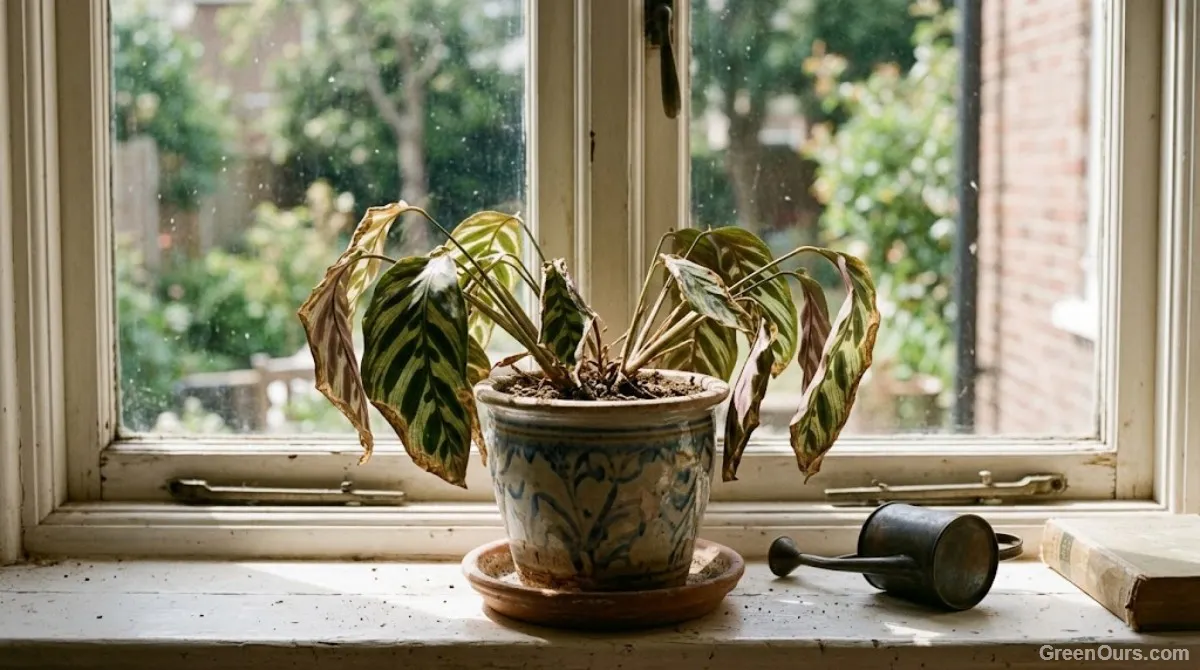
You'll usually know within a month. If you find yourself dreading a plant, forgetting it exists for weeks at a time even though it needs weekly water, or feeling guilty every time you walk past it, that's not a personal failing. It's a mismatch. The fix isn't trying harder, it's swapping the plant for one that suits how you actually move through your days. A thriving ZZ plant that gets glanced at once a month beats a wilting fern you feel bad about twice a week, every time. Once you accept this, the weight of the "failed" plant lifts, and you can focus on building a collection that actually thrives in your care.
Where to Start
The right selection for you isn't the prettiest one at the nursery or the one your favorite account swears by. It's the one that fits the shape of your actual week, travel and all. Get that match right, and you'll stop replacing plants and start actually enjoying having them around.
Explore more beginner-friendly plant guides