
Where the "Air-Purifying Plant" Idea Actually Comes From
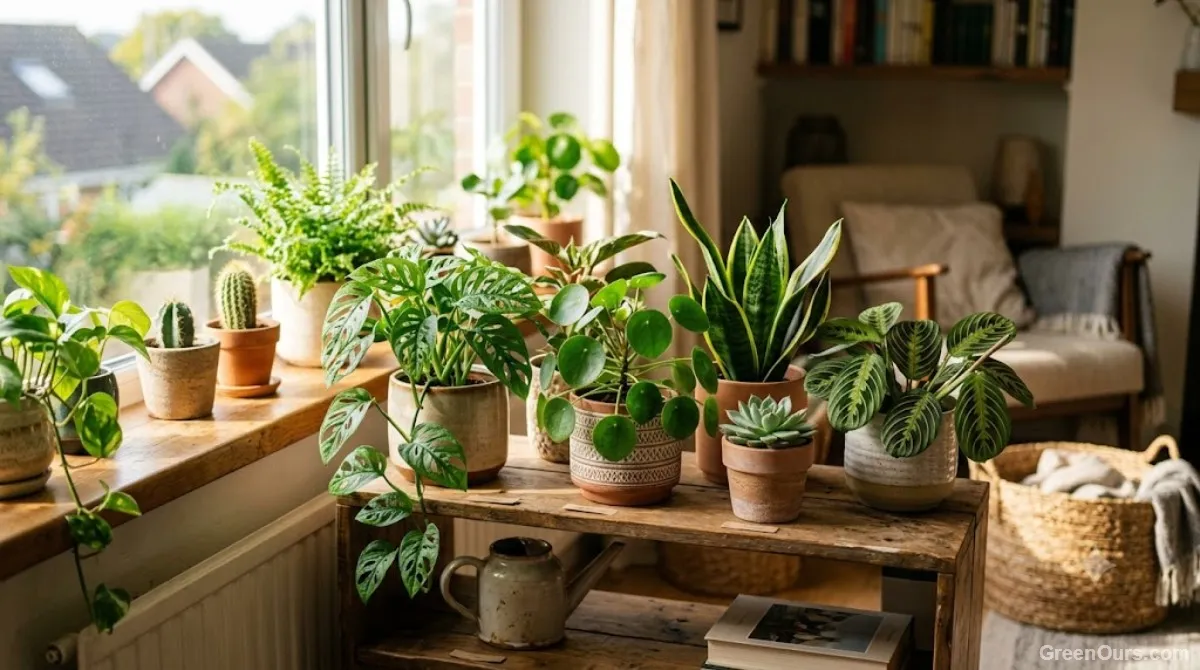
Most of what we think we know about plants and air quality traces back to a NASA study from the late 1980s, where researchers tested how well certain houseplants removed chemical compounds from sealed chambers. It's a real study with real findings — but it's worth knowing the conditions were nothing like your living room. Those chambers were small, airtight, and stocked with a lot more plant matter per square foot than any home would realistically have.
That doesn't mean the whole idea is bunk. Plants can interact with some airborne compounds through their leaves and growing media, but research suggests their practical effect on indoor pollutant levels is very small in ordinary homes. Plants can make a room feel greener and more inviting, but ventilation remains far more important for actually reducing indoor pollutants. The honest takeaway is that plants are a gentle supplement to good airflow, not a replacement for opening a window now and then.
Pairing plants with regular ventilation does more for air quality than plants alone ever will. Crack a window for ten minutes a day if you can, even in winter.
Do Air-Purifying Plants Actually Clean Your Air?
This is worth answering honestly before you build a plant shelf around it. Researchers at Drexel University reviewed a dozen studies spanning three decades of potted-plant air-quality research and calculated something called the "clean air delivery rate" for each one. Across the board, they found that plants removed airborne compounds far too slowly to compete with the normal air exchange in a real building — their analysis suggested it would take somewhere between 10 and 1,000 plants per square meter of floor space to match what ordinary ventilation already does.
The U.S. Environmental Protection Agency takes a similarly direct position: it has found no evidence that a realistic number of houseplants remove meaningful amounts of pollutants from home or office air. Ventilation and reducing pollution at the source — choosing low-VOC paints and cleaning products, for example — remain the more effective tools for indoor air quality.
None of that means houseplants are pointless. It means the honest reason to grow them is how they make a space feel, plus the modest, supplementary role they play alongside good airflow — not as a stand-in for it.
Plants Worth Making Room For
Not every houseplant pulls equal weight here, and some of the most popular ones are popular for good reason: they're forgiving, they grow fast, and they hold up well indoors.
Snake Plant
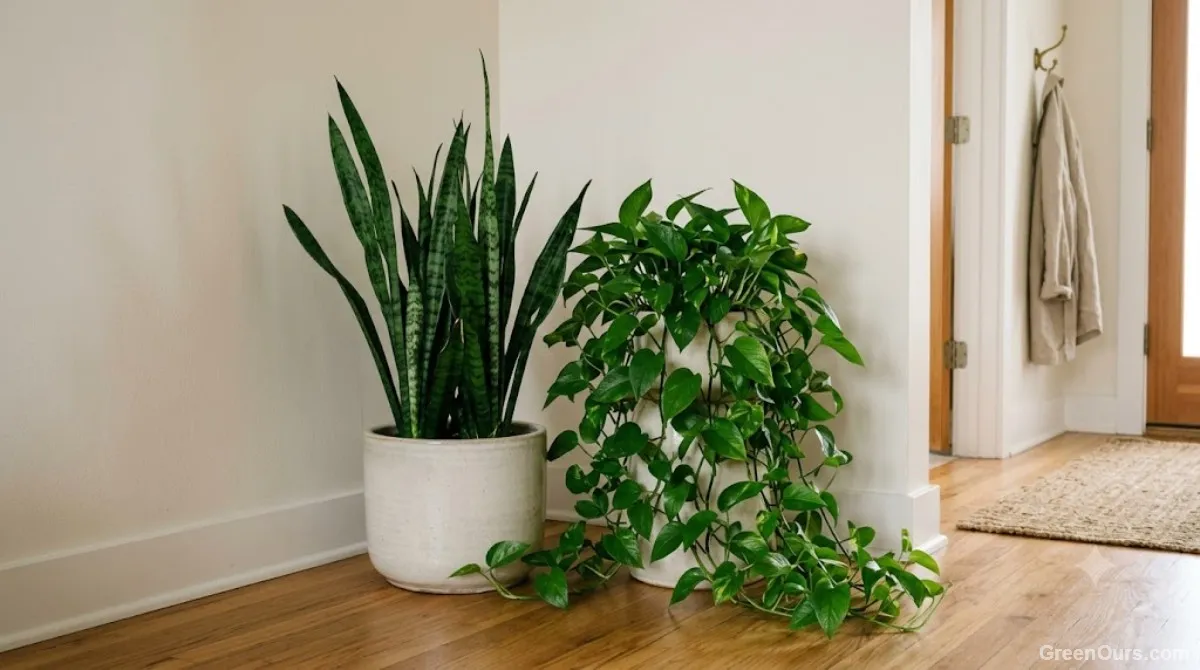
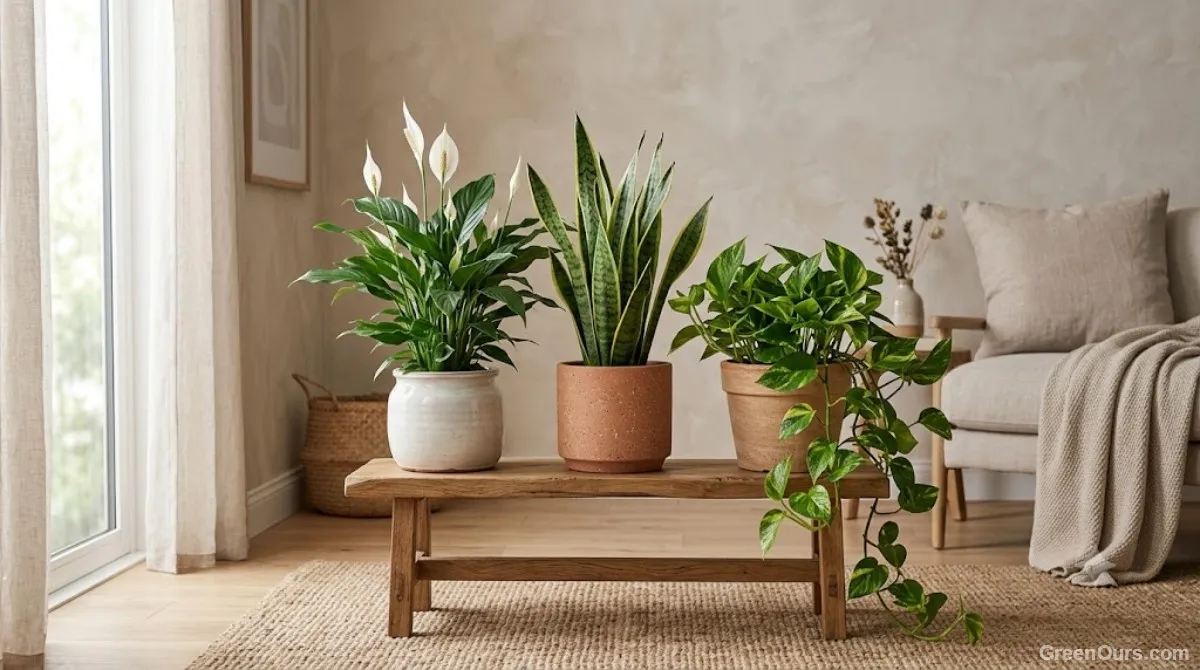
Snake plants are about as close to indestructible as houseplants get. They tolerate low light, irregular watering, and dry indoor air without much complaint, and they use a different type of photosynthesis that lets them release oxygen at night instead of during the day. It's a genuine quirk that makes them a popular bedroom plant, though the actual amount of oxygen involved is too small to noticeably change the air in a room.
Pothos
Pothos grows quickly, roots easily in water, and trails beautifully from a shelf or hanging planter. It's a good pick if you want visible progress within a few weeks rather than months, and it tolerates a wide range of light conditions.
Peace Lily
Peace lilies are more particular about water than the other two — they'll droop dramatically when thirsty and perk back up within hours of a good soak, which actually makes them one of the easier plants to read. Their white blooms are a nice bonus most low-maintenance plants don't offer.
Areca Palm
Areca palms bring a lush, fuller presence to a room than most of the plants on this list, and their feathery fronds do a lot to soften hard corners in a space. They do want a bit more consistent light and humidity than snake plants or pothos, so they're a better fit once you've got some houseplant confidence under your belt.
Spider Plant
Spider plants are fast, forgiving growers that tolerate a wide range of light and the occasional missed watering. They send out long, arching plantlets on runners, which makes them easy to propagate and share, and they're generally considered a safer pick around pets and kids than many other houseplants.
ZZ Plant
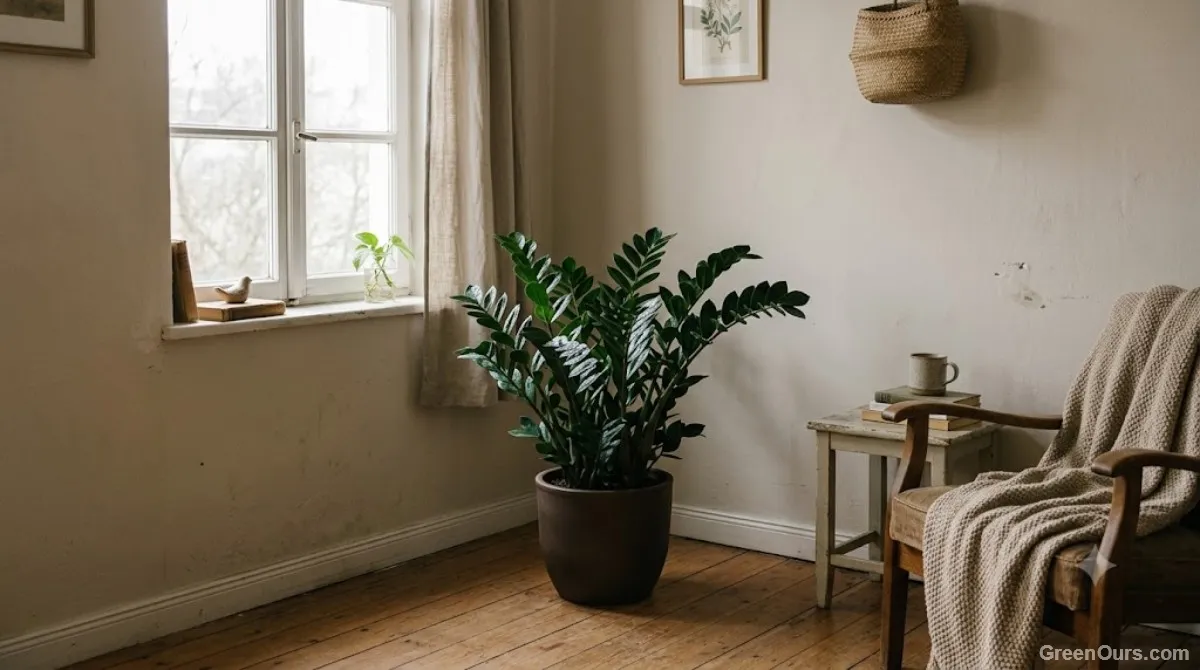
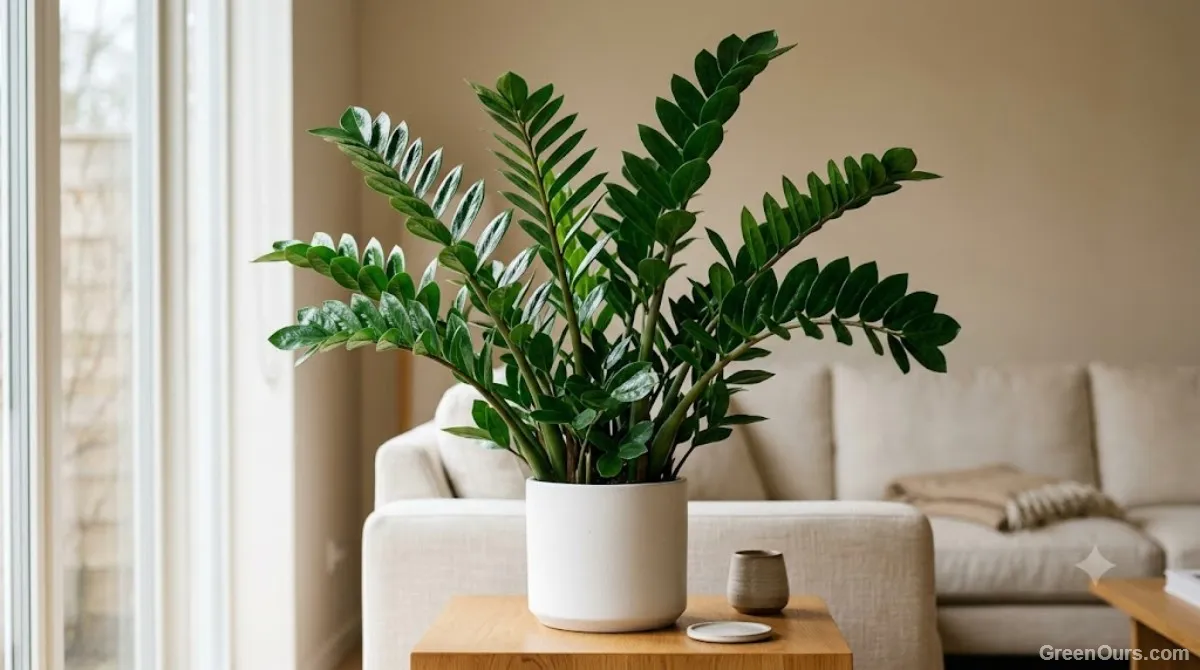
ZZ plants store water in thick underground rhizomes, which lets them go weeks without watering and shrug off inconsistent care better than almost anything else on this list. Their glossy, upright leaves tolerate low light well, though growth slows noticeably in dim conditions.
At a Glance: Which Plant Fits Your Space?
Needs vary with your room, so treat this as a starting point rather than a strict rule.
| Plant | Light | Watering | Best For |
|---|---|---|---|
| Snake plant | Low to bright indirect | Low; let soil dry between waterings | Beginners, bedrooms, dim corners |
| Pothos | Low to bright indirect | Moderate; water when topsoil is dry | Shelves, hanging baskets, trailing |
| Peace lily | Medium indirect | Moderate; keep evenly moist | Humid rooms, visible thirst cues |
| Areca palm | Bright indirect | Moderate; consistent humidity | Larger spaces, lush fullness |
| Spider plant | Bright indirect | Moderate | Beginners, homes with pets |
| ZZ plant | Low to bright indirect | Low; tolerates drought | Busy households, low light |
Where to Put Them for the Best Effect
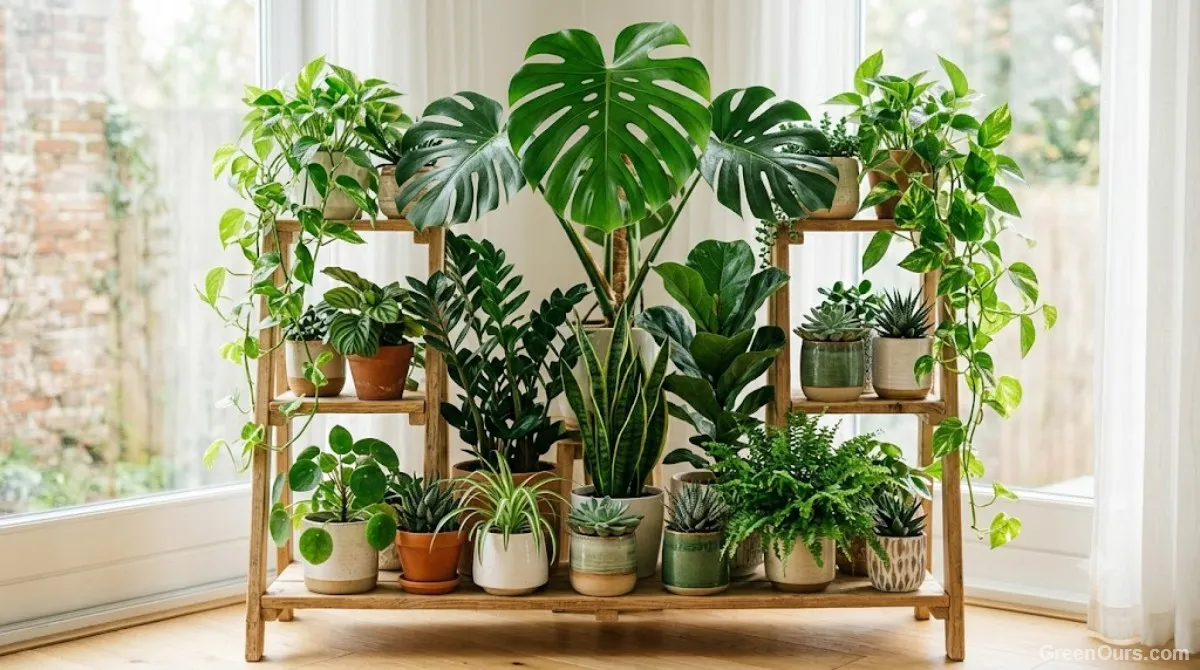
A single plant on a windowsill is lovely, but it's not doing much for the air in your whole home. If you enjoy keeping several plants together, place them where you spend the most time and make sure their light and airflow needs are compatible. Grouping can also create a slightly more humid local environment, but it shouldn't be treated as a substitute for ventilation or air filtration.
Simple Care That Keeps the Benefit Going
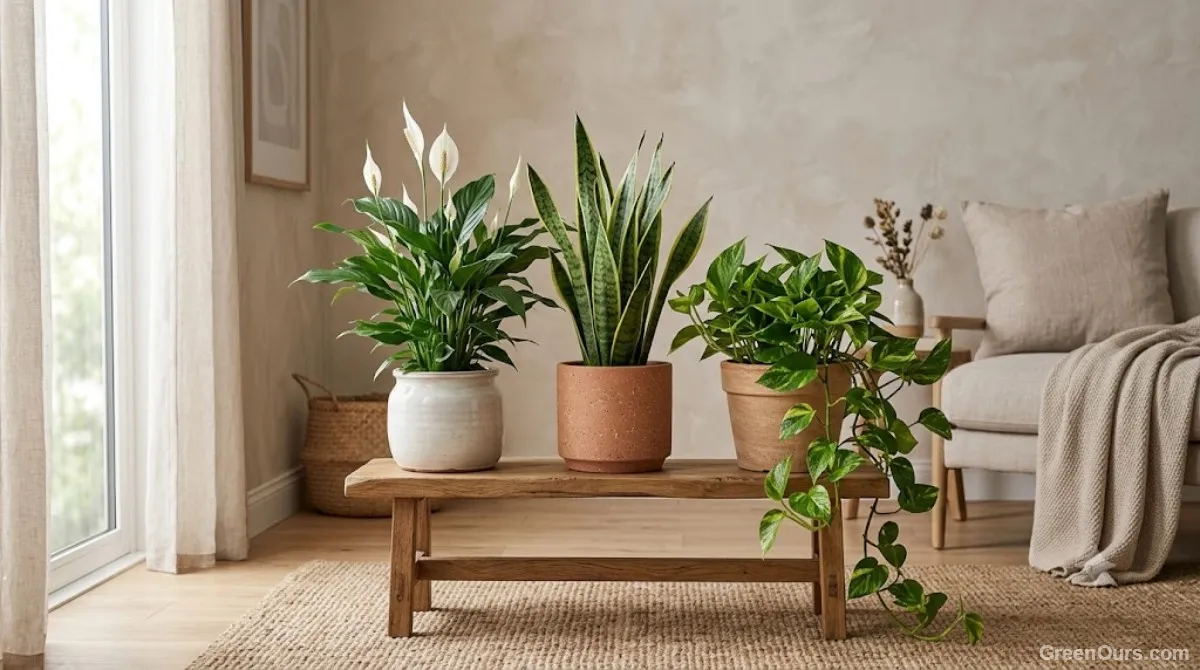
A stressed, struggling plant isn't doing much for anyone, whether you're growing it for the way a room feels or anything else. Keeping these plants genuinely healthy is what makes any small benefit real rather than theoretical — and it's also just what makes them worth having around.
Keep broad leaves reasonably free of dust so they can capture light efficiently — a build-up over time can affect growth.
Beyond that, the basics matter more than anything fancy: water when the top inch or two of soil is dry, keep plants out of direct blasting heat or cold drafts, and repot once roots start crowding the pot.
Common Mistakes That Undercut the Benefit
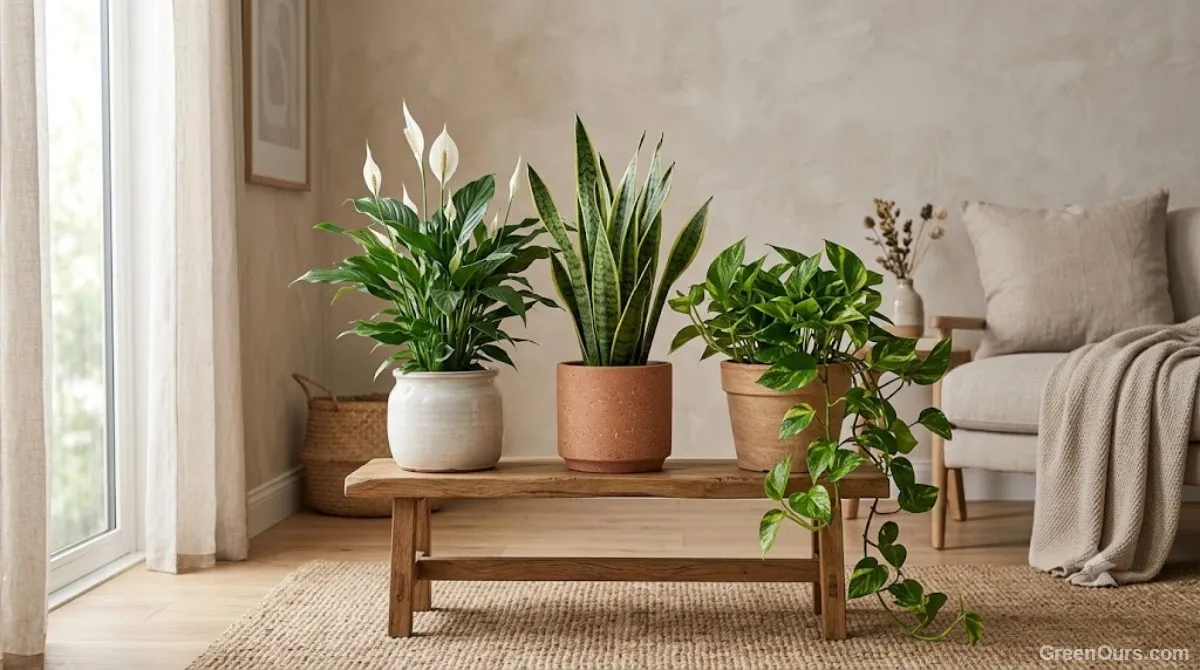
A few habits quietly cancel out the good these plants can do. Overwatering is the big one — persistently wet potting mix can encourage microbial growth and create conditions that aren't healthy for the plant or for people with sensitivities, which is part of why the EPA specifically cautions against overwatering indoor plants. Letting dust build up on leaves is another, along with tucking plants into dark corners where they'll survive but never thrive.
The last one is simply expecting too much from too little. One small succulent on a desk isn't going to transform a stuffy apartment. A handful of healthy, well-placed plants, kept genuinely alive rather than just alive-ish, will do more for how the room feels.
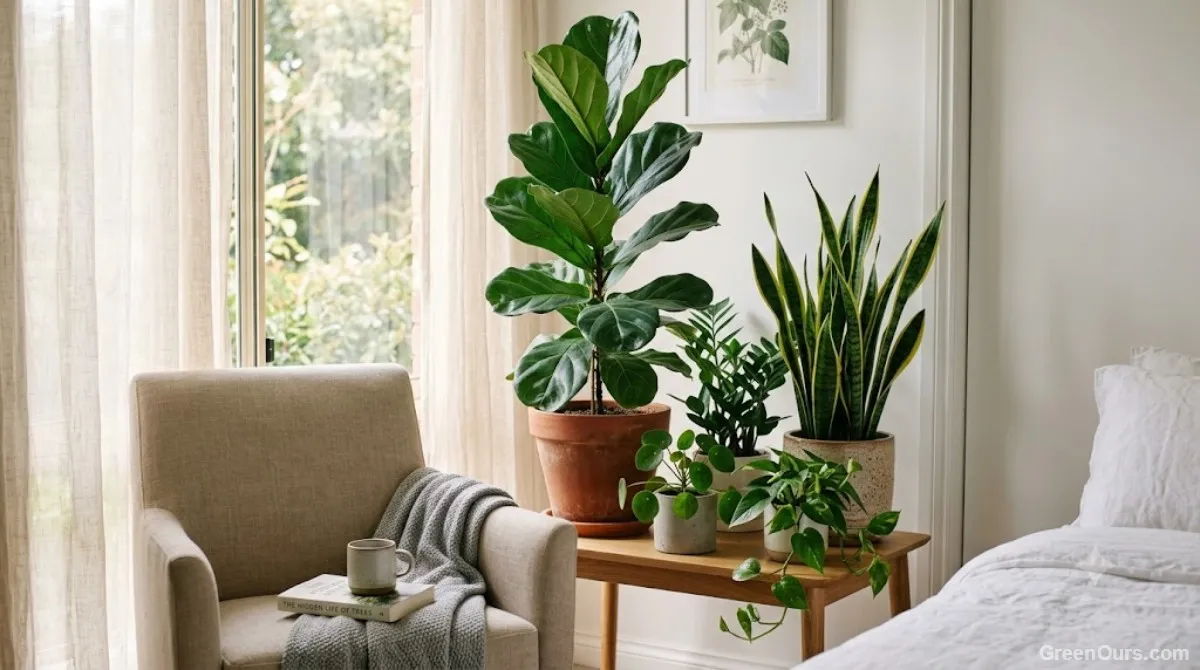
Ready to fill in the rest of your plant shelf? Find more easy houseplants worth growing.
None of this requires turning your home into a greenhouse. A handful of healthy, well-placed plants, given a little regular attention, will do more for how a room feels than any single miracle plant ever could — and that's a nice thing to come home to.