
Beginner Compost Mistakes: Treating Your Bin Like a Second Trash Can
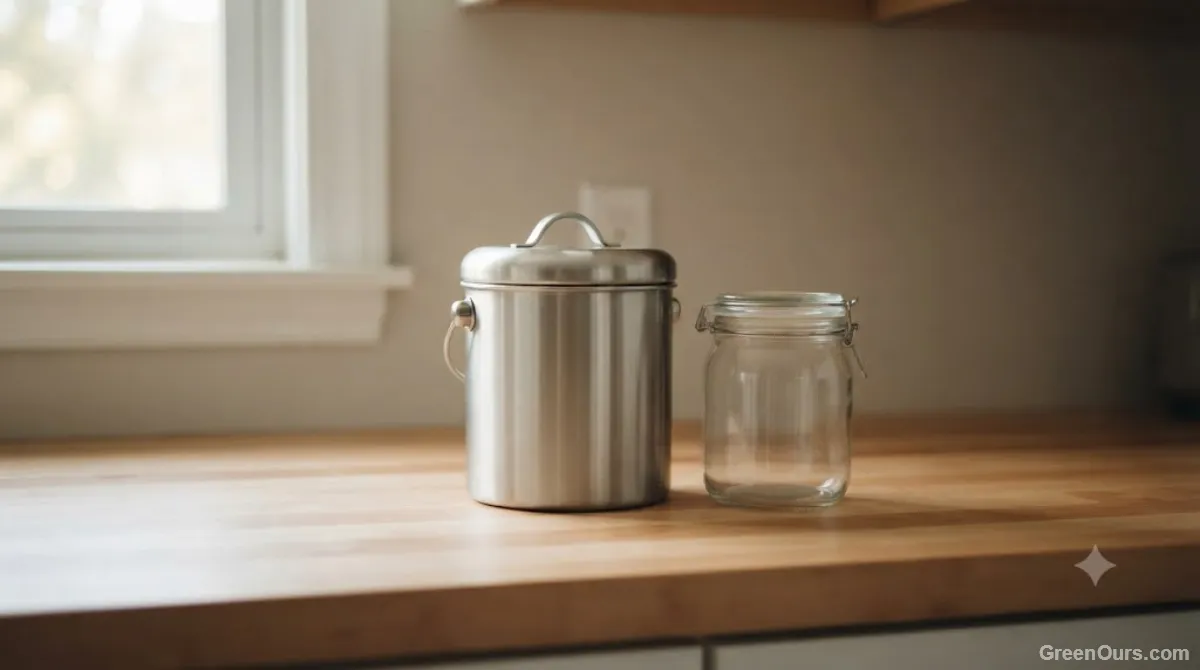
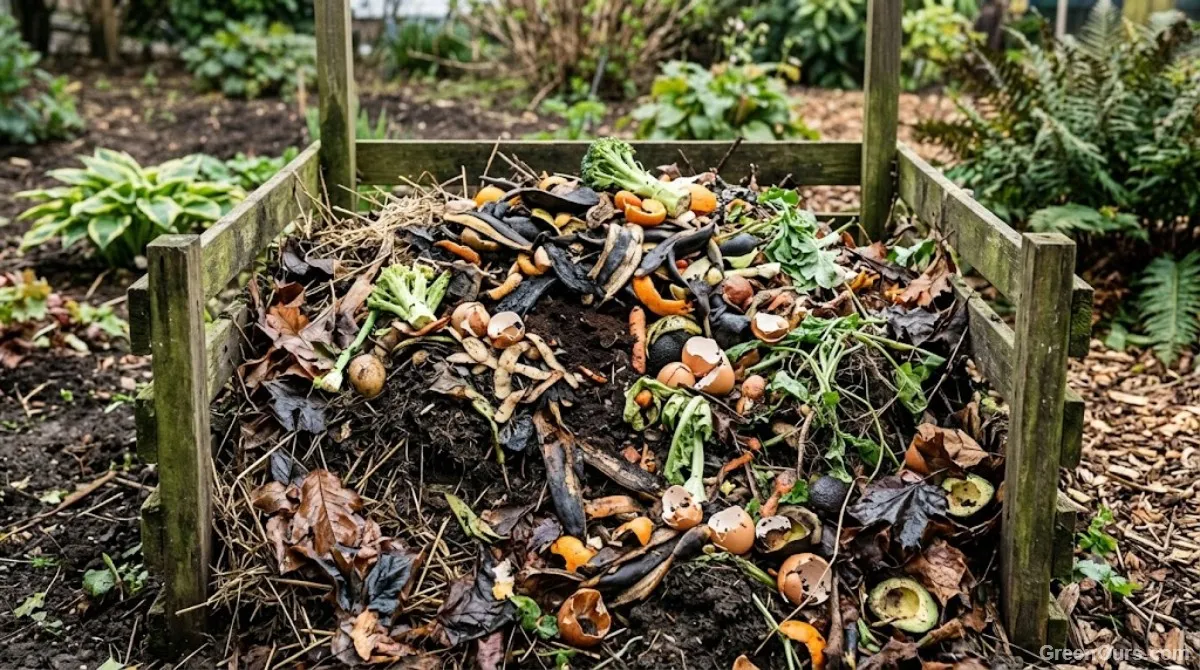
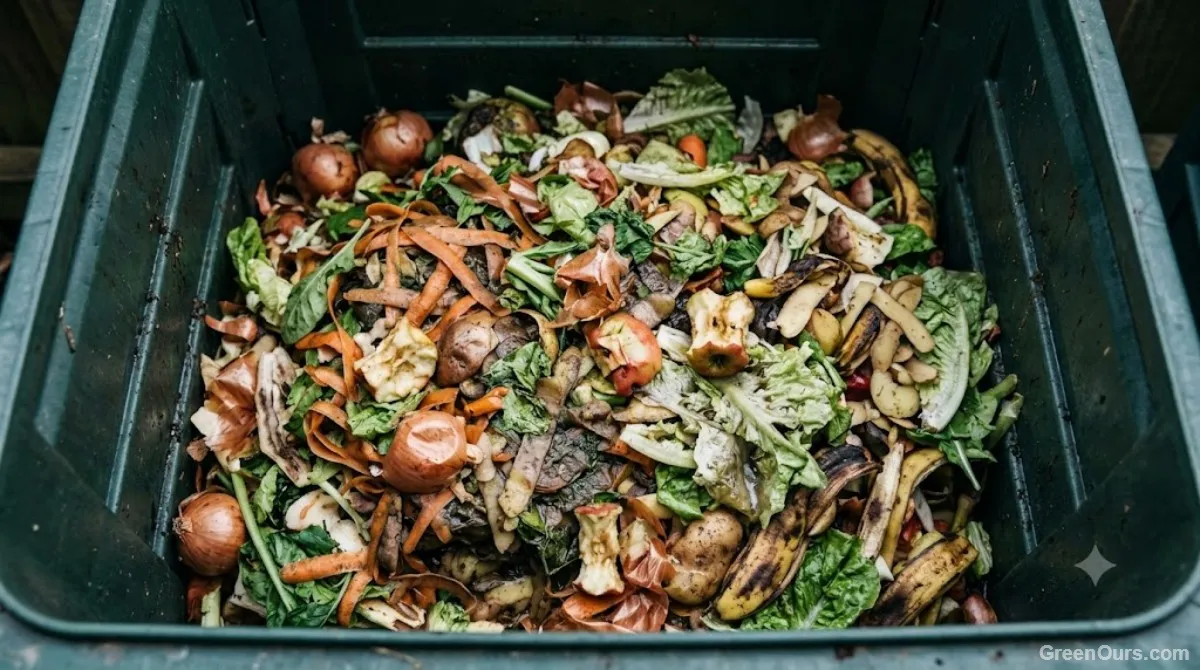
This is the big one, and I did it too. You start composting, get excited, and suddenly every onion skin, banana peel, and coffee filter in the house goes straight into the bin. Within a few days it's wet, dense, and starting to smell less like garden soil and more like something you'd apologize for.
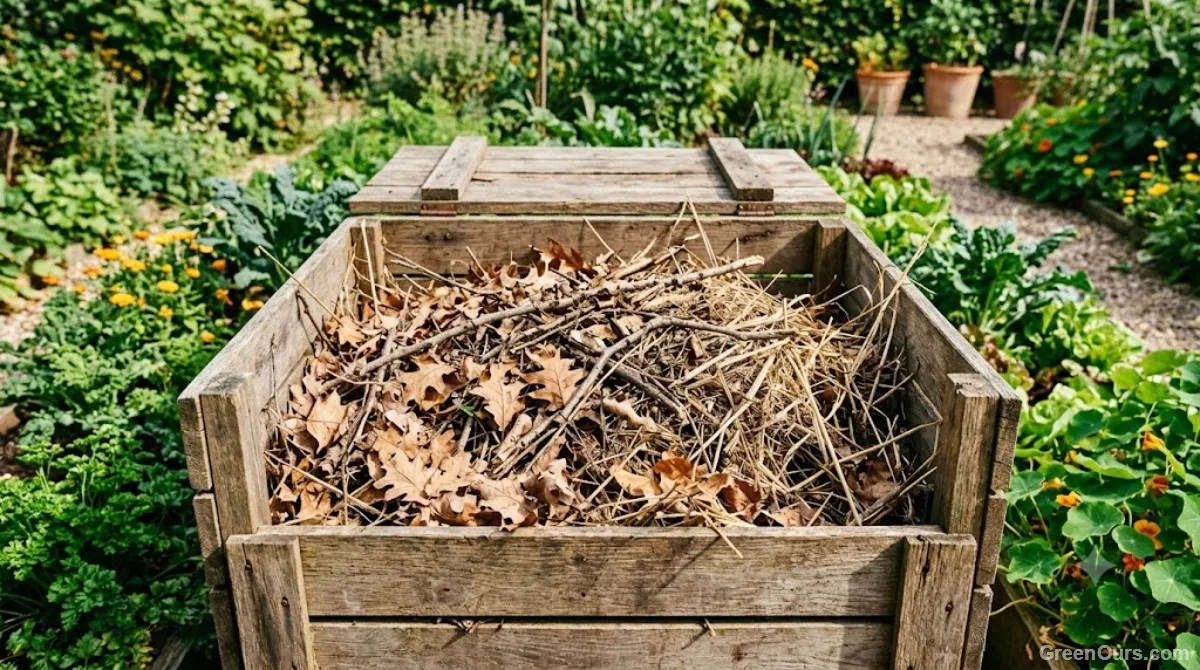
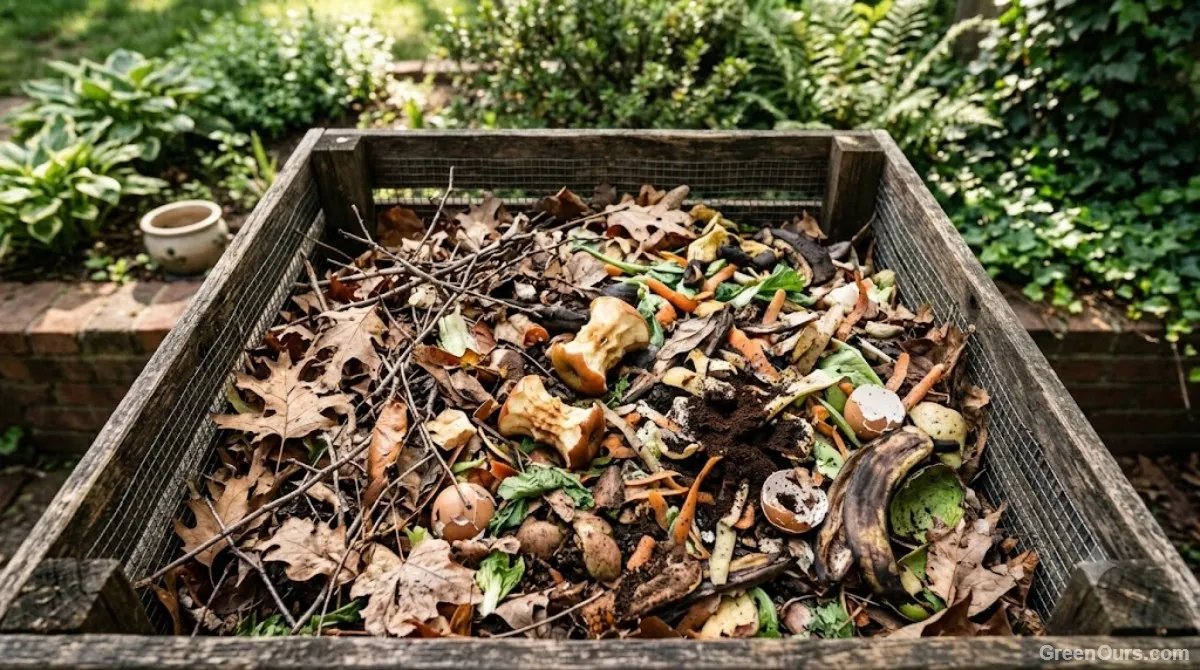
Compost needs a mix of "greens" (wet, nitrogen-rich scraps like fruit and veggie waste) and "browns" (dry, carbon-rich material like dried leaves, shredded cardboard, or plain paper). Dump in greens alone and you get a soggy, airless pile that struggles to break down properly. It's not that you added the wrong things. It's that nothing was there to balance them out.
A simple fix for month one: keep a small stash of dried leaves, shredded newspaper, or torn-up egg cartons near your bin. Every time you add kitchen scraps, add a handful of dry material too.
Mistake Two: Skipping the Chop
Whole avocado skins, entire corn cobs, thick broccoli stalks — they'll all break down eventually, but "eventually" might mean months rather than weeks. Beginners often toss scraps in exactly as they came off the cutting board, then get discouraged when the bin looks the same three weeks later.
Smaller pieces have more surface area exposed to the microbes and moisture doing the actual work of decomposition. You don't need to dice anything perfectly. Just roughly chopping the bulkier stuff before it goes in makes a noticeable difference in how quickly things move along.
Mistake Three: The Set-and-Forget Trap
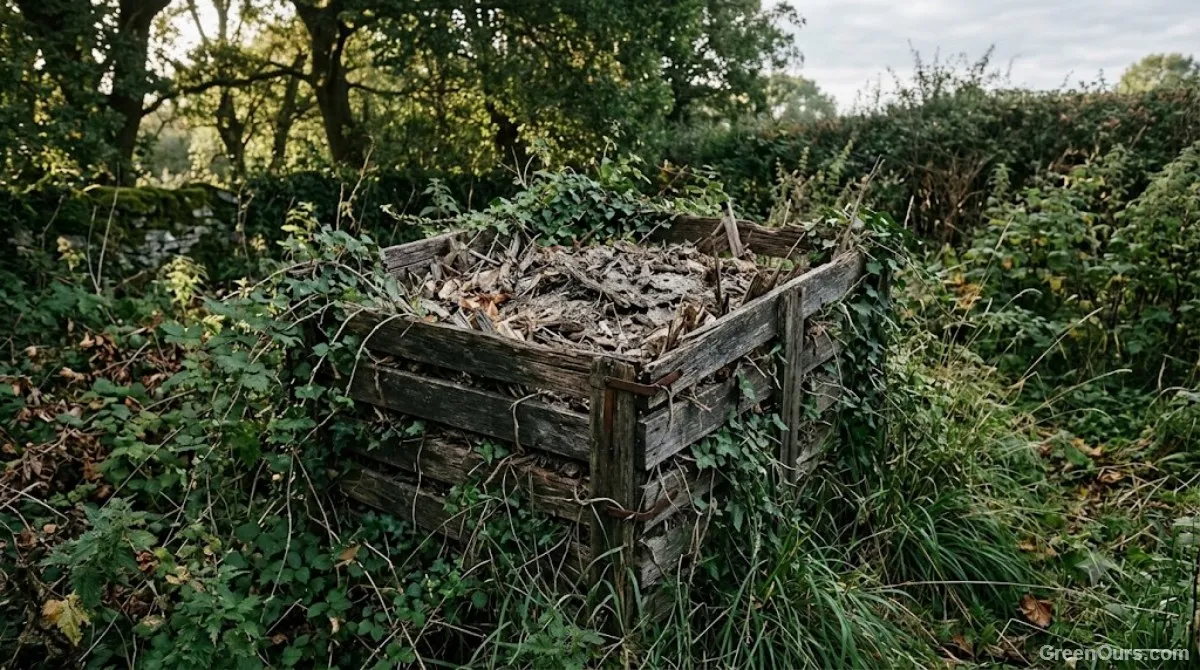
Some beginners overcorrect in the opposite direction. After hearing that compost "takes care of itself," they add scraps and then genuinely ignore the bin for a month. No turning, no checking moisture, nothing. That's a recipe for a compacted, airless pile that smells sour instead of earthy.
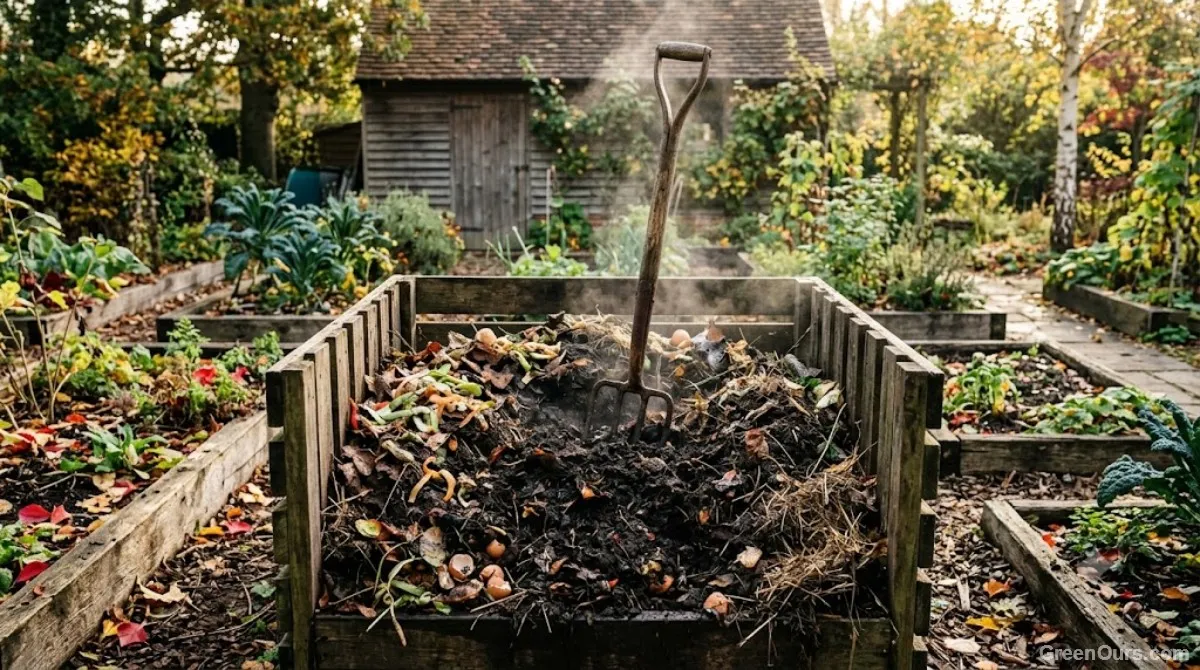
Compost isn't fully hands-off, especially in the first few weeks while you're still learning what your particular setup needs. A quick turn with a garden fork every week or so introduces oxygen and keeps things moving in the right direction.
Mistake Four: Checking On It Like a Nervous New Parent
And then there's the opposite problem: opening the bin every single day, poking around, turning it far more than it needs, and generally treating it like a science fair project that requires constant supervision. It comes from a good place, but overturning compost can actually slow things down by disrupting the microbial activity that needs some stability to do its job.
Once a week is plenty for a home bin in its first month. Beyond that, you're mostly just interrupting the process rather than helping it.
Mistake Five: Giving Up During the Ugly Middle
What "Normal" Looks Like at Week Three
Somewhere around week three or four, compost tends to go through an unglamorous phase. It's warm, a little slimy in places, not quite unpleasant but not exactly pleasant either, and it definitely doesn't look like the finished product you were picturing. This is normal. This is not a sign of failure. This is just compost being compost.
What Actually Signals Trouble
The difference between "normal ugly middle" and "something's actually wrong" usually comes down to smell. A strong ammonia or rotten-egg odor typically means too much moisture and not enough air, which the turning and browns-to-greens balance above should correct within a week or so. A generally earthy, slightly musty smell, even if it's not pretty, is exactly where you should be.
When It's Worth Asking for Help
Most first-month issues resolve themselves once the greens-to-browns balance and turning schedule are dialed in. But if you're dealing with a persistent, overwhelming smell after making those adjustments, or pests that keep returning no matter what you try, it's worth checking in with a local composting group or your municipal waste program. Every region has slightly different guidance, and there's no shame in asking someone who's seen a hundred first-month bins before yours.
More composting confidence, one scrap at a time
None of this means you're bad at composting. It means you're a beginner, which is exactly what month one is for. Give it another few weeks, keep an eye on that greens-to-browns balance, and you'll notice the whole thing start to feel less like guesswork and more like a habit you've quietly gotten good at.