
The Compost Pile You've Been Avoiding
You're not the only one who's walked past a bin and quietly decided not to look at it too closely. Somewhere between a busy stretch at work, a holiday, or just a run of low energy, composting stops feeling like a satisfying ritual and starts feeling like one more thing you're failing at. That's usually right around when people give up entirely — not because the pile is ruined, but because the guilt makes it easier to avoid than to face.
Here's what actually helps: stop thinking of this as a mistake you need to fix, and start thinking of it as a pile that's been resting. Compost doesn't have a deadline. It doesn't care that you meant to turn it every week and didn't. Whatever's happened while you weren't looking, there's almost certainly something worth reclaiming underneath.
The pile isn't judging you. Microbes don't track how many weeks you skipped — they just pick back up wherever the conditions let them.
What's Actually Happening in There Right Now
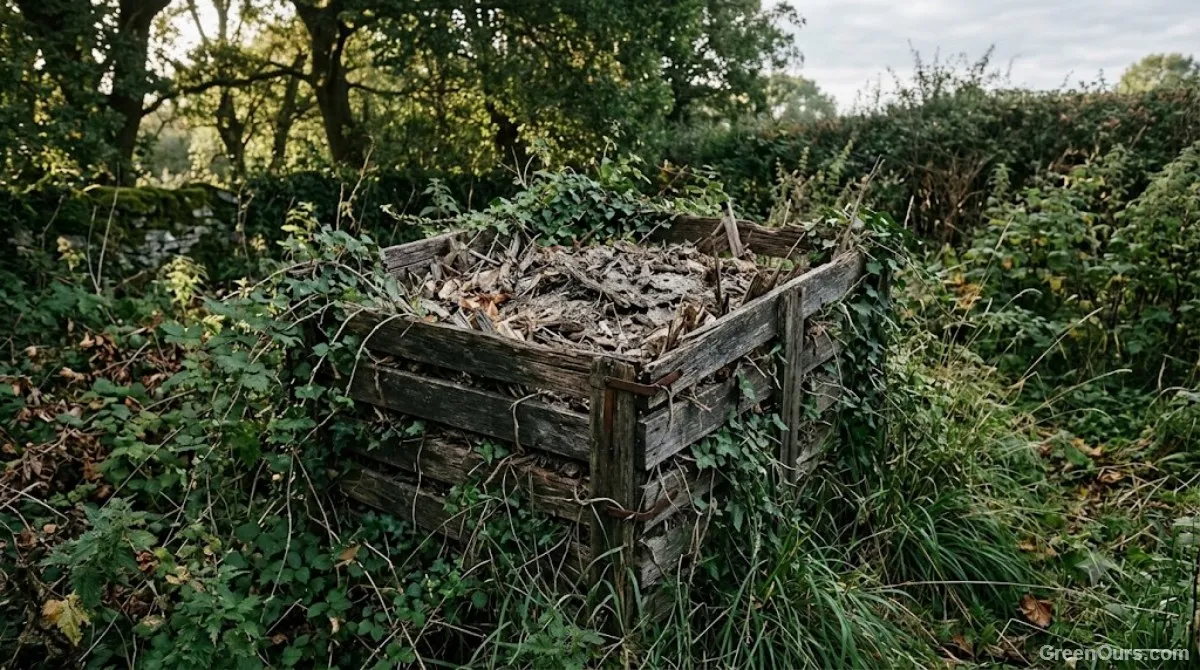
When a pile sits untouched, the organisms doing the breakdown don't stop working — they just downshift. Without regular turning, oxygen stops reaching the center, and the fast-working aerobic bacteria that break material down efficiently get replaced by slower, anaerobic ones. That's usually where the smell comes from: a sour, swampy odor instead of the earthy scent a healthy pile gives off.
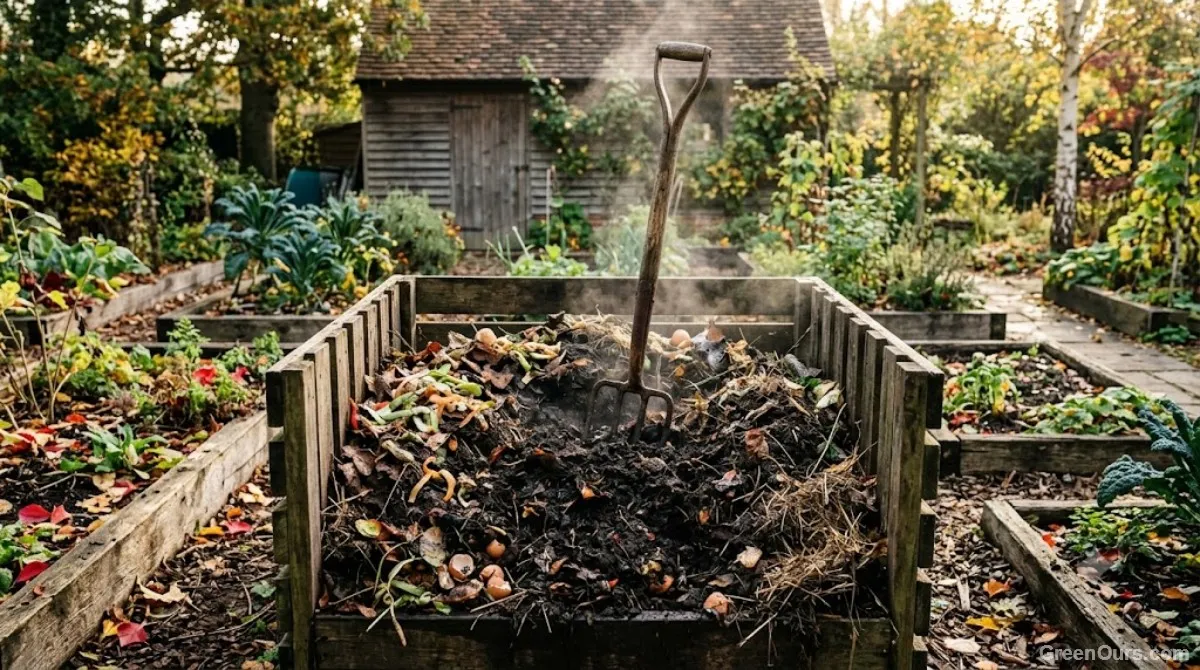
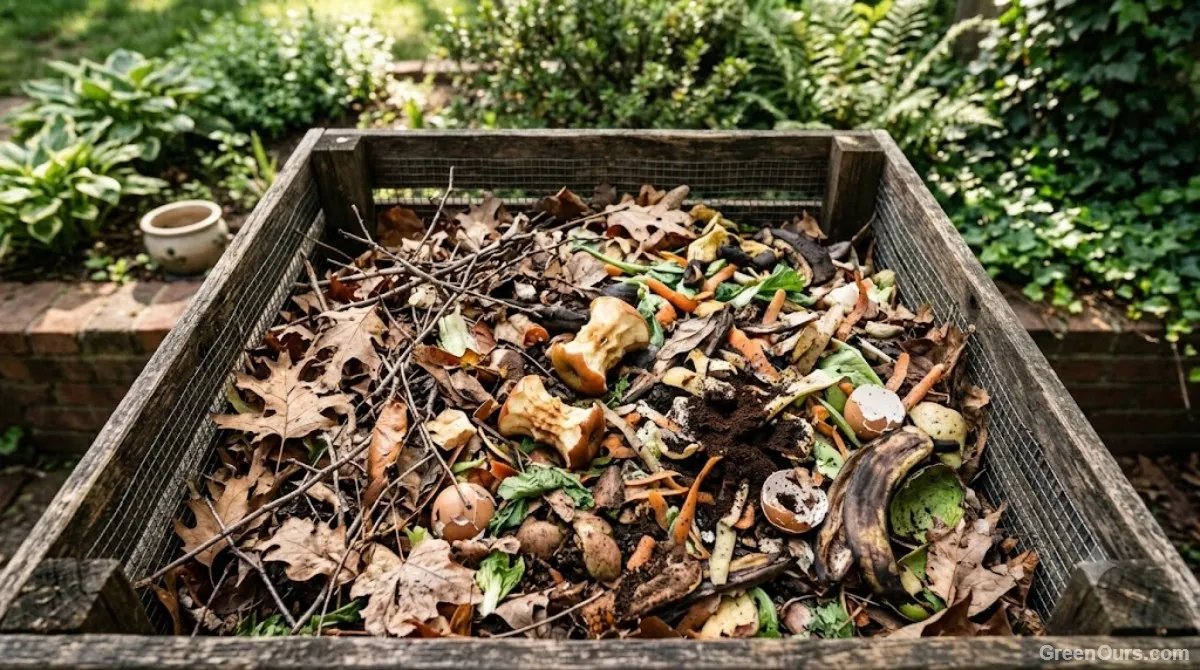
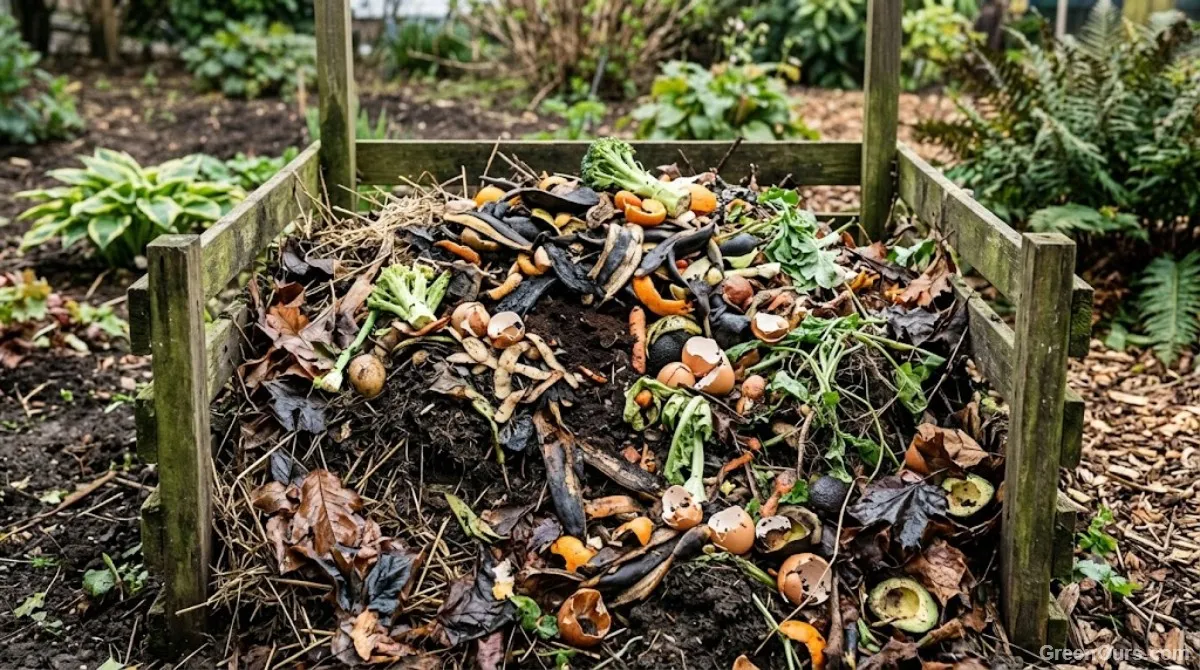
You might also find a hardened crust on top, a soggy middle, or patches that look nothing like compost at all — more like a time capsule of banana peels and eggshells frozen mid-decomposition. None of that means the pile has failed. It means it's been running in low-oxygen mode, and low-oxygen mode is reversible.
Assessing What You've Got Before You Touch Anything
Before you start turning or adding anything new, spend five minutes actually looking at what's in there. Grab a garden fork and dig down at an angle instead of straight in — you'll get a cross-section of the pile instead of just disturbing the top layer.
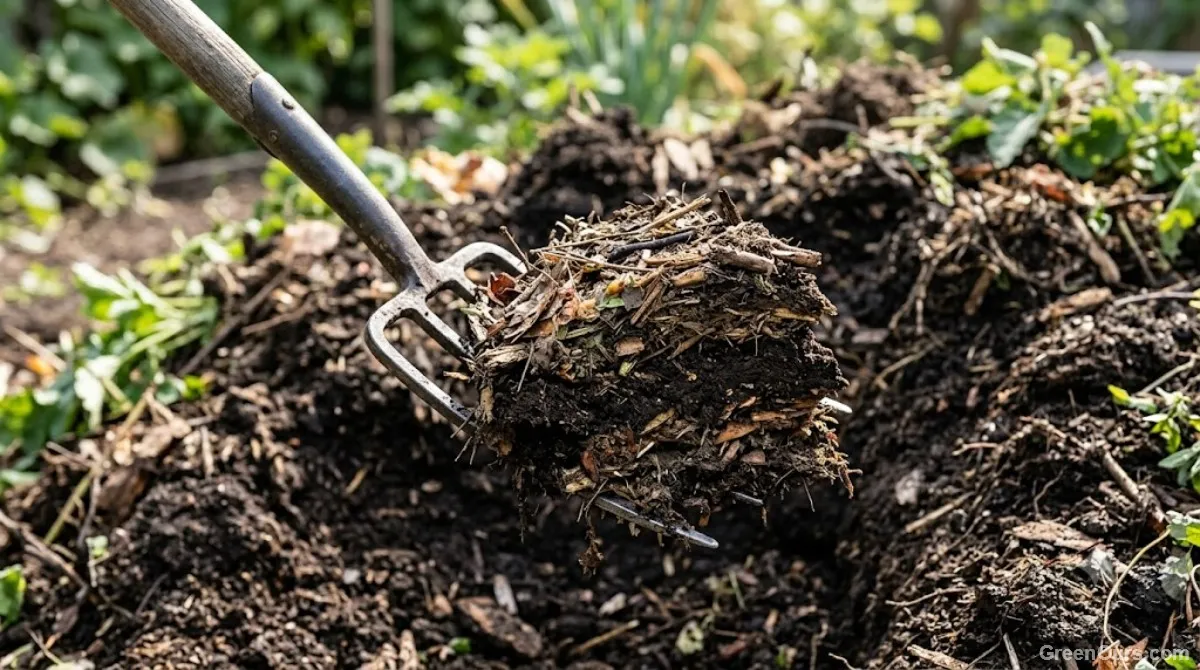
You're checking for three things: how wet it is, how compacted it is, and how far along the material actually is. A pile that's bone dry and fluffy needs water. One that's soggy and matted needs air and dry material. And if you find fully broken-down compost near the bottom — dark, crumbly, and unrecognizable as food scraps — that portion is usable right now, guilt-free, regardless of what's happening up top.
Getting It Moving Again: A Step-by-Step Reset
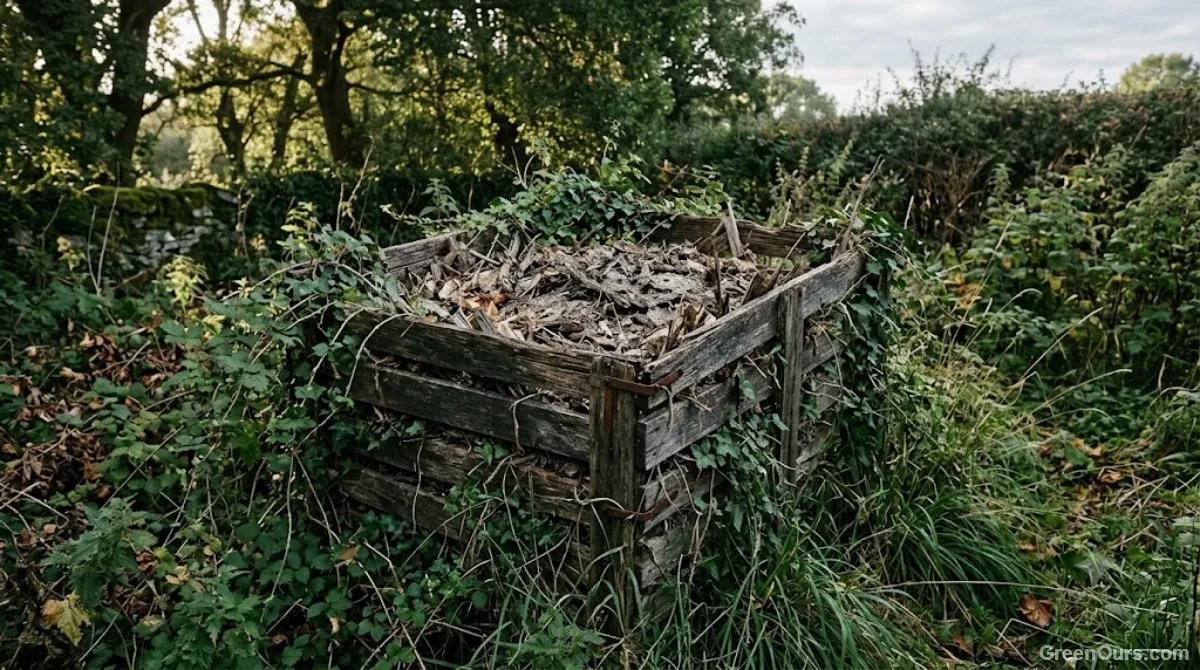
Once you know what you're working with, resetting the pile takes less effort than people expect.
- Break up compacted clumps and matted patches with your fork so air can reach the center again.
- Check moisture — it should feel like a wrung-out sponge. Add water if it's dusty, or dry browns like shredded cardboard if it's dripping.
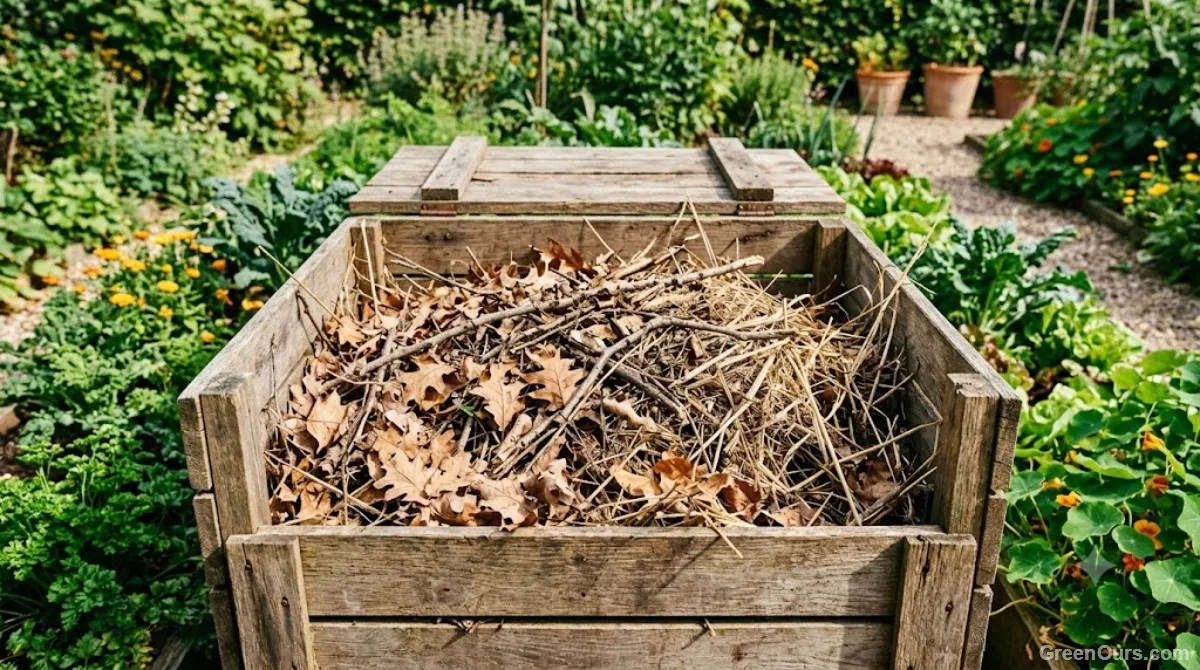
- Rebalance greens and browns. Neglected piles often skew wet and nitrogen-heavy from kitchen scraps, so mix in dry leaves, paper, or straw.
- Turn the whole pile, moving outer material into the center, where it's been getting less heat and oxygen.
- Give it a week, then check back — a properly reset pile should start warming up again within a few days.
What to Do With the Parts That Didn't Make It
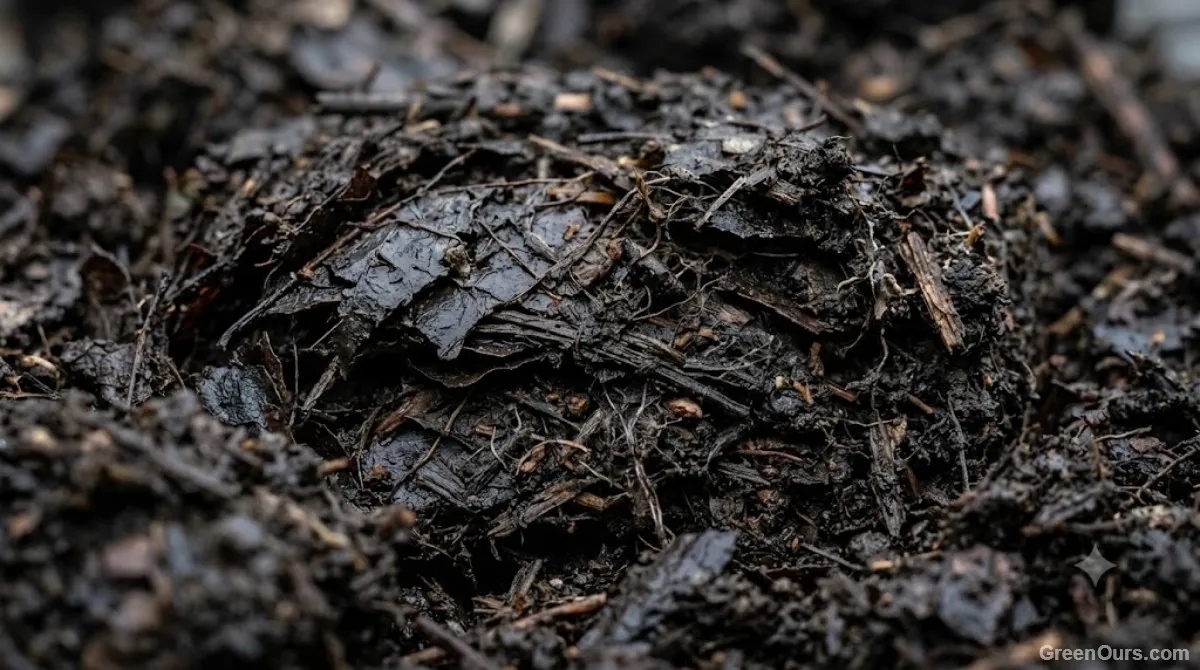
Not everything in a neglected pile is salvageable, and that's fine. Fully matted paper, chunks of food that turned slimy and gray rather than breaking down, or anything that smells distinctly rotten rather than earthy is worth pulling out and binning instead of trying to force it to compost.
If meat, dairy, or oily food ended up in there at some point, even accidentally, remove what you can find. It won't poison the rest of the pile, but it will slow things down and attract pests you don't want hanging around. Tossing a handful of unsalvageable material isn't starting over. It's just editing.
Building a Low-Effort System So This Doesn't Happen Again
The real fix isn't turning the pile more often out of willpower — it's designing a system that survives the weeks when you have zero energy for it. Keep a small countertop container so scraps aren't a special trip outside. Store a bag of dry browns near the bin so rebalancing takes seconds, not a hunt through the garage. And instead of a strict weekly turning schedule you'll inevitably break, set a loose reminder every couple of weeks — something you can move if life gets in the way, without the whole system falling apart.
More ways to reduce waste at home.
Your compost pile was never a test you could fail. It's just organic matter doing what organic matter does, on its own unbothered timeline. Give it air, give it balance, and give yourself the same grace you're giving it — the pile was always going to be fine.