
The Honest Answer: It Depends
So how long does compost take, honestly? Long enough that anyone promising you a fixed number is guessing. There isn't a single number that applies to every pile, and any article that gives you one is skipping the interesting part. What determines your timeline isn't luck. It's a combination of what you're putting in, how much attention you're giving it, and even what season you started in. Once you understand those levers, the mystery mostly disappears, even if the exact date your compost finishes stays a little fuzzy.
Think of it less like a countdown clock and more like a recipe with a range. A soup can simmer for thirty minutes or three hours depending on how you're cooking it, and both versions end up edible. Compost works the same way.
Hot Composting vs. Cold Composting: Two Very Different Timelines
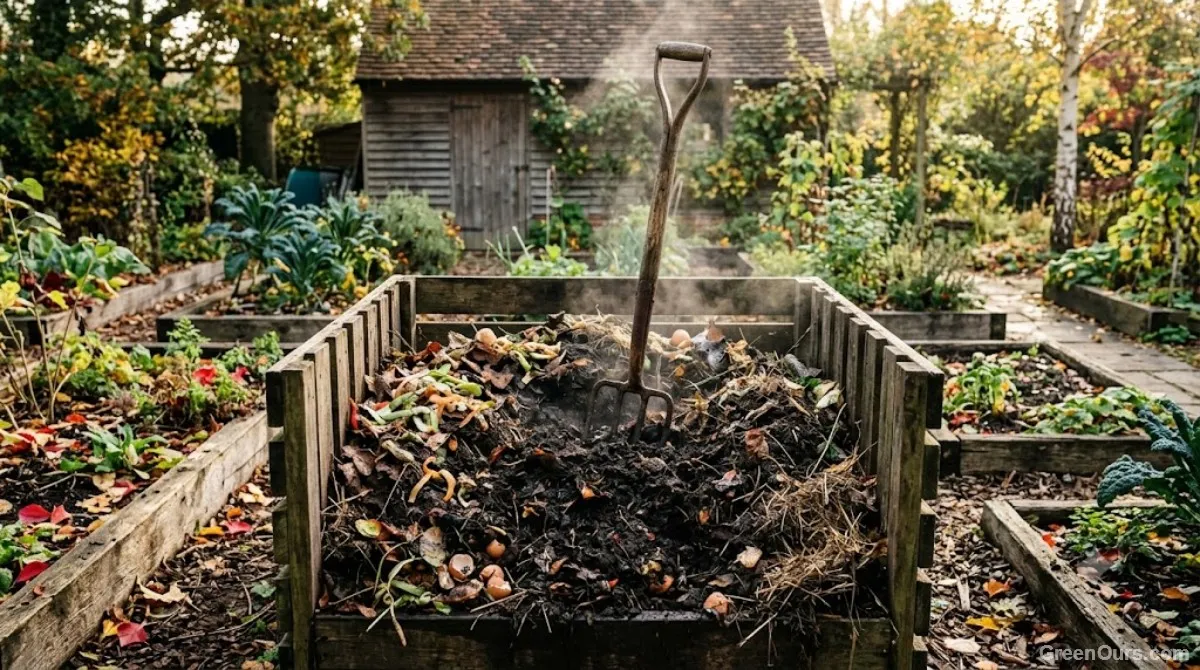
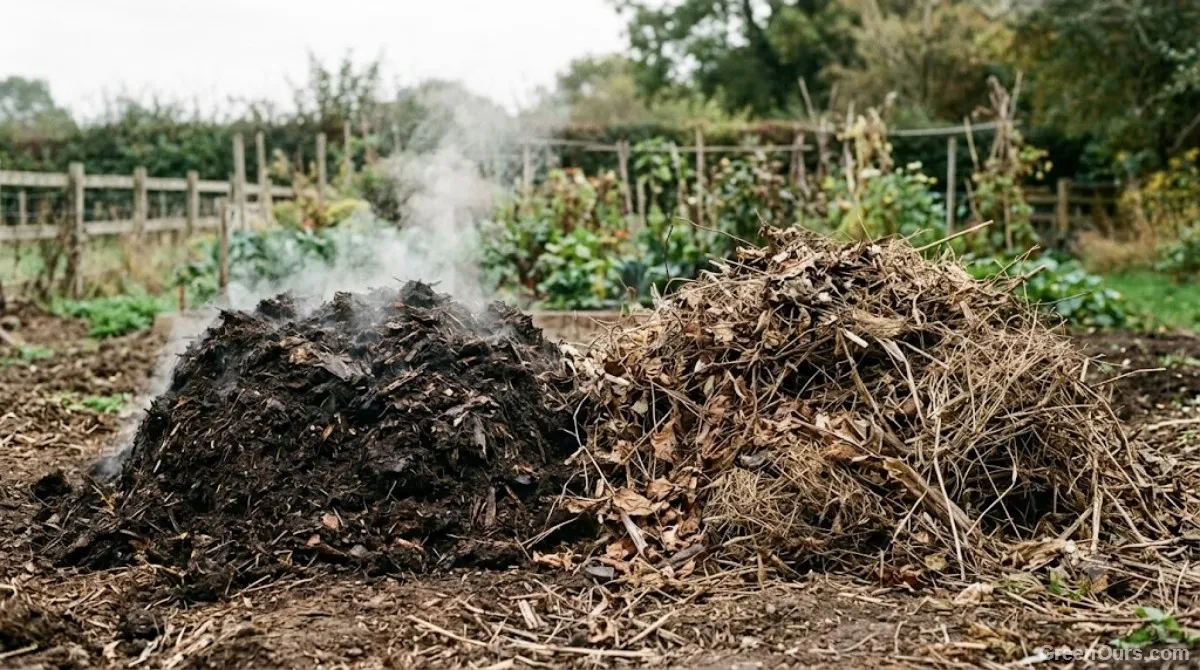
This is usually where the confusion starts, because most people don't realize they're comparing two different methods when they compare timelines. Hot composting, where you're actively managing a pile with the right ratio of materials, enough volume, and regular turning, can produce usable compost in four to eight weeks. The pile heats up internally, sometimes past 130°F, and that heat is what accelerates everything.
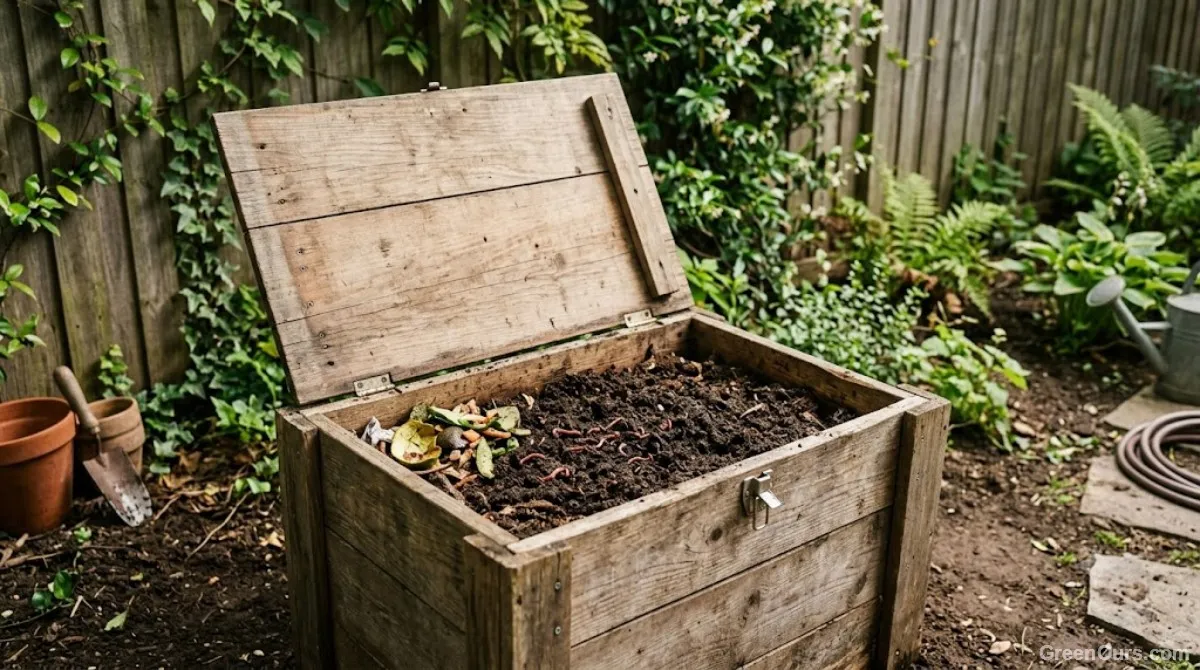
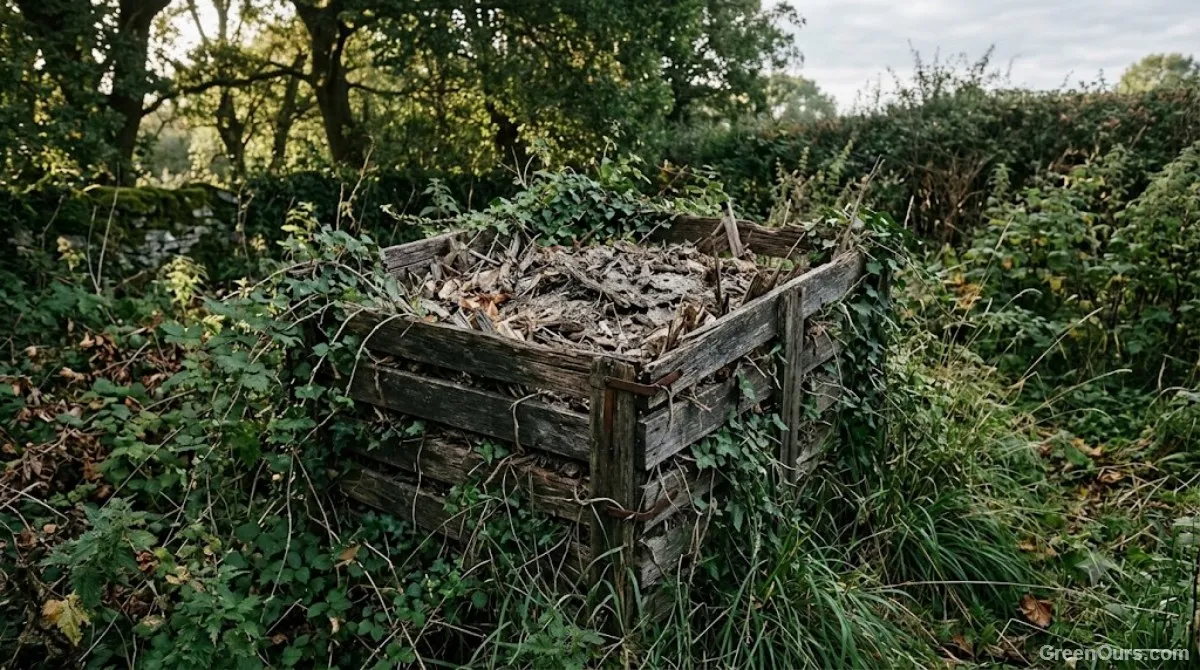
Cold composting is the version most beginners land in without meaning to, myself included. You add scraps and yard waste as they come, you don't turn it religiously, and you let nature take the slow route. That's not a failure. It's just a six-month-to-a-year process instead of a two-month one. If your pile is cold composting, expecting hot-composting speed is where most of the frustration comes from. I didn't choose cold composting on purpose — it chose me, one forgotten turn at a time, and it turns out that's a completely normal way to end up here.
What Speeds Things Up
A few habits consistently shorten the timeline, and none of them require special equipment or a bigger budget — just a little more attention than a pile you're ignoring in the corner.
Chopping Things Smaller
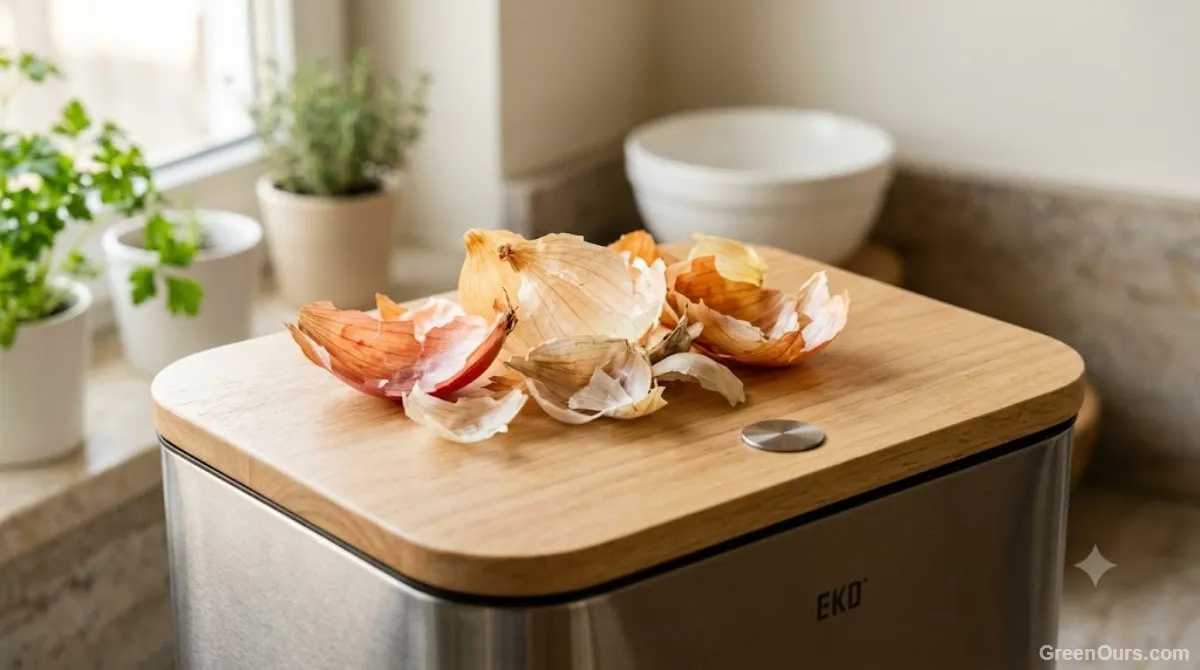
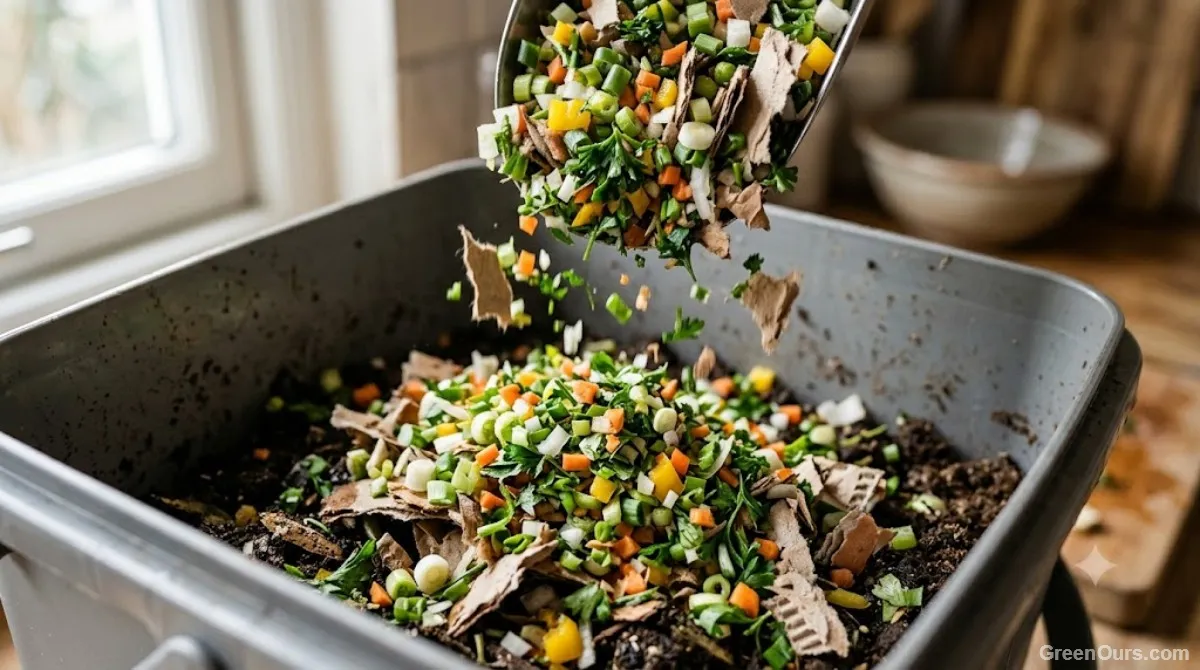
Microbes can only break down what they can get to, and surface area matters more than most beginners expect. A whole banana peel might sit around for weeks. The same peel torn into three pieces disappears noticeably faster. This goes for cardboard, too — shredded scraps of a cereal box break down faster than one folded-up flat sheet sitting at the bottom of the bin. It sounds almost too simple to matter, but a few extra minutes with a knife or your hands before anything goes into the bin can shave real weeks off the wait.
Keeping It Moist, Not Soggy
Decomposition slows dramatically in a bone-dry pile, but it can also stall in a waterlogged one where airflow gets choked out. You're aiming for the texture of a wrung-out sponge. In a dry spell, a light watering every week or so keeps things moving. After heavy rain, a layer of dry leaves or shredded paper on top helps soak up the excess. It's less about precision and more about paying attention every so often — a quick squeeze test tells you everything a moisture meter would.
Turning the Pile
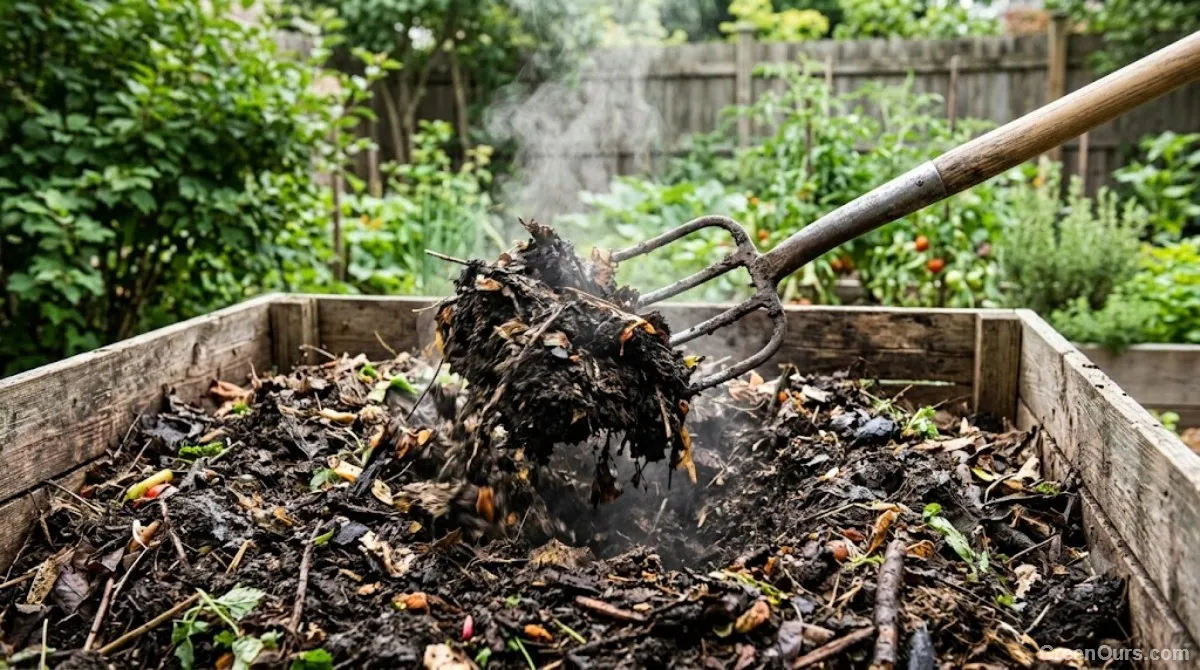
Turning introduces oxygen, and the microbes doing the actual work need oxygen to stay active. A pile that never gets turned can still finish, it just takes considerably longer because those microbes are working with less air to breathe. Turning every one to two weeks is enough to make a real difference without becoming a weekend obligation. Even an imperfect turn, just breaking up the top few inches, gives the pile more air than leaving it completely alone.
What Quietly Slows Things Down
Some habits stretch out the timeline without anyone noticing until months later. A pile that's too small struggles to hold heat, since there simply isn't enough mass to insulate itself, which is part of why a bin smaller than about three cubic feet tends to move slowly no matter what you feed it. Too many browns without enough greens — think a mountain of dry leaves with barely any kitchen scraps — leaves the pile short on the nitrogen microbes need to work efficiently. And cold temperatures outside naturally slow microbial activity, which brings us to timing. A pile that's constantly disturbed by curious pets or wildlife can lose heat just as fast as it builds it, which resets progress more often than people realize. None of these slowdowns are permanent — they're just part of the process working itself out at its own pace.
Where the Season Comes In
A pile started in late spring has a real advantage over one started in November. Warmth speeds decomposition, so summer months often show visibly faster progress than the same pile would make over winter. This doesn't mean winter composting fails. It just slows to something closer to a pause, then picks back up again once temperatures rise. If your pile seems to have stalled completely in January, it's likely resting rather than broken. Even a few weeks of steady warmth can make more visible difference than months of cold, so don't be discouraged if progress feels slow before spring arrives.
How to Tell You're Getting Close
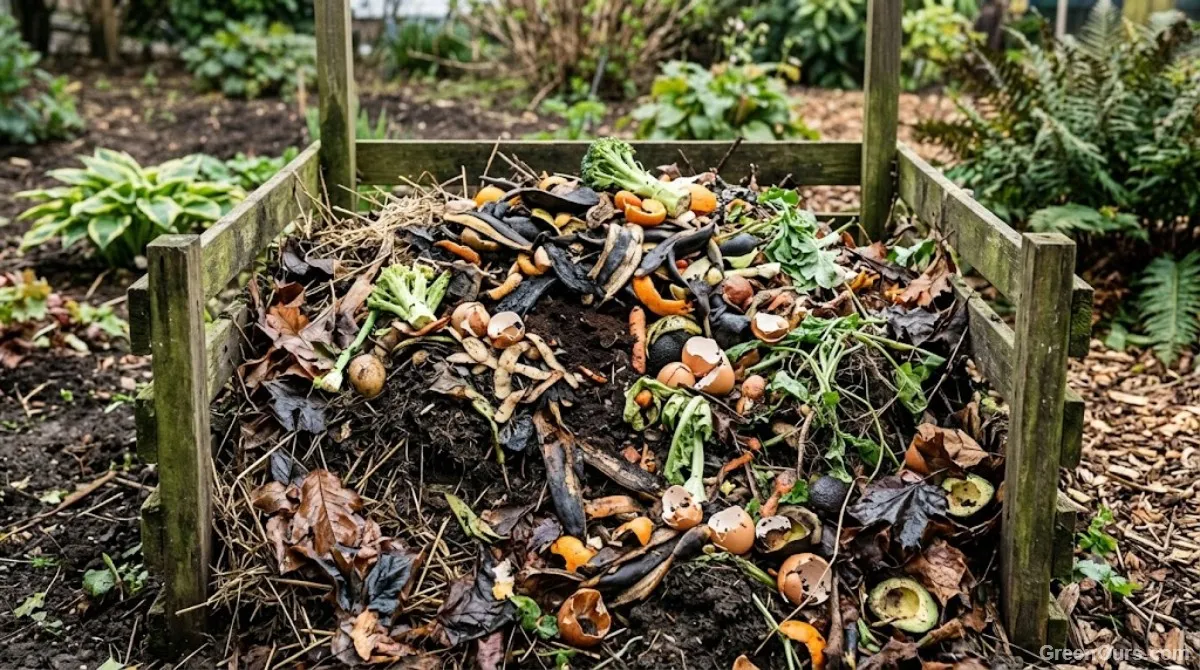
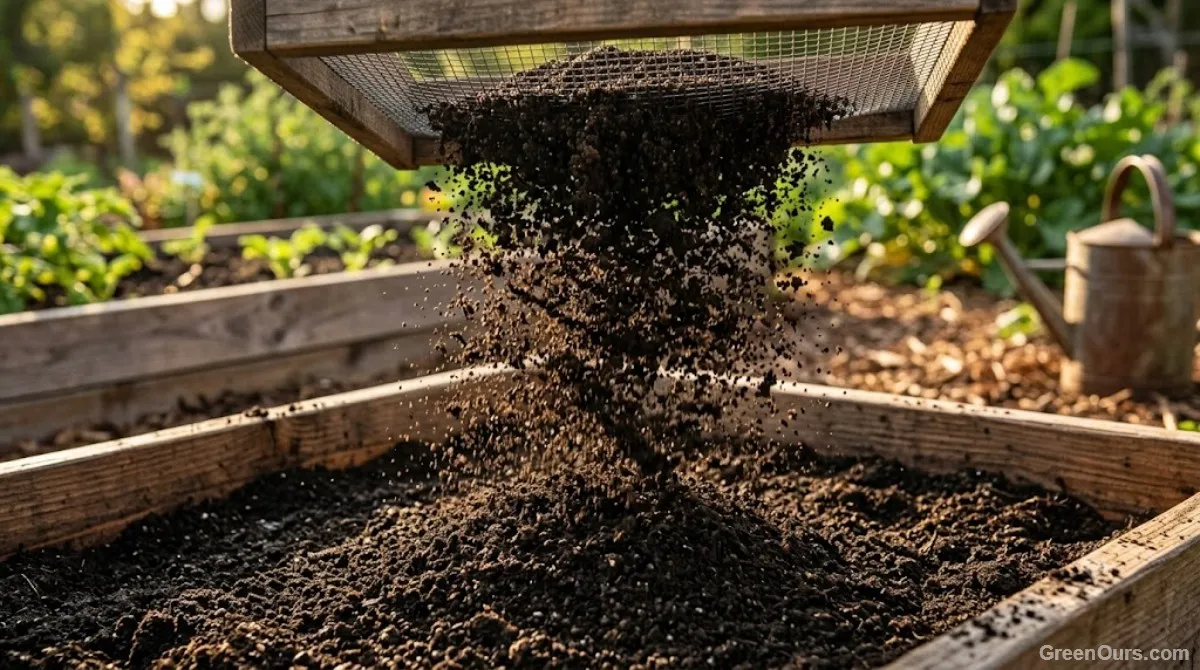
Finished compost has a few reliable signs, and none of them require guesswork. It should smell like damp forest soil, not like anything sour or rotten. The texture should be dark, crumbly, and mostly uniform, with the original ingredients no longer recognizable. If you can still pick out a distinct eggshell or a stubborn avocado pit, it's not quite there yet, and that's fine. Sifting those larger pieces out and tossing them back into a new batch is a normal part of the process, not a sign you did something wrong the first time. The first time I got there myself, I genuinely didn't trust it — it looked too much like store-bought soil to have come out of my own backyard bin.
Curious what else speeds up (or slows down) your compost?
The timeline you end up with says more about your setup than your effort, and there's no version of this that's objectively correct. My own bin is still cold composting a year in, and at this point I've made peace with it — I check in, I turn it when I remember, and it's slowly turning into something my garden will be grateful for. Yours might move faster or slower, and either way, it's working. If nothing else, let this be the permission slip to stop checking the calendar and just let the pile do what it's already doing.