
Why Hosting Turns Into a Waste Problem
Most of the waste from a gathering doesn't come from one big decision. It comes from a dozen tiny ones, made fast, usually while you're also trying to get dinner on the table before anyone notices it's running late. Paper towels instead of cloth napkins, because you don't own enough cloth napkins. Plastic cups, because you're worried about broken glasses on the patio. Disposable everything, because cleanup after guests leave already feels like the least appealing part of your whole week.
None of that makes you a bad host, or a bad person who doesn't care. It makes you someone optimizing for the version of hosting that feels manageable in the moment, and disposables are the fastest shortcut to that feeling. The fix isn't willpower or guilt. It's changing what feels manageable in the moment, so the easy choice and the low-waste choice end up being the same choice.
If you take away one thing, make it this: the goal isn't to never use anything disposable again. It's to make reusable the default and disposable the backup, instead of the other way around. That one mental shift does more work than any single product ever will.
The Borrow-Before-You-Buy Approach
Here's a confession: for years I assumed hosting sustainably meant owning a full matching set of dishware for twelve, which I obviously did not have, so I gave up before I even started. What actually solved it was realizing I didn't need to own anything new at all.
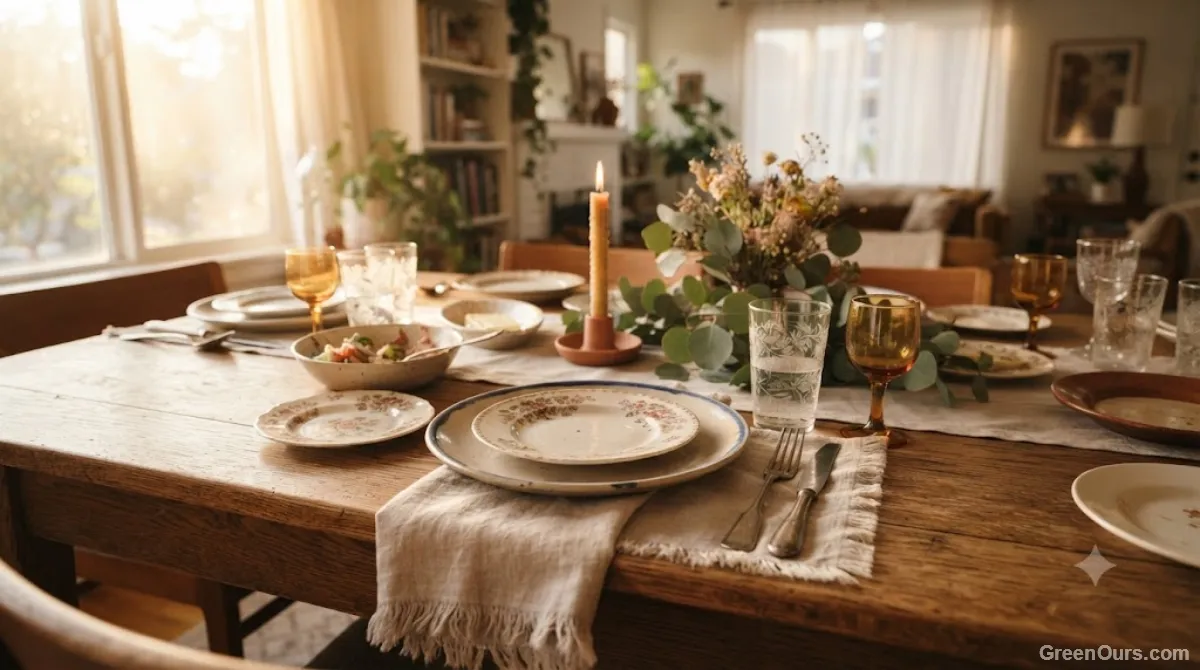
Ask around before you buy anything. A friend with a bigger kitchen probably has extra plates gathering dust in a cabinet somewhere. Community centers, churches, and even some libraries lend out serving trays, folding chairs, and coolers for exactly this reason, usually for free or the price of a small donation. Thrift stores are quietly full of mismatched glasses and side plates for a couple of dollars each, and mismatched actually looks more like a real dinner party than a rental company showed up an hour before your guests did.
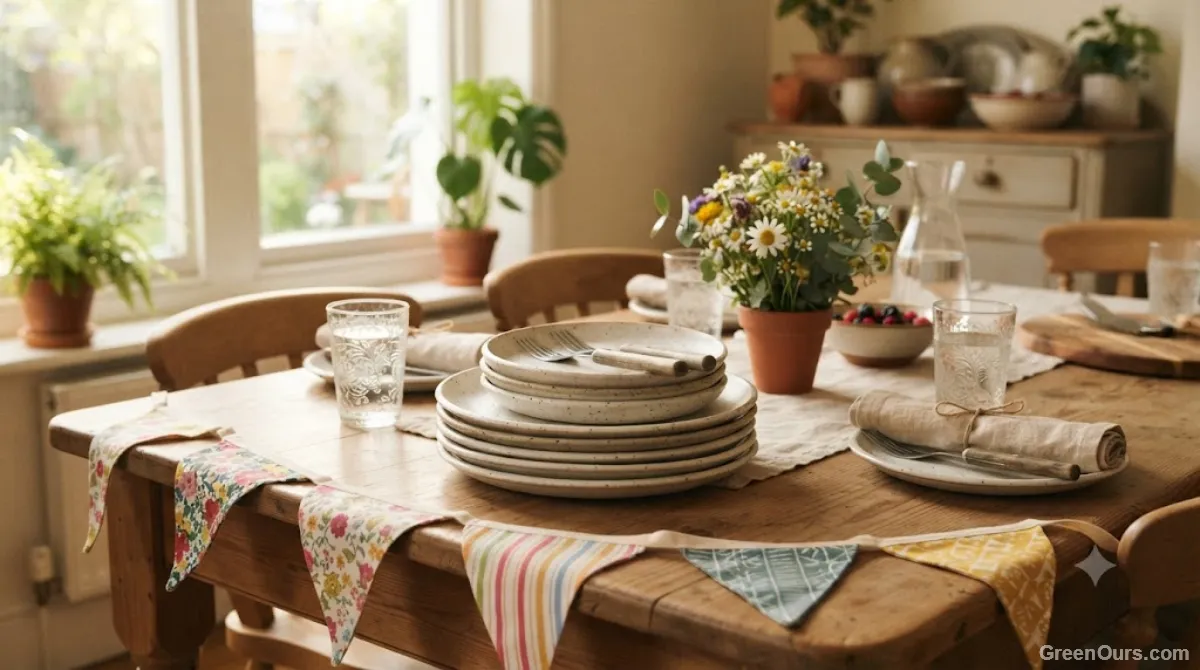
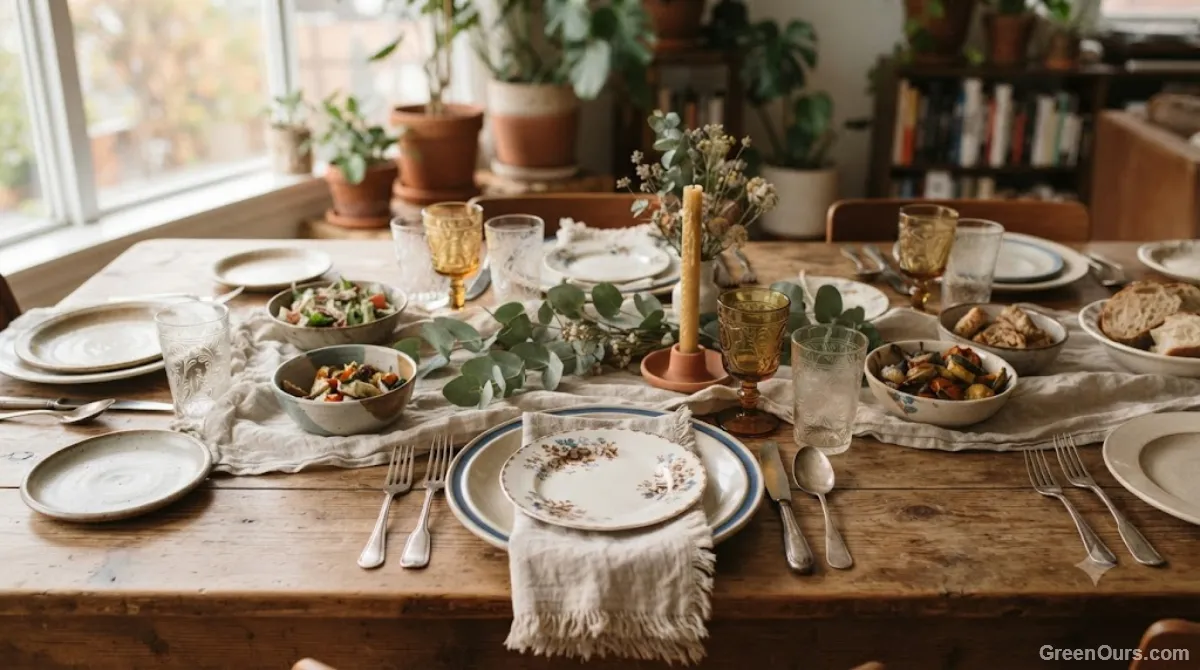
The mismatched thing matters more than it sounds like it should. A table with five different plate patterns reads as charming and lived-in — like a home where people actually eat dinner. A table with twenty identical paper plates reads as an event, even when it's just four people and a pot of pasta. If your goal is a gathering that feels like your home rather than a catered function, secondhand and slightly mismatched gets you there faster than anything brand new could.
Making Reusables Feel Normal, Not Fussy
Dishes and Drinkware
You don't need one plate per guest per course. You need enough plates that nobody's standing around waiting, and a sink you're willing to deal with for about ten minutes partway through the night. Running a quick load of dishes during the lull after appetizers, instead of saving everything for after everyone's gone, changes the whole equation. It stops being one overwhelming task at midnight and turns into two or three small ones spread across the evening.
For drinks, a permanent marker and a basket of mason jars solves the "whose cup is this" problem better than disposable cups ever managed to. Guests write their name on the jar, keep the same one all night, and you're not fishing plastic cups out of every corner of the living room the next morning wondering which ones are even still usable.
Napkins and Table Setup
Cloth napkins get an unfair reputation as fussy or overly formal. They don't need to match each other, they don't need ironing, and a stack of old dish towels cut into squares works exactly as well as anything from a linen shop. Keep a basket of them by the table, toss the whole pile in with your regular laundry the next day, and that's the entire system — no special washing routine, no extra step to remember.
What to Do With the Aftermath
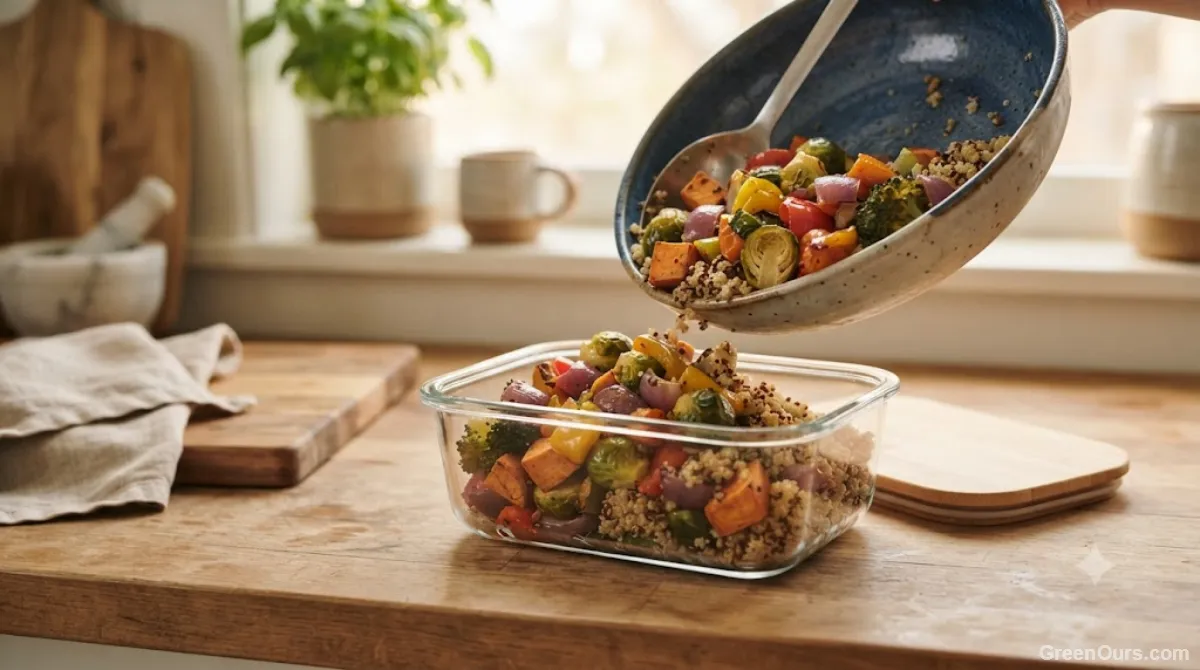
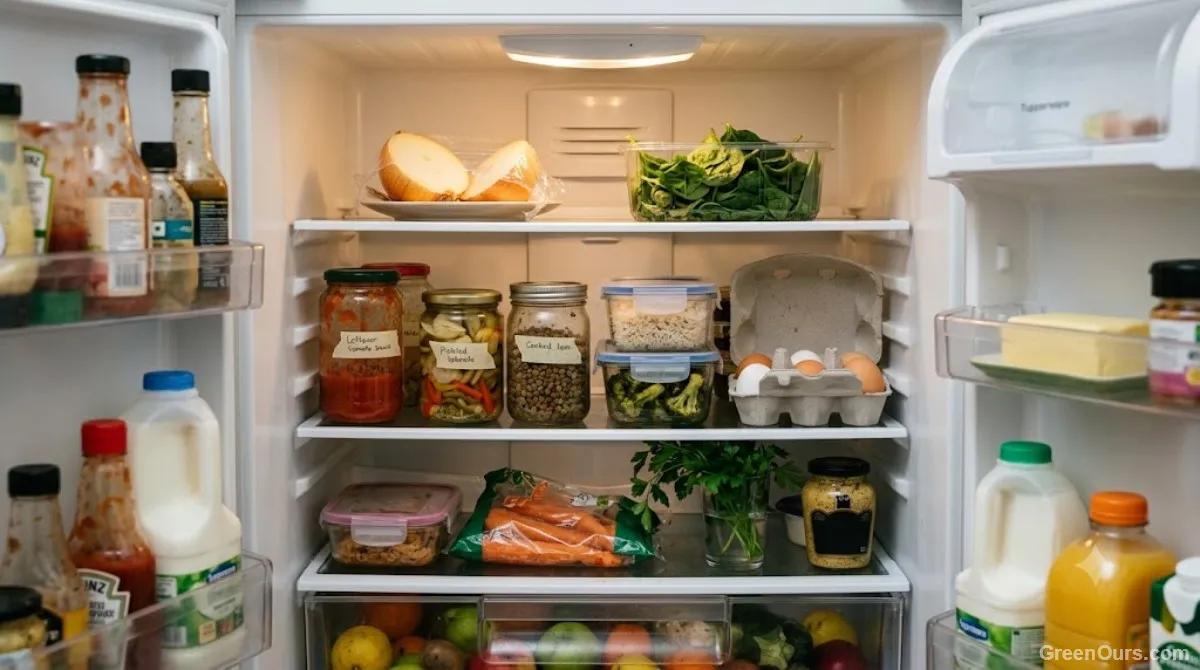
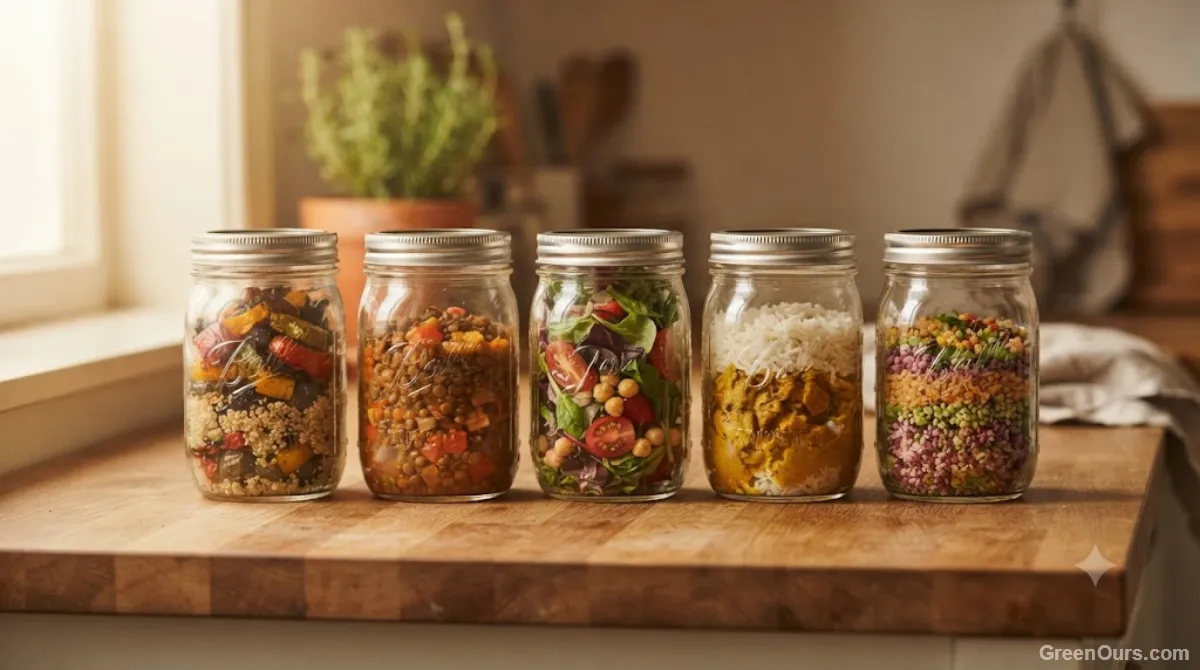
This is the part nobody really talks about: what happens to the food and mess once everyone's actually gone home. Send guests off with containers for leftovers instead of letting good food quietly turn into something sad in your fridge three days later. Keep a small stash of mismatched takeout containers or jars specifically set aside for this — people almost always say yes when you offer, and it means less food waste and less pressure on you to eat the same casserole for a week straight.
For anything that genuinely can't be reused, compost what you can. Food scraps, napkins made from plain paper rather than synthetic blends, and even some uncoated paper plates don't need to go in the regular trash at all if you've got a home compost bin or a local drop-off point nearby. It's a small step, but it quietly catches the stuff that would otherwise slip through.
The One Thing That Actually Changes Hosting Long-Term
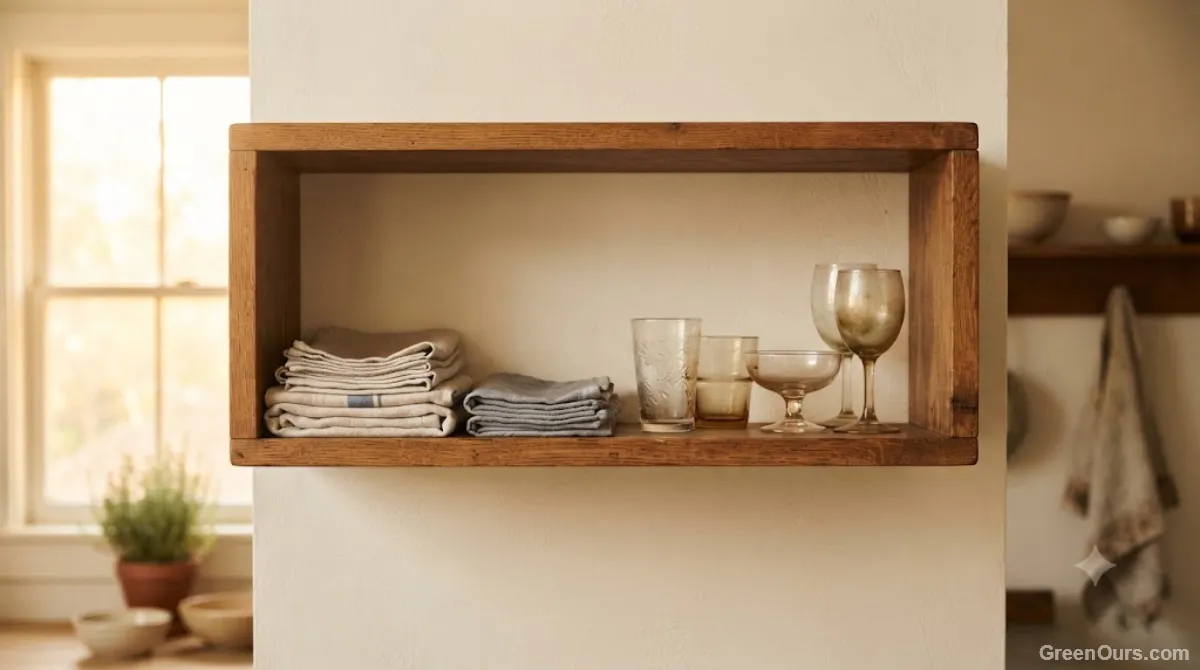
If you only change one habit, make it this one: keep a small hosting kit ready to go, so reusable is always the easy option and never the ambitious one. A drawer with cloth napkins folded and waiting. A shelf with secondhand glasses you never have to hunt for. A basket of jars by the door, ready before anyone even texts to say they're on their way over. When everything's already there, you're not making a values-based decision every single time you host — you're just reaching for what's already in the cupboard.
More low-pressure ways to cut waste at home.
That's really what this comes down to. Not perfection, not a guilt trip over one paper plate, just a slightly different set of defaults that make hosting feel a little lighter instead of heavier — for you, and for whatever's actually left in the bin once everyone's gone home.