
What's Actually Happening to Your Knees
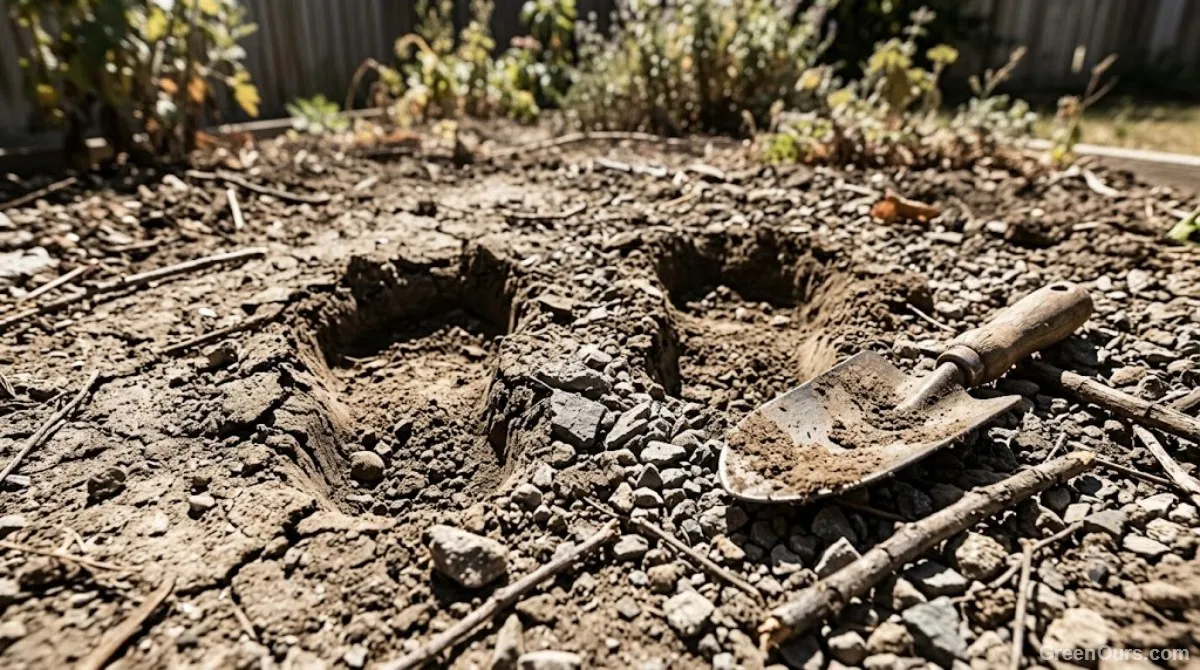
Kneeling concentrates your body weight into a small contact area. Without cushioning, that pressure lands directly on the kneecap and the soft tissue around it. Add hard-packed soil, gravel, or concrete pavers, and the discomfort shows up fast — often within five to ten minutes for anyone doing sustained close-range work like transplanting seedlings or hand-weeding a bed.
A kneeling pad spreads that pressure across a wider surface and adds a compressible layer between your joint and the ground. The right thickness and density reduce peak pressure significantly, which is why the material inside the pad matters more than its color, shape, or brand name.
Foam, Gel, or Folding: The Three Main Pad Types
Closed-Cell Foam Pads
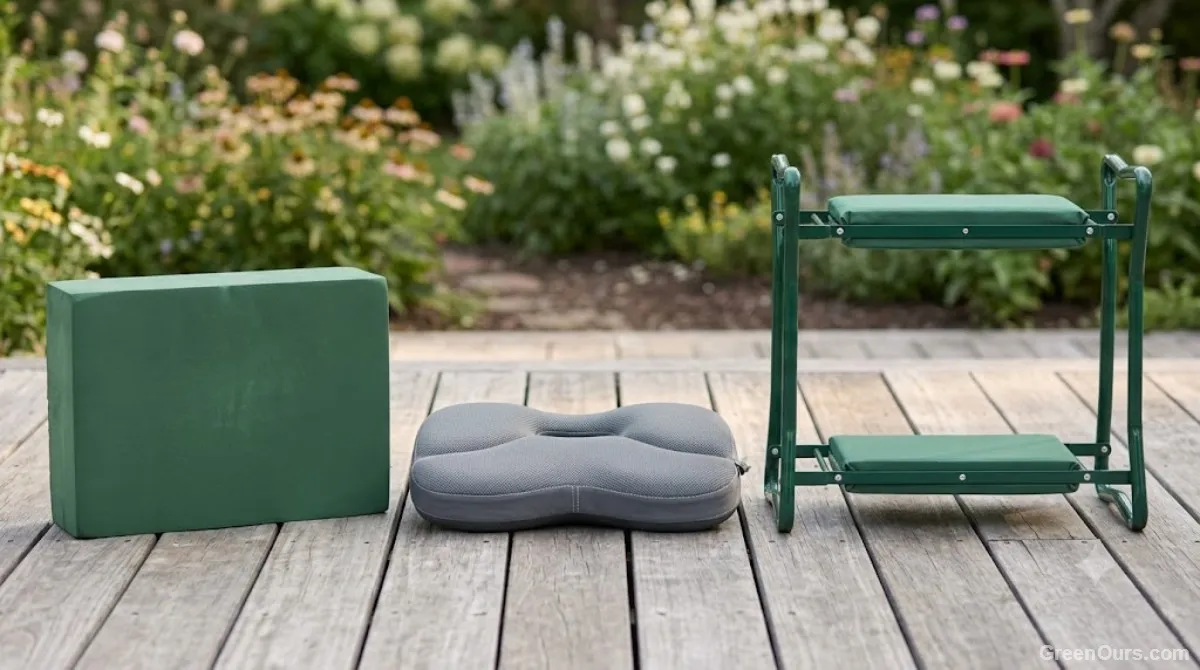
Closed-cell foam — usually EVA or cross-linked polyethylene — is the most common material in garden kneeling pads. It's lightweight, resists water absorption because the cell structure doesn't hold moisture internally, and holds its shape over repeated use. Look for a density rating if the listing includes one; anything below roughly 1.5 lb per cubic foot will compress flat within a season of regular use.
Gel-Core Pads
Gel-core pads use a viscous inner layer wrapped in a foam or fabric shell. They conform more closely to the knee than foam alone, which helps for longer sessions — 30 minutes or more in one spot, like detailed bed edging or hand-pulling weeds. The trade-off is weight and cost. Gel pads run heavier and typically cost two to three times more than a comparable foam block.
Folding Kneeler-Stool Combos
These fold flat as a kneeling pad and convert into a raised seat, with side supports doubling as leverage points for standing back up. They're the best option for anyone managing knee or hip discomfort beyond typical gardening strain, since they reduce the need to kneel at all for many tasks. The trade-off is bulk — they're harder to store and less practical for tight spaces between rows.
If you kneel for more than 20 minutes at a stretch, prioritize a pad at least 1.5 inches thick. Anything thinner compresses under sustained weight and stops providing real cushioning well before the material looks worn out.
Matching the Pad to the Task
Short, frequent kneeling — planting bulbs, spot-weeding, checking soil moisture — doesn't demand much from a pad. A basic foam mat under an inch thick handles this fine and stores easily. Extended, stationary work is where pad choice actually changes your day: hand-weeding a long bed, detailed transplant work, or repairing edging all keep you in one kneeling position for stretches long enough that pressure buildup becomes the limiting factor, not fatigue.
For raised beds and container work where you're kneeling on a hard patio or deck surface rather than soil, add moisture resistance to the priority list even if the surface looks dry — condensation and irrigation runoff collect on hard surfaces in ways that soil absorbs.
Durability and Moisture Resistance: What to Check Before You Buy
Material Density
Higher-density foam resists permanent compression. Press a pad firmly with your thumb before buying, if you can — foam that doesn't spring back within a second or two is already on its way to going flat. Gel-core pads don't have this issue but can develop cold spots or shift unevenly inside the shell after a year or more of heavy use.
Water Absorption
Closed-cell foam and gel cores both resist water absorption by design, but the outer shell fabric is the weak point. A cotton or unsealed fabric cover soaks up moisture and stays damp long after the pad itself dries, which shortens its usable life and can lead to mildew. A coated nylon, PVC, or rubberized shell sheds water instead of absorbing it — check the listing for shell material, not just core material.
Getting the Size and Thickness Right
Most kneeling pads run between 12 and 20 inches long and 10 to 14 inches wide — large enough to support both knees without needing to reposition constantly. Thickness ranges from about 0.75 inches on basic mats to over 2 inches on premium gel and foam models. Thinner pads are easier to carry and stash in a tool bag; thicker pads protect better on hard or uneven ground but add bulk. If you split time between soft garden beds and hard patio surfaces, a mid-range 1.5-inch pad is the more versatile choice than either extreme.
Mistakes That Shorten a Pad's Lifespan
A few habits wear out kneeling pads faster than normal use ever would:
- Leaving it outside between uses. UV exposure breaks down foam and fabric shells over a single season, even on pads rated for outdoor use.
- Storing it wet. Rolling or folding a damp pad for storage traps moisture against the material and accelerates mildew, even with a water-resistant shell.
- Buying based on thickness alone. A thick pad made from low-density foam compresses just as fast as a thin one — density matters more than raw measurement.
- Ignoring the shell for tough ground. On gravel or rough mulch, an unreinforced fabric shell tears well before the foam core wears out.
The right kneeling pad won't make garden work effortless, but it removes the one variable that cuts sessions short for no good reason. Match the material to how long and how often you kneel, check the shell before the core, and store it dry. That's the difference between a pad that lasts one season and one that lasts five.
Get more buying guides for tools that actually hold up in the garden.