
The Core Difference: Chromium Content
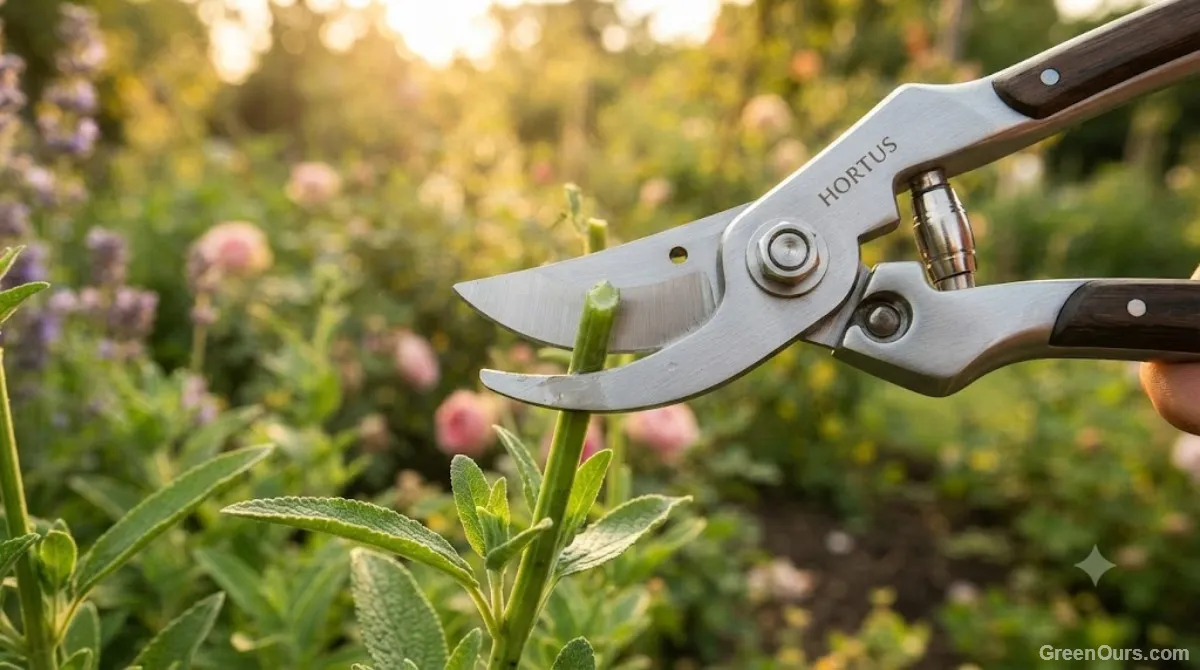
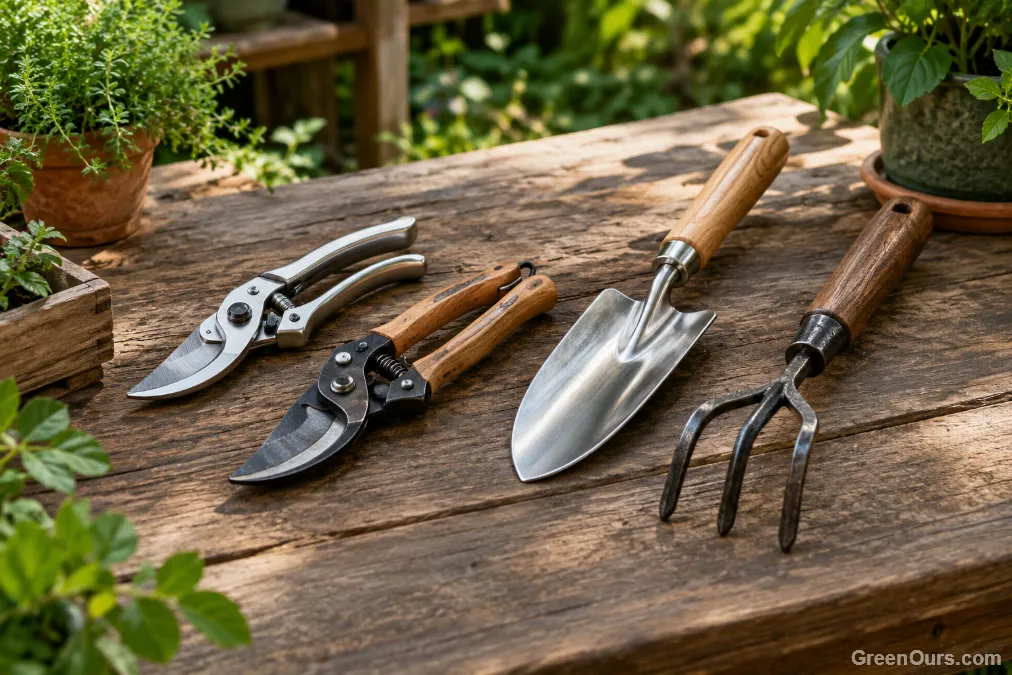
Stainless steel contains at least 10.5% chromium. That chromium forms a thin oxide layer on the surface, which blocks oxygen and moisture from reaching the iron underneath. Carbon steel skips that chromium in favor of higher carbon content, usually between 0.5% and 1.5%. That extra carbon lets the metal be hardened to a finer, harder edge, but it leaves the surface exposed to rust the moment moisture sits on it.
Every performance difference between these two tool types traces back to this single trade-off: corrosion protection versus edge hardness. Neither metal wins outright. Each wins at a different job.
Corrosion Resistance: What Actually Happens in Storage
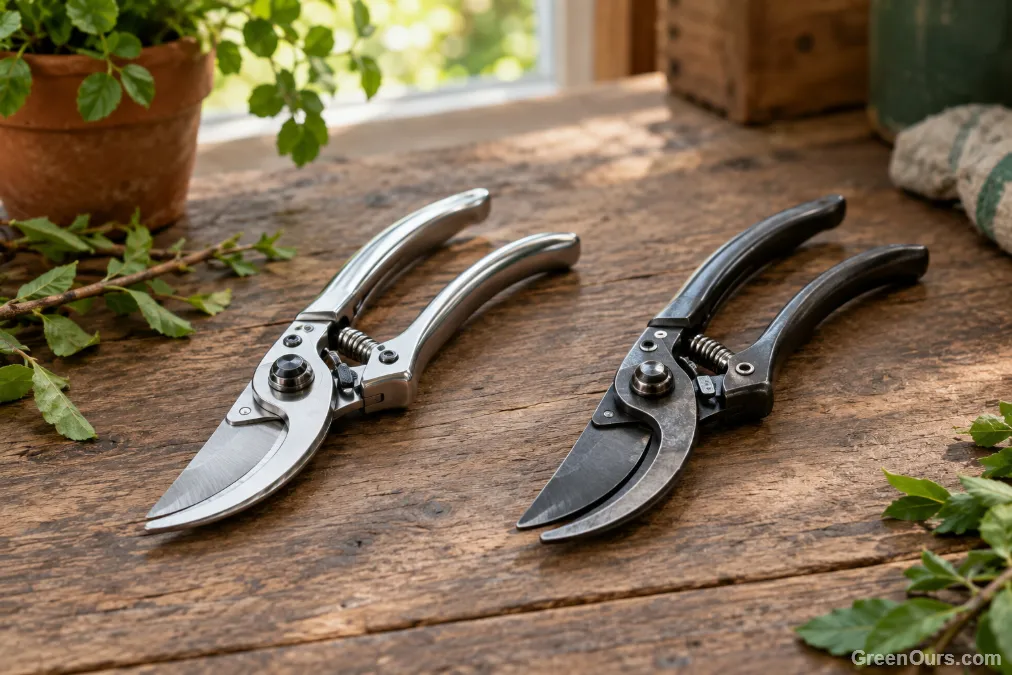
Leave a carbon steel blade damp for 24 hours and surface rust starts forming. Leave it damp for a week without wiping it down, and that rust pits the metal. Once pitting sets in, it doesn't reverse. You can sand it out, but the metal underneath is permanently weakened at that spot.
Stainless steel handles the same scenario differently. It can still develop light surface staining in humid conditions, especially coastal air with high salt content, but it won't pit the way carbon steel does. A stainless blade left in a damp shed for a season will look dull. A carbon steel blade left the same way will show active corrosion.
If you garden in a humid or coastal climate and don't have a dedicated, dry tool storage spot, stainless steel removes one entire maintenance step from your routine. That single factor should weigh heavily in your decision.
Edge Retention: Where Carbon Steel Pulls Ahead
Hardness is measured on the Rockwell C scale. Most carbon steel garden blades land between 58 and 62 HRC. Most stainless steel blades used in garden tools land between 52 and 56 HRC. That five-to-six-point gap translates directly into how long a cutting edge stays sharp under repeated use.
Carbon steel holds its edge through more cuts before it needs a touch-up. Stainless steel dulls faster and requires more frequent sharpening to maintain the same clean cut. For anyone pruning daily during peak season, or working through woody stems and thick canes regularly, that difference adds up across a single afternoon, not just across a year.
Maintenance Requirements Compared
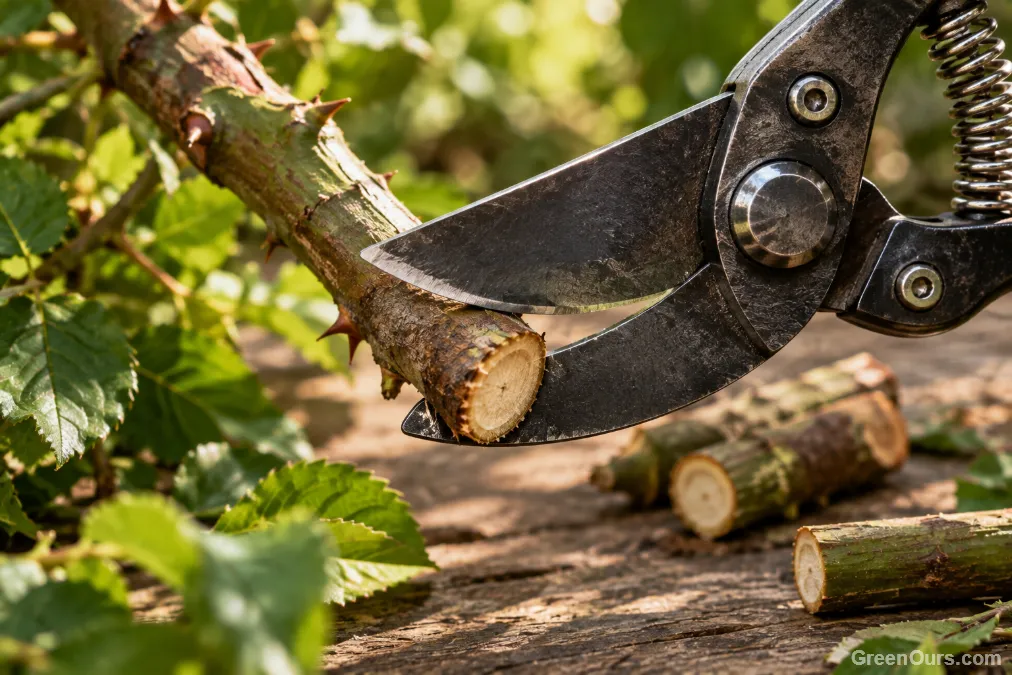
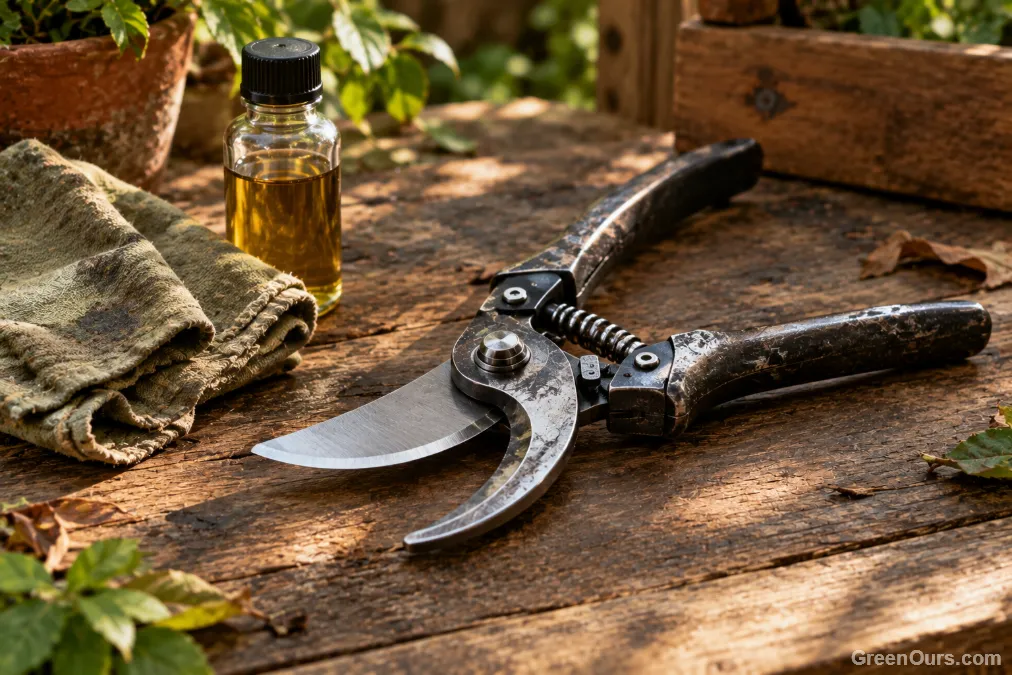
Carbon steel demands a routine. Wipe the blade dry after every use. Apply a light coat of oil before storage, especially before any stretch of days you won't touch the tool. Sharpen more frequently, typically every few weeks during active pruning season. Skip any one of these steps for long and rust takes hold.
Stainless steel asks for less. A quick wipe-down after use is still good practice, but the tool tolerates neglect far better. Sharpening intervals stretch longer between sessions, though each sharpening takes slightly more effort due to the harder-to-remove material at the edge.
Carbon steel that's properly oiled and dried after every single use will often outlast a neglected stainless tool. The metal matters, but consistent habits matter just as much.
Choosing by Climate and Storage Conditions
Humid or Coastal Climates
Choose stainless steel. Salt air and consistent humidity accelerate carbon steel corrosion regardless of how careful your maintenance routine is. Stainless steel absorbs that environmental stress with far less damage.
Dry or Arid Climates
Carbon steel performs well here. Lower ambient moisture means less corrosion risk, so you get the edge retention benefit without paying the rust penalty as heavily.
Heated, Dry Storage Available
If your tools live in a garage or shed with controlled humidity, carbon steel is a reasonable choice almost anywhere. Storage conditions matter more than outdoor climate in this case.
Long-Term Value: Cost Per Year of Use
Stainless steel tools typically cost 15% to 30% more upfront than a comparable carbon steel tool. That gap narrows once you factor in replacement costs. A neglected carbon steel blade that pits within two seasons needs replacing sooner than a stainless blade that simply dulls gradually.
A well-maintained carbon steel tool, oiled and dried consistently, can match or exceed a stainless tool's working lifespan. An inconsistently maintained carbon steel tool will not. Your actual maintenance habits, not just the metal you choose, determine which option delivers better value over five or ten years of ownership.
The Verdict
When comparing stainless steel vs carbon steel garden tools, pick stainless steel if you garden in a humid or coastal climate, don't have consistent dry storage, or want lower maintenance overhead. Pick carbon steel if you prune frequently, work through dense or woody material, and can commit to wiping and oiling the blade after every session.
Neither metal is objectively better. Match the tool to your climate and your actual habits, not to whichever material sounds more durable on the label.
The right blade for your shed depends less on the steel itself and more on where that tool lives between uses. Get that part right, and either metal will serve you for years.
Ready to put that steel to use? See which pruning shears actually cut clean and last.