
Stop Sizing By Capacity Number Alone
Manufacturers print a maximum load capacity on every cart, usually somewhere between 300 and 1,200 pounds. That number describes what the frame and axle can survive under ideal conditions on a flat, hard surface. It does not describe what you'll comfortably haul on grass, gravel, or a sloped path.
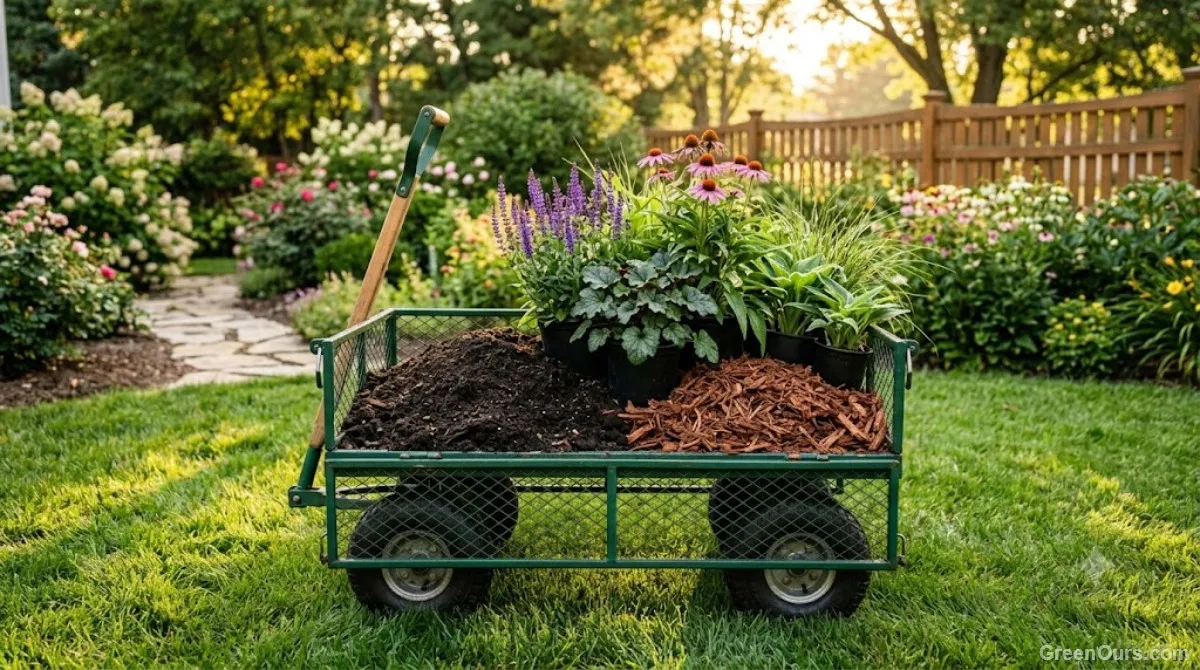
Match capacity to your heaviest routine task, not your heaviest occasional one. If you move bagged mulch and potted annuals most of the season, a 300-to-400-pound-rated cart handles that with margin. If you regularly haul wet compost, paving stones, or firewood, look for 600 pounds or more. Buying above your routine need adds bulk and turning radius you'll fight with every trip.
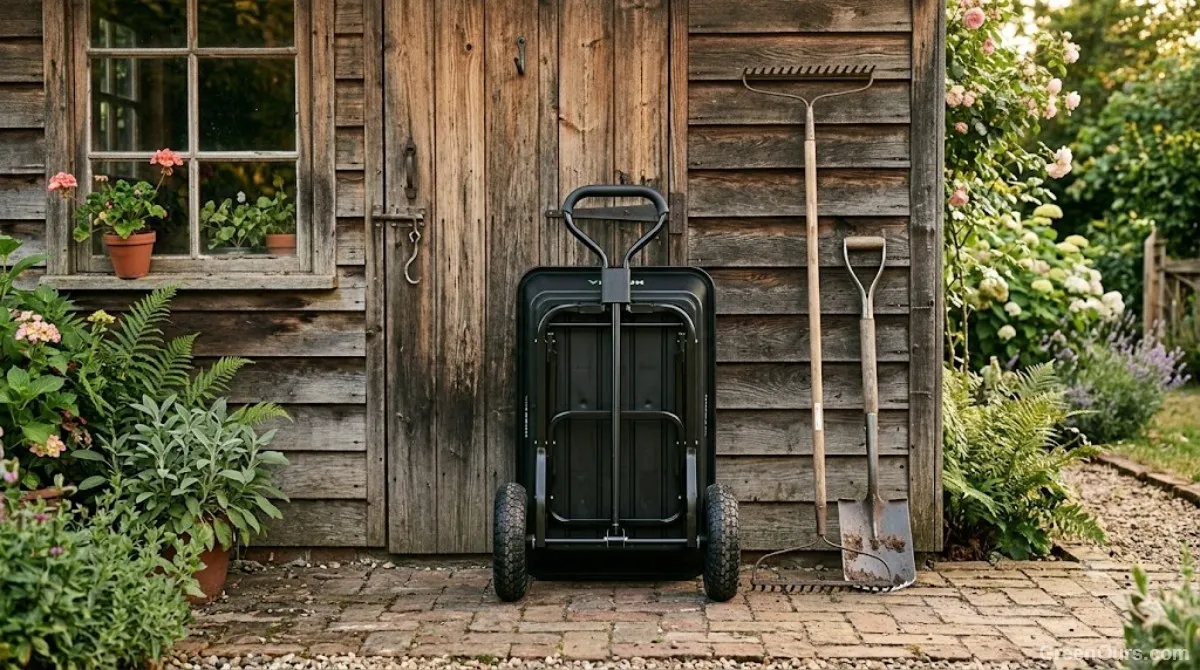
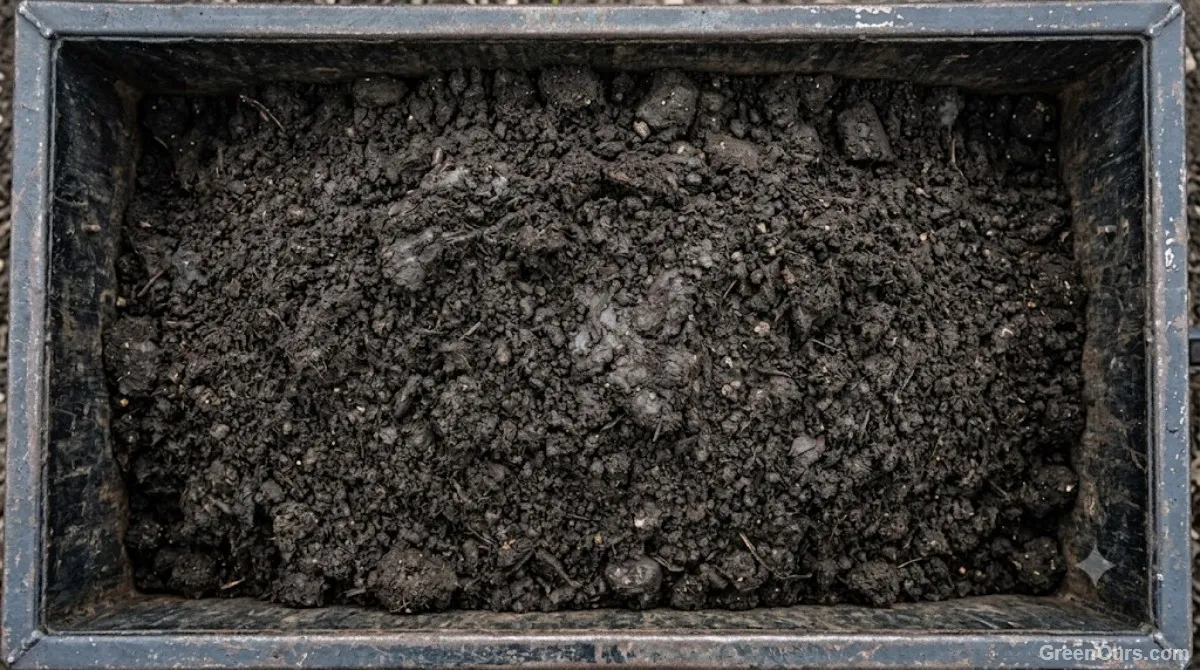
Wet soil and compost weigh roughly 40 to 50% more than the same volume dry. If you're hauling either regularly, size up one capacity tier from what the dry-material math suggests.
Load Capacity: Match Weight, Not Volume
Bed volume and weight capacity are two different specs, and carts often max out one before the other. A 6-cubic-foot poly bed filled with wet topsoil can weigh close to 400 pounds. A cart rated for 300 pounds will hit its limit before the bed looks full.
Check both numbers before buying. Multiply your bed's cubic footage by the density of what you'll haul most: roughly 75 to 100 pounds per cubic foot for moist soil, 40 to 50 pounds per cubic foot for mulch, and 30 to 40 pounds per cubic foot for dry compost. Compare that total against the cart's stated weight rating, not its bed size.
Wheel Design Determines Where the Cart Performs
Pneumatic Tires
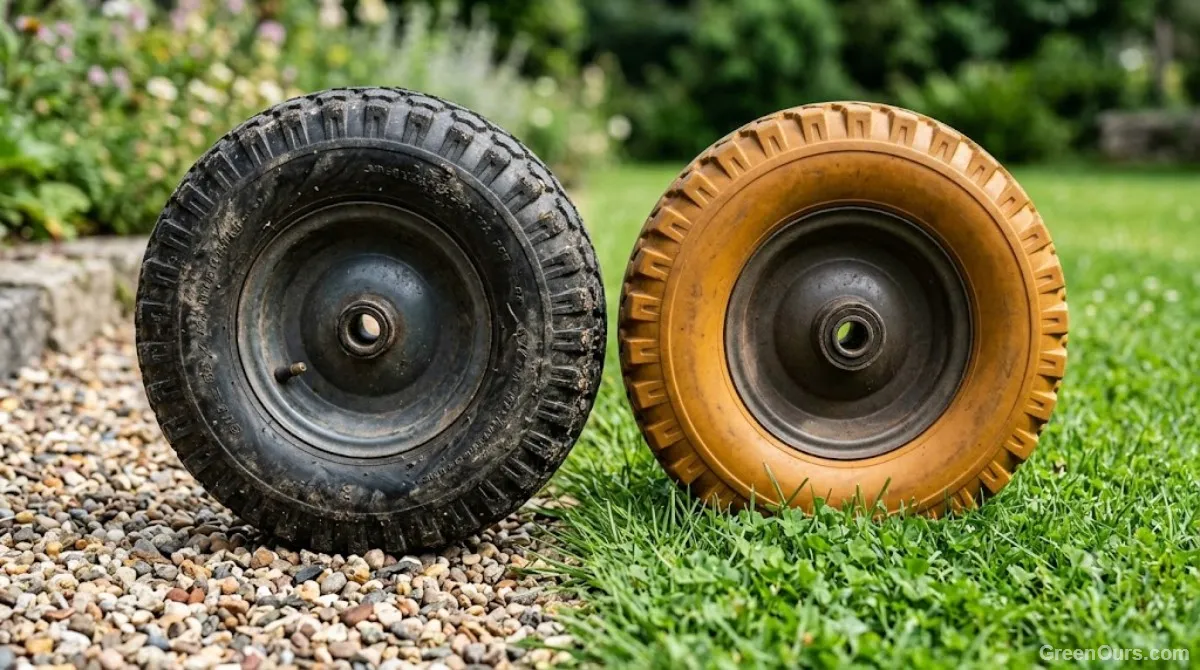
Air-filled pneumatic tires flex over roots, ruts, and loose gravel, which keeps the cart rolling instead of stalling. They handle uneven yards and sloped paths better than any other wheel type. The tradeoff: they lose pressure over time and can puncture on thorny debris or sharp gravel.
Solid Poly Tires
Solid poly wheels never go flat and need no maintenance, which makes them a reasonable choice for flat, paved, or well-mulched paths. They transmit more vibration over rough ground, which matters if you're hauling anything fragile, like seedling trays or stacked pots.
Flat-Free Foam-Filled Tires
Foam-filled tires split the difference: puncture-proof like solid poly, with a softer ride closer to pneumatic. They cost more upfront and weigh slightly more per wheel, but eliminate the single most common cart complaint, a flat tire mid-season.
Frame Material: Steel, Poly, and Aluminum
Steel frames and steel beds carry the highest weight ratings and resist puncture from sharp tools or firewood edges. They're also the heaviest to maneuver empty and will rust if left uncovered through wet seasons, so they need a dry storage spot or periodic touch-up paint.
Poly beds resist rust entirely and clean off compost and mud with a hose in under a minute. They flex slightly under heavy point loads, like a single large rock, which can stress the mounting hardware over time if it happens repeatedly.
Aluminum frames cut weight by roughly 30% compared to steel at a similar capacity, which matters if you're the one lifting the empty cart over a curb or step. Expect a higher price for that weight savings, and slightly lower capacity ratings at the same frame size.
Bed Type and Wheel Configuration Affect Maneuverability
Two-Wheel Dump Carts
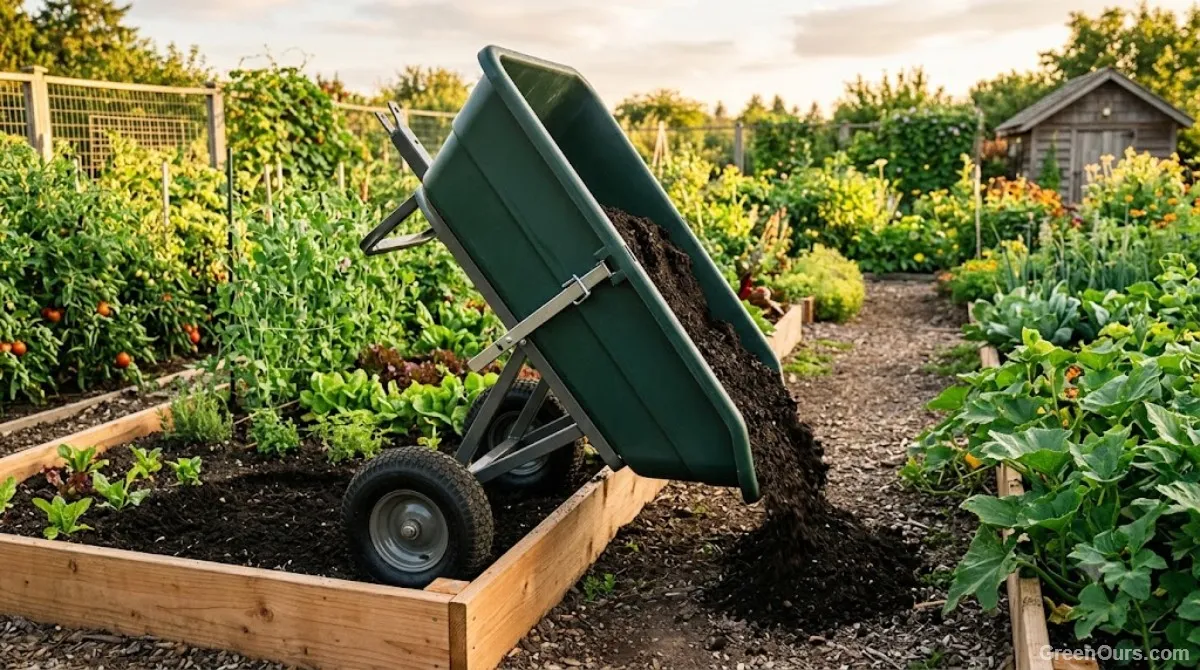
Two-wheel dump carts tip forward or backward to unload without lifting, which saves your back when emptying compost or gravel directly into a bed. They pivot tighter than four-wheel wagons, a real advantage in narrow side-yard paths under 30 inches wide.
Four-Wheel Wagons
Four-wheel wagons distribute weight across a wider base, which keeps heavy loads more stable on slopes and reduces the tipping risk two-wheel carts carry when loaded off-center. They need a wider turning radius, typically 4 to 5 feet, so measure your gates and path widths before buying one.
Common Mistakes When Buying a Garden Cart
Buying based on bed size instead of weight rating tops the list. A large bed filled with a light material, like leaves or bagged mulch, never approaches the weight limit, but the same bed filled with wet soil can exceed it well before it looks full.
Ignoring wheel width is the second common mistake. Narrow wheels, common on budget carts, sink into soft lawn and garden soil after rain. Wheels 3 inches wide or more distribute weight over more surface area and resist sinking.
Skipping a test pull with the cart empty is the third. Push and turn it in the aisle or driveway before buying. If it feels heavy or awkward with nothing in it, a full load will make that worse, not better.
Overlooking storage footprint rounds out the list. A four-wheel wagon with a wide turning radius also takes up more shed or garage space than most gardeners plan for when they're focused on the load rating alone.
Match the cart to your heaviest routine load, not the biggest box in your budget.
The right cart is the one that matches your heaviest routine load, rolls where you actually garden, and fits through your gate without a three-point turn. Get those three things right, and the capacity number on the box becomes a footnote, not the deciding factor.