
Why Heavy Pots Need a Different Solution
Fixed saucers work fine for pots under 20 pounds. Above that threshold, moving the pot means lifting it off the saucer, tilting it, or dragging it across the floor. Dragging scratches hardwood and cracks glazed ceramic. Lifting a 60-pound pot alone is a genuine injury risk, especially with an awkward, off-center grip.
Large specimen plants make this worse. A bird of paradise in a 16-inch pot, a mature snake plant collection, or an indoor olive tree can all cross 50 pounds combined weight easily, before the pot material even factors in. Terracotta adds another 8 to 12 pounds over plastic at the same size.
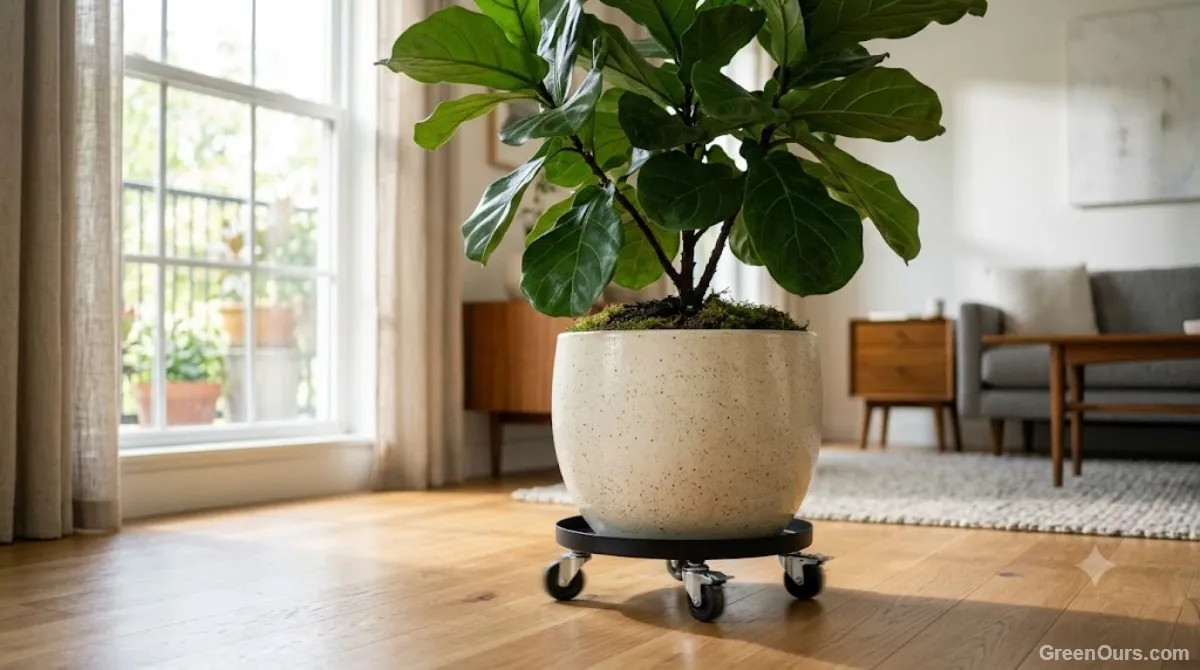
Rolling caddies solve the mobility problem by putting the pot on wheels permanently. You never lift it again — you roll it toward a window in winter, roll it to a sink for a thorough rinse, or roll it aside to vacuum. The trade-off is that the caddy becomes a piece of equipment with its own failure points.
Measure your pot's fully-loaded weight — pot, wet soil, and plant combined — before you shop. Most people underestimate this by 15 to 20 pounds because they forget to account for saturated soil.
Weight Ratings: Read the Fine Print
Manufacturers list two different numbers, and confusing them is the single most common mistake. Static load capacity is how much weight the caddy holds while stationary. Rolling load capacity — sometimes called dynamic capacity — is how much it can safely support while moving, and it's typically 20 to 30 percent lower than the static number.
Budget plastic caddies are commonly rated between 100 and 200 pounds static. Mid-range caddies with steel frames run 300 to 500 pounds. Heavy-duty caddies built for large planters, often with a 14 to 16-inch diameter platform, go up to 660 pounds static. Buy for the rolling number, not the static one, and leave at least 25 percent headroom above your pot's actual loaded weight.
Wheel Quality Determines Whether It Actually Rolls
Caster diameter matters more than most buyers expect. Wheels under 2 inches catch on carpet edges, thin rugs, and slight floor transitions. Casters at 3 inches or larger roll over those obstacles without effort.
Bearing Type
Ball-bearing casters spin freely for years. Bushing-type casters — the cheaper alternative found on most budget caddies — stiffen within months under sustained weight and eventually seize. If a listing doesn't specify bearing type, assume bushing and expect a shorter usable life.
Locking Casters
At least two of the four wheels should lock. Locking casters keep the caddy from creeping on uneven flooring or gentle inclines like transition strips between rooms. Skip caddies with fixed, non-locking wheels for any pot heavier than 40 pounds — the platform will drift over time even on level floors.
Wheel Material by Floor Type
Hard rubber or polyurethane wheels roll best on carpet and low-pile rugs but can leave marks on vinyl. Soft rubber or TPR wheels protect hardwood, laminate, and tile, and are the safer default if you're rolling across multiple floor types in one home.
Floor Protection: Preventing Scratches and Water Rings
A caddy solves the lifting problem but introduces a new one: constant wheel contact with your floor. Look for non-marking wheel compounds, labeled as such by the manufacturer — this isn't cosmetic, it's a chemical property of the rubber that prevents black scuff transfer onto light-colored flooring.
The platform needs a raised lip of at least half an inch to contain drainage water. Without one, overflow runs off the edge and pools under the wheels, accelerating rust on unfinished steel frames and, over repeated exposure, warping hardwood. Stainless steel or powder-coated frames resist this; raw steel does not.
On carpet, the concern shifts from scratching to indentation. Wider wheels distribute weight over more surface area and leave shallower, faster-recovering marks than narrow caster wheels carrying the same load.
When a Fixed Saucer Still Wins
Caddies add height — typically 2 to 4 inches — which can push a tall plant into ceiling or shelf clearance issues, and they add cost, usually $15 to $60 depending on capacity. For a pot that never moves once it's placed, a fixed saucer with a cork or felt base pad does the same job for a fraction of the price.
Skip the caddy for pots under 20 pounds, for permanent floor placements you won't rearrange seasonally, and for narrow hallways or tight furniture arrangements where the extra footprint of a caddy platform won't fit.
Assembly and Long-Term Maintenance
Most caddies bolt together in under 10 minutes with a hex key. The bolts holding the platform to the wheel base are the point most likely to loosen under repeated heavy loads — check and re-tighten them every three to four months with regular use. A loose platform bolt is the most common cause of a caddy that starts to wobble or tilt.
Wipe wheel axles clean of dust and pet hair every few months. Buildup around the axle is the leading cause of a caster that stops spinning freely, long before the bearing itself actually fails.
Choosing the Right Caddy for Your Pot
- Weigh your pot fully loaded, including wet soil.
- Match rolling capacity, not static capacity, with at least 25 percent headroom.
- Confirm caster diameter is 3 inches or larger for mixed flooring.
- Check for a stated non-marking wheel rating if you have hardwood or vinyl.
- Look for a lip of at least half an inch to contain water overflow.
A well-matched caddy earns its cost back the first time you rotate a 60-pound planter without straining anything. Get the weight rating and wheel spec right, and it becomes furniture you stop thinking about — which is exactly the point.
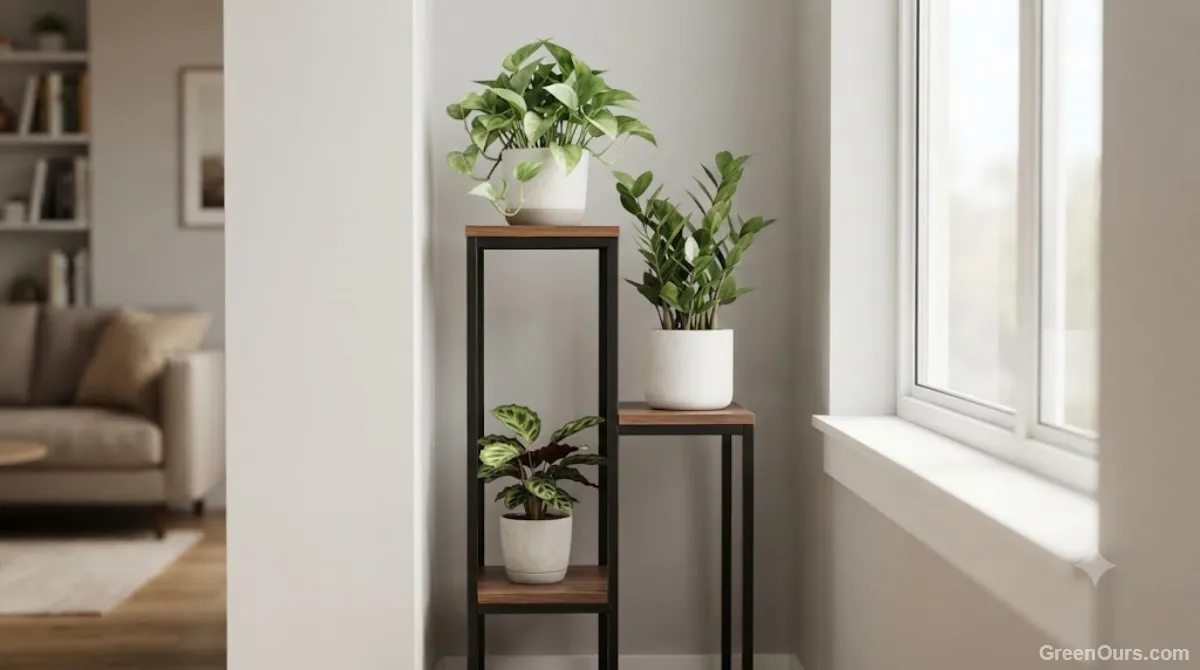
Still working out how to display a heavy pot instead of just rolling it out of the way? See what to look for in an indoor plant stand.