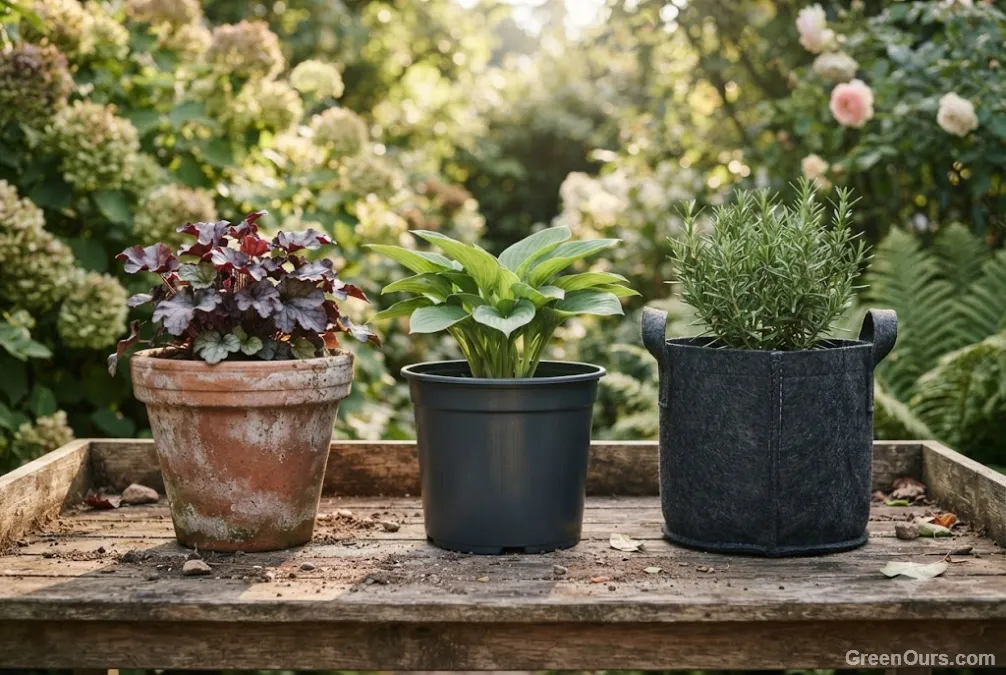

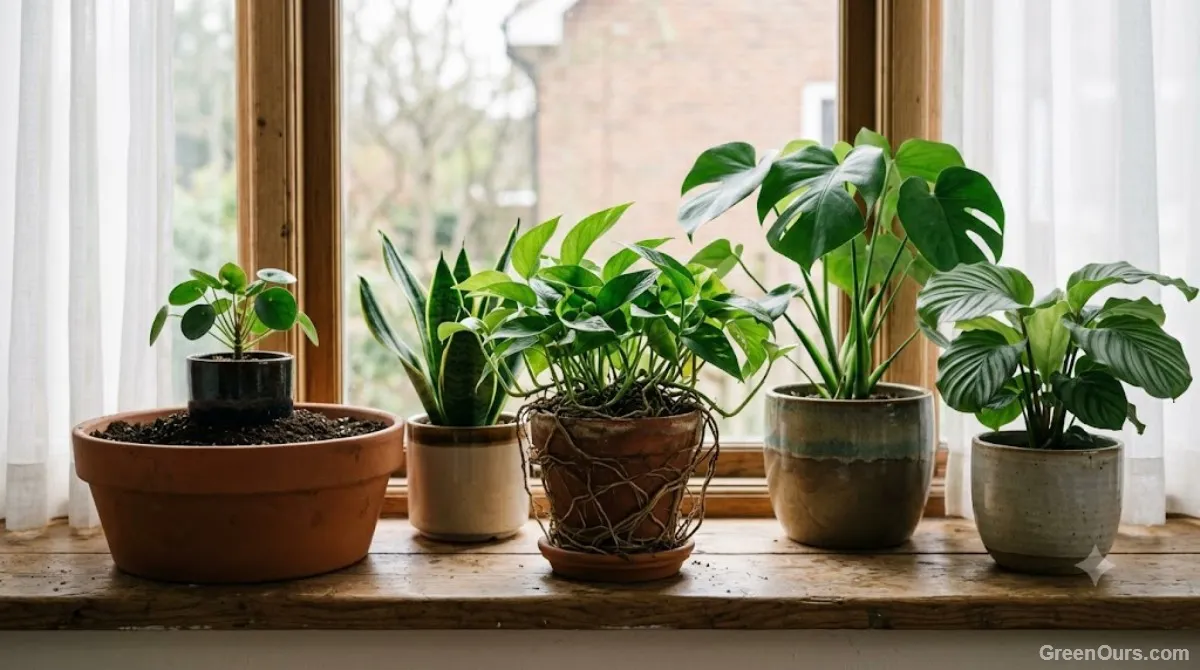
Pot Size Controls Growth Rate, Not Just Root Space
Container volume determines three things at once: how much water the soil holds between waterings, how much oxygen reaches the root zone, and how concentrated nutrients stay in the root ball. Change the pot size and you change all three simultaneously, whether you intend to or not.
A pot that's proportioned correctly lets roots fully occupy the available space within one to two growing seasons. That's the target. Roots that reach the pot's edges and keep growing efficiently signal a well-matched container. Roots that either stall out from lack of room or wander through mostly empty soil without ever reaching the sides signal a mismatch in either direction.
Signs Your Pot Is Too Small
Root-bound plants show a specific pattern. Water runs through the pot almost immediately after you pour it, exiting the drainage holes within seconds instead of soaking in. That's not fast drainage — that's roots so densely packed that water has nowhere to go but around them.
Other signs: roots visible circling the surface of the soil or emerging from drainage holes, a plant that needs watering every one to two days even though the species should tolerate longer gaps, and new growth that's noticeably smaller than growth from earlier seasons. Left unaddressed, circling roots eventually girdle themselves, cutting off their own water and nutrient flow.
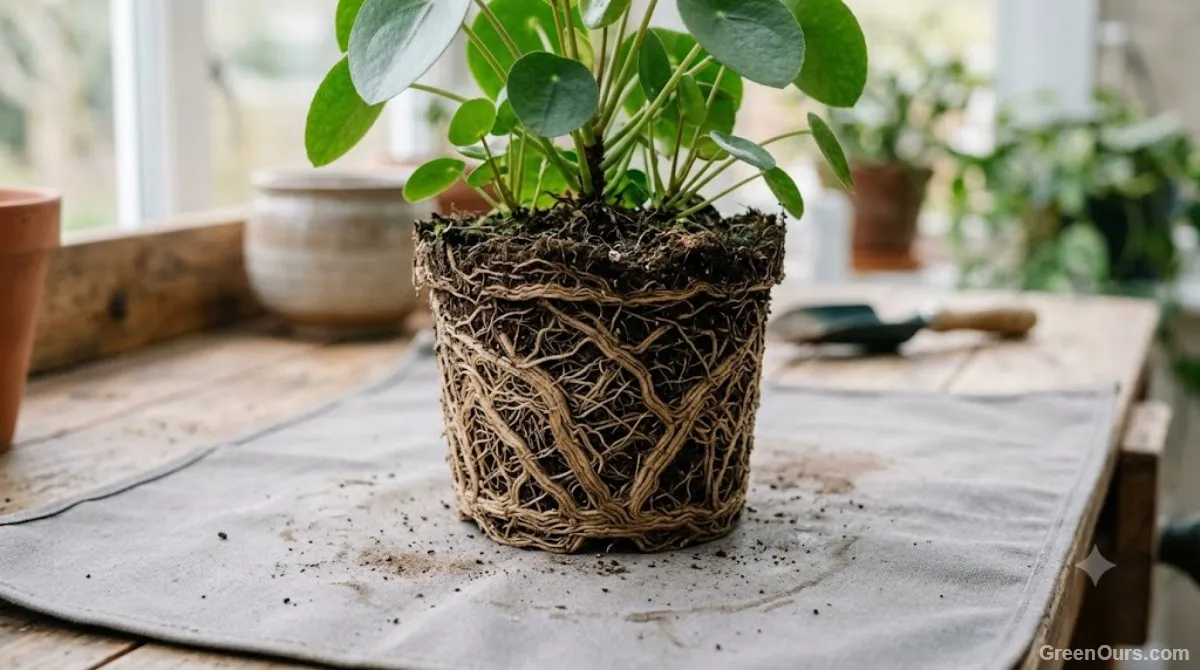
Don't judge pot size by how the plant looks sitting in it. Judge by drainage speed. If water exits the pot in under five seconds, the roots have outgrown the available soil — regardless of how visually proportioned the container appears.
Why Bigger Isn't Automatically Better
Overpotting causes more houseplant deaths than most people realize, because the failure mode is slower and easier to misread as a watering mistake. Excess soil volume around a small root ball holds moisture far longer than the roots can absorb it. That moisture sits, oxygen in the soil drops, and roots begin to rot from the outside in.
There's a secondary effect too: nutrients get diluted across a larger volume of soil, so even with regular feeding, the concentration available to the roots drops. Plants in oversized pots often show slower growth, not faster, because the roots are working to survive standing moisture instead of expanding outward.
Sizing Guidelines by Plant Type
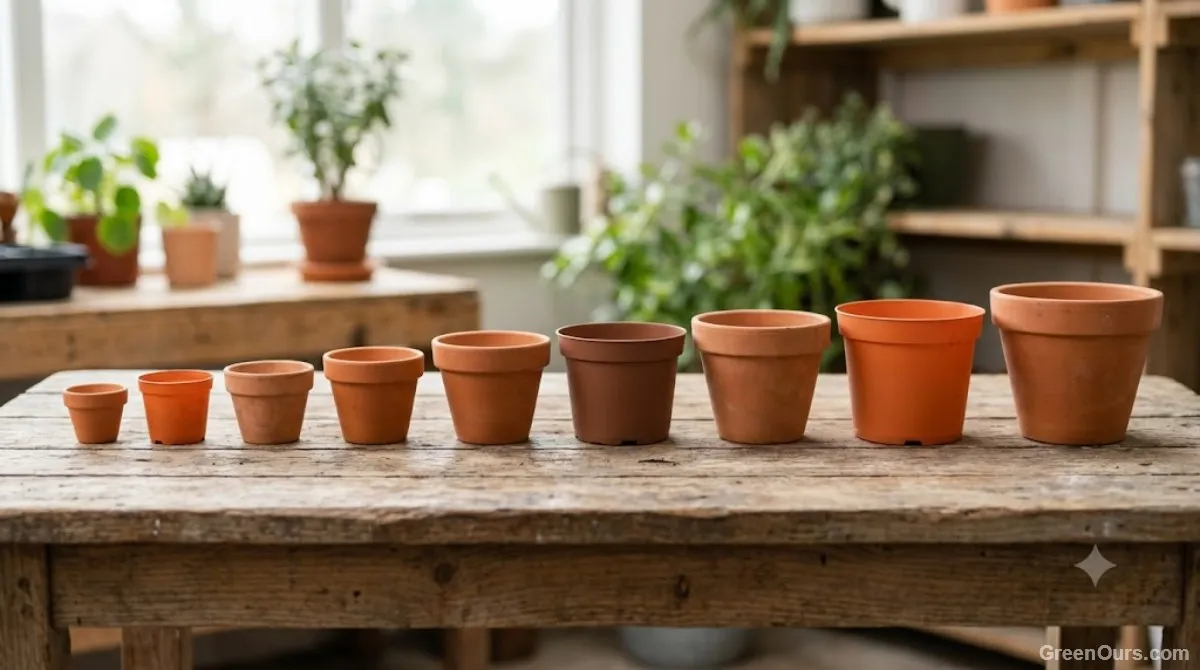
The safest upgrade is one to two inches in diameter beyond the current pot. Jumping from a 6-inch pot to a 12-inch pot doesn't save you a future repot — it introduces a moisture-management problem that outweighs the convenience.
Fast-Growing Tropicals
Pothos, philodendron, and monstera tolerate slightly snug pots well and often grow faster when roots have some resistance. Size up by one inch in diameter roughly every 12 to 18 months, or when roots are visibly circling.
Slow Growers and Succulents
Succulents, snake plants, and ZZ plants prefer pots on the smaller side relative to their foliage. Oversized containers are the single most common cause of succulent rot. Match pot diameter closely to root spread, and prioritize drainage over room to grow.
Flowering Houseplants
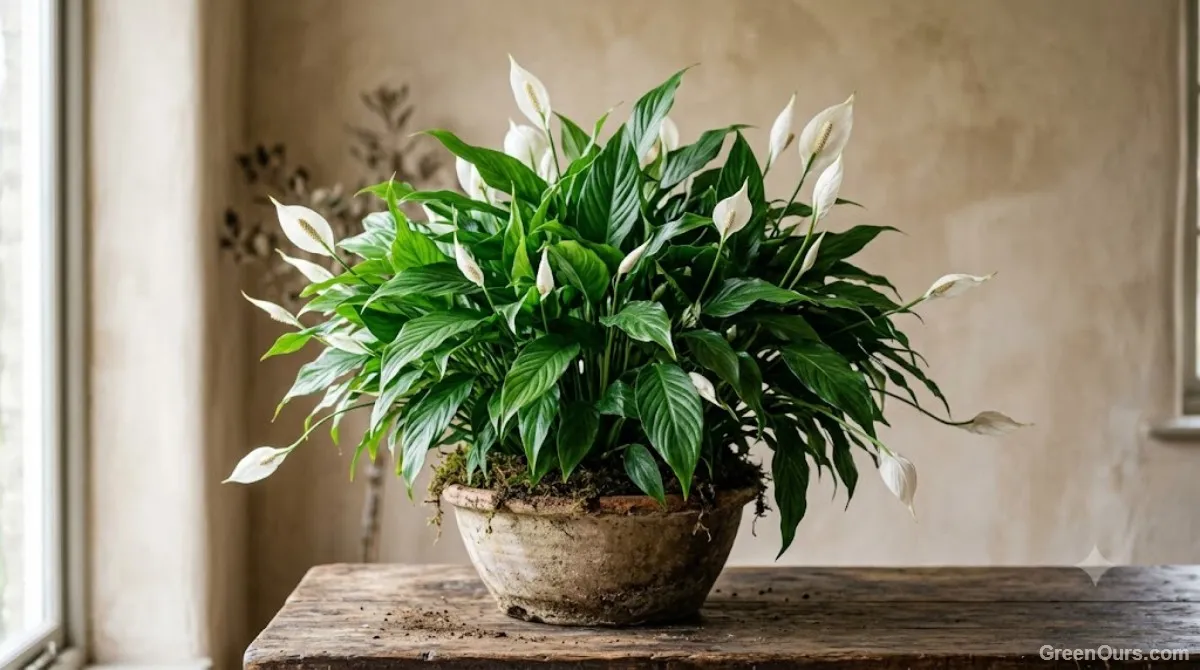
Peace lilies, anthuriums, and African violets bloom more reliably when slightly root-bound. Resist sizing up just because the plant looks large for its pot — check root density first, since blooming often drops after an oversized repot.
Step-by-Step: Sizing Up Without Shocking the Plant
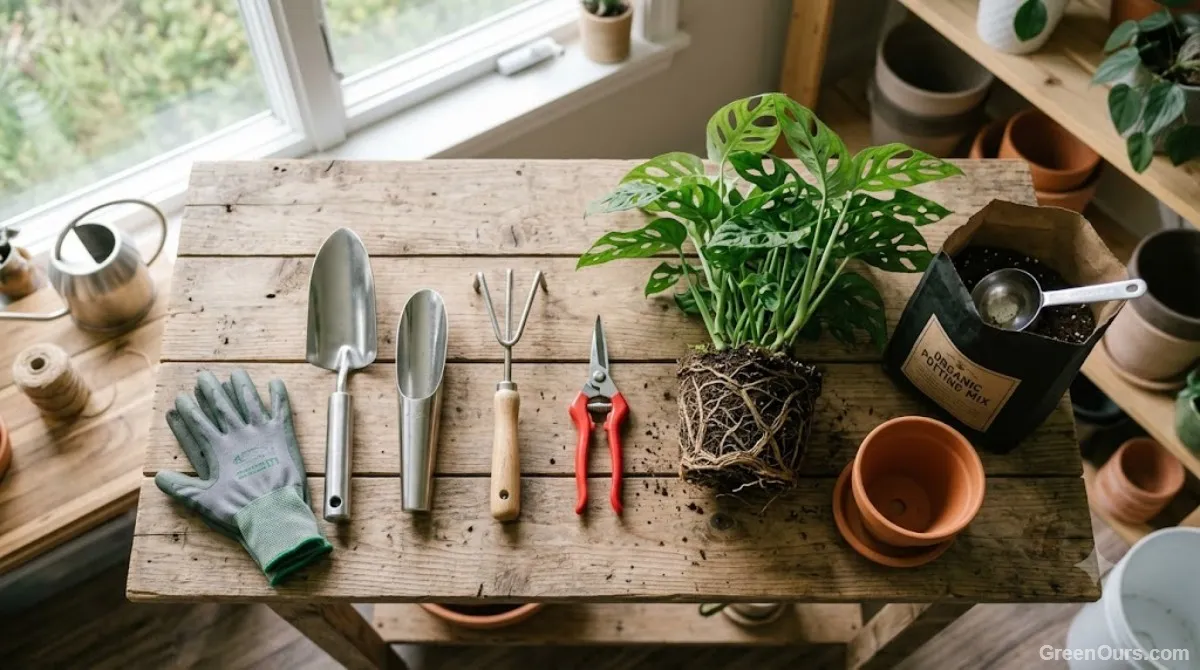
- Remove the plant and check root density. Circling roots at the edges confirm it's time to size up; loose soil with sparse roots means the current pot still has room.
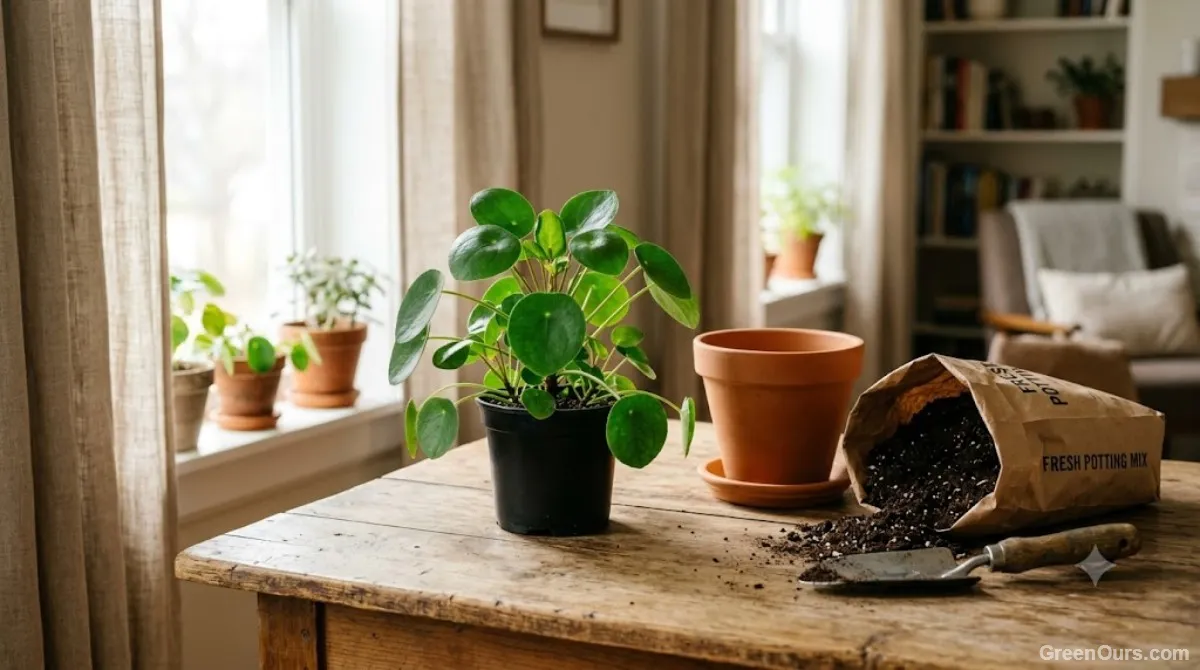
- Choose a new pot one to two inches larger in diameter than the current one. Avoid jumping multiple sizes at once.
- Use fresh, well-draining potting mix suited to the species — don't reuse old, compacted soil.
- Loosen circling roots gently at the base before repotting to encourage outward growth instead of continued spiraling.
- Water thoroughly after repotting, then let the top inch of soil dry before the next watering.
- Monitor for two weeks. Wilting or yellowing shortly after repotting is usually transplant stress, not a sizing error — it typically resolves on its own.
Material and Drainage Change the Math
Pot material shifts how forgiving a given size will be. Terracotta is porous and releases moisture through the walls, which offsets some of the risk of sizing up too aggressively. Glazed ceramic and plastic hold moisture longer, which means sizing mistakes show up faster and more severely.
Drainage holes aren't optional in either case. A well-sized pot without drainage behaves like an oversized pot regardless of its actual dimensions, because excess water has no way to leave the root zone. If a decorative container has no drainage, use it as a cachepot and keep the plant in a properly drained nursery pot inside it.
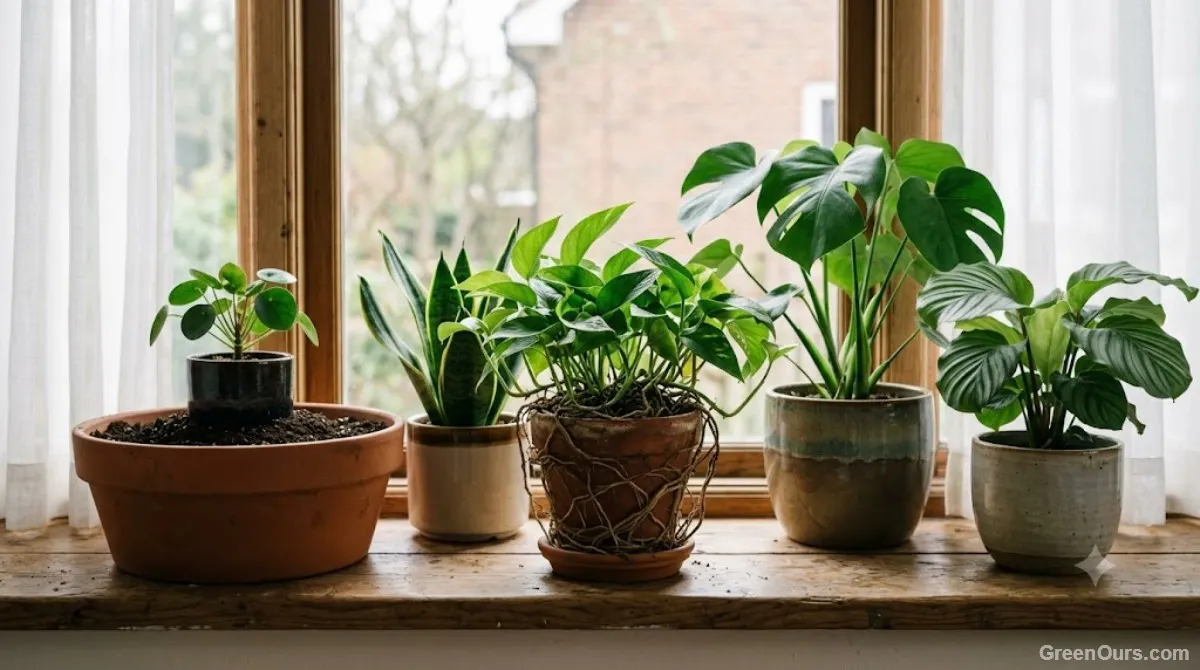
Check root density before assuming a bigger pot is the fix.
Pot size isn't a one-time decision made at purchase and forgotten. It's a variable that needs rechecking as the plant grows, alongside light and watering. Check root density before assuming a new container will fix a problem — in a surprising number of cases, the fix is a smaller pot, not a bigger one.