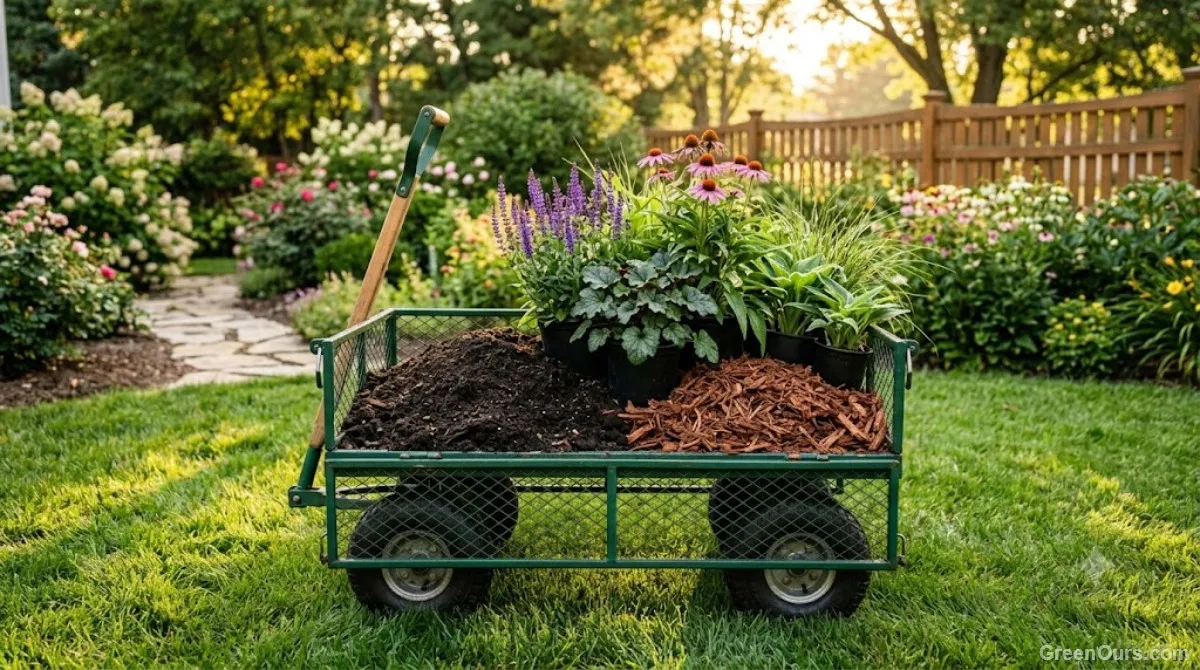

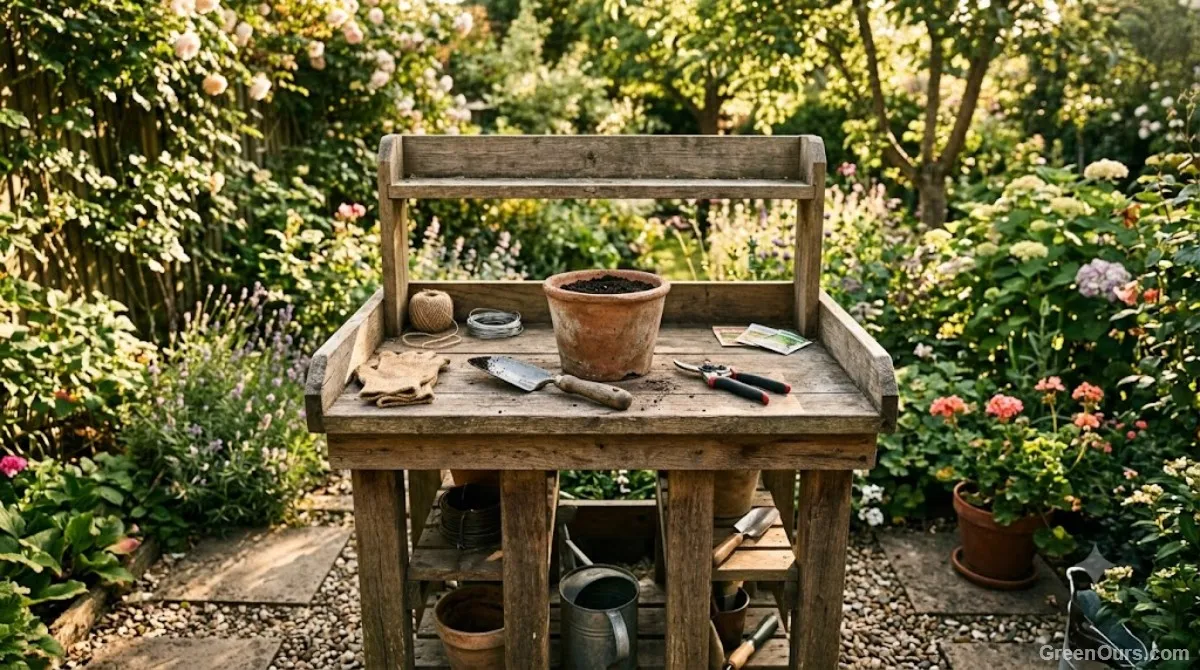
What a Potting Bench Is Actually For
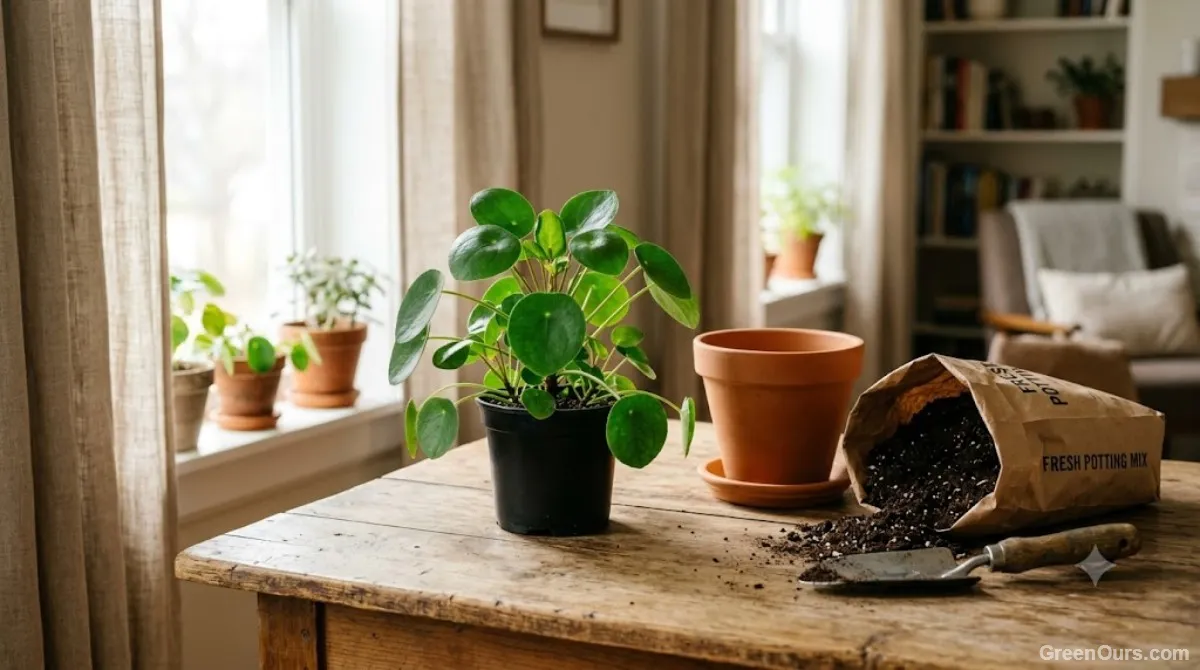
Strip away the marketing photos and a potting bench does three things: it raises your work surface to standing height, it contains soil mess in one spot, and it puts your most-used tools and containers within arm's reach. That's it.
The height matters more than most buyers expect. Repotting at ground level means kneeling, bending, or working on a surface that's the wrong height for controlled pouring and firm tamping. A bench set between 34 and 38 inches puts your hands at a natural working angle, which reduces strain on repetitive potting sessions. If you repot fewer than 10 plants a year, that ergonomic gain is real but small. If you're managing 50 or more containers a season, it adds up fast.
Who Gets Real Value From One
Value here isn't about how much you love gardening. It's about volume and frequency.
Apartment and Balcony Growers
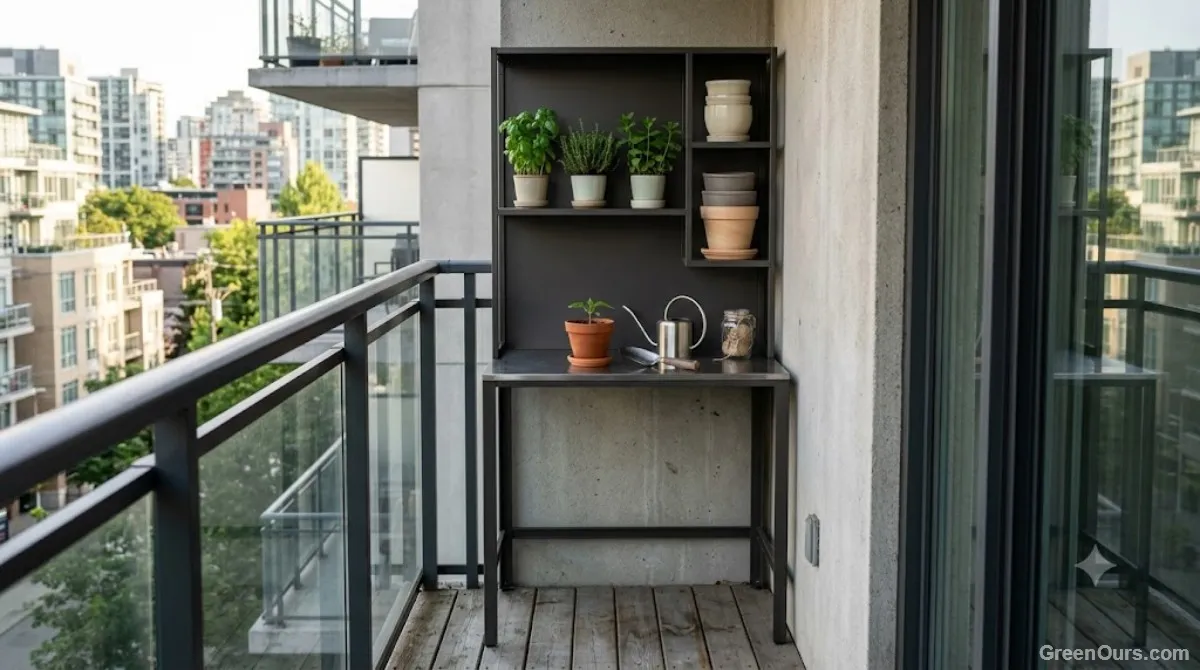
If your growing space is under 100 square feet, a full-size potting bench is usually the wrong tool. What actually helps is a narrow, wall-mounted fold-down shelf or a compact two-tier cart that stores flat against a railing when not in use. The goal isn't a workstation — it's containing soil spill in a space where every square foot is already doing double duty. Buy for footprint first, features second.
Backyard and Raised-Bed Gardeners
This is where a dedicated bench earns its keep. If you're rotating seasonal plantings, starting seedlings in bulk, or maintaining more than a handful of raised beds, you're handling soil and containers constantly between March and October. A fixed bench near a water source cuts the number of trips back and forth to under half of what an ad hoc setup requires, based on typical potting workflows. That's measurable time back, not just convenience.
The most common mistake: buying bench size based on available yard space instead of actual soil volume handled per session. Measure how many bags of soil or how many trays you process in a typical repotting day before you pick a surface size — an 18-inch-deep bench is cramped for anything beyond single-container work.
The Space Math: Square Footage vs. Time Saved
A standard potting bench footprint runs 24 to 48 inches wide and 18 to 24 inches deep — call it 3 to 8 square feet of permanent floor space. Weigh that against what it replaces: a folding table set up and broken down each session, soil bags stored separately, tools scattered across a shed or porch.
If your current setup takes more than 5 minutes to assemble and tear down each time you pot something, a bench pays for itself in time within a single growing season. If you pot occasionally and your current surface — a patio table, a wide plank across sawhorses — takes under a minute to use, the bench is solving a problem you don't have.
Storage Features That Earn Their Keep
Not all storage add-ons are worth paying extra for. Three features consistently reduce search time and mess:
An open lower shelf for soil bags and bulk containers. This keeps 20-plus pounds of weight low and stable, which matters for bench tip resistance as much as convenience.
A raised back rail or lip, usually 2 to 4 inches, that stops loose soil and small pots from sliding off the rear edge during active work.
A built-in bin or trough sunk into the work surface for soil staging and cleanup. This one feature does more to contain mess than any number of side hooks or drawer inserts.
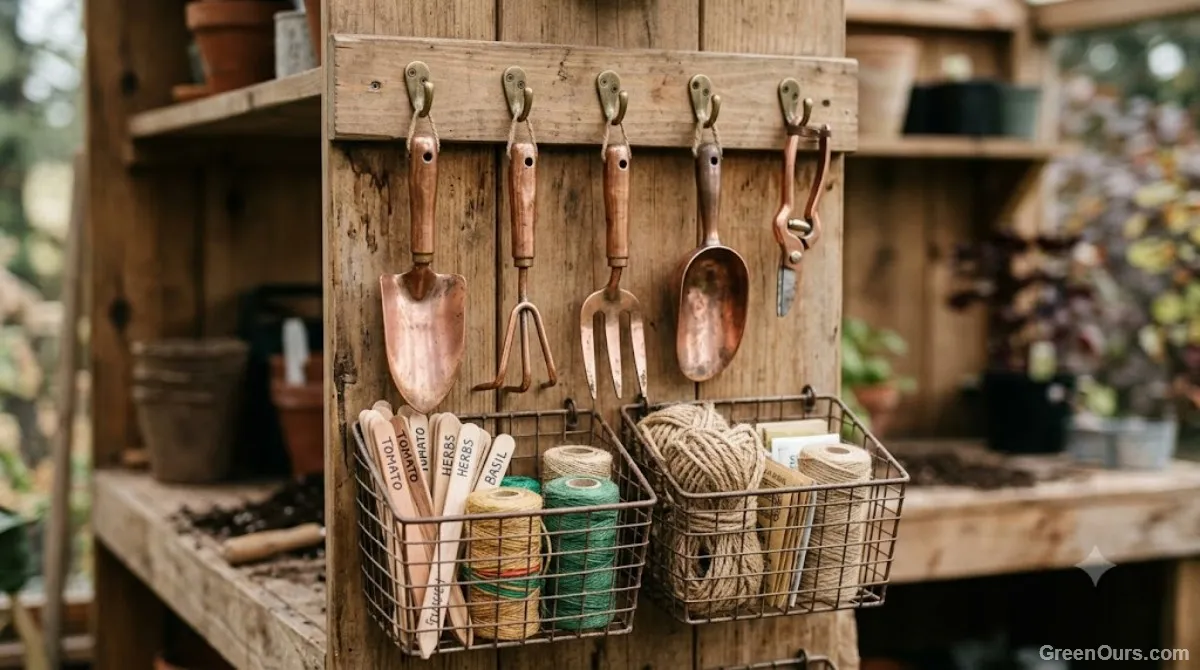
Skip pegboards, multiple small drawers, and integrated tool racks unless you already own the specific tools they're sized for. These add cost and rarely get used as designed.
Durability: Materials That Last
Material choice determines lifespan more than price point does. Cedar and teak resist rot naturally and hold up outdoors for 8 to 15 years with occasional oiling. Untreated pine or fir benches, sold at lower price points, typically need replacement within 2 to 4 years of consistent outdoor exposure.
Galvanized steel frames with a powder-coated finish resist corrosion well and handle heavier soil loads without sagging, but they run hotter to the touch in direct summer sun — a real consideration if you're working bare-handed for long stretches. Look for a stated weight capacity on the work surface; anything under 100 pounds is a signal the bench is built for light, occasional use rather than daily soil handling.
When It's Just Taking Up Space
Small Plant Collections
If you're maintaining under 15 houseplants and repotting a handful each spring, a potting mat or a tray you can move to any flat surface does the same job with zero permanent footprint. A bench here is solving for aesthetics, not function.
One Repotting Session a Year
Seasonal gardeners who do a single bulk repotting push in spring don't recoup the cost or the storage commitment. A folding table set up for a weekend, then broken down, costs less and stores flat.
Making the Call
Run the numbers before you buy: how many containers you handle per season, how much floor or patio space you can permanently give up, and how long your current makeshift setup takes to use each time. If you're still asking, is a potting bench worth it, the answer depends on whether it improves your workflow often enough to justify the space. A potting bench is a workflow investment for high-volume gardeners, not a default accessory for anyone who owns a trowel.
Buy for the volume you actually handle, not the garden you're planning to have someday.
Buy for the volume you actually handle, not the garden you're planning to have someday. That's the difference between a bench that earns its space and one that becomes another thing to work around.