
How Digital Meters Measure Soil pH
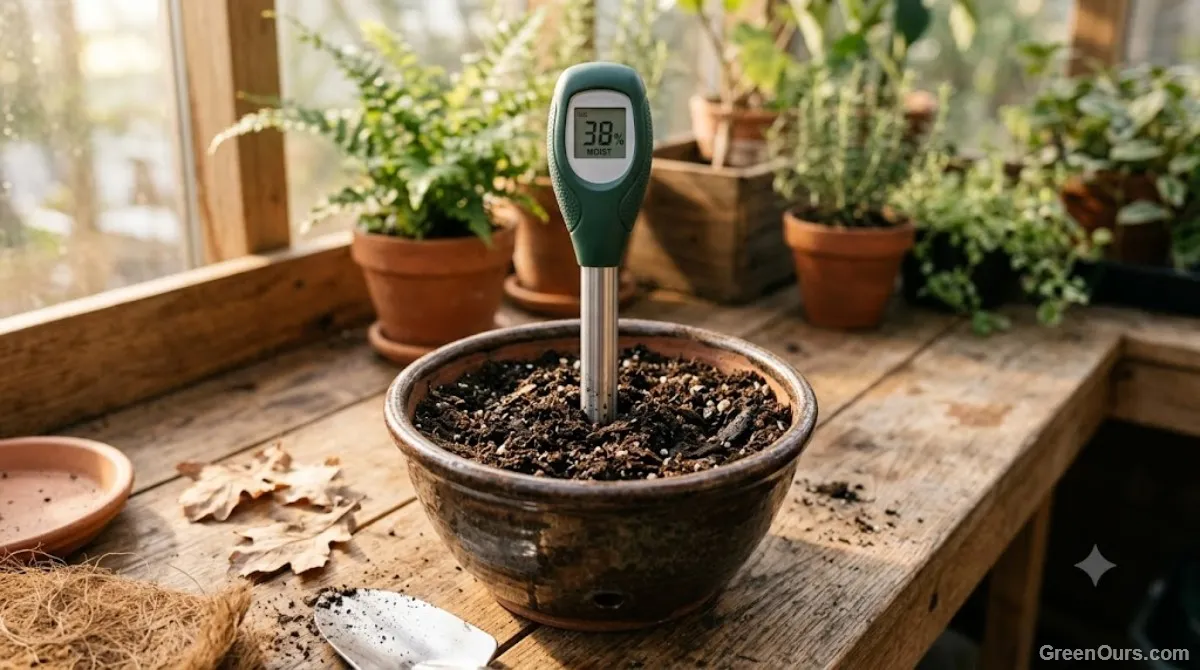
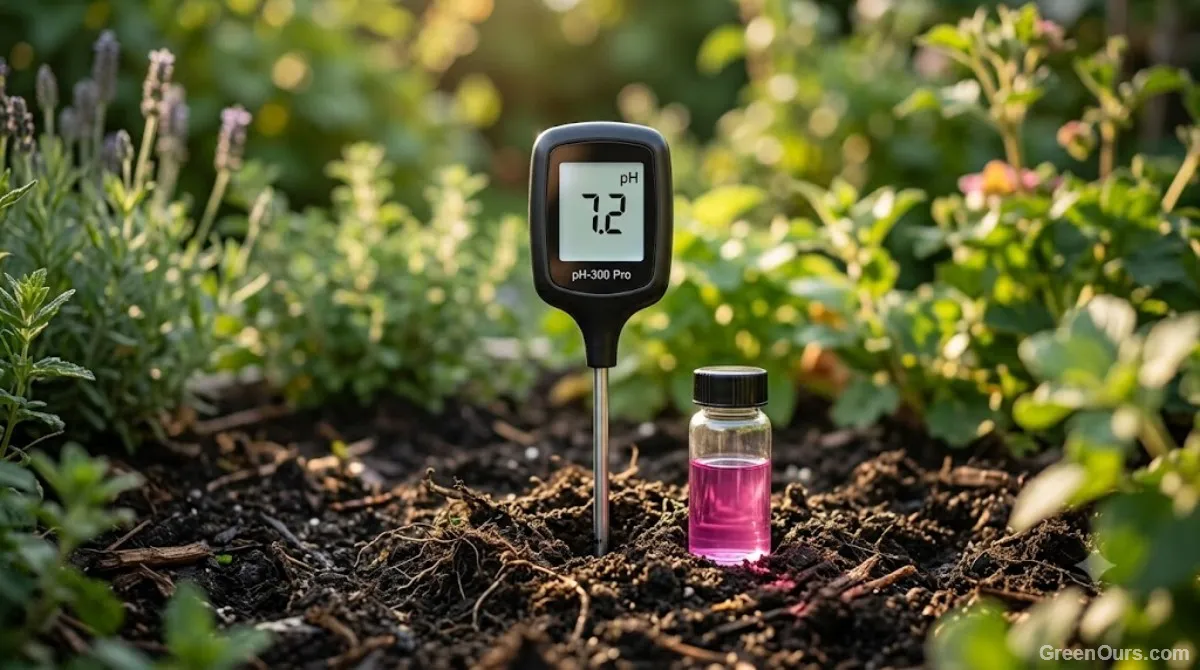
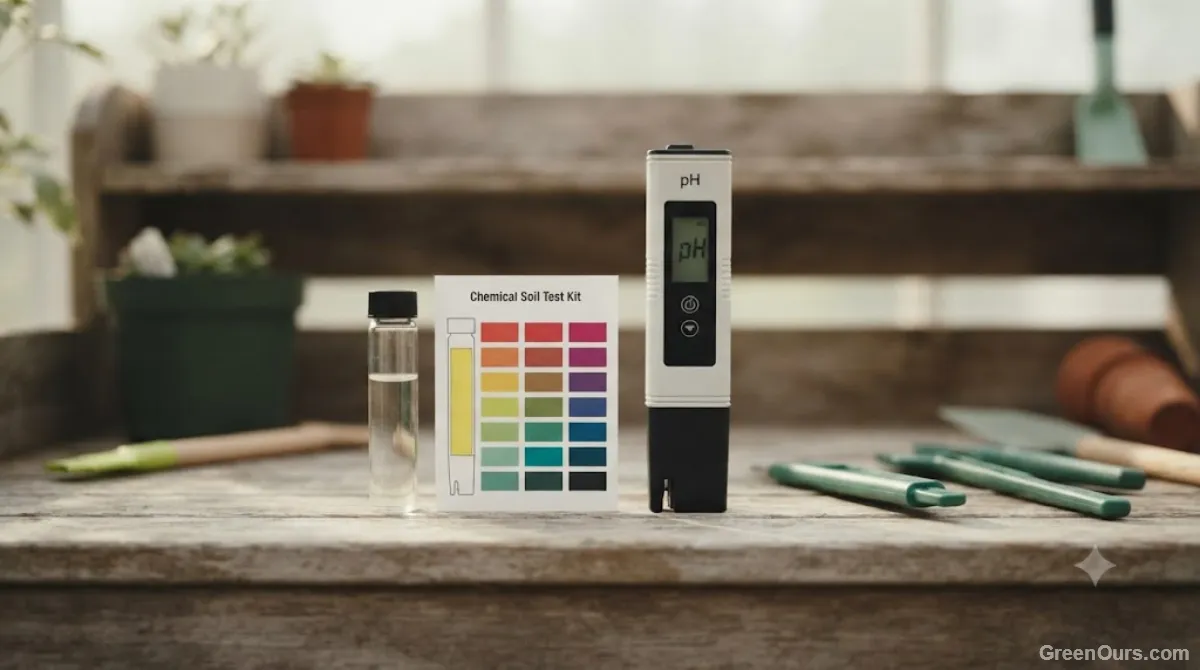
Digital soil pH meters work through a glass or solid-state electrode that reacts to hydrogen ion activity in the soil solution surrounding it. The probe generates a small voltage, the meter converts that voltage into a pH value, and the screen displays a number within seconds. No mixing, no color matching, no guesswork on your part.
That speed is the appeal. It's also the risk. The electrode only produces an accurate voltage if it's making solid contact with moist soil and if it's been calibrated against a known reference solution recently. A dry probe tip or a meter that hasn't touched calibration fluid in months will still display a number — it just won't be the right one.
How Chemical Test Kits Work
Chemical test kits rely on a colorimetric reaction. You mix a soil sample with a reagent, the solution shifts color based on pH, and you compare that color against a printed chart to land on a value. It's the same basic chemistry used in aquarium and pool testing, adapted for garden soil.
The tradeoff is precision. Most kits read in increments of 0.5 to 1.0 pH units, since your eye is doing the interpreting rather than an electrode. A reading that looks like it's sitting between two colors on the chart forces a judgment call, and two people testing the same sample can land on different numbers.
Accuracy: What the Numbers Actually Show
Lab-grade digital meters, properly calibrated, typically read within 0.1 to 0.2 pH units of a true lab result. Budget consumer meters — the kind sold without a calibration solution included — often drift by 0.5 units or more within a few weeks of regular use, especially if they're never calibrated at all.
Chemical test kits sit in a narrower but coarser band. A fresh kit, read in good light, generally lands within 0.5 pH units of a lab result. That's accurate enough to tell you whether your soil is acidic, neutral, or alkaline, but not precise enough to fine-tune amendments for pH-sensitive crops like blueberries or azaleas.
When Digital Accuracy Holds Up
Digital meters perform best in loose, evenly moist soil with consistent electrode contact. Container gardens and raised beds with amended soil tend to give the most reliable readings.
When Test Kit Accuracy Holds Up
Test kits perform consistently in daylight, with a fresh reagent, on a well-mixed sample. Reagents older than two years produce unreliable color shifts even when the soil itself is unchanged.
If your soil reads within 0.3 pH units of your target range, don't chase precision you don't need. Amend, wait six to eight weeks, and retest — soil pH shifts slowly, and small measurement differences rarely change your next move.
Calibration and Maintenance Demands
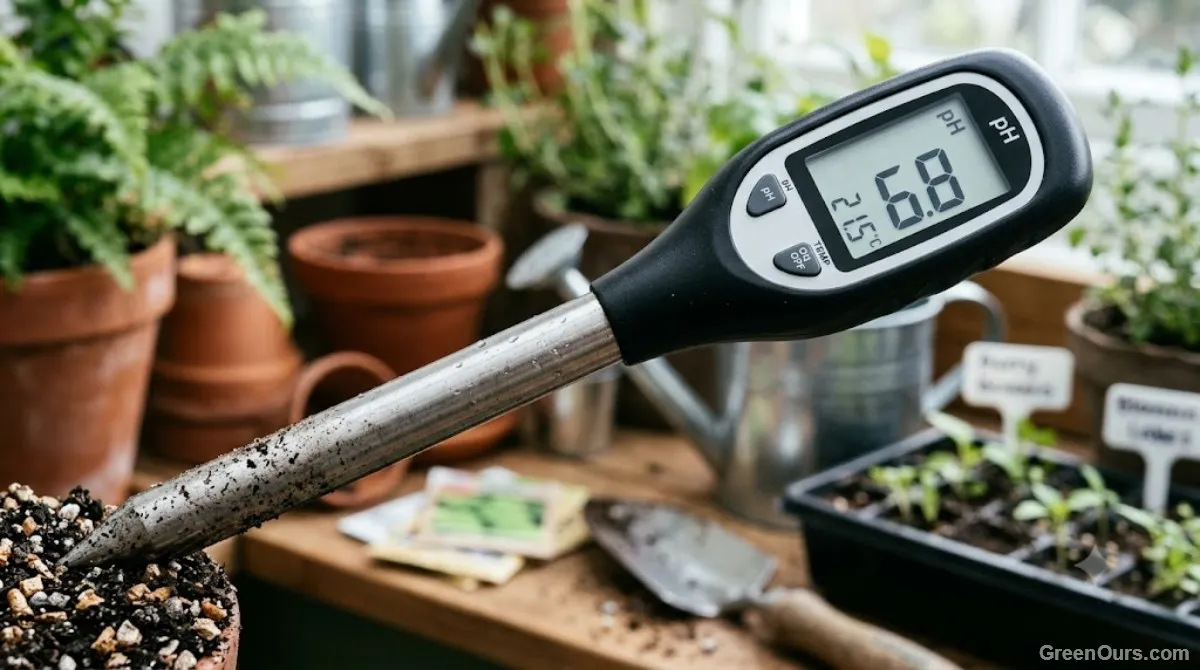
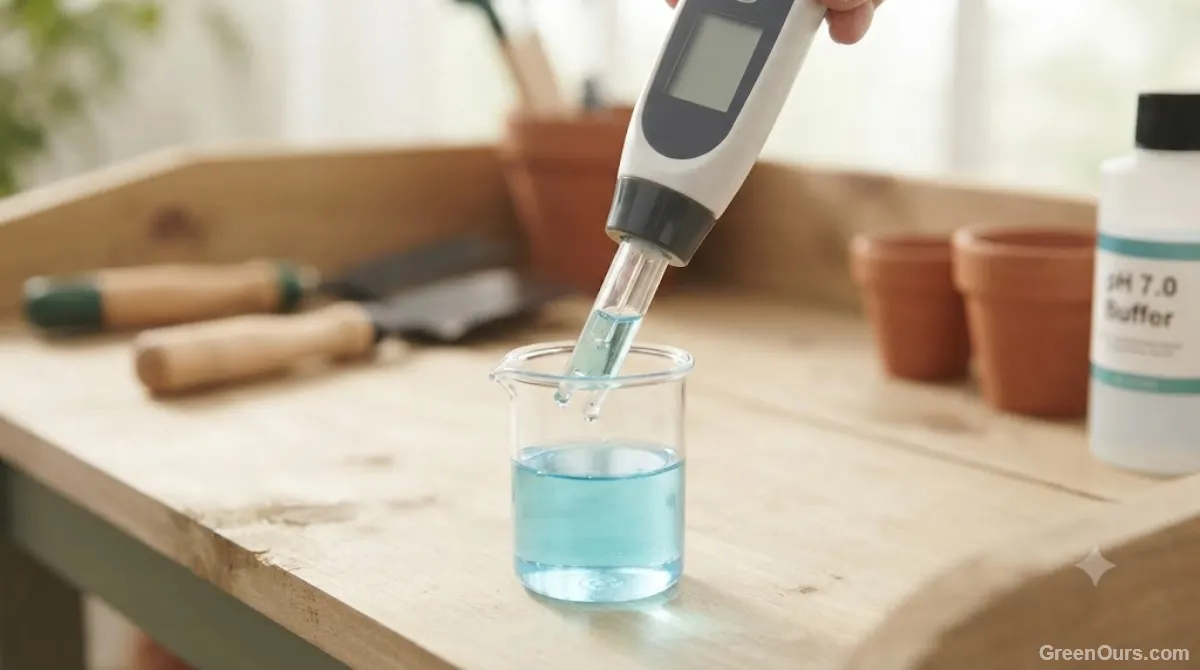
This is where the two tools diverge the most. Digital meters need calibration against pH 4.0, 7.0, and sometimes 10.0 reference solutions — ideally every two to four weeks with regular use. Skip calibration, and drift compounds silently. The probe also needs the tip kept moist between uses; letting it dry out damages the glass membrane and shortens its working life to a season or two.
Test kits need almost no maintenance. Store the reagent bottle away from direct sunlight and heat, replace it when the color starts looking faded or inconsistent, and you're set. There's no electrode to protect, no battery to replace, no calibration schedule to track.
Common Testing Mistakes That Skew Results
- Testing dry soil. Both tools need adequate soil moisture to work. Water the test area 24 hours before testing if the soil is bone-dry.
- Skipping calibration. A digital meter that's never been calibrated is a guess with a decimal point.
- Using an old reagent. Test kit chemicals degrade. A reagent past its shelf life gives a color reaction that no longer matches the reference chart accurately.
- Testing right after fertilizing. Fresh fertilizer or lime application throws off readings for one to two weeks. Wait before retesting.
- Sampling one spot only. Soil pH varies across a bed. Pull samples from three to five spots and average the readings, regardless of which tool you're using.
Cost and Longevity Over Time
A basic chemical test kit runs $10 to $20 and typically covers 20 to 40 tests before the reagent needs replacing — roughly $0.50 per test. A mid-range digital meter costs $15 to $40 upfront, plus the ongoing cost of calibration solution, and the probe itself usually needs replacing every one to three years depending on care.
For occasional testing — a few times a season — the test kit wins on cost and simplicity. For frequent testing across multiple beds or containers, a well-maintained digital meter pays for itself in saved reagent purchases and faster results.
Which Tool Fits Your Situation
Choose a digital meter if you're testing regularly across several beds, growing pH-sensitive plants that need tight control, or you want a number fast without mixing chemicals. Commit to calibrating it on schedule, or the convenience isn't worth the false confidence.
Choose a test kit if you test only a handful of times per year, want zero maintenance between uses, or you're working with a tight budget. A fresh kit read carefully in good light will tell you everything you need to know for standard garden decisions.
Test consistently, calibrate on schedule, and trust the number.
Neither tool replaces a lab test when you're troubleshooting a genuinely confusing problem — persistent yellowing, stunted growth, or amendments that aren't working as expected. For routine monitoring, though, the right tool is whichever one you'll actually use consistently and maintain properly. That consistency matters more than the extra decimal point.