
Why pH Controls What Roots Can Absorb
Soil pH measures how acidic or alkaline the growing medium is, on a scale of 0 to 14. Most houseplants perform best between 6.0 and 7.0 — mildly acidic to neutral. Outside that band, nutrients don't disappear from the soil. They convert into chemical forms the roots can't take up. Iron and manganese, for example, become increasingly insoluble as pH climbs above 7.0, even when both are present in ample supply. Phosphorus behaves the opposite way at very low pH, binding to aluminum and iron compounds instead of staying available to roots.
This is why a plant can show textbook deficiency symptoms while sitting in soil that technically contains everything it needs. The fertilizer isn't the problem. The chemistry around the roots is.
pH doesn't need to be exact — it needs to stay in range. A drift of half a point rarely causes visible problems. A full point or more, sustained over weeks, is where lockout symptoms start showing up.
What Counts as Normal for Houseplants
Most common houseplants — pothos, philodendron, monstera, peace lily — tolerate 6.0 to 7.0 without issue. A few groups sit outside that range by design:
| Plant Type | Preferred pH Range |
|---|---|
| Ferns and calatheas | 5.0–6.0 (more acidic) |
| African violets | 6.0–6.5 |
| Succulents and cacti | 6.0–7.5 (more tolerant of alkaline) |
| Citrus and gardenia | 5.5–6.5 |
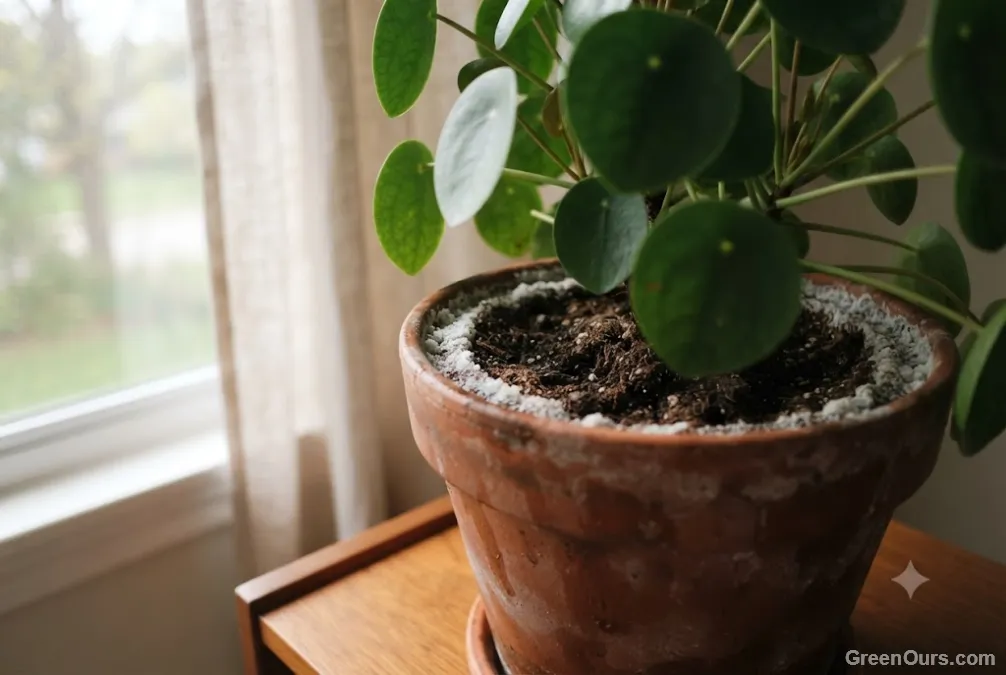
Tap water is the most common cause of drift over time. Municipal water often runs slightly alkaline, and repeated watering over months slowly pushes soil pH upward, particularly in pots without regular flushing.
Reading the Symptoms Correctly
High pH Signs
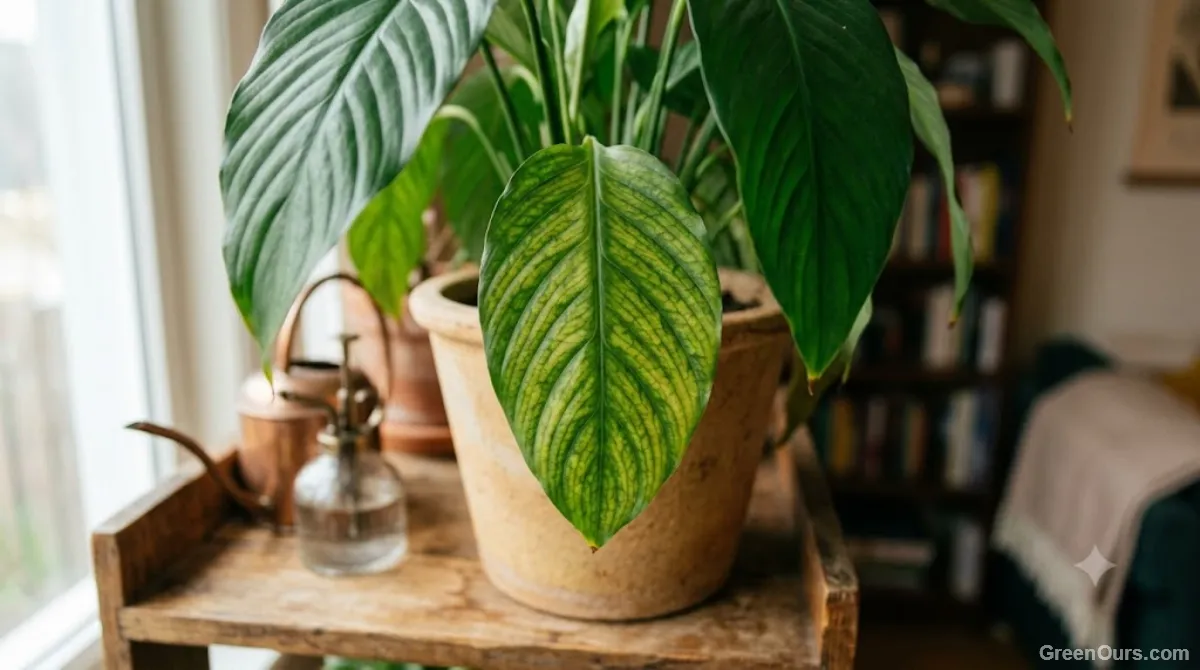
Alkaline soil typically shows up as chlorosis on new growth first — pale leaves with green veins, because iron and manganese are the nutrients most affected. Growth slows, but leaf shape and texture usually stay normal, which is what distinguishes it from pest damage or underwatering.
Low pH Signs
Acidic soil past the low end of a plant's range tends to show stunted roots and dark, sometimes brittle leaf tips, since aluminum becomes more soluble and can reach toxic levels while phosphorus becomes harder to access. It's less common in houseplants than alkaline drift, but it shows up in plants overfed with acidifying fertilizers for months without a flush.
Testing Soil pH at Home
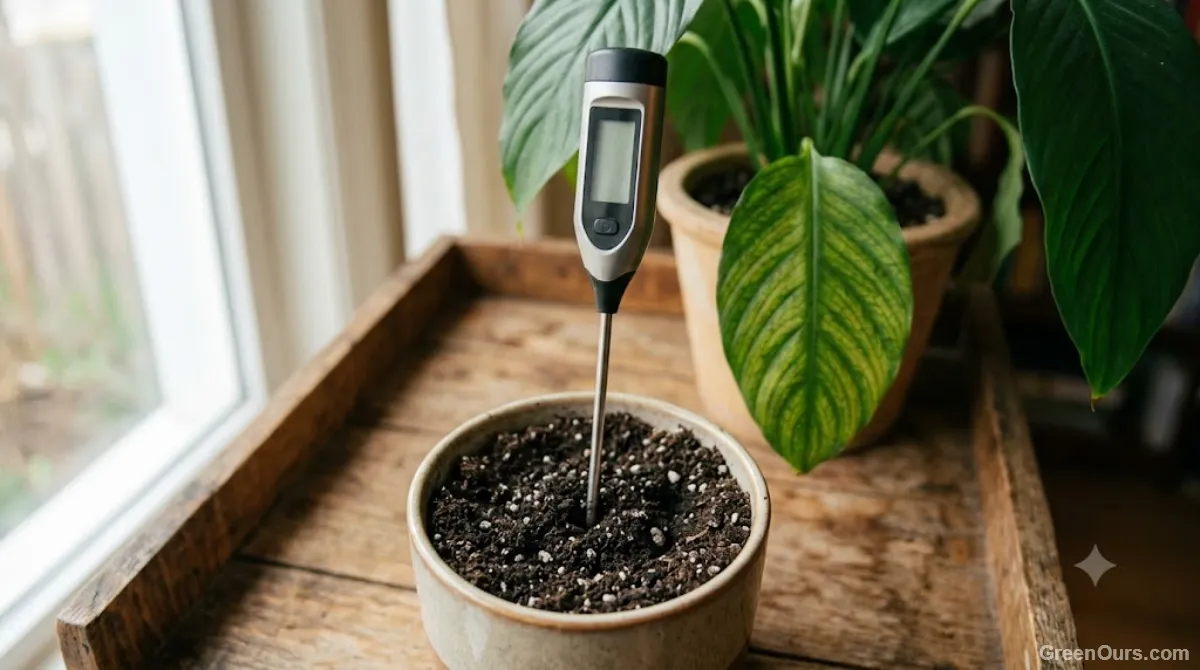
Skip the cheap analog probe meters sold as all-in-one moisture-light-pH devices — they're notoriously unreliable for pH specifically. Two methods actually work:
- Mix a soil sample with distilled water at a 1:1 ratio, let it settle for 30 minutes, then test the liquid with pH test strips or a calibrated digital pH pen.
- Send a small soil sample to a local extension office or garden lab for a full nutrient and pH panel if you want lab-grade accuracy.
Test before you assume a nutrient deficiency and before you add more fertilizer. Piling on nutrients when the real issue is availability just adds to salt buildup without fixing anything.
Correcting Drift Without Shocking the Plant
To lower pH, work in small increments: elemental sulfur or an acidifying fertilizer applied at half strength, then retest in two to three weeks before adjusting again. Peat-based amendments also lower pH gradually as they break down.
To raise pH, garden lime is the standard outdoor fix, but it's overkill and slow-acting for a houseplant pot. A pinch of wood ash worked into the top inch of soil, applied sparingly and infrequently, has a milder effect suited to container volumes.
Whichever direction you're correcting, avoid large single-dose adjustments. A sudden swing of more than a full point can damage root hairs faster than the original drift was hurting the plant.
When a Fresh Repot Beats Incremental Fixes
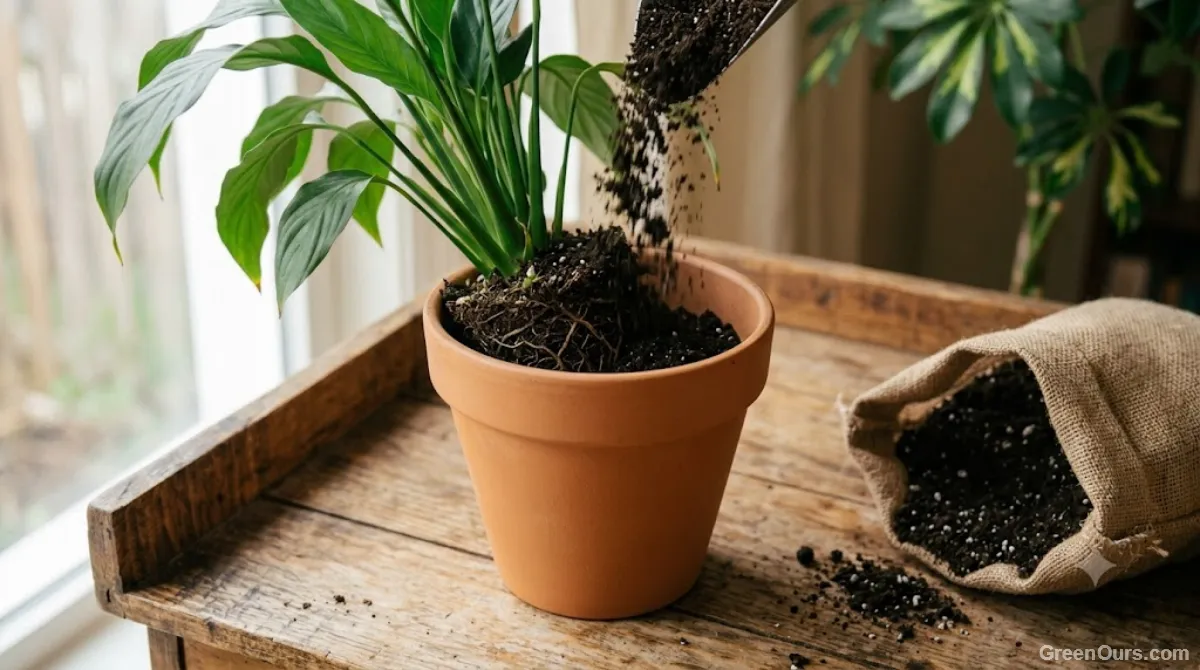
If a pot hasn't been refreshed in more than a year, mineral salts from fertilizer and tap water have likely accumulated enough to shift pH on their own. At that point, a full repot into fresh mix is usually faster and more reliable than trying to titrate an old batch of soil back into range.
What to Do Next
Check pH the same way you'd check a thermostat — not constantly, but whenever the plant's behavior doesn't match the care you're giving it. Get the range right once, and the rest of your feeding schedule finally has a chance to work as intended.
Test before you fertilize — pH problems look like nutrient problems.