
What Coco Coir and Peat Moss Actually Are
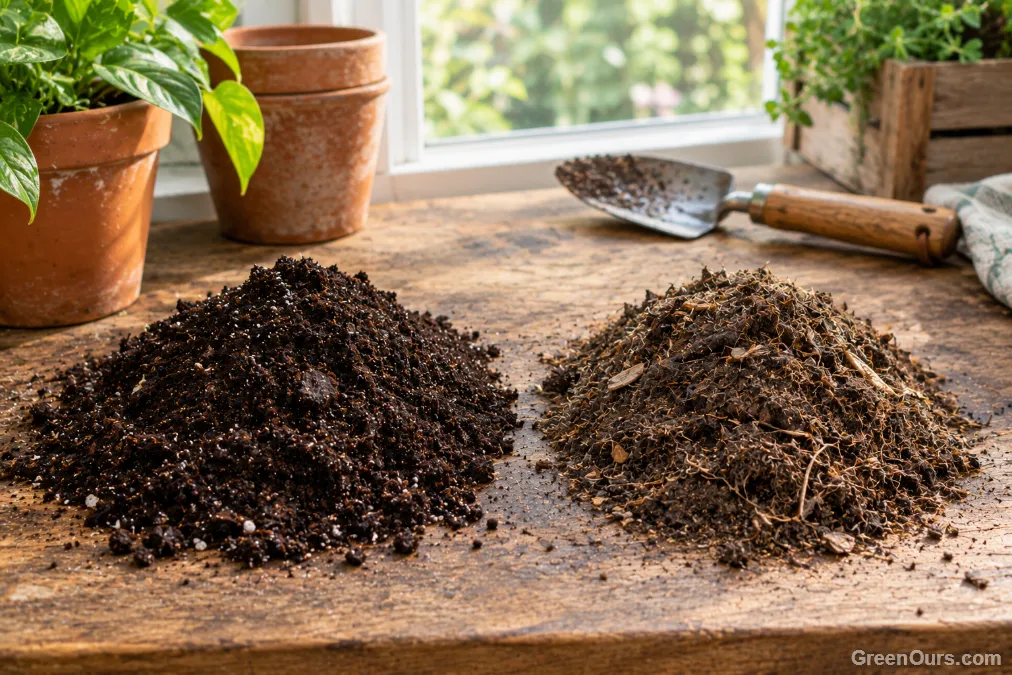
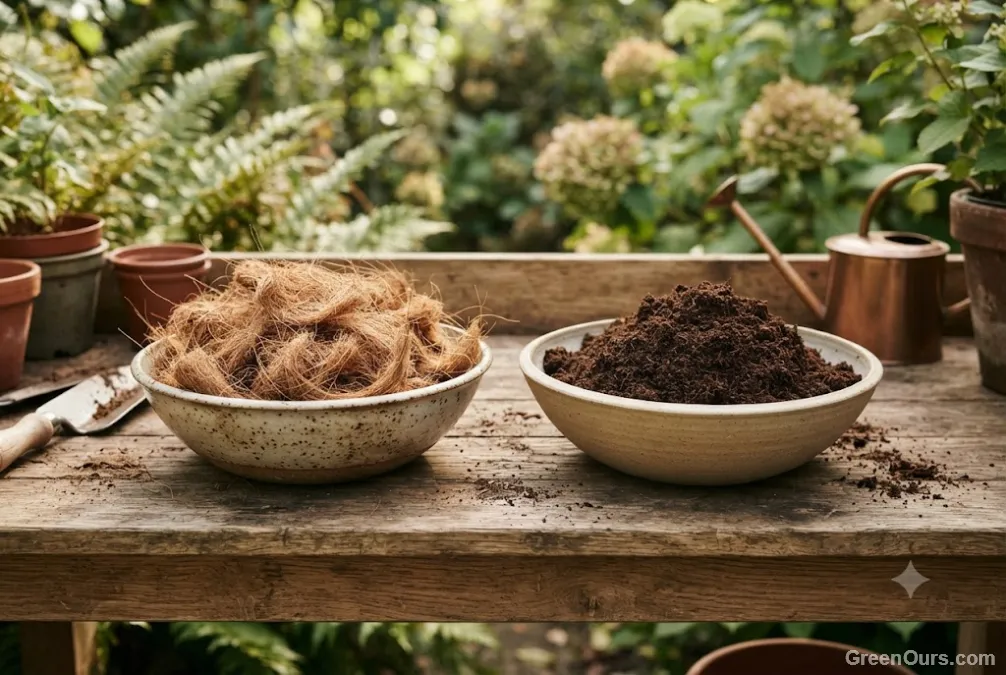
Peat moss is decayed sphagnum moss, harvested from bogs that took thousands of years to form. It's been the default potting base for over a century, and most commercial mixes still use it as the primary bulk ingredient.
Coco coir is the fibrous material left over from processing coconut husks. It's a byproduct, not a raw extraction. Manufacturers wash, buffer, and compress it into bricks or loose bags before it reaches a garden center shelf.
Both start as inert material. Neither contains meaningful nutrients on its own. Everything else — pH, water behavior, structure — comes down to how each one is processed.
Moisture Retention: Which Holds Water Longer
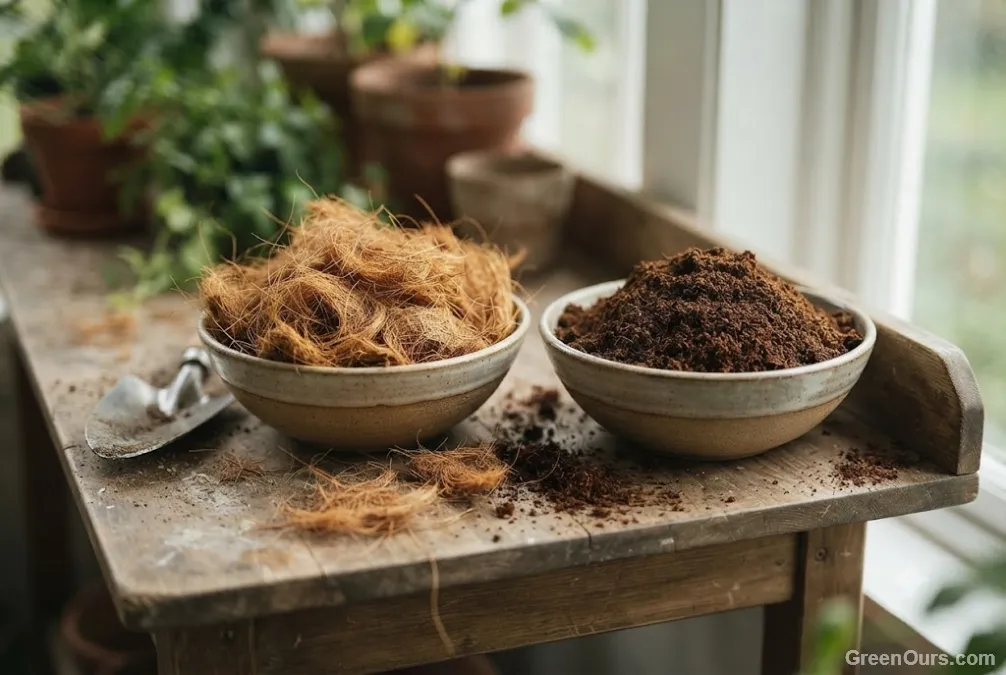
Peat moss holds roughly 10 to 20 times its dry weight in water. It saturates fast and releases slowly, which is why peat-heavy mixes feel heavy and wet for days after watering.
Coco coir holds slightly less total water, closer to 8 to 9 times its weight, but releases it more evenly. Plants pull moisture from coco coir at a steady rate instead of a slow drip that leaves the root zone soggy.
That last point matters more than most gardeners realize. Peat moss that dries out completely becomes hydrophobic. Water runs straight through the surface instead of soaking in. Coco coir rewets far more easily after a dry spell, which makes it more forgiving for inconsistent watering schedules.
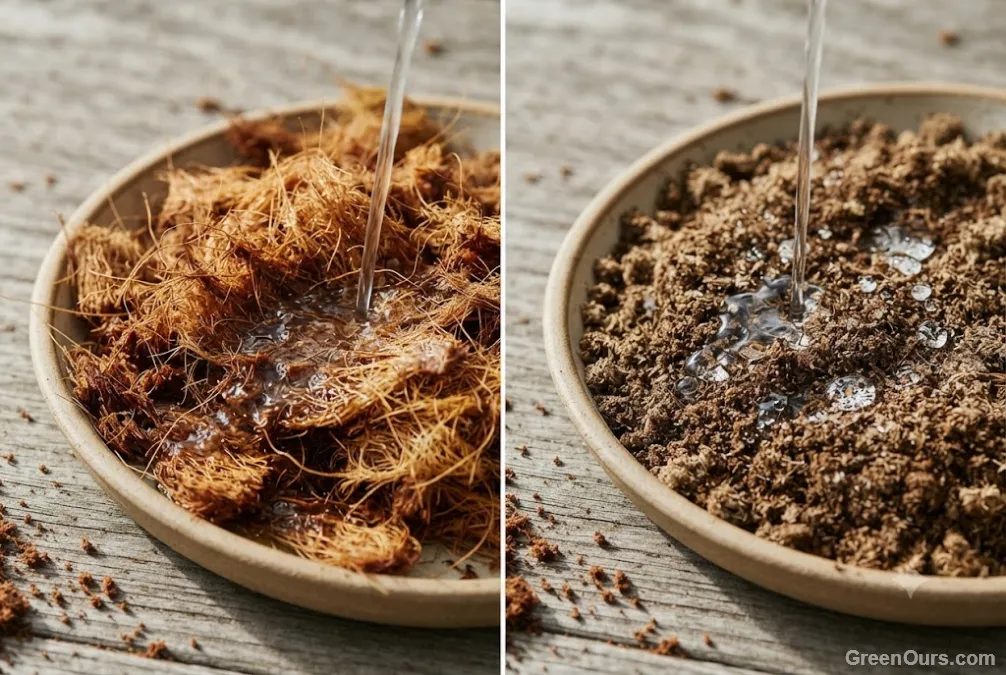
Check moisture with your finger, not the calendar. Coco coir can look dry on the surface while staying damp two inches down. Peat moss does the opposite once it fully dries out — it repels water instead of absorbing it.
Aeration and Root Oxygen
Roots need oxygen as much as they need water. Compacted, waterlogged soil suffocates them, and both mediums handle this differently over time.
Coco coir has a coarser, more fibrous structure that resists compaction. It holds its shape in the pot over multiple growing seasons, keeping air pockets intact around the root ball.
Peat moss breaks down faster. Fine particles settle and compress, especially in containers watered frequently. After a year or two, a peat-heavy mix often needs refreshing or amending with perlite to restore drainage.
pH and Nutrient Behavior
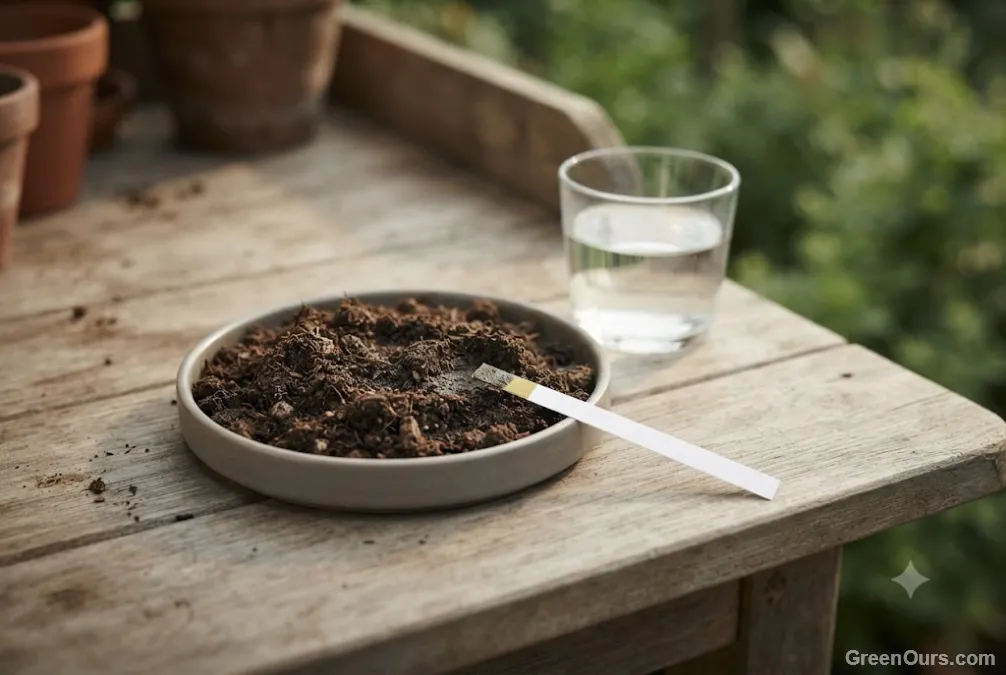
Peat moss is naturally acidic, typically in the 3.5 to 4.5 pH range. That suits acid-loving plants directly. For anything else, you'll need to add lime to bring the pH up before planting.
Coco coir sits closer to neutral, usually between 5.5 and 6.8. That range works for a broader spectrum of houseplants and vegetables without any amendment at all.
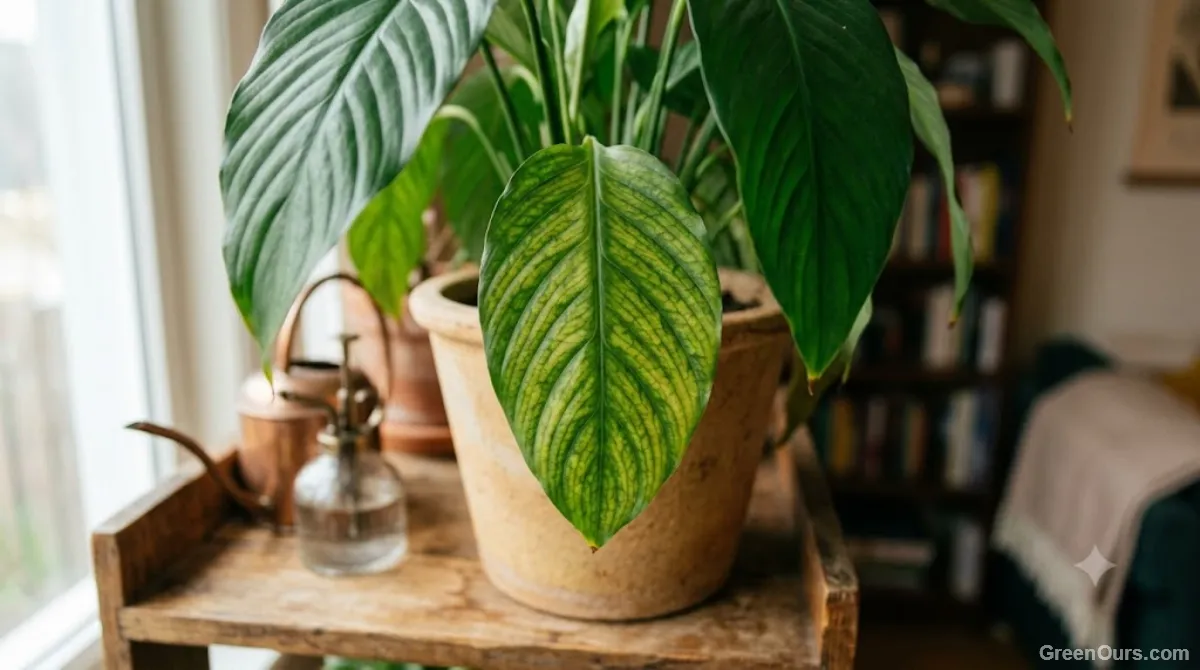
Coco coir has one recurring issue: natural calcium and magnesium deficiency, plus a tendency to bind those nutrients if the fiber isn't pre-buffered. Buy pre-buffered coco coir, or add a cal-mag supplement to your feeding schedule if you don't.
Salt Content and Pre-Treatment
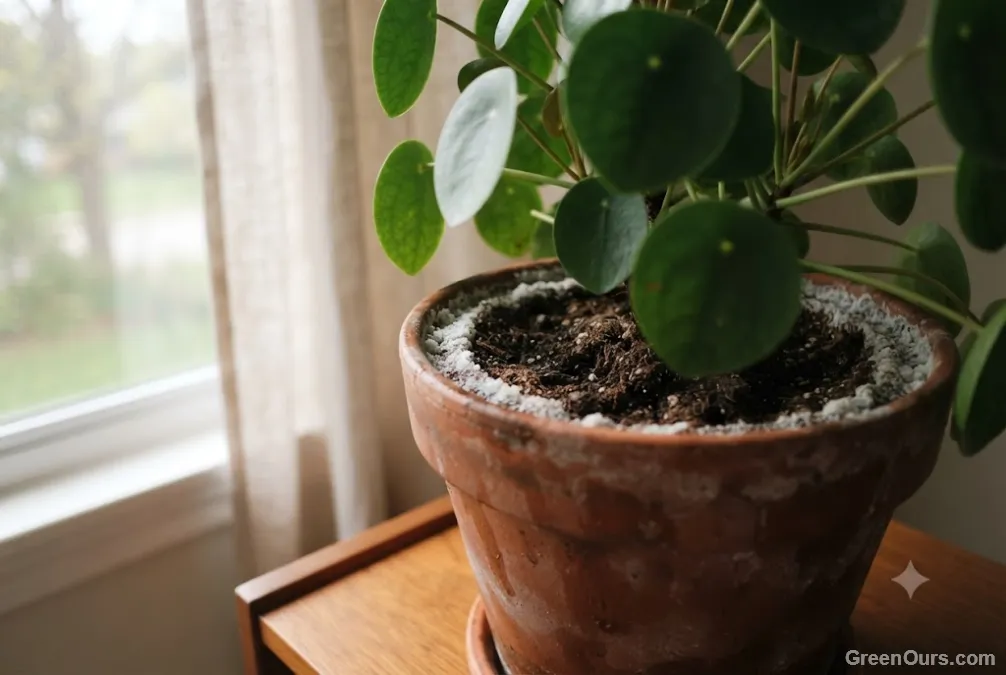
Coco coir often carries residual sodium and potassium salts from processing near coastal regions. Look for coir labeled "low EC" or "washed." An electrical conductivity reading under 0.5 mS/cm indicates safe salt levels for seed germination.
Peat moss has no comparable salt concern. It arrives essentially inert, which is part of why it's remained the industry standard for so long despite its other tradeoffs.
Sustainability: Renewable Resource vs Finite Bog
Peat bogs regenerate at roughly 1 millimeter per year. Harvesting removes centuries of accumulation in a single season, and disturbed peatlands release stored carbon that took generations to lock away.
Coco coir comes from coconut husks that would otherwise go to waste. Production ties directly to coconut harvests, which happen year-round across tropical regions, making it the more renewable option by a wide margin.
Reuse and Lifespan in Containers
Coco coir holds its physical structure for 2 to 3 growing seasons before it starts breaking down. Rinse and reuse it between crops if there's no disease pressure in the previous planting.
Peat moss degrades faster under regular watering, usually needing replacement or heavy amendment after 12 to 18 months. Budget for it as a shorter-term investment.
Which Medium Fits Which Plants
Acid-Loving Plants
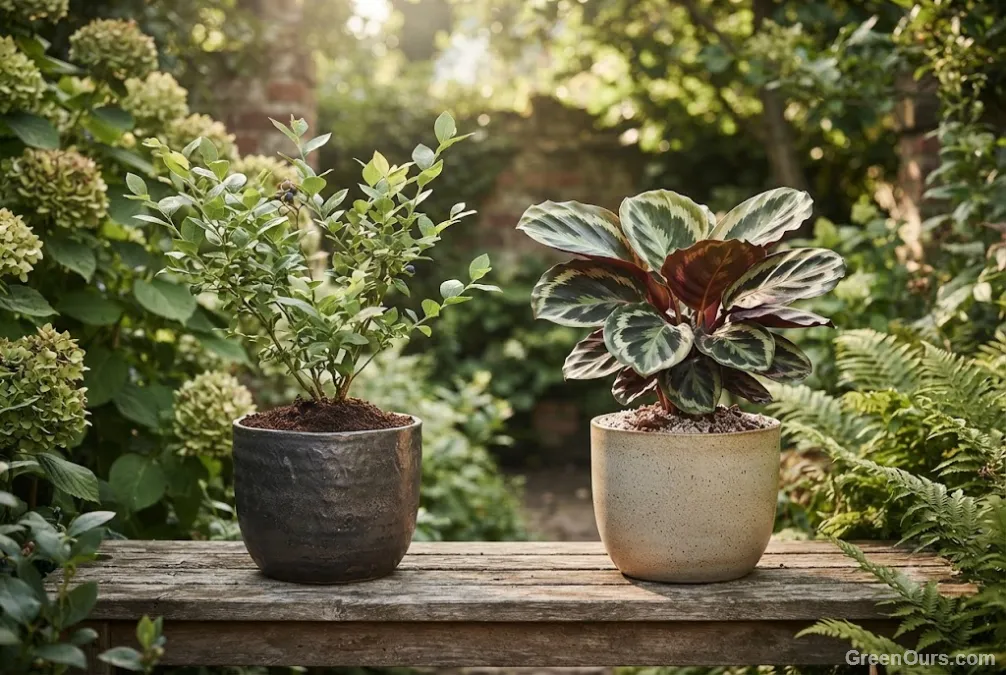
Blueberries, azaleas, camellias, and rhododendrons want acidic soil. Peat moss delivers that without extra adjustment, and it remains the better default base for these specific plants.
Tropical Foliage and General Houseplants
Monstera, pothos, philodendron, and most tropical foliage prefer the near-neutral pH and steadier moisture release of coco coir. It also resists the fungus gnat pressure that comes with consistently soggy peat.
Common Mixing Mistakes to Avoid
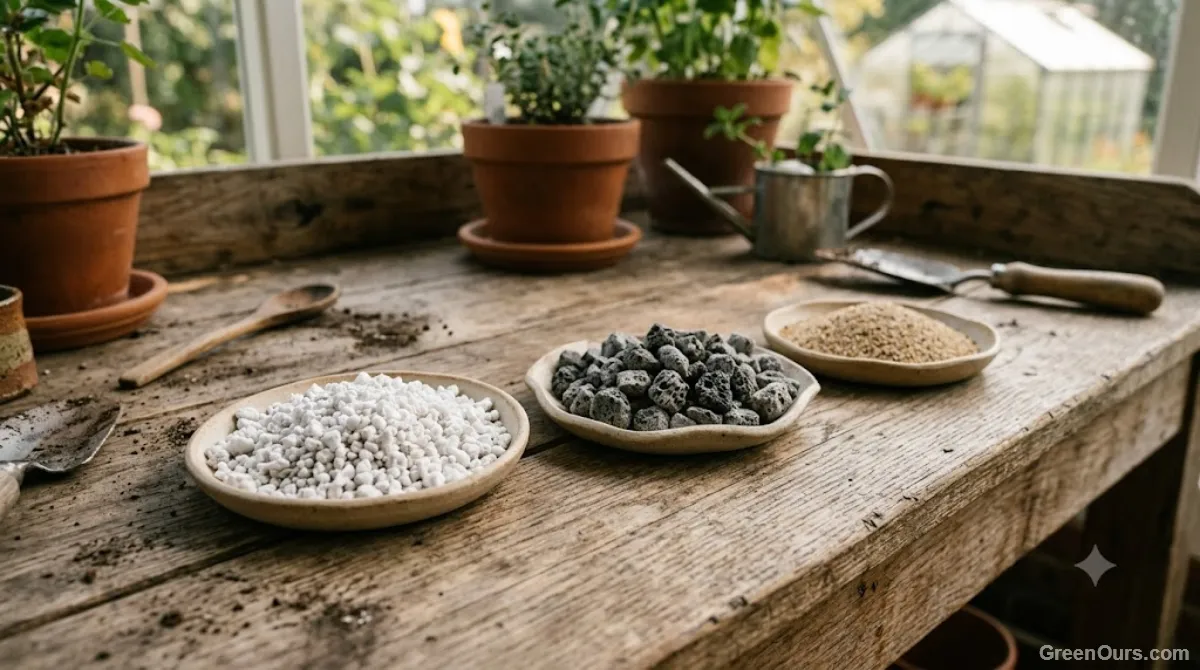
Don't use either medium at 100 percent. Both need perlite or pumice added, typically 20 to 30 percent by volume, to prevent compaction over time.
Don't skip the buffering step with coco coir. Unbuffered fiber locks up calcium and magnesium before your plant can use them.
Don't assume peat moss needs no pH correction. Test before planting anything that isn't specifically acid-loving.
Don't let peat moss fully dry out between waterings. Once it does, you're fighting hydrophobic soil, not just a thirsty plant.
What to Do Next
Neither medium is universally correct. Peat moss still makes sense for acid-loving specialists and growers who value decades of proven performance. Coco coir makes sense for nearly everything else, plus anyone weighing the environmental cost of their growing medium. Pick based on the plant in front of you, not habit.
Check pH and moisture before you commit to a mix, not after.