

What's Actually in Tap Water
Municipal tap water contains three additives relevant to plants: chlorine or chloramine, fluoride, and dissolved minerals. Concentrations vary by region, but most utilities keep chlorine levels between 0.2 and 2 parts per million, well below the threshold that damages plant tissue directly.
Chloramine, used by some municipalities instead of chlorine, is more stable and doesn't evaporate as quickly. It matters more for aquarium keepers than plant owners, but it's worth checking your local water report if you're troubleshooting a sensitive species.
Chlorine and Chloramine: When They Matter
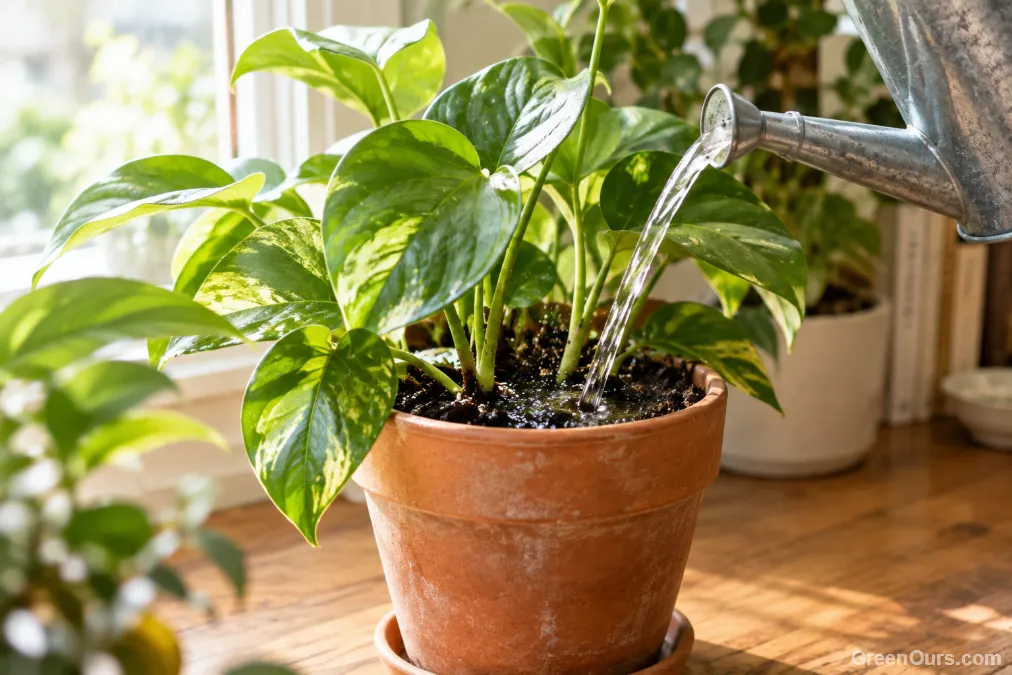
Chlorine dissipates from standing water within 24 hours in an open container. Chloramine takes longer, sometimes up to a week, and doesn't fully evaporate without aeration or a dechlorinating treatment.
For the average houseplant, neither compound builds up to a damaging concentration. The exception is plants grown hydroponically or in inert media like leca, where there's no soil microbiome to buffer chemical exposure. In those setups, let water sit uncovered for 24 hours before use, or use a dechlorinator formulated for aquariums.
If you're troubleshooting leaf tip browning and suspect water quality, rule out low humidity and inconsistent watering first. Both cause nearly identical symptoms and are far more common culprits.
Fluoride: A Smaller Problem Than People Think
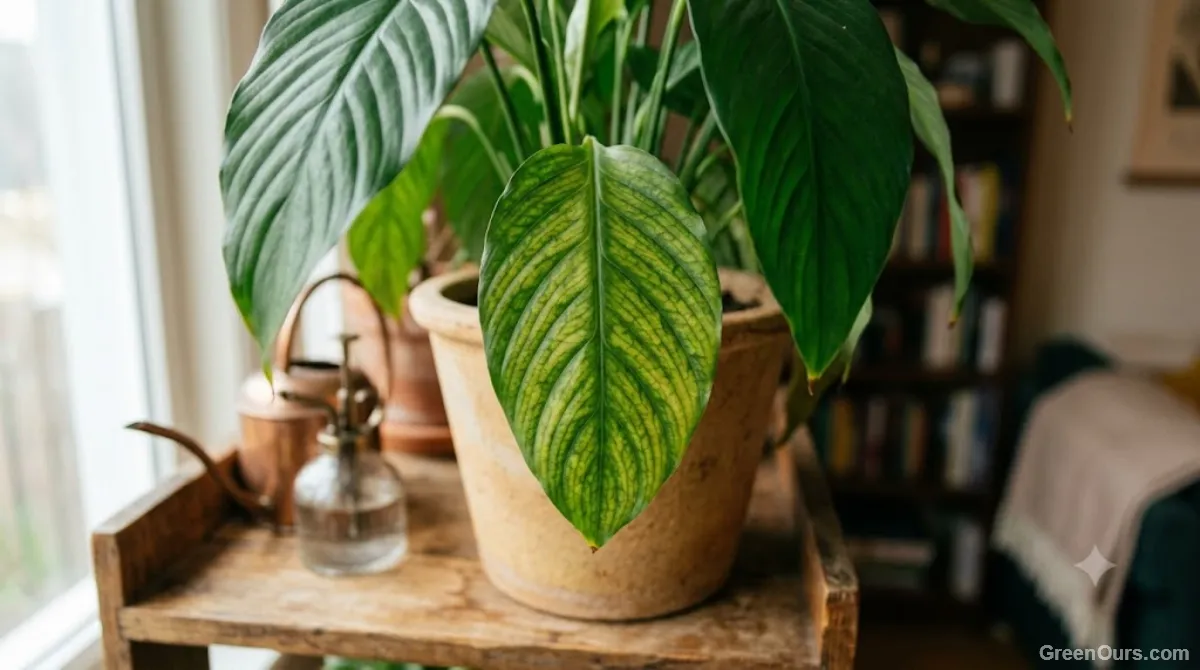
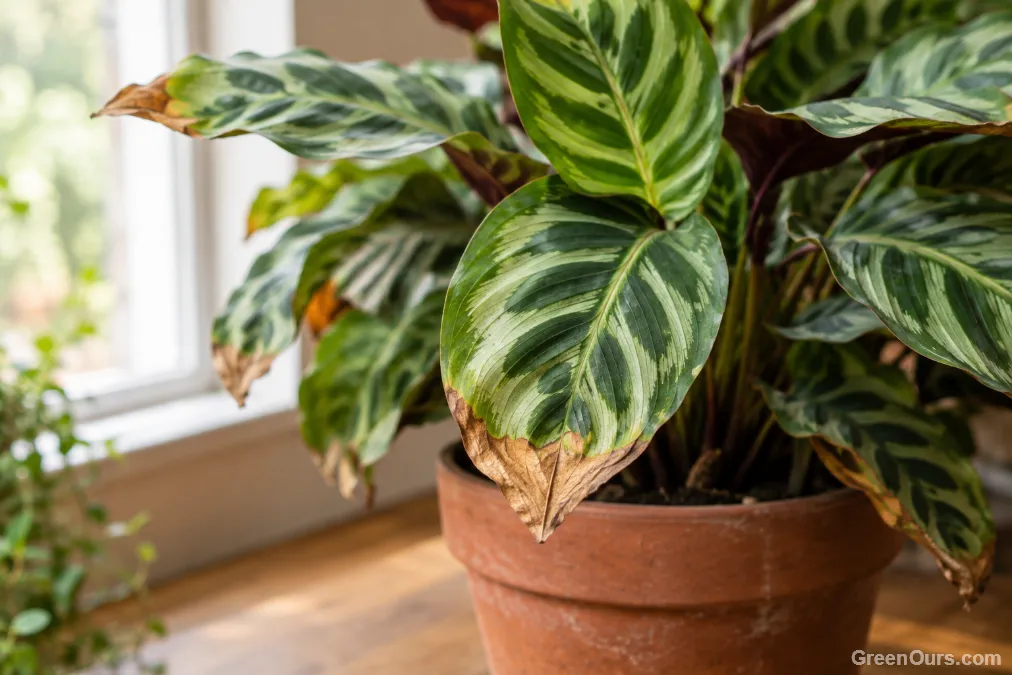
Fluoride gets more attention than its actual impact justifies. At typical municipal levels, around 0.7 to 1.2 parts per million, fluoride affects only a narrow group of plants: dracaenas, spider plants, calatheas, and prayer plants among them. Symptoms show up as brown, necrotic leaf tips, usually on older leaves first.
If you own one of these species and see consistent tip burn despite stable humidity and watering, fluoride is worth ruling out. Switch to filtered or distilled water for four to six weeks and watch new growth. If tip burn stops appearing on new leaves, fluoride was the cause.
Hard Water and Mineral Buildup
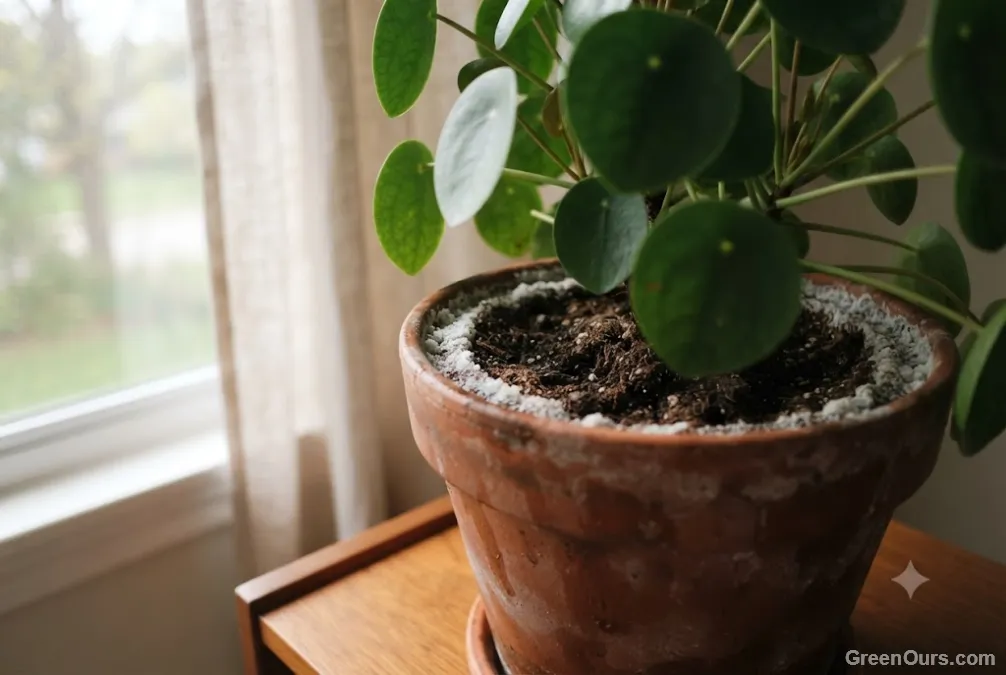
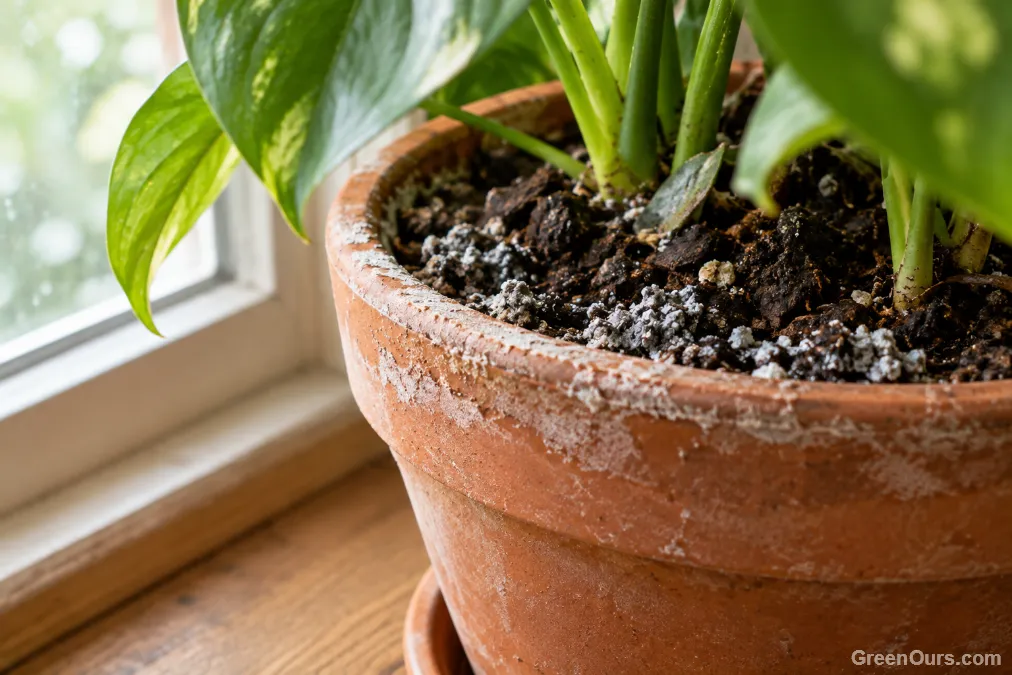
Hard water, high in calcium and magnesium, causes a different problem: visible white crust on the soil surface and pot rim, plus gradual shifts in soil pH over months of use. This buildup can eventually interfere with nutrient uptake, particularly iron and manganese.
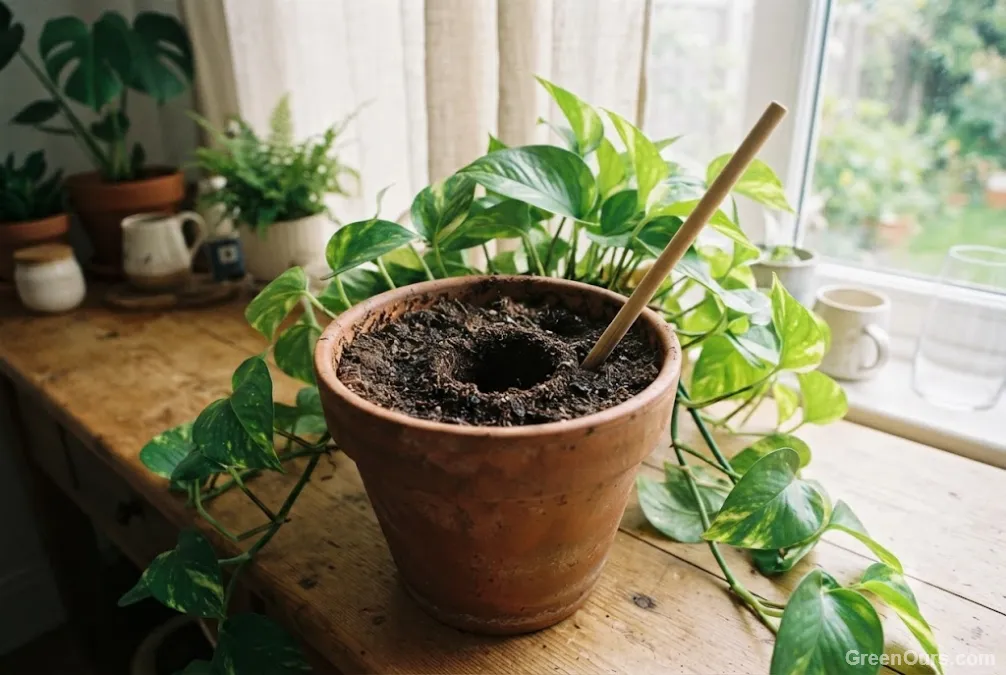
If your tap water is hard, flush the soil thoroughly every two to three months. Run water through the pot until it drains freely from the bottom, roughly three times the pot's volume, to clear accumulated salts. This single habit resolves most hard-water issues without changing your water source at all.
Rainwater: Real Benefits, Real Limits
Rainwater is naturally soft, slightly acidic, and free of chlorine, fluoride, and dissolved minerals. It's genuinely well-suited to acid-loving plants and species sensitive to fluoride. Collection is simple: a clean, uncovered container placed outdoors during rainfall works fine for most home setups.
The limits are practical, not chemical. Rainwater collected near roads or industrial areas can carry airborne contaminants. Standing rainwater is also a common mosquito breeding site, so use collected water within a few days or cover the container between uses.

Filtered and Distilled Water: When It's Worth the Cost
Basic carbon filtration removes chlorine and improves taste but does little for dissolved minerals. It's a reasonable middle ground if you already filter your drinking water, but it's not a meaningful upgrade specifically for plant health.
Distilled and reverse-osmosis water remove nearly everything, including beneficial trace minerals. Reserve these for fluoride-sensitive species or plants grown in soilless media where mineral buildup is a persistent problem. For the rest of your collection, the added cost and effort isn't justified by the results.
Which Species Actually Need Special Water
Water sensitivity concentrates in a short list of plants: dracaenas, spider plants, calatheas, prayer plants, and most carnivorous species like Venus flytraps and pitcher plants. Carnivorous plants are the clearest case, since they evolved in nutrient-poor bogs and can be damaged by both minerals and chemical treatment.
Outside these groups, most common houseplants, pothos, philodendrons, snake plants, succulents, tolerate tap water indefinitely without adjustment.
A Simple Way to Decide
Start with tap water unless you own a known fluoride-sensitive species or a carnivorous plant. If you're looking for the best water for indoor plants, this approach covers the vast majority of collections. Flush soil periodically if your water is hard. Switch to rainwater or filtered water only after you've ruled out humidity, light, and watering frequency as causes of leaf damage.
Water source is rarely the root cause of a struggling plant, and treating it as one usually delays the real diagnosis. Check the basics first. Reserve the water swap for the specific species and symptoms it's actually known to affect.
Rule out the basics before you blame your water source.