
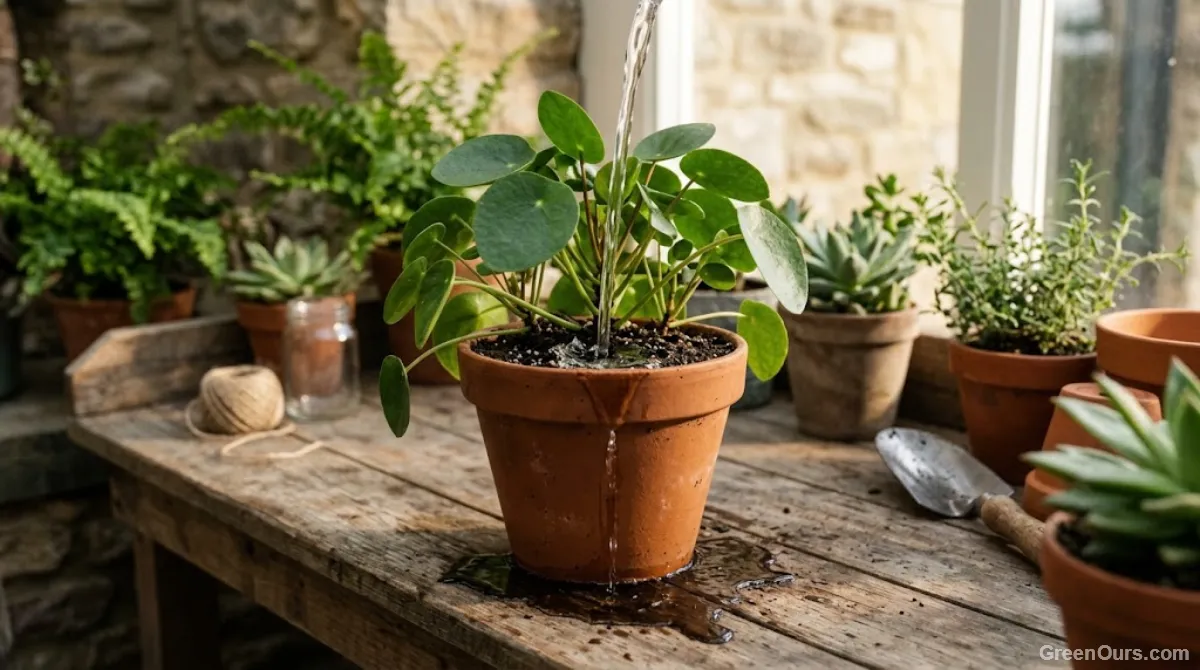
Root-Bound Plants Can't Hold Water
A root-bound plant has more root mass than soil mass. That ratio matters more than most people realize. Soil holds water. Roots don't — they absorb it and move on. When roots have replaced most of the available soil, there's simply less material left to act as a reservoir.
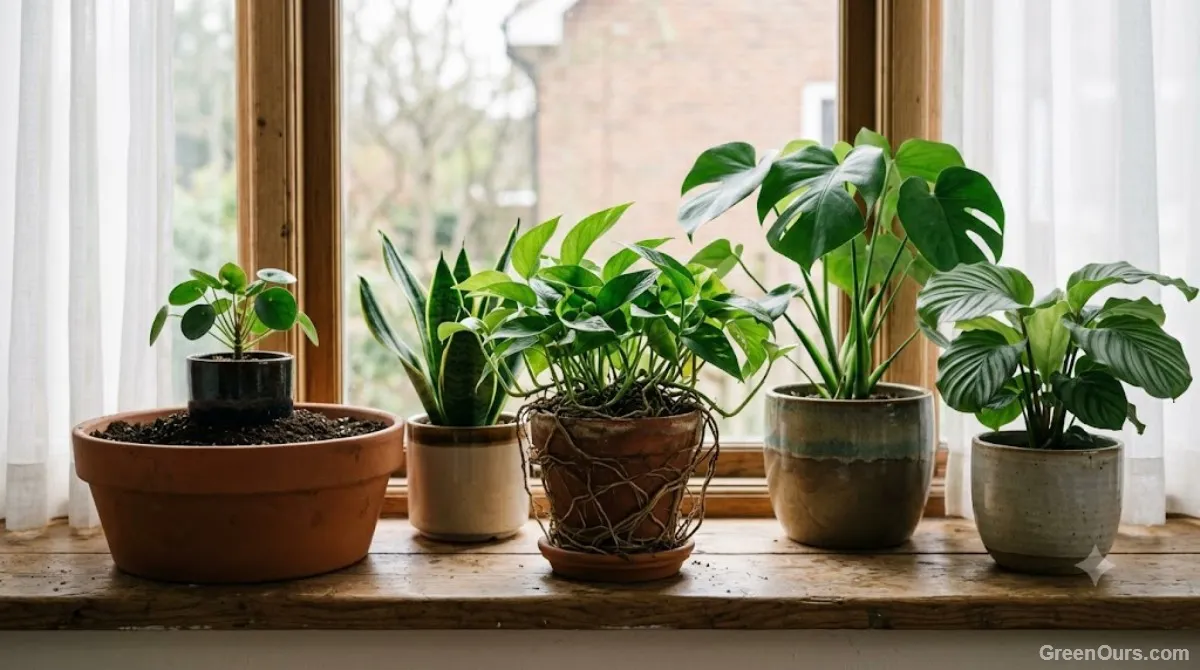
Pull the plant gently from its pot. If you see a dense wall of roots circling the outside of the root ball, with little to no visible soil between them, that's your answer. Water runs straight through the root mass and out the drainage holes in seconds, rather than sitting in soil pockets where roots can draw on it gradually.
Quick check: if your plant soil dries out too fast, water runs out the drainage holes almost immediately after you pour it in, and the pot feels light again within 24 hours, suspect root-bound roots before anything else.
Container Size Sets a Hard Limit
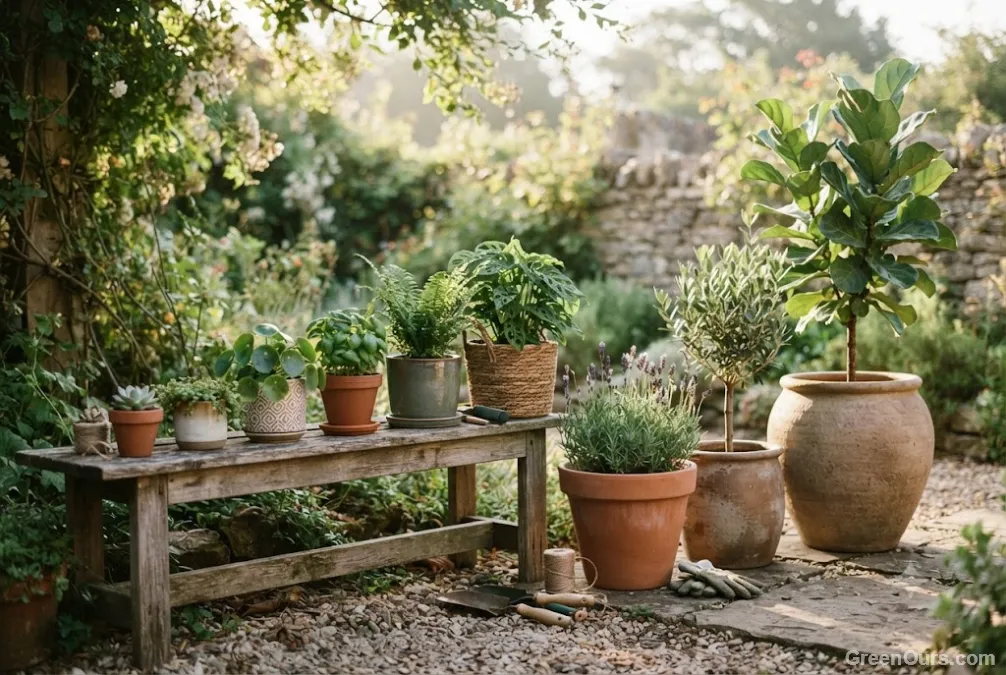
Soil volume determines water reserve. A 4-inch pot holds a fraction of the moisture a 10-inch pot does, even with identical soil. If your plant has grown significantly since its last repotting but the container hasn't changed, the pot may simply be too small to buffer against evaporation and root uptake.
Undersized Pots
A plant that's outgrown its container two or three growth cycles ago is working with a reservoir that was sized for a smaller root system. Watering more often doesn't add capacity — it just means more frequent trips with the watering can.
Porous or Unglazed Materials
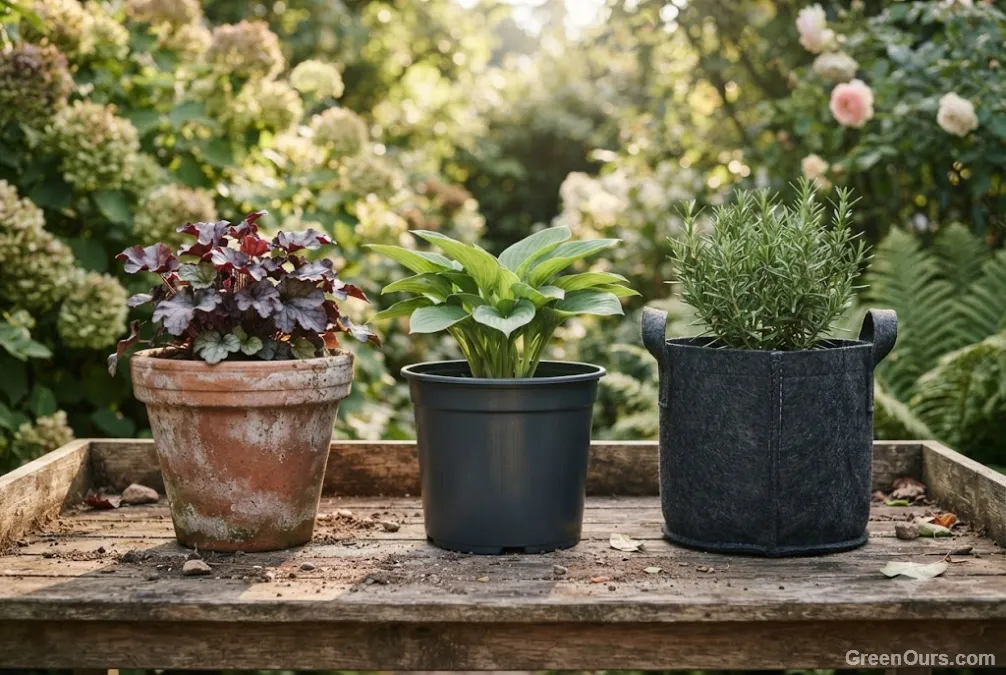
Terracotta and unglazed ceramic are porous. Water evaporates through the pot walls, not just the soil surface. That's useful for preventing overwatering, but it accelerates drying in already fast-draining setups. Switching to a glazed or plastic container can add real time between waterings without changing anything else.
Coarse Soil Mixes Drain Before Roots Absorb
Not all potting mixes are built to retain moisture. Mixes heavy in perlite, pumice, orchid bark, or coarse sand are designed for aeration and fast drainage — ideal for succulents and epiphytes, poor for plants that need consistent moisture between waterings.
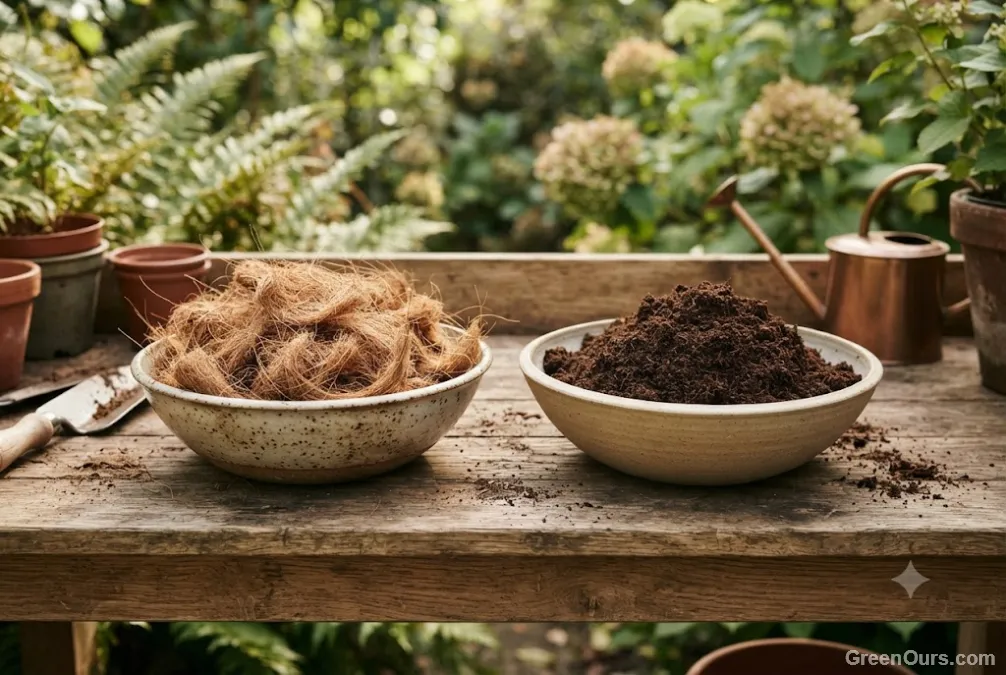
If your plant's soil looks chunky, feels light even when wet, and dries within a day, the mix itself may be the limiting factor. Amending with a small amount of coconut coir or peat can extend water retention by a meaningful margin without sacrificing drainage.
Heat and Airflow Accelerate Evaporation
Environmental conditions compound every issue above. A pot sitting near a heating vent, a sunny south-facing window in summer, or a spot with constant air circulation from a fan or AC unit will lose moisture significantly faster than one in a stable, humid corner of a room. Temperatures above 80°F (27°C) combined with low humidity can cut the time between waterings roughly in half compared to a cooler, more humid spot.
Before assuming a soil or root problem, rule out a recent move — a plant relocated closer to a window or vent will dry out faster even with no other changes.
How to Diagnose the Actual Cause
- Check the roots. Slide the plant out of its pot and look for circling, dense root mass with little visible soil.
- Check the pot size relative to plant size. If the plant has doubled in size since the last repotting, the container is likely undersized.
- Check the mix. Squeeze a handful of moist soil — if it falls apart instantly and feels gritty, it's built for drainage over retention.
- Check the environment. Note nearby heat sources, direct sun exposure, and airflow.
Address root-bound roots and undersized containers first — they're structural problems that watering frequency can't solve. Soil composition and environment are secondary adjustments once the container itself is right-sized.
When to Repot vs. When to Adjust
Repot if the roots are visibly circling or the plant hasn't been up-sized in over a year of active growth. Choose a container one to two inches larger in diameter — going too large invites the opposite problem, where soil stays wet far longer than roots need.
If the roots and pot size check out fine, the fix is simpler: amend the mix for better retention, move the plant away from heat and direct airflow, or both. There's no need to repot a plant that's sized correctly just because the soil dries out — sometimes the mix or the microclimate is the only variable that needs to change.
Read more on diagnosing watering problems.
Fast-drying soil isn't a single problem with a single fix. Work through roots, container, mix, and environment in that order, and you'll land on the actual cause instead of just watering around it.