
Identifying the Problem
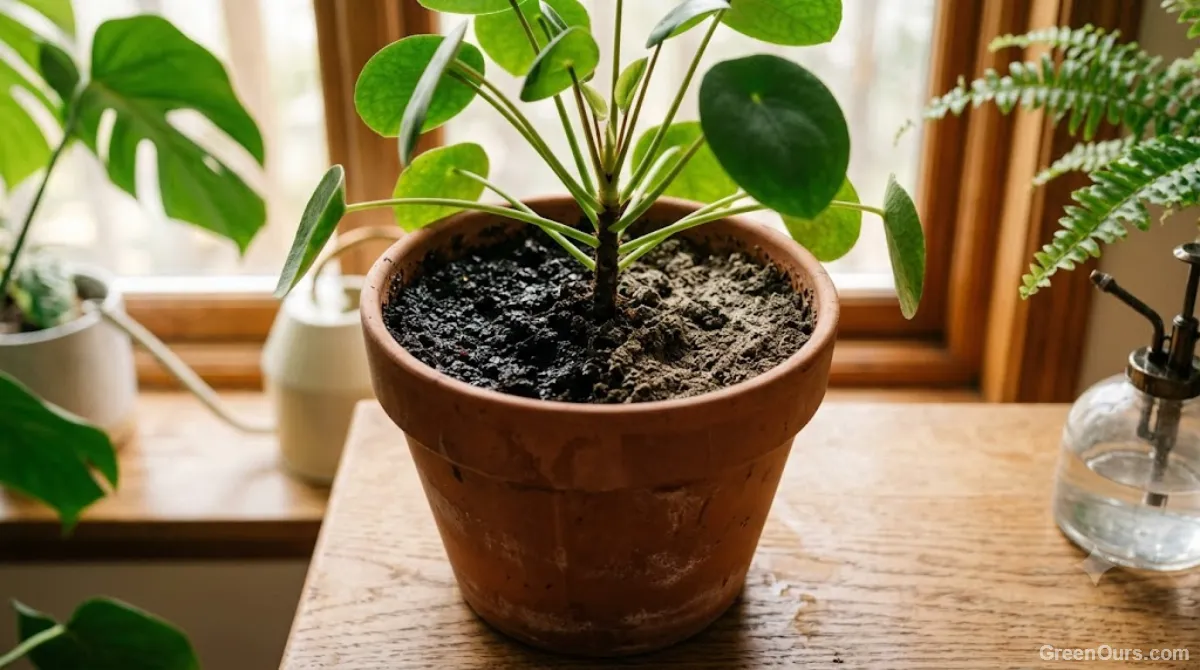
Check for three signs together. A visible gap between the soil surface and the inside rim of the pot. A soil ball that has visibly contracted, sometimes by 10 to 15 percent in diameter compared to when it was last repotted. And water that exits the drainage holes within 5 to 10 seconds of pouring, running clear and fast rather than slow and slightly cloudy. Together, these three signs point to potting soil shrinking from pot walls rather than a watering or drainage issue.
Lift the pot. A fully hydrated root ball feels heavy with even weight distribution. A shrunken one feels lighter than expected and often shifts slightly inside the container when tilted — the clearest sign the mix has detached from the walls rather than simply needing a top-up.
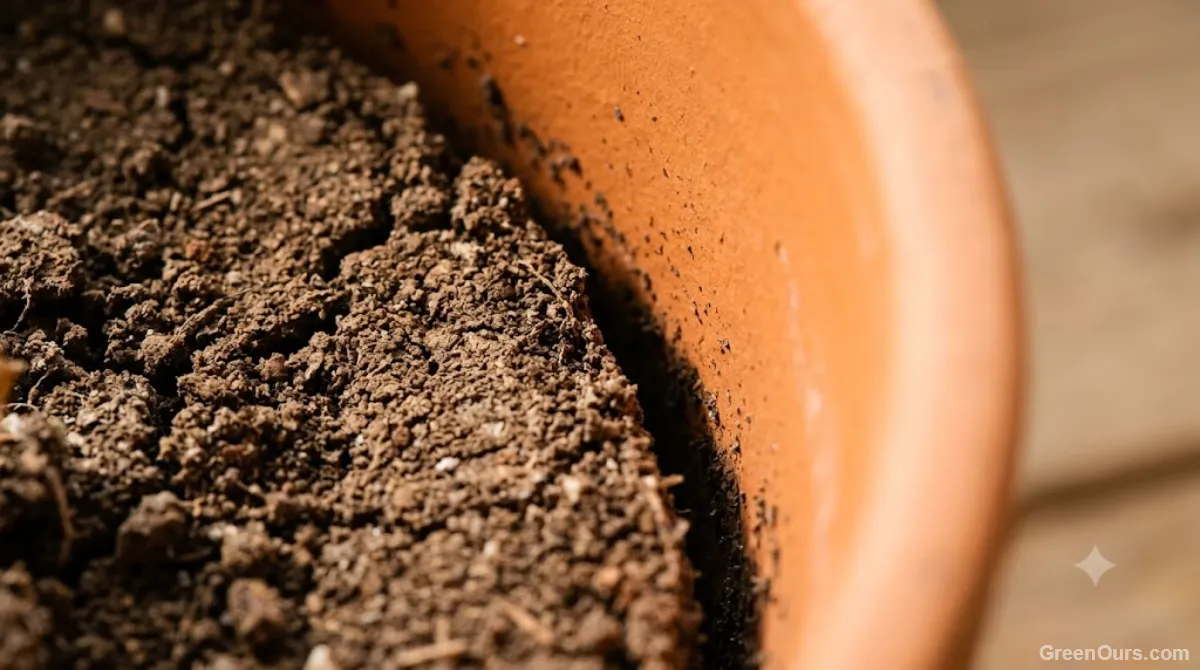
Why Potting Soil Pulls Away From the Container
Three mechanisms cause this, usually working together rather than in isolation.
Organic Components Lose Volume
Peat moss and coco coir make up the bulk of most bagged mixes. Both shrink as they dry — peat can lose up to 30 percent of its wetted volume once fully desiccated. That shrinkage doesn't happen evenly across the pot. The center of the root ball dries first and contracts inward, pulling the entire mass away from the rigid container walls.
Dried Organic Matter Turns Hydrophobic
Dry peat and coir don't just shrink — they repel water. The fibers develop a waxy surface tension once moisture drops below roughly 30 percent of field capacity. Water hits that surface and runs off instead of soaking in, which is exactly why pouring more water into a shrunken pot makes the problem look better on the surface while doing nothing for the roots below.
Root Mass Doesn't Refill the Gap
Roots that die back from drought stress or transplant shock leave void space behind. Unlike soil, dead root tissue doesn't reabsorb moisture and swell back to its original size. The combined effect — shrunken organic matter plus collapsed root channels — leaves a soil ball measurably smaller than the container that holds it. This is why two plants in identical pots, watered on the same schedule, can end up with very different gap sizes — one with a resilient root system that barely notices a dry week, the other with roots already stressed from a prior repot or pest issue.
Quick check: if water exits the drainage holes in under 10 seconds and the pot feels lighter than its usual watered weight, you're dealing with a shrinkage gap — not a drainage problem and not overwatering.
How to Rehydrate the Root Zone Correctly
Surface watering won't reach a shrunken root ball, no matter how slowly you pour. Use one of these methods instead.
- Bottom-soak for 20 to 30 minutes. Set the pot in a basin with 2 to 3 inches of room-temperature water. Water enters through the drainage holes and wicks upward, rehydrating the mix from the inside out instead of running down the outer gap.
- Add a wetting agent for severely dried mix. If the soil floats or beads water after 10 minutes of soaking, mix a few drops of dish soap or a commercial soil wetting agent into the soak water. This breaks the surface tension on hydrophobic peat and coir fibers.
- Repeat over 24 to 48 hours. One soak rarely rehydrates a fully contracted root ball in a single session. Check weight and gap size after the first soak, then repeat once more if the center still feels dry to a finger inserted 2 inches down.
- Press the soil back against the pot wall. Once rehydrated, gently press the perimeter of the soil ball outward with your fingers to close the gap. This restores the seal that keeps future watering flowing through the root zone instead of around it.
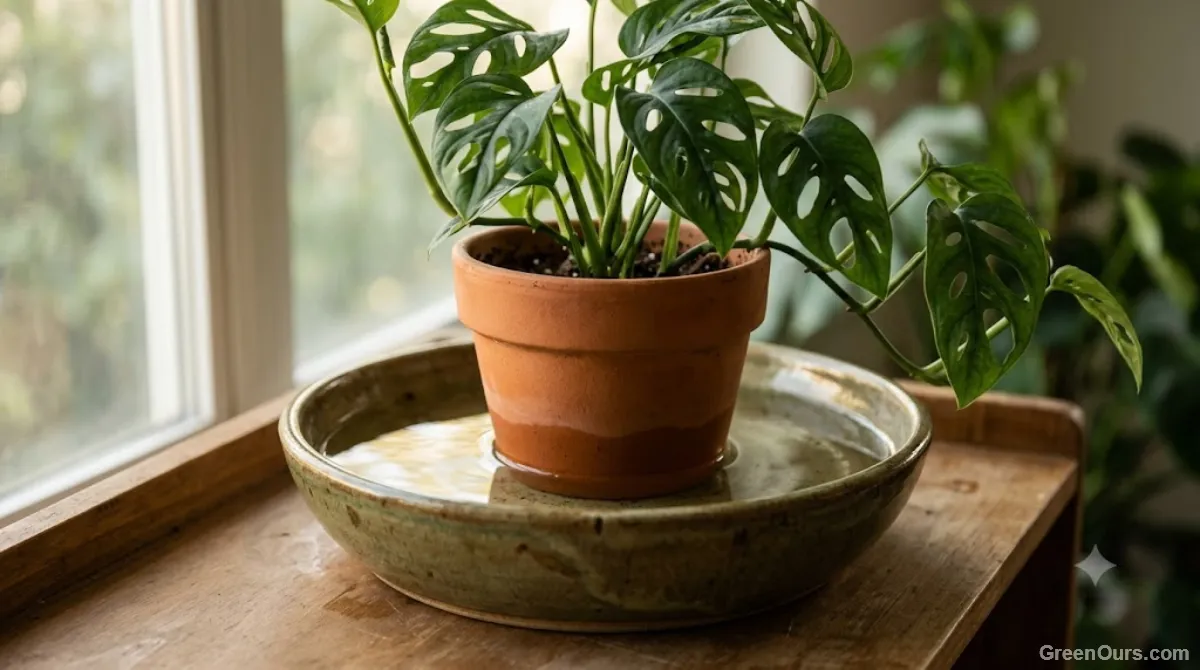
When to Replace the Potting Mix Instead
Rehydration works once, sometimes twice. It stops working when the organic matter has broken down structurally, not just dried out. Older mixes are especially prone to this outcome — peat's structural integrity degrades a little more with every dry-out-and-rehydrate cycle, which is why a pot that held moisture fine last year might need fresh mix sooner this year. Replace the mix if any of these apply:
- The soil ball shrinks again within 5 to 7 days of a thorough soak, even with consistent watering afterward.
- The mix feels fine and compacted rather than loose and fibrous — a sign the peat has decomposed past the point of holding structure.
- You've bottom-soaked twice and water still exits the drainage holes in under 15 seconds.
At that point, repot with fresh mix rather than continuing to fight a structural problem with water alone. No amount of soaking restores peat that has broken down past its functional lifespan, which typically runs 12 to 24 months in an actively watered container.
Preventing the Gap From Reforming
The shrinkage cycle restarts every time the mix is allowed to dry past 20 to 25 percent of field capacity for an extended stretch. Water on a schedule tied to soil moisture, not a fixed calendar date — check 2 inches down with a finger, and water when that layer is dry rather than waiting for the whole pot to dry out.
Mixes heavy in peat or coir are more prone to this cycle than those blended with bark, perlite, or coarse compost. If a plant repeatedly dries out and pulls away from its pot between waterings, repot into a mix with 20 to 30 percent coarse bark or perlite added. Coarse particles hold their shape when dry and keep the mix in contact with the pot wall even through extended dry stretches. A simple moisture meter, checked weekly for the first month after repotting, makes it easy to catch the early stages of shrinkage before the gap becomes visible from the surface.
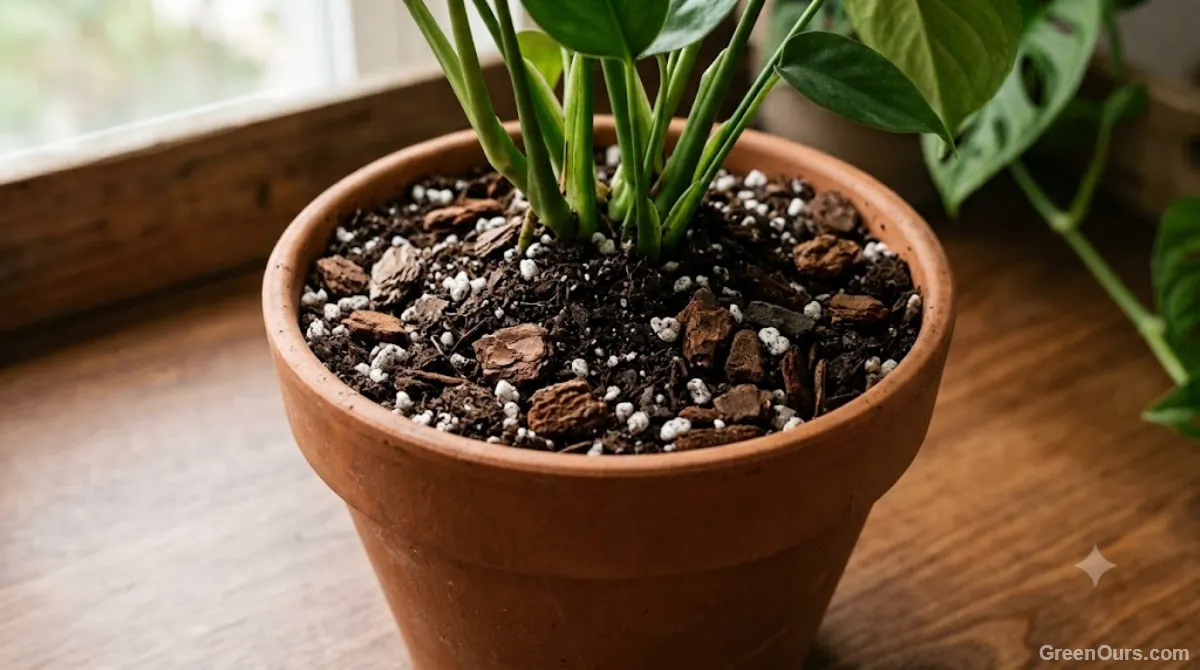
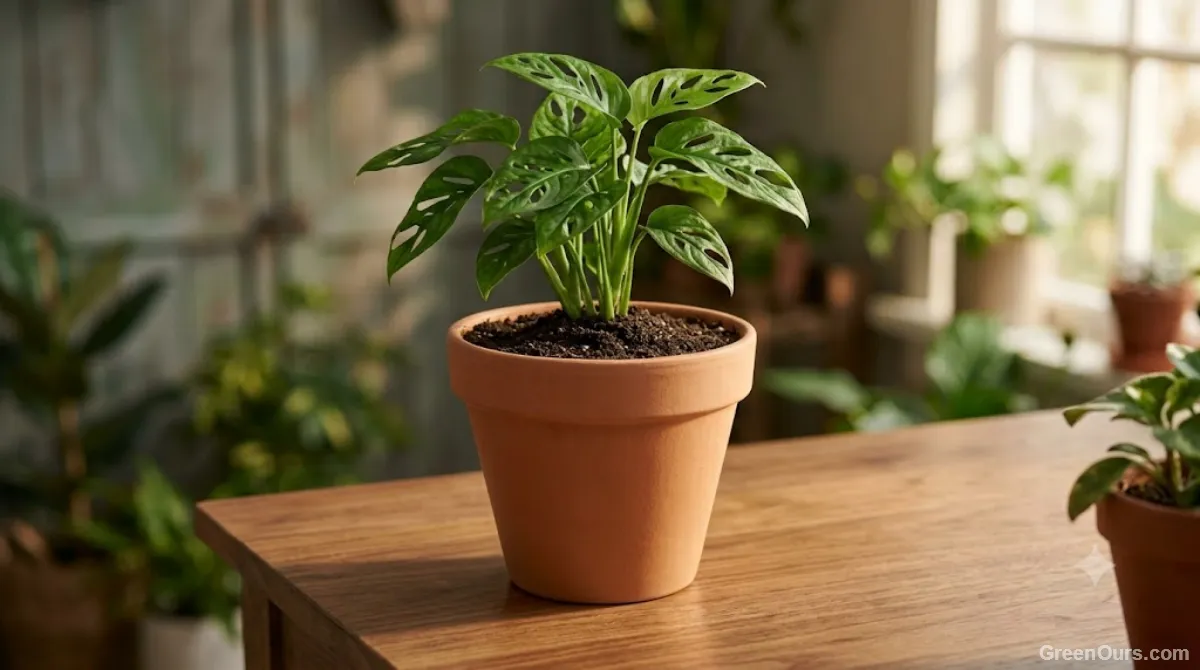
Diagnose watering problems before they become bigger ones.
A shrunken root ball isn't a sign of neglect. It's a predictable outcome of how peat and coir behave once they dry past a certain point. Catch the gap early, rehydrate from the bottom, and the fix takes a day. Ignore it through several watering cycles, and the mix itself becomes the problem worth replacing.