
The Citrus Rule Nobody Fully Explains
Somewhere along the way, composting picked up a rule that sounds authoritative but rarely gets a real explanation: no citrus. It gets repeated in comment sections and beginner guides alike, usually with a vague nod to "acidity" or "it'll kill your worms." Ask anyone to explain the actual mechanism, though, and the answer gets fuzzy fast.
Here's the short version: citrus peels aren't banned from compost. They're restricted, and there's a real difference between those two things. Regular scraps like banana peels or coffee grounds break down evenly and cause no fuss. Citrus is different because of what's packed into that bright, fragrant skin — mainly d-limonene, an oil that gives citrus its smell and also happens to double as a natural pesticide. That's the part of the rule everyone remembers. What gets left out is the dose that actually matters, and the fact that a few peels from your morning routine look nothing like a bag of rinds dumped in all at once.
What's Actually Happening: Acidity, Oils, and a Balanced Bin
Citrus peels do start out acidic, sitting somewhere around 2 to 3 on the pH scale before they break down. That sounds dramatic until you remember that a healthy compost system is a buffer, not a fixed environment. As microbes get to work, that acidity fades within days, not months. By the time your peels have broken down into anything resembling finished compost, the pH has already leveled out to something close to neutral.
The d-limonene oil is the part worth taking seriously, especially in worm bins. In concentrated amounts, it really can irritate or repel red wigglers, and that's exactly where the "citrus kills worms" warning comes from. But concentrated is the key word. A few chopped-up peels mixed into a large bin of bedding and food scraps is nowhere near the concentration used in essential oil extracts. Worms in a well-managed bin can and do process small amounts of citrus without issue — they just need it introduced thoughtfully, not dumped in whole.
The mindset shift that helps most: think of citrus as a "sprinkle, not a scoop" ingredient. Small, chopped, occasional additions work fine. A full bag of orange rinds all at once doesn't.
How to Add Citrus Without Throwing Off Your Bin
The real question isn't whether to add citrus — it's how much, how it's prepared, and how quickly your particular system can process it. Hot piles and worm bins handle it a little differently, so it helps to treat them separately.
If You're Hot Composting
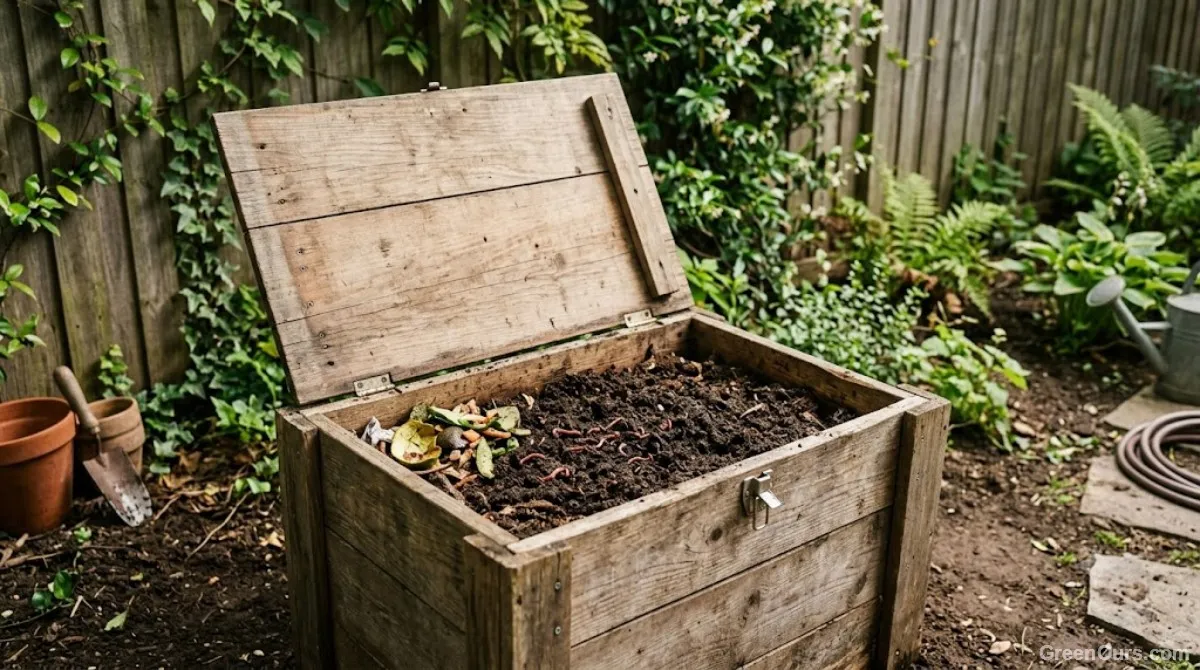
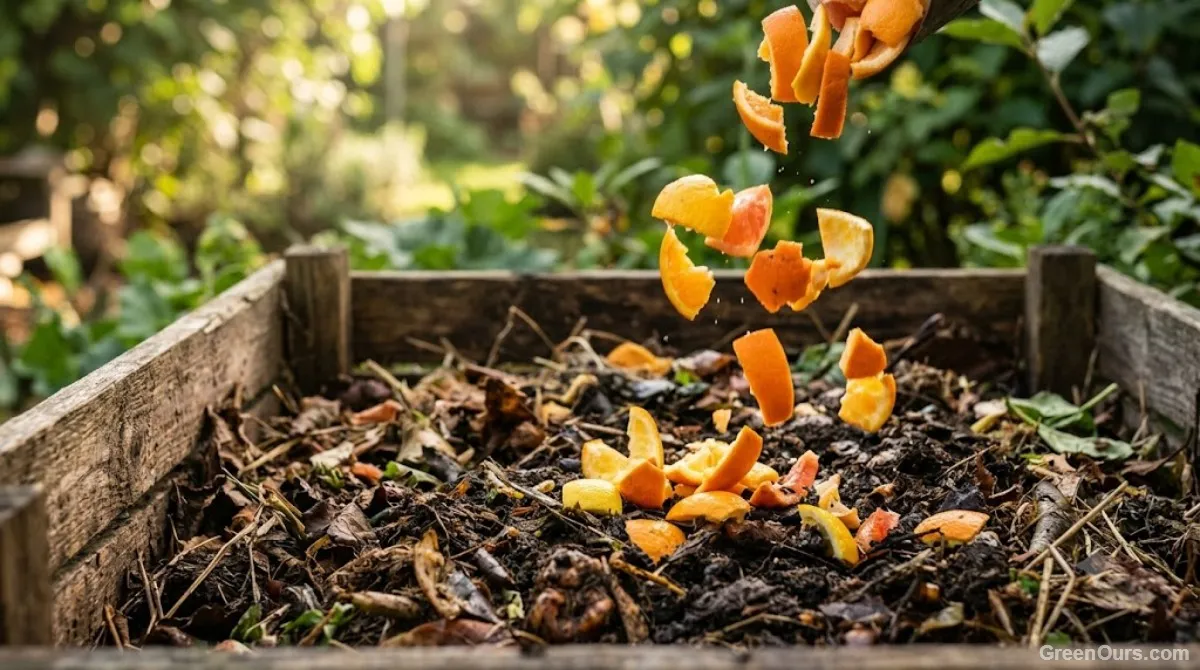
In an active hot pile — the kind that's heating up and getting turned regularly — citrus is genuinely low-risk. Chop peels into smaller pieces so they break down faster, and mix them into the pile rather than leaving them sitting on top in a clump. Keep citrus to roughly 10 to 15 percent of your total "greens" at any given time. That leaves plenty of room for a daily grapefruit habit without overloading one section of the pile with oils and acidity all at once.
If You're Worm Composting
Worm bins deserve a gentler hand. Add citrus in small amounts — a few chopped pieces a week rather than daily — and always bury it under a layer of bedding instead of leaving it exposed on the surface. Watch your worms for a few days after adding citrus for the first time. If they migrate away from that section, ease off for a week and let it break down before adding more. Most bins adjust just fine once citrus becomes a modest, regular habit instead of a sudden addition.
When Citrus Peels Should Stay Out of the Bin
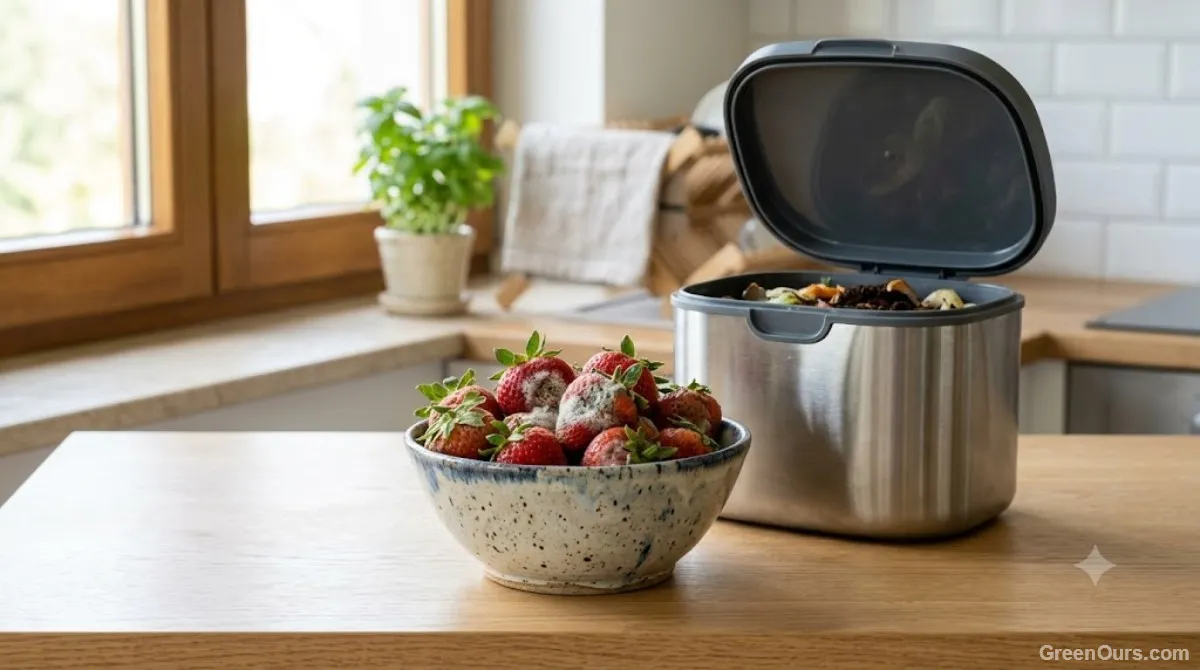
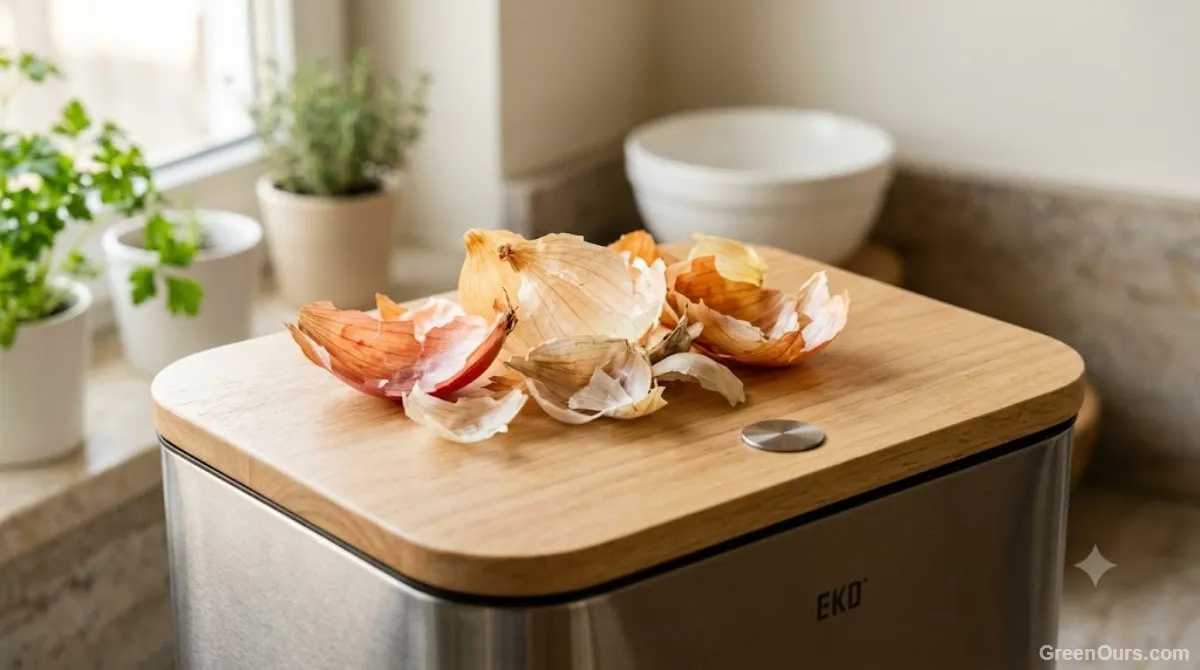
Not every peel deserves a spot in your compost. Skip citrus that's gone moldy or slimy — at that point you're not composting fruit, you're introducing whatever grew on top of it, and that's a different problem entirely. If pesticide residue worries you, give conventionally grown peels a thorough wash first, or skip them. And skip adding whole, unchopped peels in bulk — a dozen intact orange skins dumped in over one weekend is exactly the scenario that gives citrus its bad reputation, because that really is too much acidity and oil concentrated in one spot.
Thick-skinned citrus like grapefruit and pomelo also takes noticeably longer to break down than a thin orange peel, so if you're chopping for the bin, chop those extra small.
If You Only Remember One Thing About Composting Citrus
If you take away nothing else, take this: chopped, occasional, and mixed in beats whole, frequent, and piled on top, every time. That one habit solves nearly every citrus-related compost problem before it starts. You don't need a special bin, a separate pile, or a strict citrus ban to keep your compost healthy — you just need to treat citrus the way you'd treat any strong ingredient in a recipe: enough to add something, not so much that it overwhelms everything else.
Chopped, occasional, and mixed in — that's the whole trick.
These days, my orange peels go straight into the bin, chopped into smaller pieces without a second thought. The worms haven't complained, the pile hasn't turned into a science experiment, and I've stopped treating citrus like contraband. Turns out the rule was never really "no citrus" — it was always "don't overdo it," which, if we're honest, is decent advice for compost and for life.