
The Short Answer: Yes, Most Moldy Food Can Go in the Compost
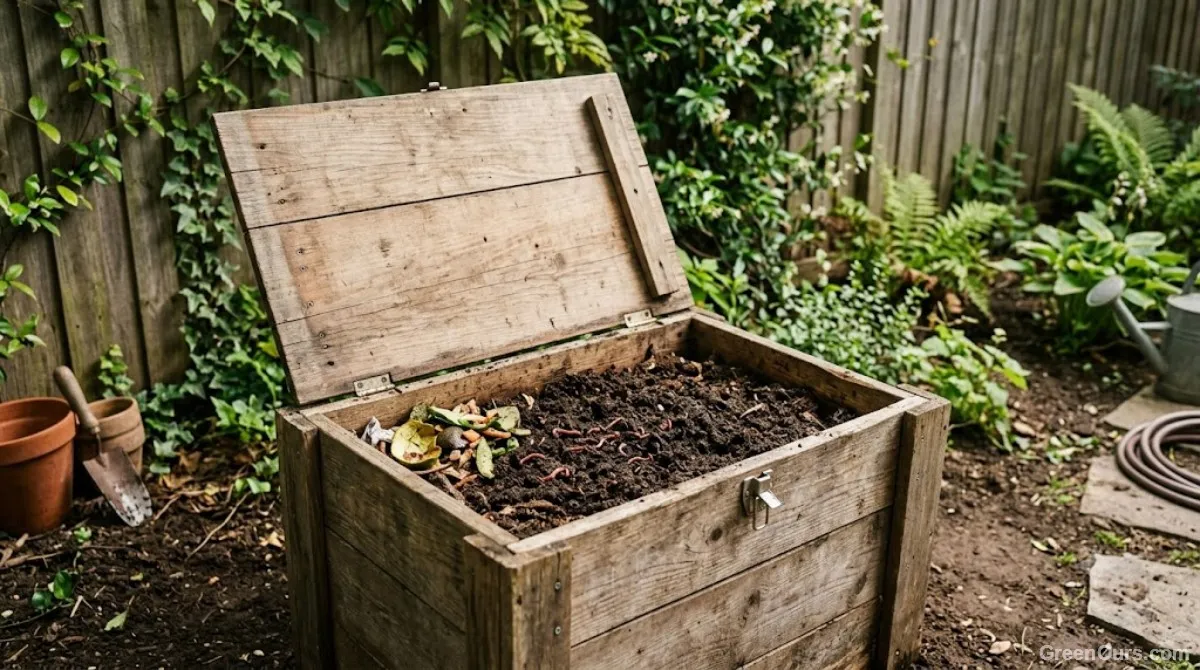
Mold is a fungus, and fungi are one of the main decomposers that make composting work in the first place. When you see mold on a rotting food scrap, you're not looking at contamination that needs to be quarantined. You're looking at decomposition already underway. Adding that food to your compost bin doesn't introduce mold to the pile that wasn't already there in some form. It just adds food that's a few days ahead of schedule.
That's true for the vast majority of moldy produce, bread, and grains sitting in your kitchen right now. The mold itself isn't really the problem. It's more useful to ask what's underneath the mold and what else is going on with the food before you decide where it goes.
Why Mold Freaks People Out More Than It Should
Here's the thing: most of us learned to treat visible mold as an emergency because of how we think about food safety, not garden science. If mold on bread means don't eat this, it's an easy leap to assume mold anywhere means don't touch this either. But a compost pile isn't a plate, and it was never meant to be sterile. It's an active, messy ecosystem where fungi, bacteria, worms, and insects are already breaking things down together, often at the same time.
Not All Mold Looks The Same, and That Matters a Little
White and Gray Mold
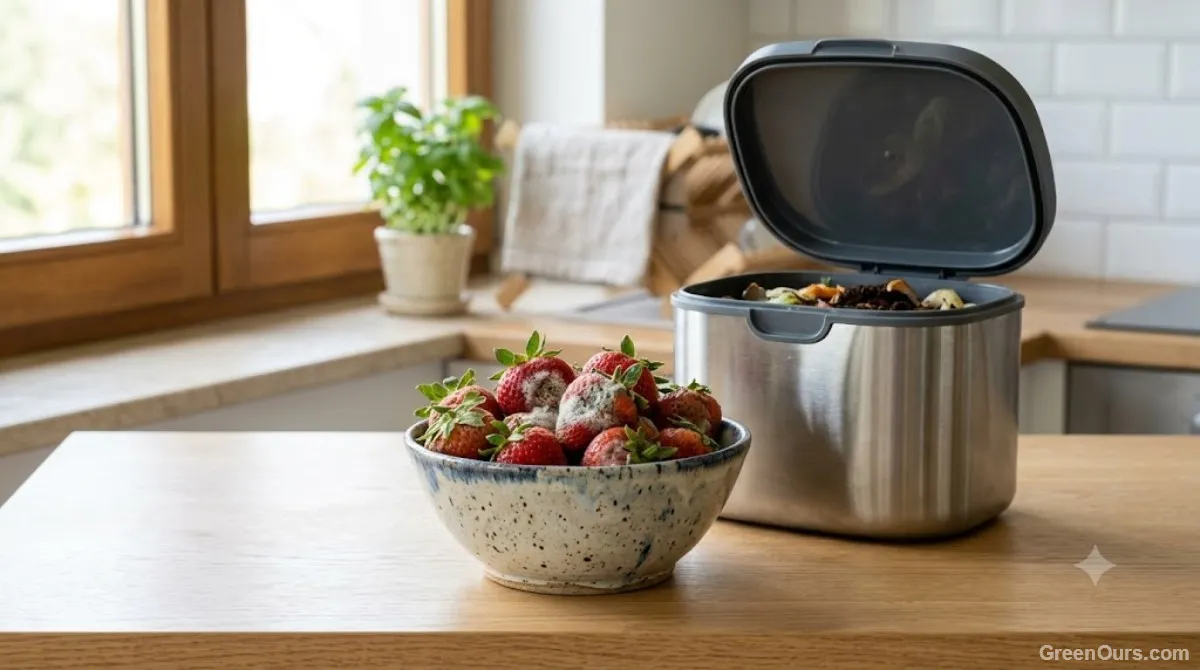
The soft, fuzzy white or gray mold you'll see on bread, fruit, and leftover grains is common, harmless in a compost context, and breaks down quickly once it's buried in the pile. This is the mold most people are dealing with when they ask this question, and it's the least worth worrying about.
Black and Orange Mold
Darker mold, especially anything black, slimy, or unusually vivid orange, is more often a sign that something has been sitting far too long or that conditions were too wet. It's still generally fine to compost, but pair it with extra dry browns to soak up excess moisture and keep your pile from tipping toward the same soggy, smelly conditions that produced it.
The Foods Where Moldy Is No Big Deal
Fruits and Vegetables
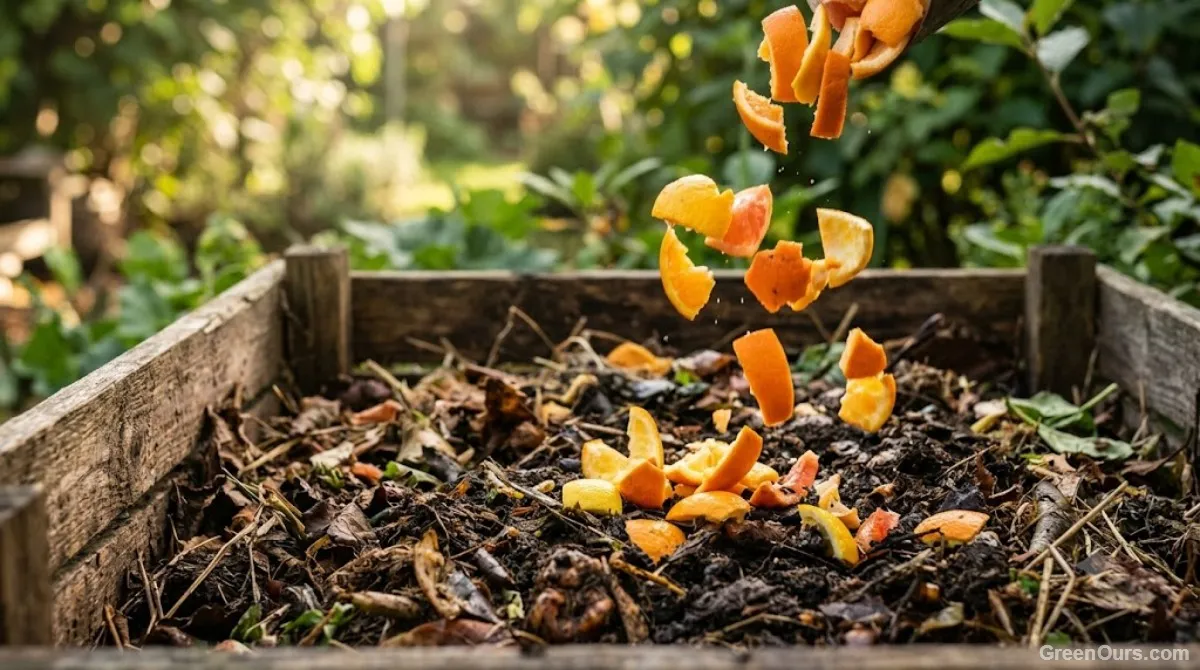
Soft mold on strawberries, a fuzzy spot on a tomato, a wrinkled and graying cucumber. All of this composts easily. Chop or break larger pieces into smaller chunks so they break down faster, and toss them in like you would any other produce scrap headed for the bin.
Bread and Grains
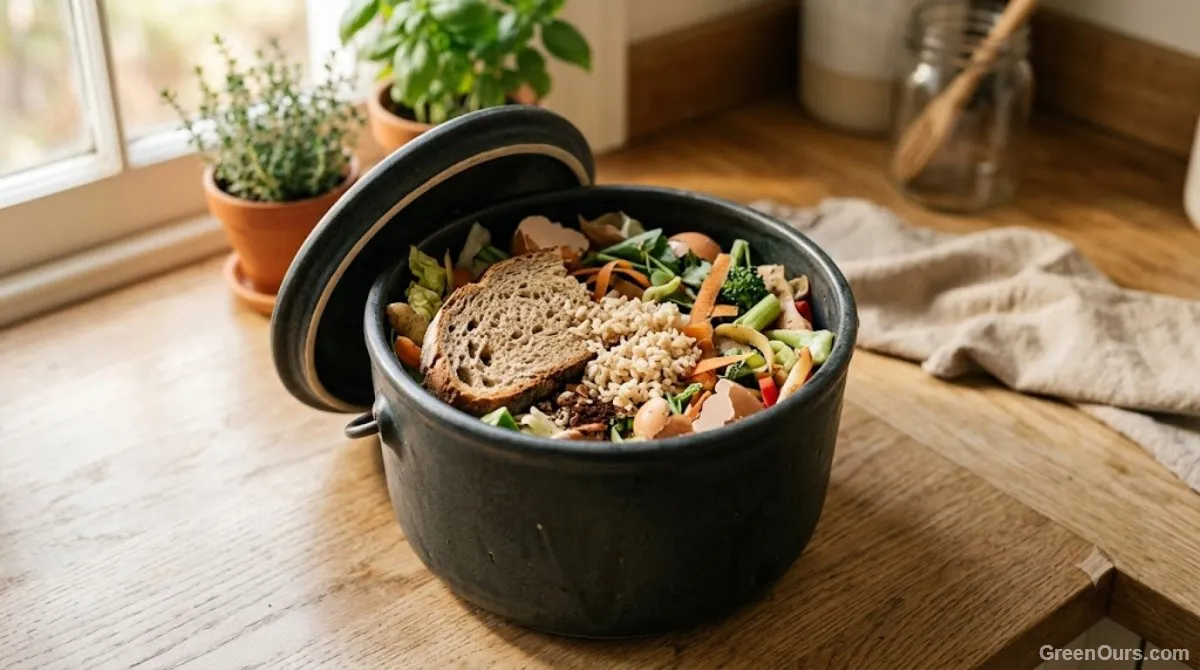
Moldy bread, stale crackers, or leftover rice compost well too, though bread tends to attract fruit flies faster than produce does. Burying it a few inches under existing material in the pile helps keep pests from noticing it's there at all.
When Moldy Food Should Skip the Compost Bin
Meat, Dairy, and Oily Foods
Moldy cheese, meat scraps, or anything cooked in oil or butter is where the advice actually changes. These items decompose slowly, tend to smell strongly as they break down, and are far more likely to attract rodents and flies than moldy produce ever will. Most home compost setups, especially small backyard bins, simply aren't built to handle them safely.
Diseased or Chemically Treated Plant Material
This one surprises people: mold isn't always just mold. If a fruit or vegetable was affected by a plant disease before it ever reached your kitchen, composting it can carry that pathogen into your pile and eventually into your garden soil. When you're unsure about the source, especially with anything homegrown that looked sick before harvest, it's safer to throw it out than risk spreading the problem.
How to Add Moldy Food Without Creating Problems
A few habits make moldy scraps easy to compost without turning your bin into a fly magnet or a smell factory.
- Bury moldy scraps under a layer of browns — dry leaves, shredded cardboard, or straw — instead of leaving them exposed on top where pests can find them.
- Break larger pieces into smaller chunks so decomposition moves faster and mold doesn't get the chance to spread across the whole surface of the pile.
- Keep your ratio of browns to greens balanced. A pile that's too wet and too green is exactly the environment where unwanted mold and odor problems tend to start in the first place.
- Turn your pile regularly. Oxygen keeps the right decomposers active and discourages the anaerobic conditions that cause the genuinely bad smells people worry about.
Managing the balance of your bin is the easiest way to keep these materials breaking down smoothly.
See our guide to starting a balanced home compost binWhat If You're Using a Worm Bin Instead?
Worm bins need a gentler approach than an outdoor pile. Worms are sensitive to strong odors and can be harmed by mold from dairy, meat, or oily foods faster than a backyard compost pile would be affected. Stick to small amounts of moldy fruit or vegetable scraps, chop them finely, and bury them under bedding rather than leaving them near the surface. Skip anything questionable entirely. A worm bin has a much smaller margin for error than an outdoor pile does, and your worms will thank you for being cautious.
What to Do Next
The next time you find a forgotten container of something fuzzy in the back of your fridge, you don't need to panic or automatically reach for the trash. Most of it has a place in your compost bin. You just need to know which pieces genuinely don't.