
What Heat Actually Does Inside a Worm Bin
Red wigglers, the species most home worm bins use, are happiest somewhere between 15°C and 25°C (59°F to 77°F). Push much past 30°C (86°F) and things get dangerous fast — not because the worms mind warmth exactly, but because heat speeds up decomposition, and fast decomposition means a spike in ammonia and heat generated from within the bin itself. A worm bin sitting in a hot shed or against a sun-facing wall isn't just warm from the outside. It's cooking itself from the inside too.
Add humidity to that equation and you get a second problem: airflow drops. Damp, heavy air doesn't move through bedding the way drier air does, so oxygen gets scarcer right when the worms need it most. That combination — heat plus poor airflow plus a faster-decomposing food layer — is basically the worst-case scenario for a bin, and it's the default weather pattern for a lot of us for months at a time.
That's the real shape of worm bin hot weather care — not one big rescue, but a handful of small, consistent adjustments to airflow, feeding, and placement made through the hottest stretch of the year, rather than a single fix you do once and forget about.
Signs Your Worms Are Already Stressed
Worms can't tell you they're struggling, but they do show it, if you know where to look.
Clustering at the Surface or Edges
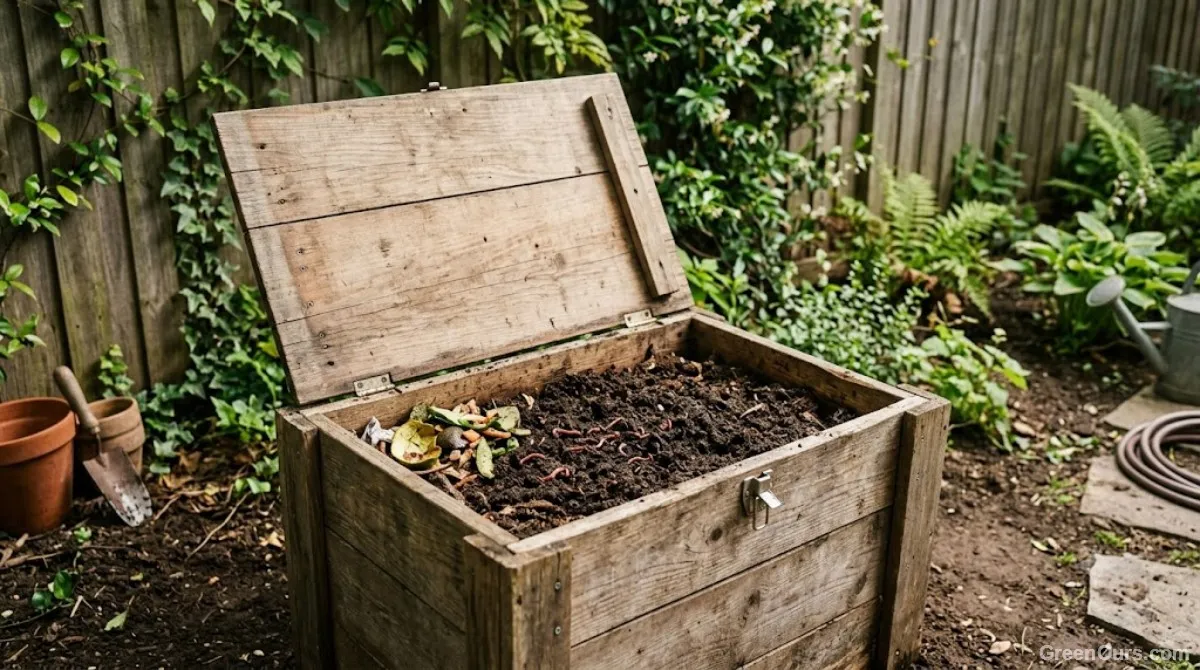
This is the big one. If you lift the lid and see worms bunched near the top, against the walls, or trying to escape through ventilation holes, they're avoiding conditions deeper in the bin — usually heat, ammonia, or both.
A Sour or Ammonia-Heavy Smell
A healthy bin smells like damp earth. A stressed one in hot weather often smells sharp or sour, a sign that food is breaking down faster than the worms can process it.
Fewer Worms Than You Remember
Not a dramatic die-off, just a noticeably thinner population over a few weeks. This one's easy to miss because it happens gradually, and by the time it's obvious, you've usually lost more than you'd like.
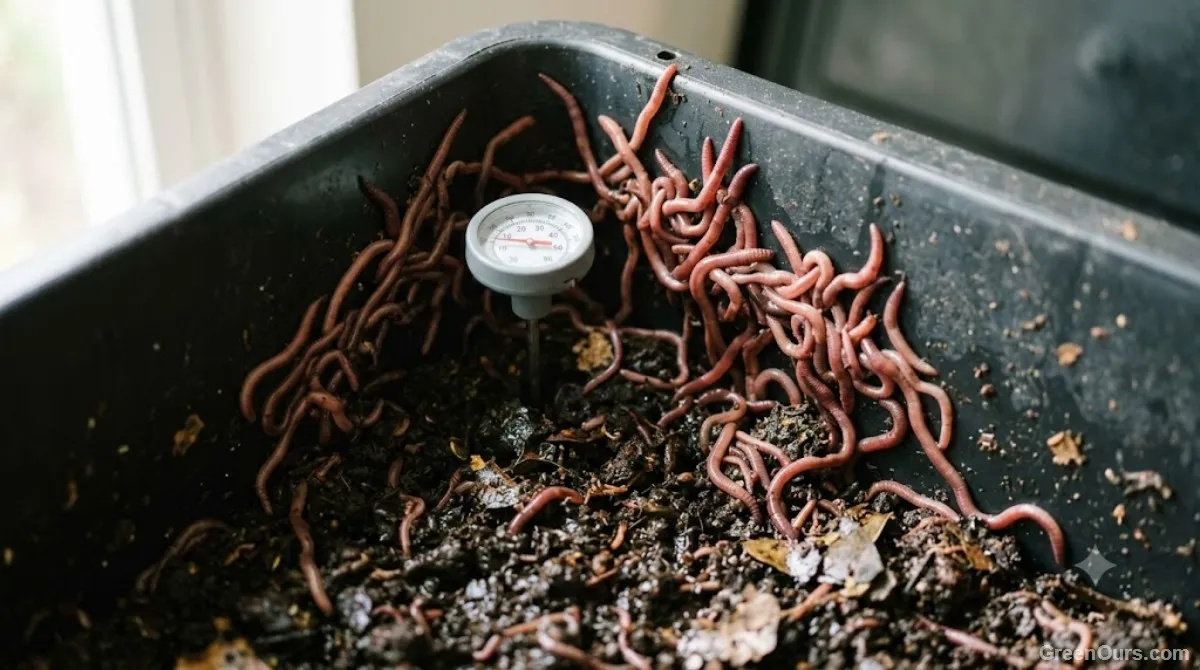
If you only check one thing during a heatwave, check the temperature a few inches into the bedding, not just the surface. A bin can feel fine to the touch on top while running dangerously hot at the core, where the worms actually live.
Where to Put the Bin When Every Room Feels Like a Sauna
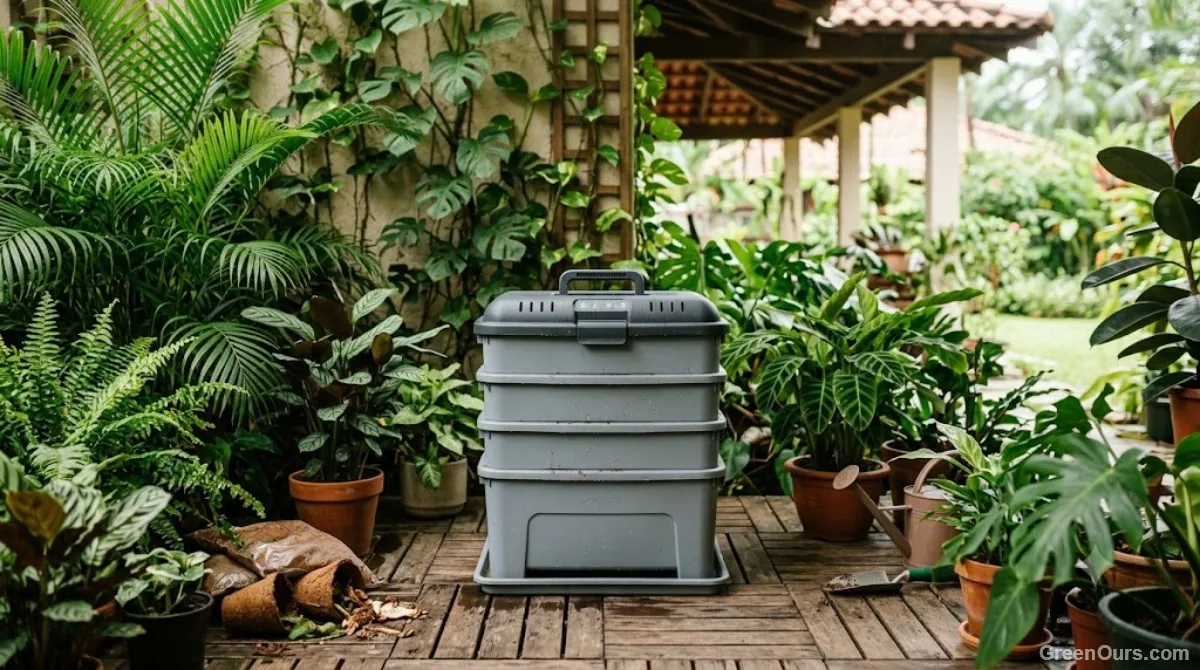
Placement solves more problems than any single product will. In hot, humid climates, the goal is shade, airflow, and distance from anything that radiates heat.
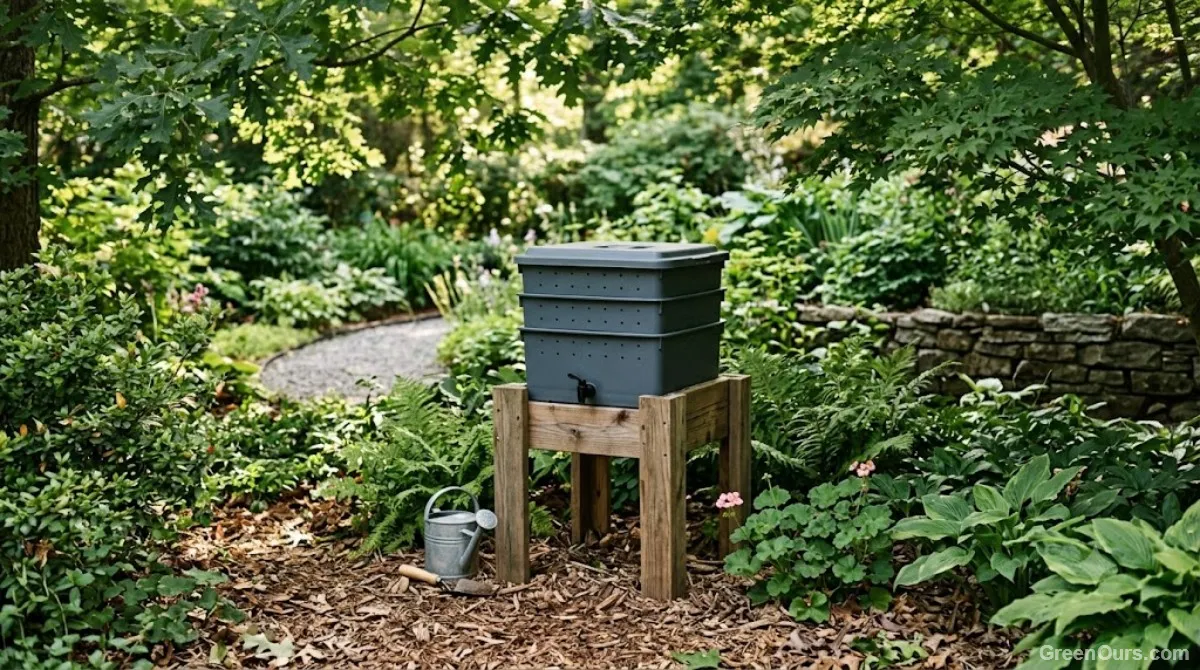
Concrete patios and asphalt driveways absorb heat all day and release it slowly into the evening, which keeps a nearby bin warm long after the sun's gone down. Move the bin onto grass, a raised stand, or even a few bricks if you can, so it's not sitting directly on a heat-retaining surface. A shaded carport, a covered porch, or the coolest interior corner you have all beat a sunny balcony, even one that only gets direct sun for a couple of hours.
If your climate barely cools down at night, a frozen water bottle placed inside the bin (sealed, obviously) for a few hours can bring the internal temperature down without soaking the bedding. Some people swap in a fresh one every evening during the worst stretches of summer. It's a small habit, but it works.
Feeding Adjustments for Hot Weather
Here's where a lot of well-meaning worm keepers make things worse without realizing it. Feeding a bin the same way you would in cooler months during a heatwave just adds more fuel to an already overheating pile.
Feed Less, Not More
Decomposition runs faster in heat, so a scrap that would take a week to break down in spring might turn to mush and start smelling within days in summer. Cut your usual feeding volume by roughly a third to a half, and check what's left before adding anything new.
Skip the Wettest Scraps
Melon rinds, cucumber ends, and other high-water-content scraps add moisture the bin doesn't need right now. Save those for drier seasons and lean on drier fibrous scraps instead.
Bury Food Deeper
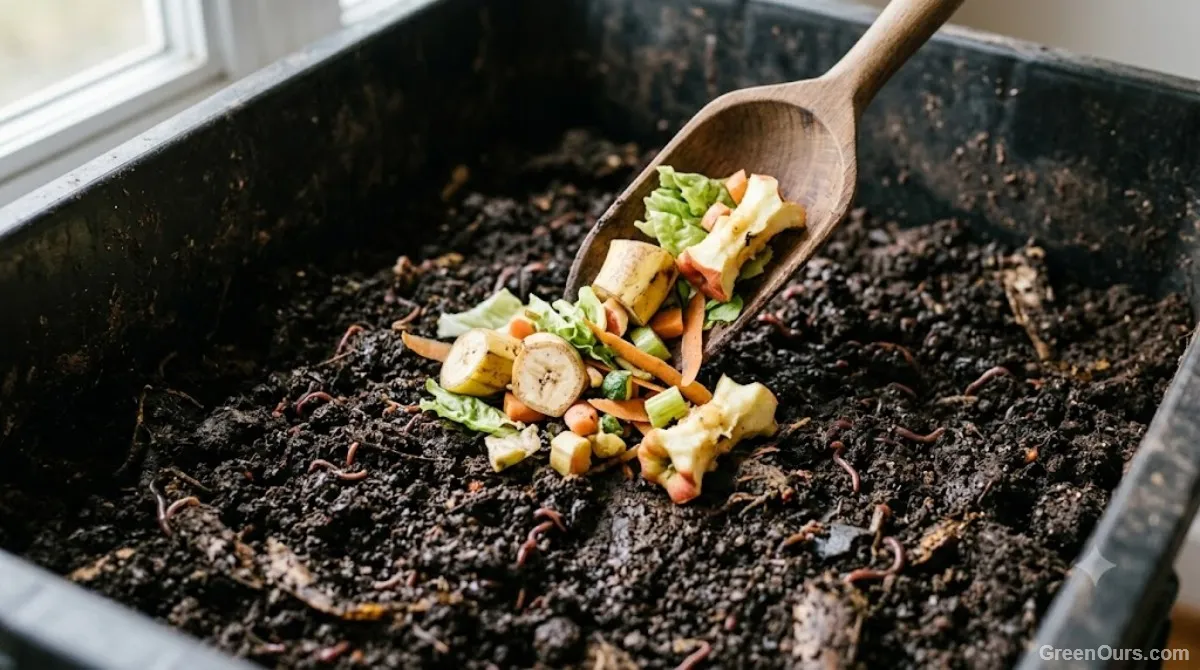
Burying food scraps a few inches into the bedding, rather than laying them on top, slows the rate at which they break down and cuts down on the fruit flies and odor that thrive in warm, exposed food.
Managing Moisture Without Drowning the Bin
Humidity makes bedding hold onto water longer than it would in a dry climate, which means the usual "wring out a sponge" moisture test still applies, but you'll likely need to add dry bedding more often than the standard advice suggests. Shredded cardboard, dry leaves, or coconut coir mixed in regularly helps absorb excess moisture and keeps air pockets open, both of which matter more in humid conditions than most guides admit.
A bin that stays soggy for days at a time is an oxygen-starved bin, and an oxygen-starved bin is exactly the environment that pushes worms toward the edges, looking for a way out. I learned this one the hard way after leaving the lid too tightly sealed during a rainy week, and the smell that greeted me when I finally checked was not subtle.
When It's More Than Just Heat
Most heat-related stress reverses within a few days once you adjust placement, feeding, and moisture. If your worms are still clustering, the population keeps dropping, or the smell doesn't improve after a week of changes, it's worth checking for a secondary issue — an overly acidic bin, a mite infestation taking advantage of stressed worms, or bedding that's compacted and needs a full refresh rather than a top-up.
A quick log — even just a note of the date and whatever you changed — makes it much easier to tell whether an adjustment actually helped or whether you're dealing with something else entirely, rather than guessing back through a stressful week from memory. It doesn't need to be fancy — mine's just a sticky note on the fridge — but it's saved me from repeating the same mistake more than once.
What to Do Next
Worm bins are more forgiving than people expect, even through a brutal summer, as long as you're paying attention to what the heat is actually doing rather than just hoping it works itself out. Mine survived that August, eventually, once I stopped feeding it like it was still spring and gave it a shadier spot to ride things out. Yours can too.
More low-effort ways to keep your compost alive, even when the weather isn't cooperating.