
The Questions You Are Too Embarrassed to Ask
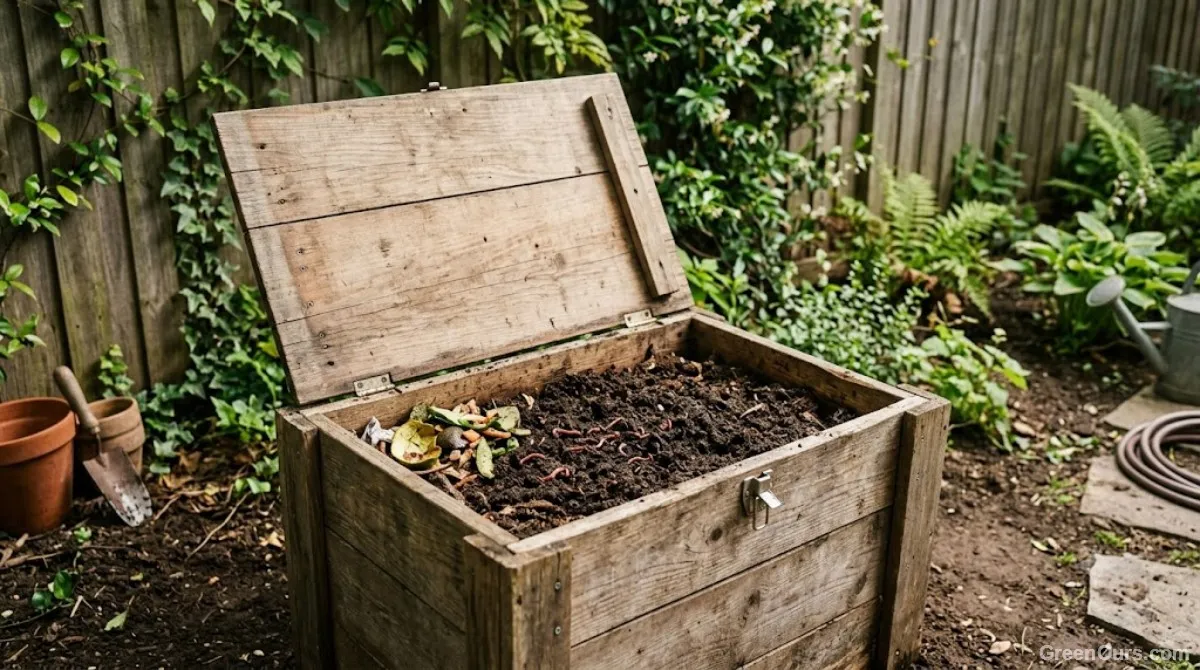
Worm farming can feel a little intimidating before you dive in, but it quickly becomes second nature. Once you understand their basic needs for moisture and balanced feeding, the process runs smoothly in the background of your kitchen or garage.
If your bin ever starts to smell, it is almost never the worms. It is usually too much food breaking down faster than they can eat it. Cut back on scraps before you do anything else.
Choosing the Right Worm Species
Not every worm is a composting worm, and this trips up more beginners than anything else. The worms in your garden soil, the ones you might dig up after rain, are not the ones you want in a bin. They need deep soil to survive and will die in a contained space.
What you are looking for are red wigglers, sold under the scientific name Eisenia fetida. They are surface feeders by nature, which makes them perfectly suited to a shallow bin, and they reproduce quickly enough that a small starter population turns into a self-sustaining colony within a few months. European nightcrawlers are the other option you will come across, and they work too, but they are slower breeders and better suited to people who want fewer, larger worms rather than a fast-growing population.
For a first bin, a pound of red wigglers is a reasonable starting point. That is roughly a thousand worms, which sounds like a lot until you realize most of them are small and the population needs room to grow into your food scraps over time.
Setting Up a Bin Before the Worms Arrive
Your worms should never be the first thing you buy. Get the bin ready at least a few days ahead, because it needs time to reach a stable moisture level before you introduce anything living to it.
Bin Type
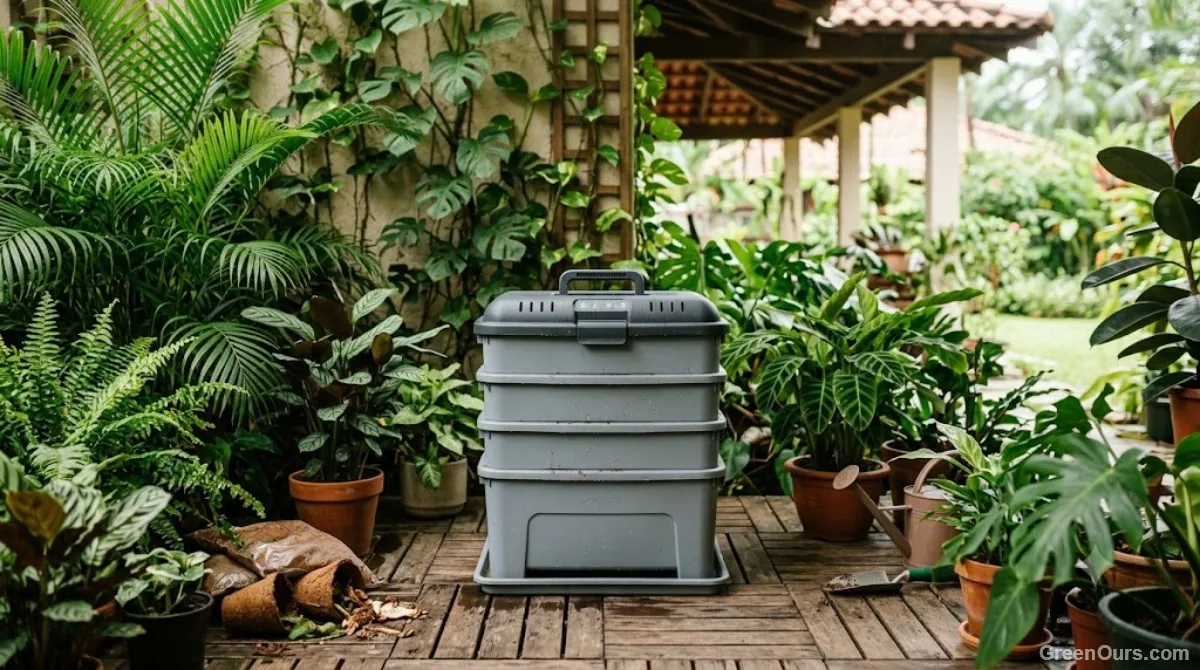
A plastic storage bin with a lid works fine to start, as long as you drill ventilation holes in the lid and sides, plus drainage holes in the bottom if you are not using a tray underneath. Purpose-built stacking worm bins are nice but not necessary for a first attempt, and I would rather you spend fifteen dollars figuring out whether you actually enjoy this before committing to specialized equipment.
Bedding
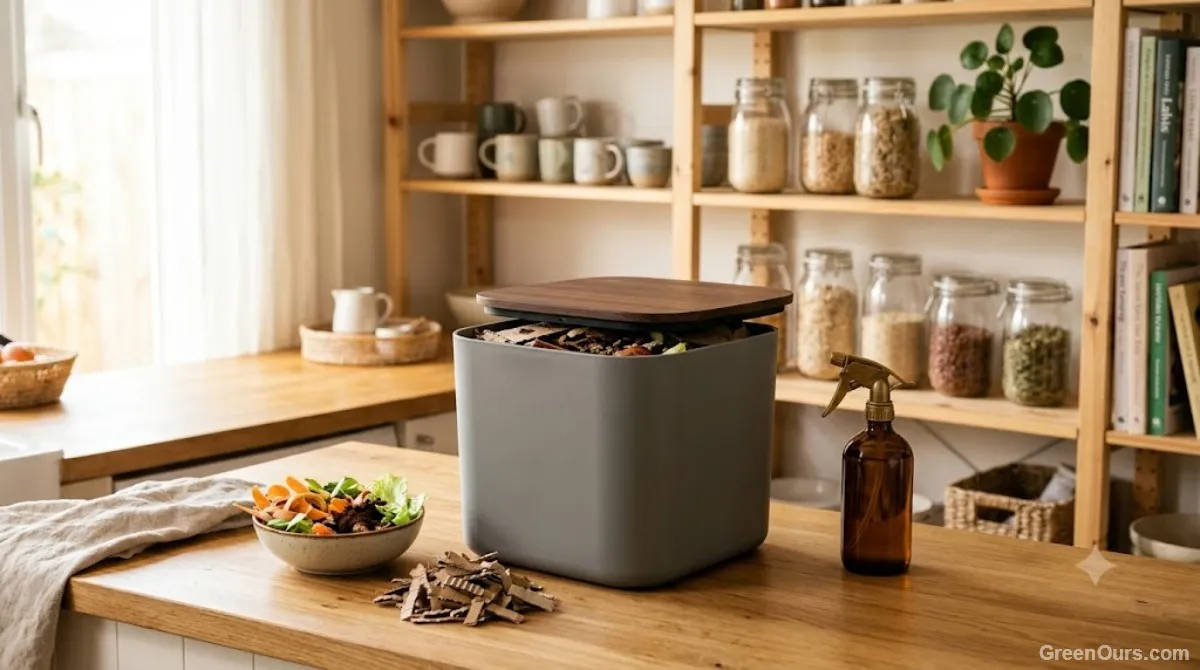
Shredded cardboard, torn newspaper, and coconut coir make up the bulk of the bedding. It should feel like a wrung-out sponge, damp but not dripping. Fill the bin about three-quarters full with loosely packed bedding before adding a handful of soil or finished compost, which introduces the microbes worms rely on to help break food down.
Feeding Your Worms Without Overdoing It
For the first two weeks, feed sparingly. A small handful of chopped vegetable scraps buried under the bedding, once or twice a week, is plenty while the colony establishes itself. Coffee grounds, fruit peels, and crushed eggshells are all safe. Skip meat, dairy, oily foods, and anything heavily processed, since those attract pests and slow the whole system down.
Bury scraps rather than leaving them on the surface, and rotate where you bury them across the bin instead of always feeding the same corner. Once the colony is established, usually around the six to eight week mark, you will notice food disappearing faster, and that is your cue to gradually increase how much you are adding.
Harvesting Your First Batch of Castings
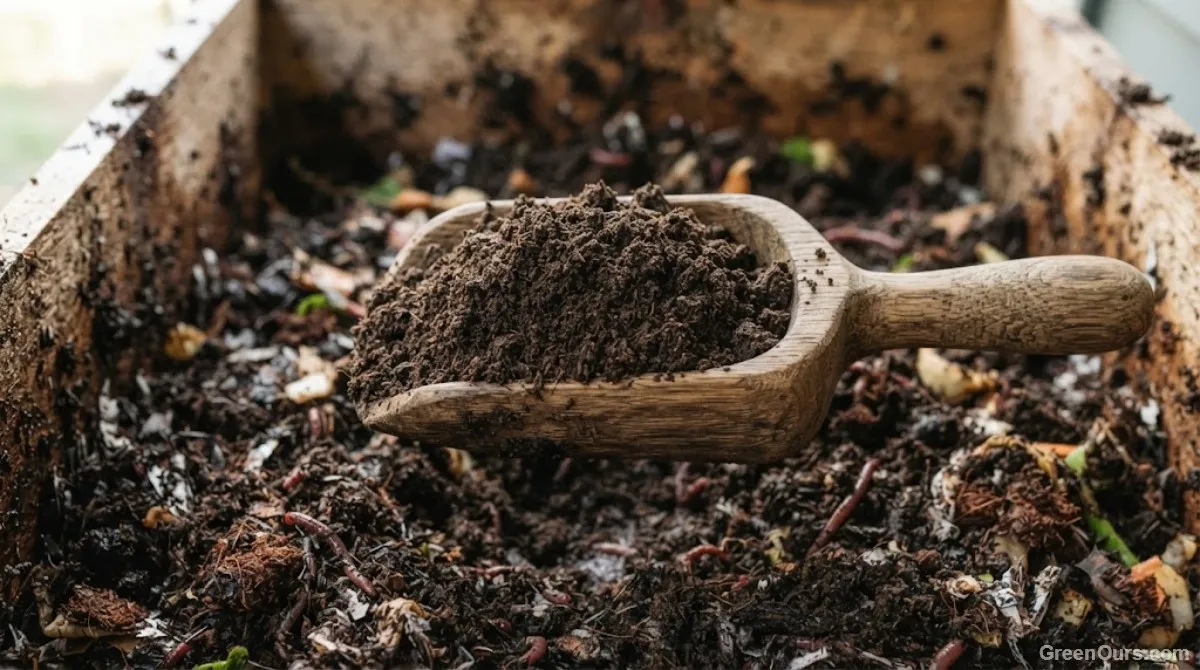
Somewhere around the three-month mark, most of the original bedding will have turned into dark, crumbly castings that look and smell like rich soil. That is the point of all this, and it is genuinely satisfying the first time you see it.
The easiest harvesting method for a beginner is the migration method: push all the finished material to one side of the bin, add fresh bedding and food only to the empty side, and wait a week or two. The worms will migrate toward the food, leaving you free to scoop out castings from the other side without picking through worms one at a time.
Use the castings in potting mix, sprinkled around houseplants, or worked into garden beds. A little goes a long way, since worm castings are concentrated compared to regular compost.
What to Do Next
Worm farming isn't going to fix your entire relationship with waste overnight, and it doesn't need to. It is one small system that quietly turns scraps into something useful, and once it is running, it mostly just runs. The embarrassing questions stop mattering pretty quickly once you are actually watching it work.