
Why Some Kitchen Scraps Regrow at All
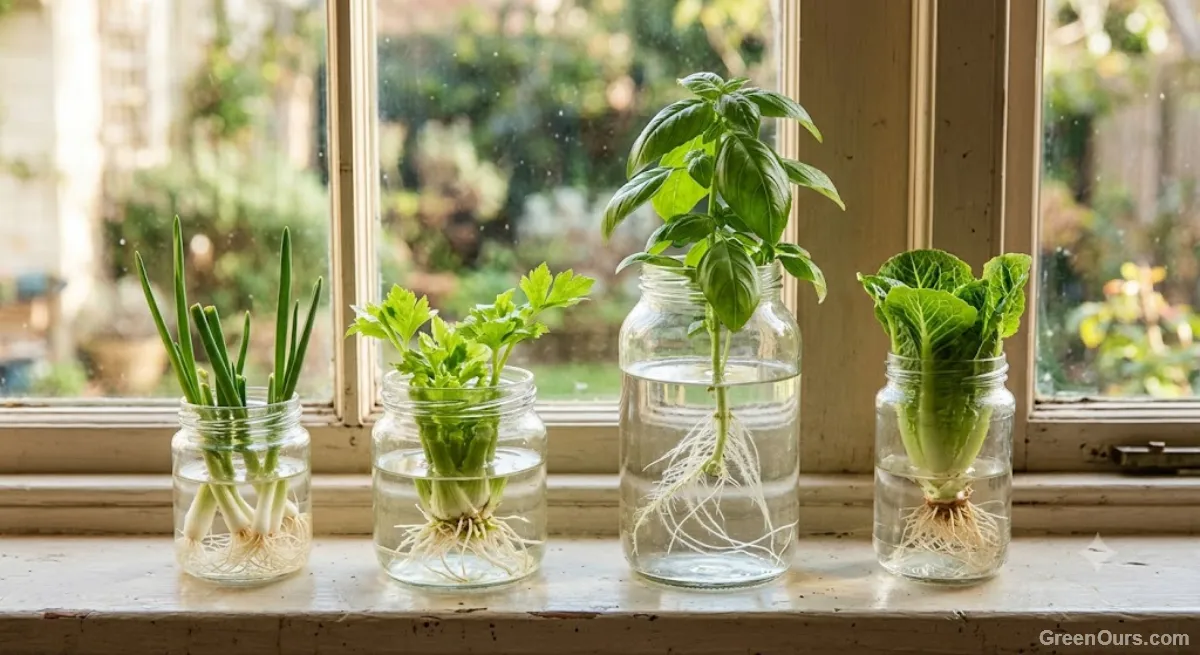
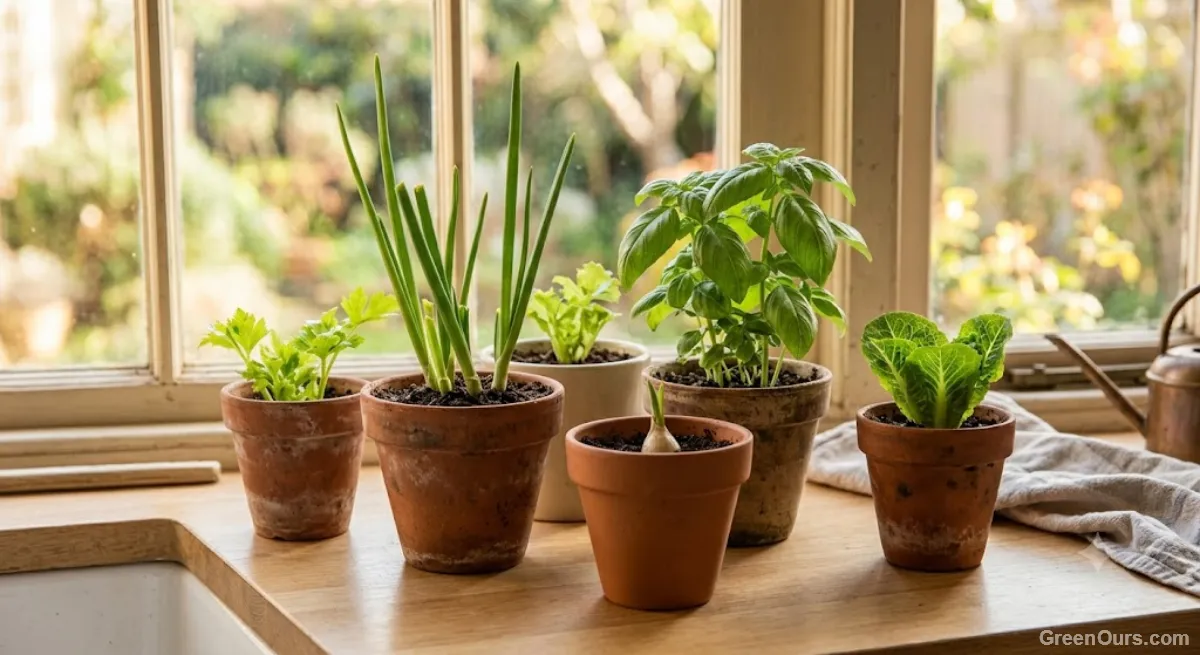
It comes down to where the growth happens on the plant. Green onions, garlic cloves, celery, and romaine lettuce all keep a small cluster of active growth cells at their base — the root end you'd normally trim off and toss. As long as that base is intact and undamaged, the plant still thinks it has a job to do. Give it water and light, and it picks up right where it left off.
Herbs like basil and mint work a little differently. Their stems have nodes, the small joints where leaves attach, and those nodes can put out roots when a fresh stem sits in water.
That's also why a carrot top or a piece of ginger with the eyes removed gives you fluff, not dinner: there's no real growing point left.
The rule of thumb: if the scrap still has its root nub or base plate attached, or it's a fresh stem with a few nodes, it's a candidate for regrowing. If you've cut cleanly above that point, it's compost material instead.
Herbs You Can Regrow From Stem Cuttings
If you buy fresh herbs with the stems attached, those stems are your starting material. Pick firm, healthy stems with no dark or slimy spots, and strip the lower leaves so at least two nodes sit underwater.
Basil and Mint
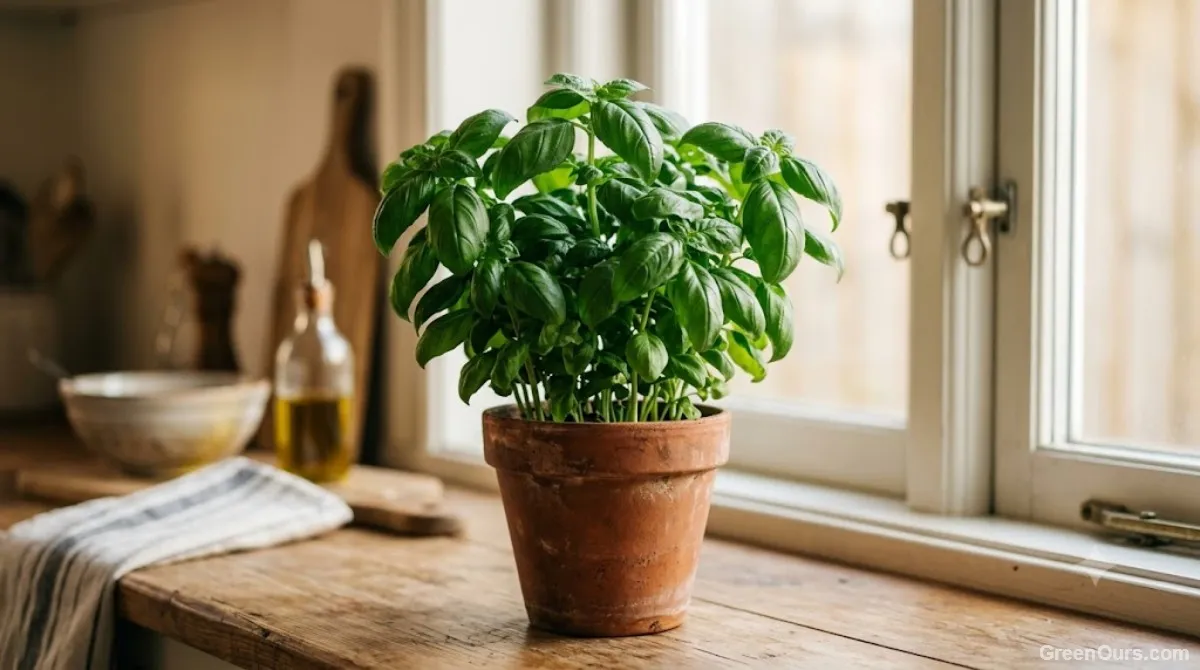
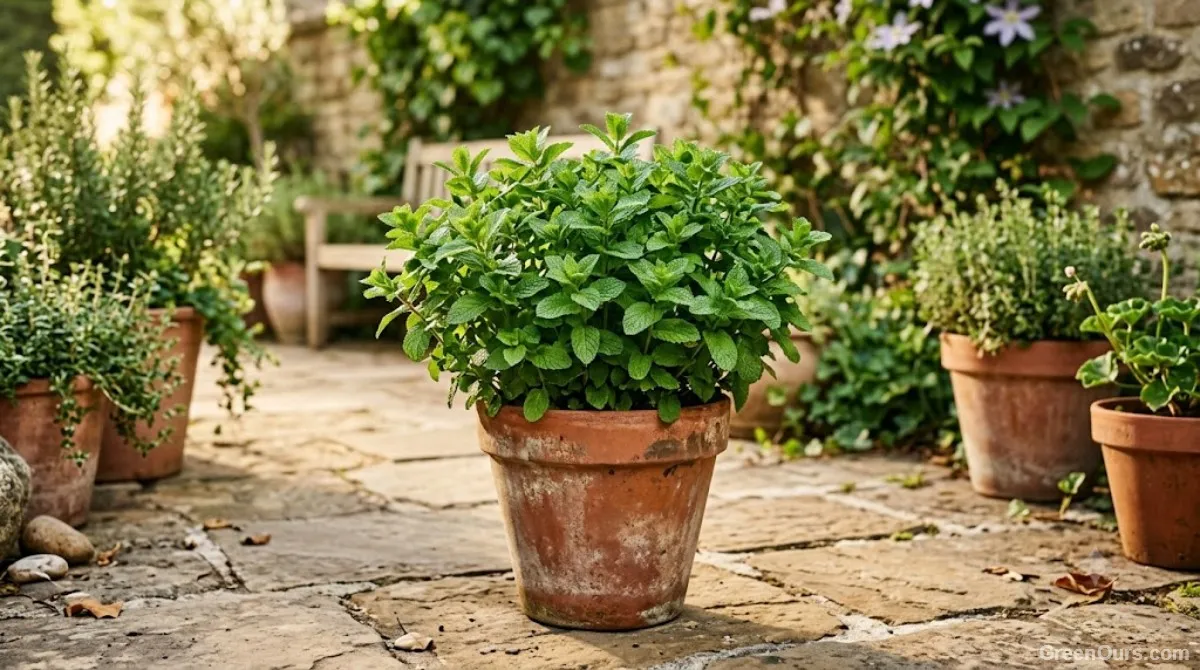
Both root readily in a glass of water, often showing roots within one to two weeks. Mint spreads fast, so give it a pot of its own once it moves to soil.
Vietnamese Coriander (Rau Răm)
Rau răm roots easily from stem cuttings too, and a bundle from an Asian grocery store is often all you need to start.
Cilantro, With a Caveat
Cilantro stems sometimes root, but it's far less reliable, and the plant tends to bolt as soon as the weather warms. Treat it as an experiment rather than a plan.
Scraps That Regrow From the Root Base
Green Onions
The easiest win in the whole scrap-regrowing world. Save the white root end, about an inch or two long, and stand it upright in a small glass with just enough water to cover the roots. You'll often see new green growth within three or four days.
Garlic
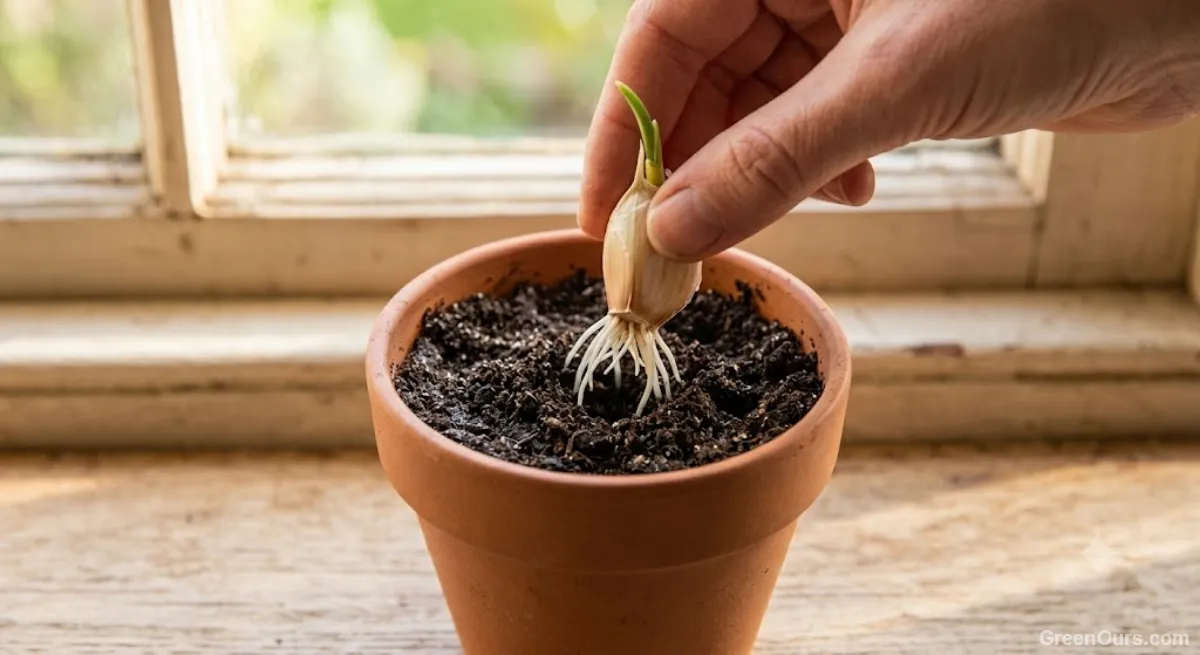
A single clove that's started sprouting a green shoot (you know the one you almost threw out because it looked past its prime) can be pushed root-side down into a small pot of soil. It won't form a full new bulb quickly, but it will give you garlic greens — milder, chive-like, and genuinely useful in the kitchen — within a couple of weeks.
Celery
Slice off the base, about two inches (5 cm) up from the root end, and set it in a shallow dish of water. New pale leaves push up from the center within about a week. It's less productive long-term than green onions, but it's satisfying to watch, especially with kids.
Romaine Lettuce and Bok Choy
Same idea — save the root base, sit it in shallow water, and new leaves emerge from the center within a week or so. These won't produce a full new head the way the grocery store version does, but you'll get a handful of fresh leaves for garnish or salad.
Which Scrap Should You Start With?
Timelines vary with warmth and light, so treat these as rough guides.
| Scrap | Start in water? | First growth | Move to soil? | Long-term potential |
|---|---|---|---|---|
| Green onion | Yes | About 3–4 days | Recommended | Repeated greens |
| Garlic clove | Usually soil | About 1–2 weeks | Starts in soil | Mostly greens |
| Celery | Yes | About 1 week | Recommended | Moderate |
| Romaine | Yes | About 1 week | Recommended | Moderate |
| Bok choy | Yes | About 1 week | Recommended | Moderate |
| Basil stem | Yes | Roots in about 1–2 weeks | Yes | Very good |
| Mint stem | Yes | Roots in about 1–2 weeks | Yes | Very good |
| Rau răm stem | Yes | Roots in about 1–2 weeks | Yes | Very good |
Getting Rooted: The Water Method
What You'll Need
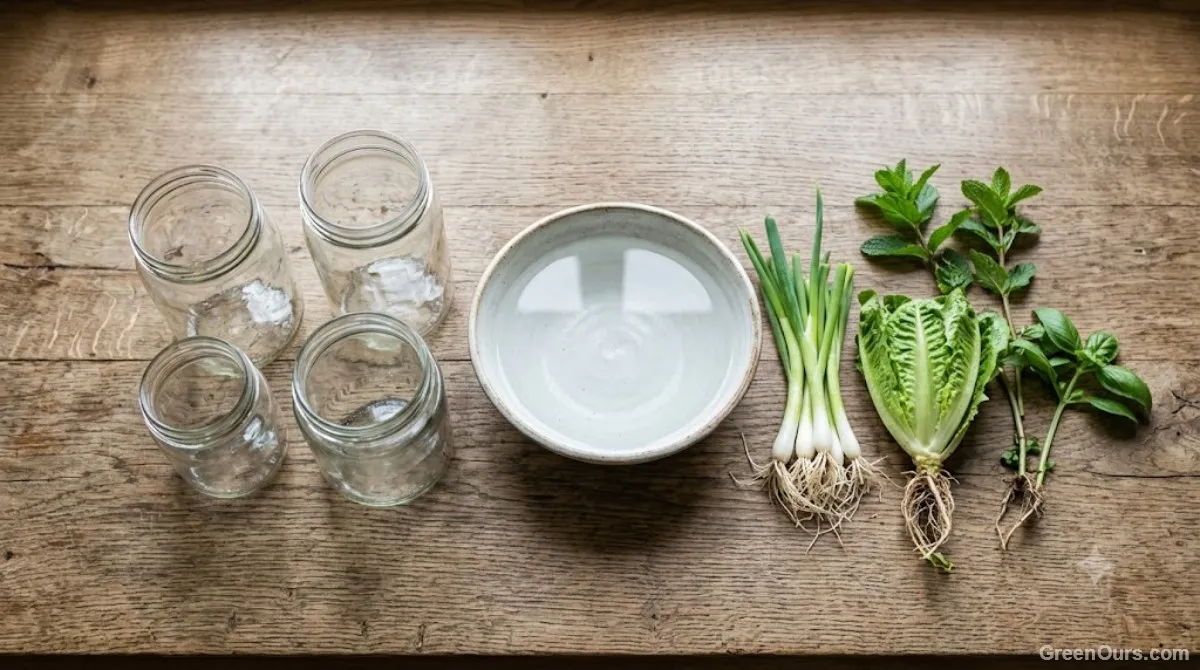
This is deliberately short, because the whole appeal of scrap regrowing is that you already own everything required.
- A handful of small glasses or jars — recycled ones work fine
- Fresh scraps with the root base intact, or fresh herb stems
- A spot with a few hours of indirect or morning sun
- A small pot and potting soil for the transplanting stage
Step One: Save the Right Part
Trim your scrap so the root base is intact with about an inch of stem or bulb above it. For herbs, take a stem with at least a few nodes and strip the lower leaves. Rinse off any soil or residue.
Step Two: Set It in Water
Stand the scrap upright in a small jar with just enough water to cover the roots — not the whole cut end. Too much water on the cut surface can encourage rot instead of roots. For herb stems, keep the leaves above the waterline.
Step Three: Change the Water Every Two Days
Dirty or stagnant water is one of the most common reasons scraps rot instead of root. A quick rinse and refill every couple of days keeps things clean and oxygenated.
When (and Why) to Transplant to Soil
This is the step a lot of people skip, and it's the reason their regrown scraps eventually fizzle out. Water rooting is a starting point, not a permanent home. Once you see roots an inch or so (about 2.5 cm) long and steady new top growth, the plant is ready for soil.
Soil gives the plant access to actual nutrients, which water alone can't provide indefinitely. A green onion left in water forever will keep limping along, producing thinner and paler shoots each time you snip them. The same onion moved into a small pot of potting soil after rooting will often keep producing sturdier, fuller-flavored greens for longer.
Herb cuttings follow the same rule. Pot them once the roots are about an inch long, and keep the soil evenly moist for the first couple of weeks.
Setting Realistic Expectations
How Much Will You Actually Get?
Regrowing won't replace a grocery run. Think of it as a way to stretch the life of certain produce and to start new plants from material you'd otherwise toss.
- Green onions: repeated harvests of greens
- Garlic: mostly garlic greens
- Celery: small amounts of tender new growth
- Lettuce and bok choy: a few rounds of young leaves, not a full new head
- Basil, mint, and rau răm: real plants you can harvest from regularly
What Won't Regrow
It's worth being honest about the scraps that get passed around as regrowing miracles but don't hold up to the simple water method. Carrot tops can produce fresh foliage, but they won't regenerate a new edible carrot. Avocado pits take months of patience for a plant that may never fruit indoors.
Potato eyes can grow into new potato plants, but they need a suitable growing medium and more space than a windowsill jar. Ginger is similar: pieces with visible growth buds can sprout, but they do best in soil. Save your jars for the scraps that reward the effort.
A Few Things to Watch For
If your scrap turns mushy or the water clouds quickly, that's rot, not a slow start — toss it and begin again with a fresh piece. If growth stalls after the first week, it's often a sign the scrap needed to move to soil sooner than you gave it credit for. And if leaves come in pale and thin, more light usually helps faster than anything else.
Where to Start
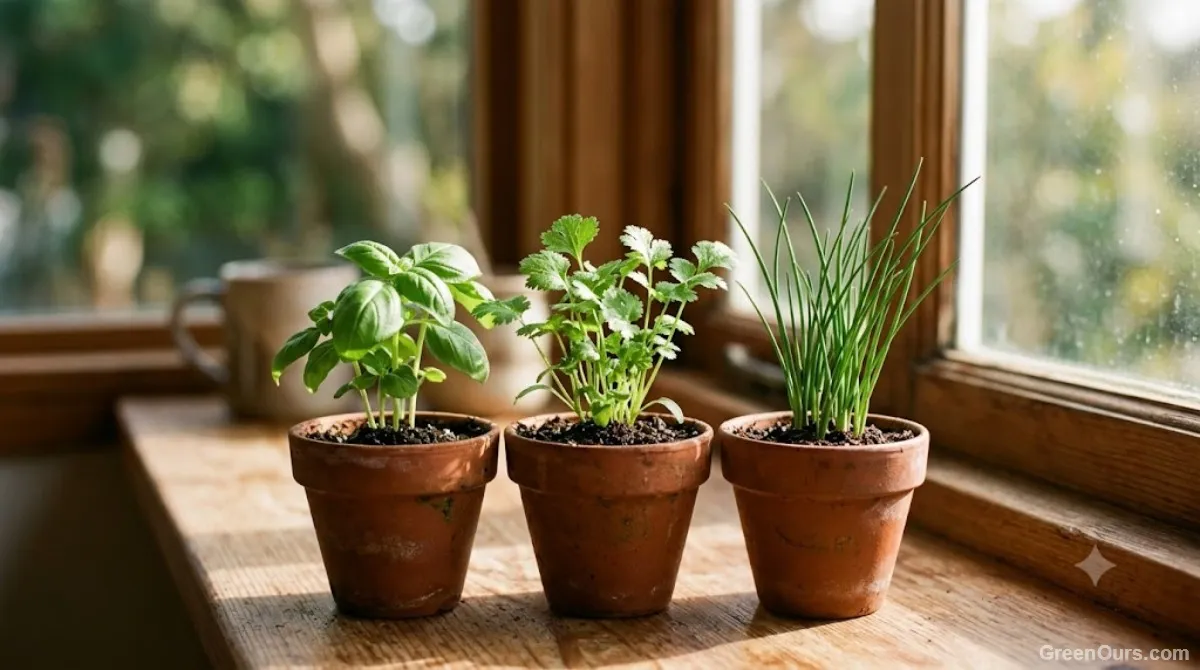
If you only try one thing this week, set a green onion root end or a fresh basil stem in a small jar on a bright windowsill and check it in a few days. Move it to soil once the roots are about an inch long.
None of this needs to feel like a project. Set a jar on the windowsill, forget about it for a few days, and let the plant do what it was already going to do anyway. You'll be surprised how quickly a habit like this settles in — one trimmed root end at a time.
Ready to grow more from what's already in your kitchen? Save the next root end before it hits the compost.