
What "Recycled" Actually Means on a Trash Bag Label
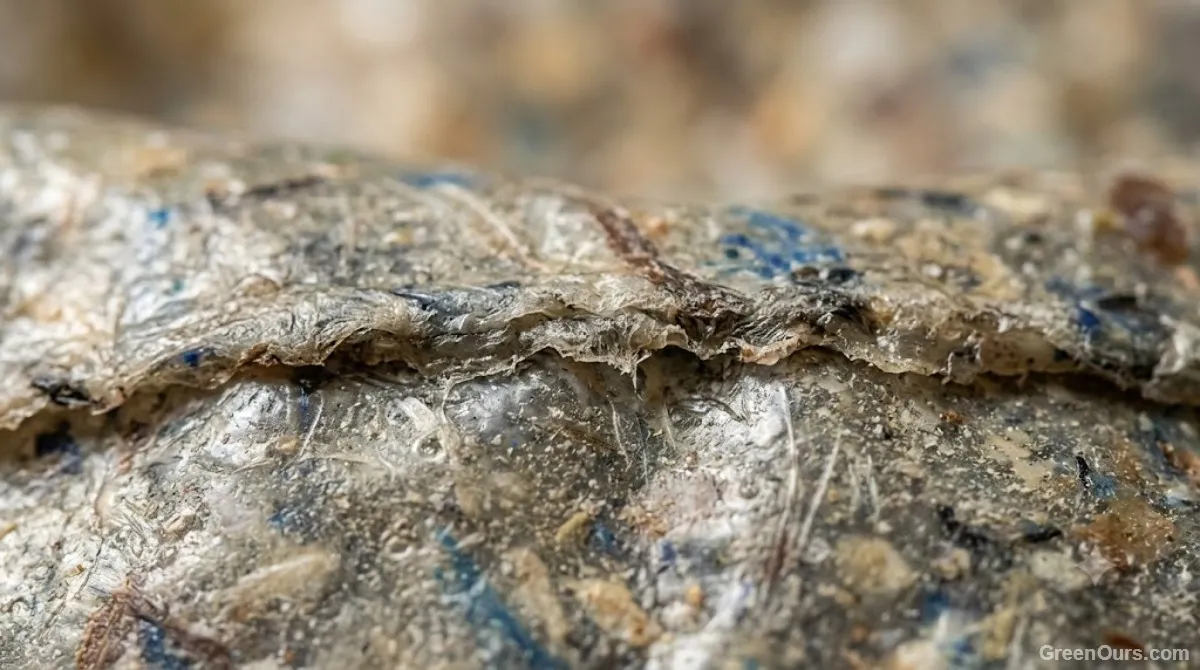
Most recycled trash bags are made from what's called post-consumer resin, or PCR — plastic that's already been used once, usually as packaging film, milk jugs, or other trash bags, and reprocessed into new pellets. That's genuinely different from a bag made purely from virgin petroleum-based plastic. It takes less new oil, generates fewer emissions in production, and gives an existing piece of plastic a second life instead of letting it become permanent waste on its own.
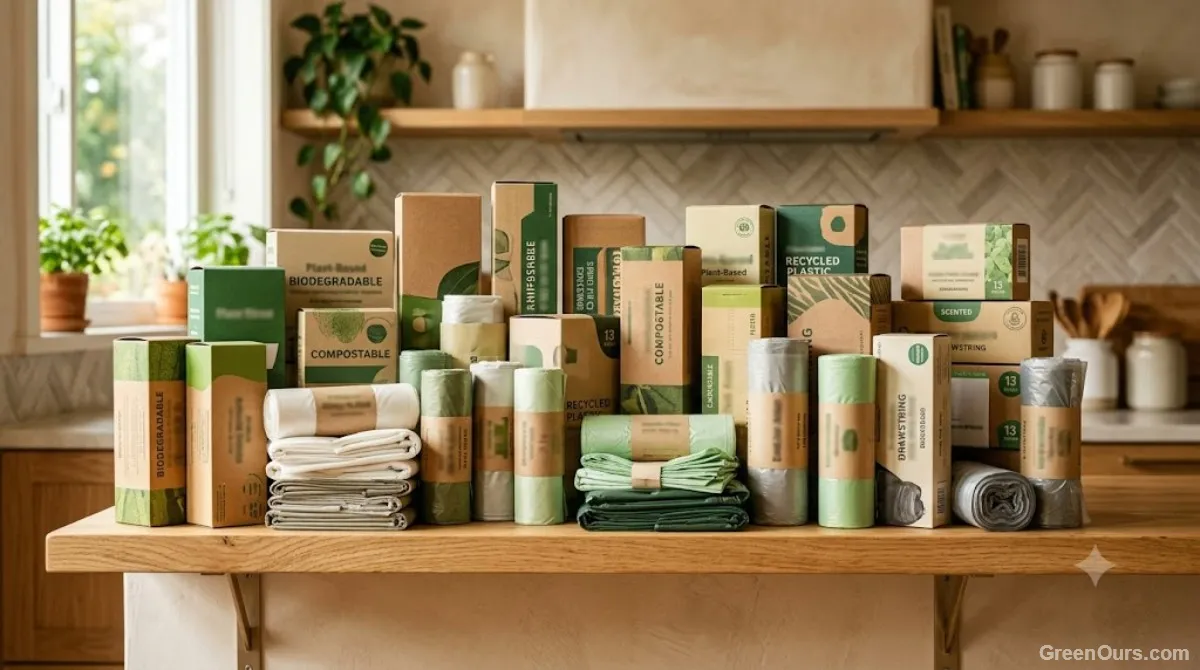
But here's the part the packaging tends to gloss over: the percentage matters enormously, and it's rarely front and center. A bag boasting "made with recycled materials" might contain 20 percent PCR and 80 percent virgin plastic. Compare that to a bag stating "65% post-consumer recycled content," and you're looking at a genuinely different product wearing a nearly identical label. If the packaging doesn't give you a number, that's usually because the number isn't impressive. Most trash bags, recycled or not, are made from LDPE — the same flexible plastic family as shopping bags and shrink wrap, marked with the little #4 stamped inside the recycling triangle if you ever go looking for it. That matters here because LDPE film isn't something your curbside bin can process; the post-consumer resin in these bags almost always comes from separate drop-off collection at grocery stores, not your recycling cart, which is part of why the supply of it is limited and the good stuff costs more.
Here's the thing about that number, though — it's not exactly enforced the way something like organic food labeling is. There's no single body checking every trash bag package before it hits shelves. Some brands do work with independent verifiers, like SCS Global Services, to back up their recycled-content claims, and those bags usually mention the certification somewhere on the box, even if it's in tiny print. If you can't find a number, and you can't find any mention of who checked that number, you're basically trusting the marketing department, and marketing departments are not known for their humility.
Skip any bag that just says "eco" or "green" with no percentage attached. A real recycled-content claim always comes with a number you can check.
The Waste Math Nobody Talks About
Here's the thing — a trash bag's entire job is to hold garbage until it goes to a landfill. Whether that bag is made from recycled plastic or brand-new plastic, it's still headed to the same place, and it will still take decades to break down once it's there. Recycled content changes the bag's manufacturing footprint. It does not change what happens to your household waste after the truck picks it up.
This is where a lot of well-intentioned shopping goes sideways. Buying a "better" bag can feel like it cancels out the trash inside it, and it doesn't. If you fill three recycled bags a week instead of two regular ones, you haven't made progress — you've just made your garbage feel more virtuous on its way out the door. The bag material is a rounding error next to how much you're throwing away in the first place.
None of this means recycled bags are pointless. It means they're solving a manufacturing problem, not a landfill problem, and it helps to know which one you're actually trying to fix before you spend more on the box.
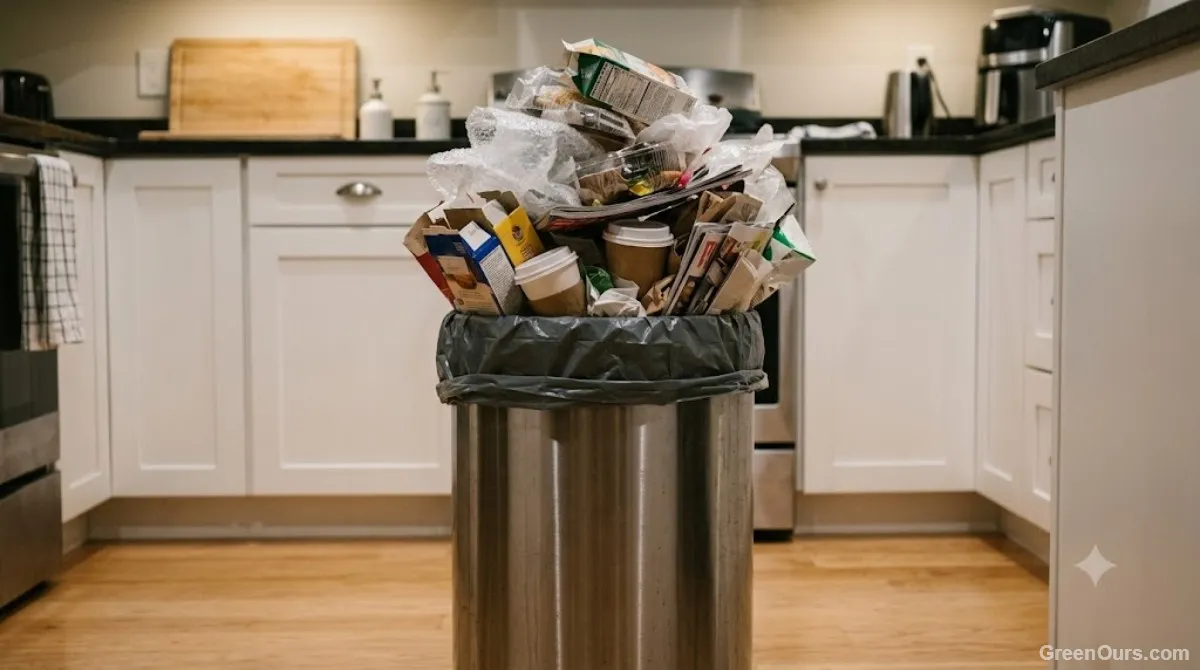
I did the math on my own household once, mostly out of curiosity, and it wasn't flattering. We were going through close to two bags a week just from the kitchen, and a good chunk of what went into them could have been composted or recycled with almost no extra effort. Recycled content didn't change a single one of those choices — it just made the bags themselves a little less wasteful to produce. That's a real benefit, but it's a manufacturing-side benefit, not a household-side one, and conflating the two is exactly how well-meaning people end up feeling like they've solved a problem they've barely touched. To put a number on it: switching from a virgin-plastic bag to one with 65 percent recycled content saves roughly two-thirds of a bag's worth of new plastic production, which sounds meaningful until you compare it to the actual volume sitting inside the bag. A single missed opportunity to compost food scraps outweighs that savings pretty quickly, and food scraps make up close to a quarter of what typically ends up in a kitchen trash bag.
Where These Bags Genuinely Help
Once you're clear on what they don't do, the case for buying them gets a lot more honest — and a lot more reasonable. Choosing recycled-content plastic over virgin plastic does reduce the demand for new petroleum extraction and processing, even if the difference per household is modest. Multiply that across a few million households and it stops being trivial.
When the Percentage Is High
Bags in the 50 to 80 percent PCR range make a meaningfully different manufacturing choice than bags with a token 10 percent. If you're going to buy trash bags anyway — and everyone eventually does — choosing a higher-percentage option is a reasonable, low-effort swap that doesn't ask anything extra of you day to day.
When You're Already Reducing What Goes In
Recycled bags make the most sense as a complement to actually cutting down your trash volume, not a substitute for it. If you're composting food scraps and recycling what you can, the bags you do fill are doing real work, and the material they're made from is worth choosing carefully.
Look for Third-Party Verification
If a brand's recycled-content number matters to you — and it should, since it's the whole reason to pay more — look for a mention of independent verification on the packaging or the brand's website. A claim backed by an outside certifier is worth more than a claim backed by nothing but a leaf icon. It's a small thing to check, and it takes about as long as reading the price tag.
The Claims Worth Being Skeptical Of
A few phrases on trash bag packaging deserve extra scrutiny. "Biodegradable" is the big one — most landfills are compacted and sealed in ways that block the oxygen and sunlight needed for any real breakdown, so a "biodegradable" plastic bag can sit there just as long as an ordinary one. Unless a bag is specifically certified compostable for industrial composting facilities, treat biodegradable claims on plastic as marketing, not a promise.
Watch for thickness, too. Some recycled bags use thinner film to offset the higher cost of recycled resin, which means they tear more easily and you end up doubling them up. A bag that rips and gets replaced mid-use isn't saving anything, recycled content or not. If a recycled bag consistently fails you, a slightly heavier virgin-plastic bag you don't have to double may honestly be the lower-waste choice.
There's also a difference between a bag that's "recyclable" and one that's actually made from recycled material, and the two get blurred on purpose more often than they should. A bag being technically recyclable doesn't mean much in practice — most curbside programs won't take flexible plastic film at all, trash bag or otherwise. If a package leans hard on the word "recyclable" without mentioning what percentage of it is already recycled, that's usually the tell that it's leaning on the wrong claim.
There's one more distinction worth knowing, since it shows up in fine print more than in headlines: mechanically recycled plastic and chemically recycled plastic aren't the same process, even though both get labeled "recycled" on a box. Mechanical recycling — melting down existing plastic and reforming it — is what almost every recycled trash bag actually uses, and it's the more established, lower-energy option. Chemical recycling claims are newer, less consistently verified, and worth an extra beat of skepticism if you see the term on packaging without any explanation of what it means.
You'll also see "plant-based" trash bags marketed alongside recycled ones — and here's the thing, they're solving a completely different problem. A plant-based bag is made from renewable feedstock instead of petroleum, but that says nothing about whether it's recycled, and it says nothing about how it behaves once it's sealed in a landfill either. Don't let the phrase substitute for the recycled-content number you're actually trying to check.
So, Should You Buy Them?
If the price difference is small and the percentage on the label is real, choosing them is a sensible swap — not because they'll transform your household's waste footprint, but because they're a marginally better version of something you were going to buy regardless. Just don't let the purchase stand in for the harder, more useful habit: paying attention to how much actually ends up in the bag in the first place.
I'll admit the research changed how I shop for them, even if it didn't change much else. I stopped assuming a leaf icon meant anything on its own, and I started treating the percentage the way I'd treat an ingredient list — worth thirty seconds of my attention before it goes in the cart. That's a pretty small ask for something that touches your kitchen every single day.
More honest eco-product breakdowns
Read more honest eco-product breakdownsI still buy the recycled ones now, mostly out of habit. But these days I check the percentage before I check the price, and I spend a lot more energy on what goes into the bag than on what the bag is made of. That's the swap that was actually worth making.