
What Silicone Bags Are Actually Good At
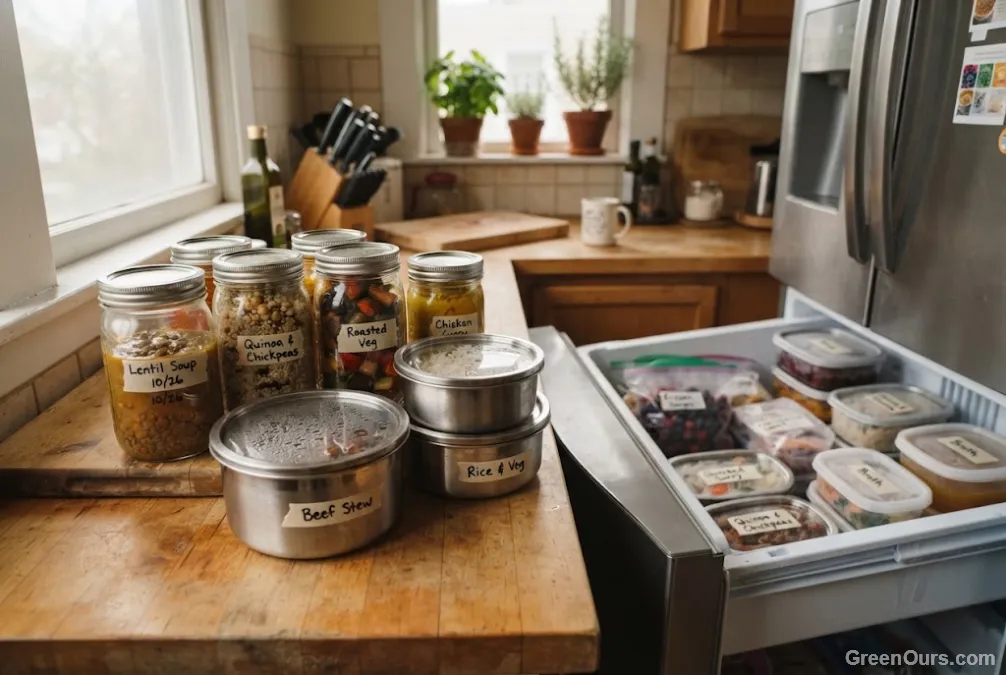
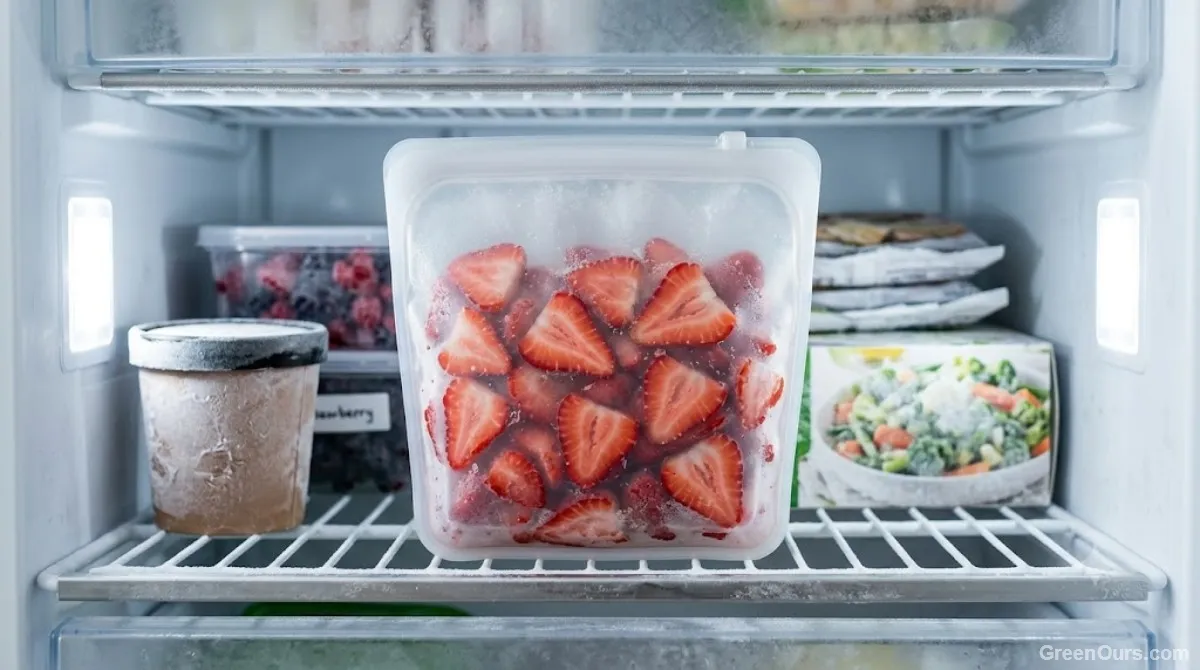
Silicone bags earn their keep in specific jobs, not every job. Freezing is where they shine brightest. Soups, stews, sauces, and marinades all go in wet, and a decent silicone bag seals tight enough to survive months in the freezer without that papery freezer-burn smell creeping in. They also stand up on their own, which sounds minor until you're trying to pour a cup of stock into a floppy plastic bag propped against the side of the sink and losing half of it to the counter.
They hold up to reheating, too. Most reputable brands are rated for boiling water or low oven temperatures, so you can go from freezer to warmed-through dinner without dirtying a second dish. That's a genuine convenience win, separate from whatever environmental case you're making to yourself.
The switch doesn't have to be all-or-nothing. Keep a few silicone bags for freezer staples and let the rest of your kitchen stay exactly as it is — that's still progress.
Where Plastic Zip Bags Still Win
I'm not going to pretend plastic bags don't have a place, because they do. Raw meat marination is one — I don't want to hand-wash a reusable bag after it's held raw chicken, and I doubt you do either. Anything genuinely disposable-worthy, like packing a sick kid's lunch you don't want to think about again, or storing something with a smell you know won't wash out, still calls for the bag you can toss without a second thought.
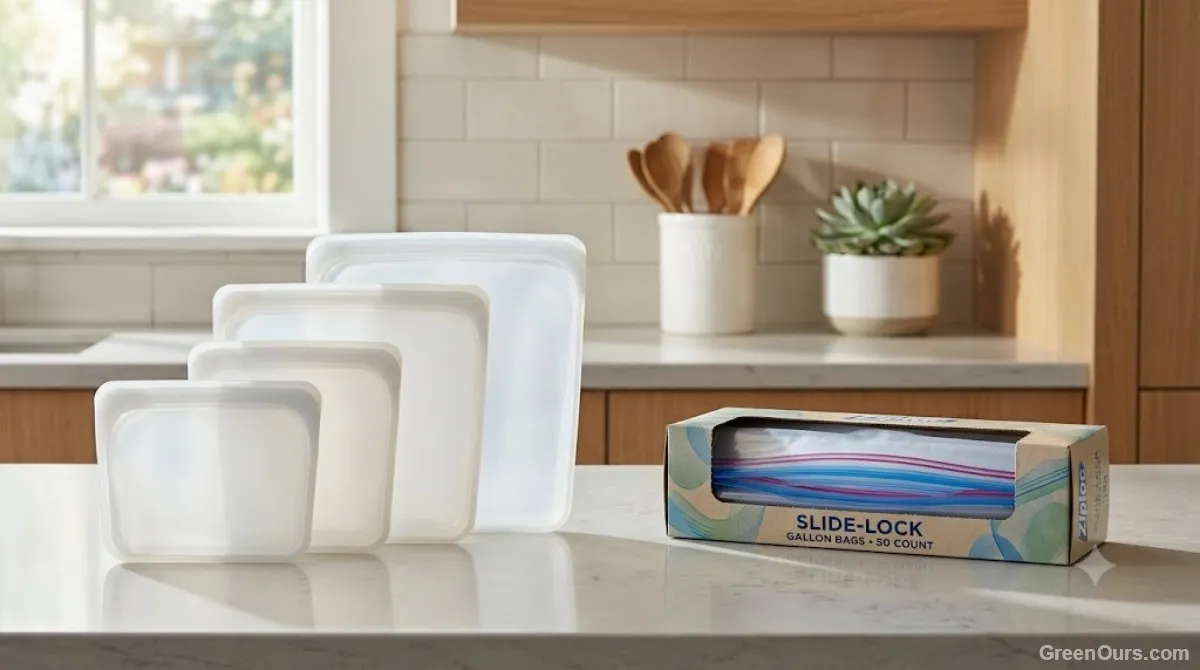
Cost matters here too, and it's worth being honest about it instead of glossing over it. A single decent silicone bag runs somewhere close to what an entire box of fifty plastic bags costs. If you only use a handful of bags a month, the upfront price stings before the savings ever show up.
The Cleaning Step Nobody Mentions
This is the part that almost sent my silicone bags back to the drawer for good. They're not hard to clean, exactly, but they demand a small ritual that plastic bags never asked of you.
Handwashing Reality
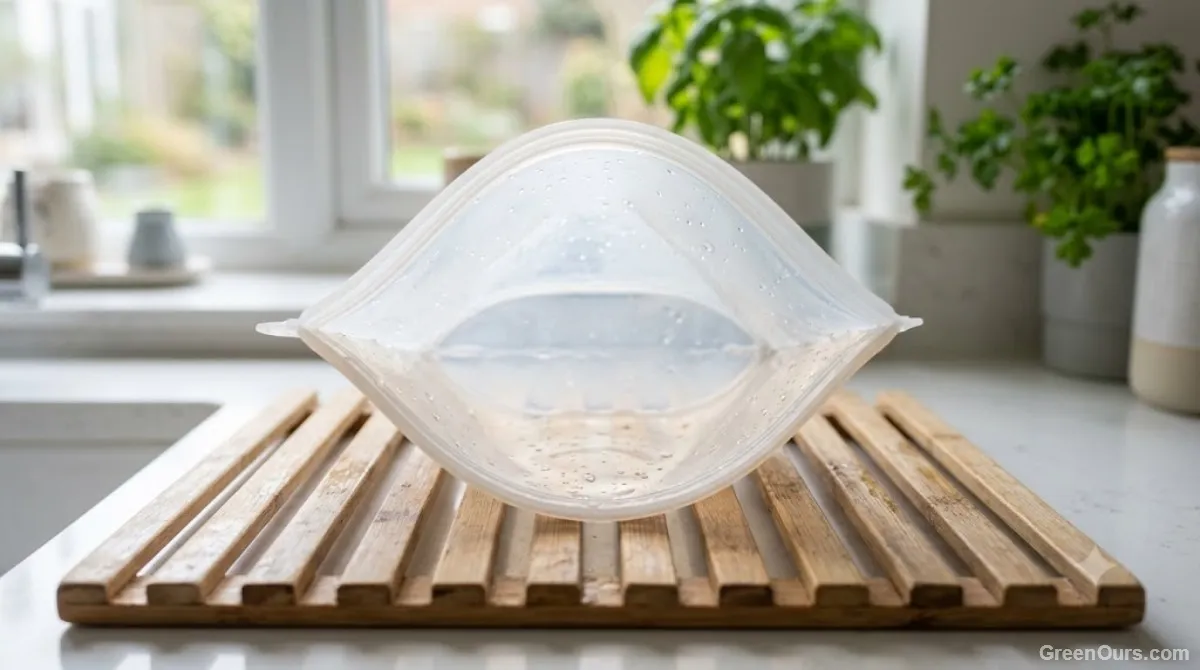
Most silicone bags need to be turned fully inside out to clean properly, especially after anything oily or starchy. Skip that step a few times and you'll notice a faint film building up along the seams, even after a rinse that looked thorough.
What the Dishwasher Can (and Can't) Fix
Some brands are top-rack dishwasher safe, which helps enormously, but check before you assume. And even dishwasher-safe bags need to be propped fully open to dry — closed, damp silicone is where odors settle in and stay. Garlic and fish are the two ingredients I've learned to just accept will leave a trace no matter how carefully I wash.
Doing the Math on Cost and Lifespan
The break-even point depends entirely on how often you actually use the bags, so any number I give you should be treated as a rough guide rather than a promise. If you're freezing meals weekly, a set of silicone bags tends to pay for itself over time simply because you stop buying plastic ones as often. If your freezer use is occasional, the math stretches out much further, and it may genuinely take a long while before the reusable option comes out ahead in dollars alone.
Lifespan varies by brand and by how gently the bags are handled — sharp utensils and overstuffing are the two things most likely to shorten it. Treat them well and a good bag can outlast a lot of boxes of the disposable kind, but treat them carelessly and that advantage disappears fast.
Three Kitchen Scenarios: Does This Fit You?
If you batch-cook and freeze meals most weekends, silicone bags are close to a no-brainer — the freezer is exactly where they earn their price back fastest. If you're in a small apartment kitchen with limited freezer space and mostly cook single portions, the case is weaker; a couple of small bags might be plenty, and a full set may just take up drawer space you don't have.
And if you're packing school lunches for kids who lose things with impressive regularity, it's fair to keep this practical: a lost twelve-dollar silicone bag stings in a way a lost five-cent plastic one never will. Plenty of households land on a mix — silicone for the freezer, plastic for anything that might not come home.
What to Do Next
I kept three silicone bags for freezer meals and stopped feeling like I needed to replace every plastic bag in the house to count it as a win. The zip bags I already owned didn't get thrown out in some symbolic gesture — I just stopped buying new boxes as often, and that's the part that actually moved the needle.
If you're standing in front of your own drawer trying to decide, skip the all-or-nothing framing entirely. Buy two or three silicone bags, put them to work on whatever you freeze most, and let the rest of your routine catch up in its own time.
More honest kitchen swaps, zero guilt attached.