
Why Buying Less Feels Like Deprivation (Even When It Isn't)
Most advice about consuming less starts from a place of punishment. Cut this out. Stop doing that. Feel bad about the thing in your cart. No wonder it doesn't stick — nobody keeps up a habit that's rooted in shame for very long.
The truth is, wanting things isn't the problem. Marketing is built, quite literally, to make ordinary satisfaction feel like a gap that needs filling. A candle isn't just a candle when it's positioned as the missing piece of your cozy autumn identity. Once you see buying less as reclaiming your attention rather than denying yourself, it stops feeling like a diet and starts feeling like a boundary.
The goal isn't to want nothing. It's to notice the difference between wanting something and needing it to feel okay.
Small Shifts That Make Buying Less Feel Natural
None of these require a spreadsheet. They just interrupt the automatic part of shopping — the part that happens before you've actually decided anything.
The Wishlist Parking Lot
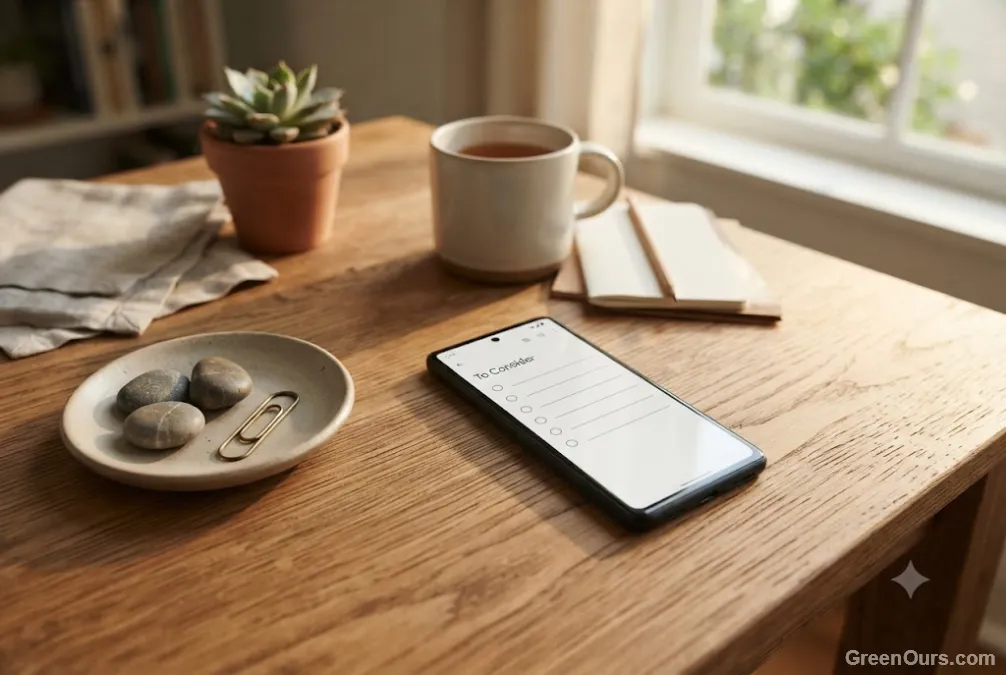
Instead of buying something the moment you want it, park it. Keep a running note on your phone — not a wishlist you'll act on later, just a holding pen. When something tempts you, it goes on the list instead of in the cart. Most items sit there for weeks. A surprising number quietly stop mattering once the initial pull fades. The ones that still feel worth it after two or three weeks? Those are usually the honest purchases.
The One Question That Cuts Through Marketing
Before buying anything that isn't a genuine replacement for something worn out, ask: would I still want this if I found it for free at a stranger's curb? It sounds silly, but it strips away the packaging, the influencer lighting, the promise of a better version of your life. What's left is the object itself — and sometimes the object itself just isn't that exciting.
Shopping Your Own Drawers First
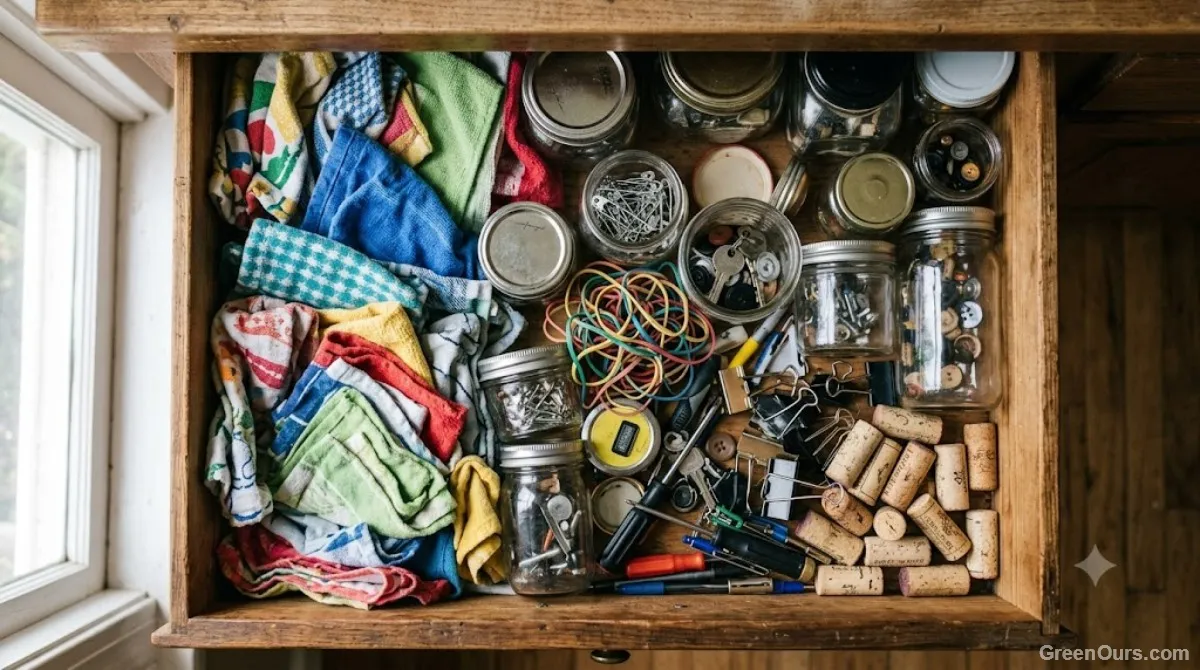
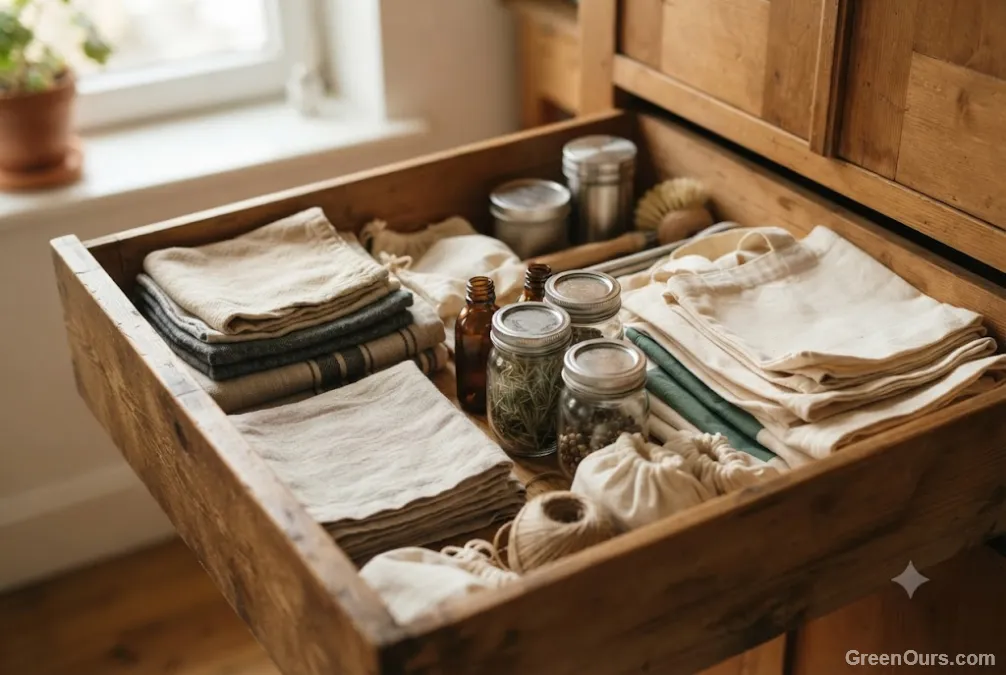
Before I buy anything for a specific purpose — travel organizers, a new mug, a particular kitchen tool — I go looking through what I already own for something that could do the job, even imperfectly. I've found perfectly good travel pouches doing nothing in the back of a drawer, and a mug I'd genuinely forgotten existed. It's not glamorous, but it works more often than I expect it to.
What to Do With the Urge to Buy Something Right Now
Sometimes the urge isn't really about the item. It shows up after a hard day, a boring afternoon, or scrolling too long on a phone that knows exactly what to show you. Buying feels like doing something, even when nothing about your actual situation has changed.
When that urge hits, I've started asking what I'm actually looking for in that moment — comfort, distraction, a small win. Usually it's one of those three, and none of them require a package to arrive in two days. A short walk, a text to a friend, or even just naming the feeling out loud tends to take the edge off faster than I expect.
When Buying Something New Actually Makes Sense
None of this means never buying anything again — that's not realistic, and it's not the point. If something's genuinely worn out, if you've checked what you own and it truly doesn't fill the need, or if a purchase will get used often and well, buy it. Buying less isn't about scarcity for its own sake. It's about making sure the things that do come into your home earn their place there.
The Difference Between Buying Less and Having Less
This is the part that took me the longest to understand. Buying less doesn't mean living with less — not really. It usually means living with things you actually chose, instead of things that arrived because a sale email caught you at a weak moment. My apartment isn't emptier than it used to be. It's just fuller of things I meant to have.
What to Do Next
I still buy things I don't strictly need sometimes — a plant, a book, a ridiculous mug. But I buy them slower now, and I notice the ones I don't regret are almost always the ones that sat on that parking-lot list first. That's not a rulebook. It's just what happens when you give yourself a beat before you decide.
Small shifts add up faster than you'd think.
More ways to simplify without overhauling your life