
Why the Same Advice Doesn't Work for Everyone
Sustainability content tends to assume there's one correct entry point — usually composting, or ditching plastic, or building a whole zero-waste kit. If none of that speaks to you personally, it's easy to conclude you're just not cut out for this. You are. You just haven't found the version of it that matches how you're actually wired.
Three motivations show up again and again in people who successfully build lasting habits: saving money, wanting less stuff around, and genuinely wanting to reduce their impact. Most people lean toward one of these more than the others, even if all three matter to some degree. Figuring out which one is yours changes everything about where you should start.
I've watched this play out the same way over and over. Someone reads a list of ten sustainable swaps, feels inspired for about a week, and then quietly stops when life gets busy — not because they didn't care, but because none of the ten habits were tied to anything they'd notice missing. Figuring out how to start sustainable living isn't about finding the objectively "best" habit. It's about finding the one that pays you back in a currency you actually value.
The mindset shift that actually matters here isn't "do more for the planet." It's "pick the version of this that rewards you in a way you'll notice." Motivation that pays off quickly is motivation that survives a bad week.
Figuring Out What Actually Drives You
Ask yourself honestly: when you picture living more sustainably, what feels most satisfying to imagine? Is it watching a bill shrink? Is it opening a cabinet and seeing space instead of clutter? Or is it simply knowing you threw less away this week than last? There's no wrong answer, and you're allowed to want all three — just notice which one you pictured first.
If You're Motivated by Money
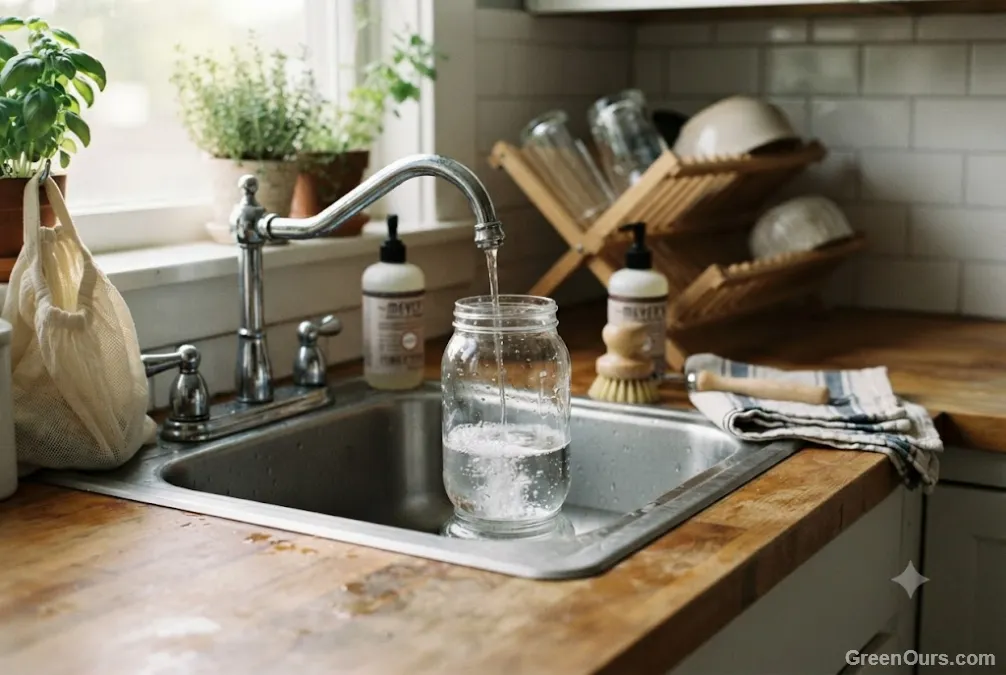
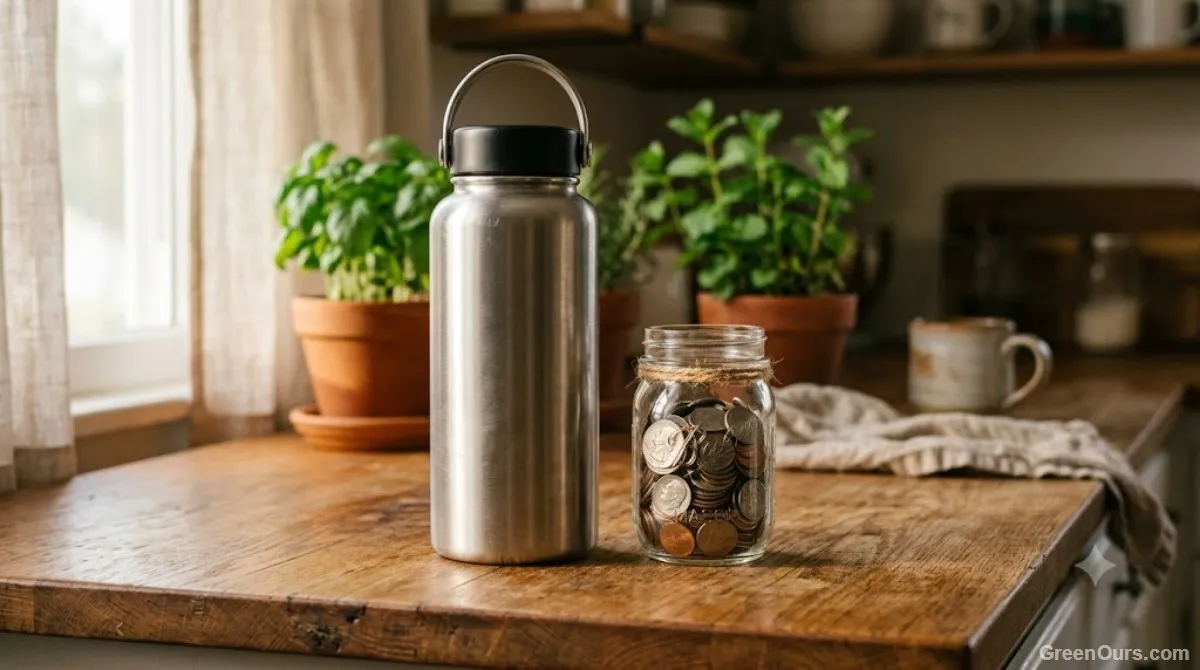
Start with habits where the savings are immediate and easy to track. A refillable water bottle pays for itself within a month if you were buying bottled. Switching to bar soap and shampoo bars cuts down on both plastic and repeat purchases. Batch-cooking with what's already in your fridge before buying more groceries does double duty — less food waste, lower bills.
Keep a simple running tally somewhere visible, even just a note on your phone. Watching the number move is the reward your brain is actually looking for, and it'll keep you going long after the novelty of a new habit wears off.
It also helps to notice which purchases quietly repeat themselves. Paper towels, disposable razors, single-use coffee pods — these are the small, recurring costs that add up fastest, and they're usually the easiest to replace with something you buy once and keep using. Start with whichever recurring cost annoys you the most; that irritation is doing half the motivational work for you already.
If You're Motivated by Less Clutter
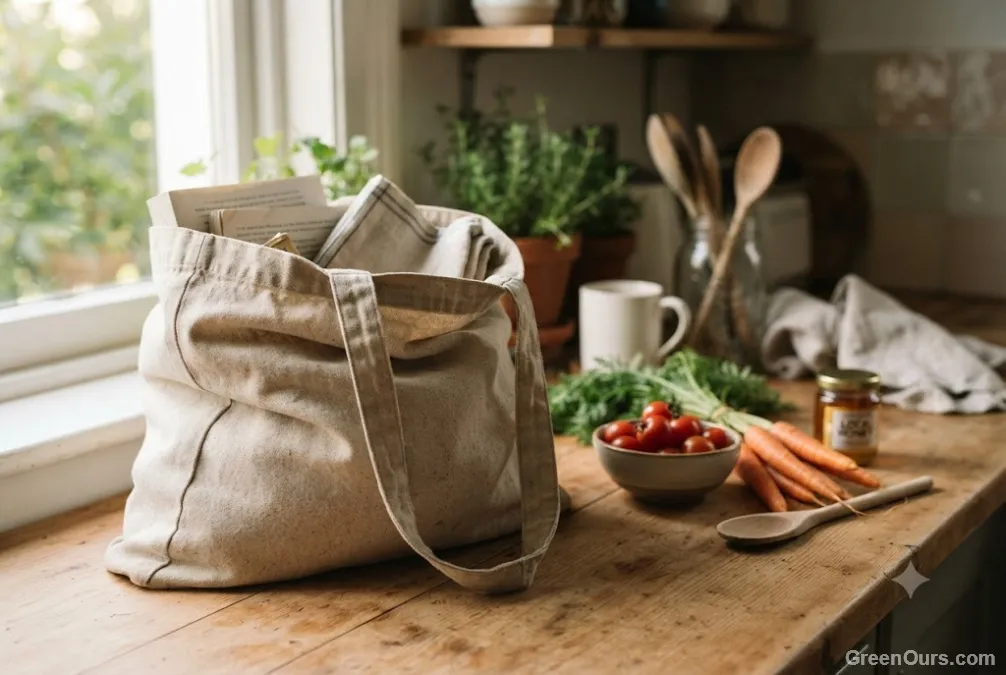
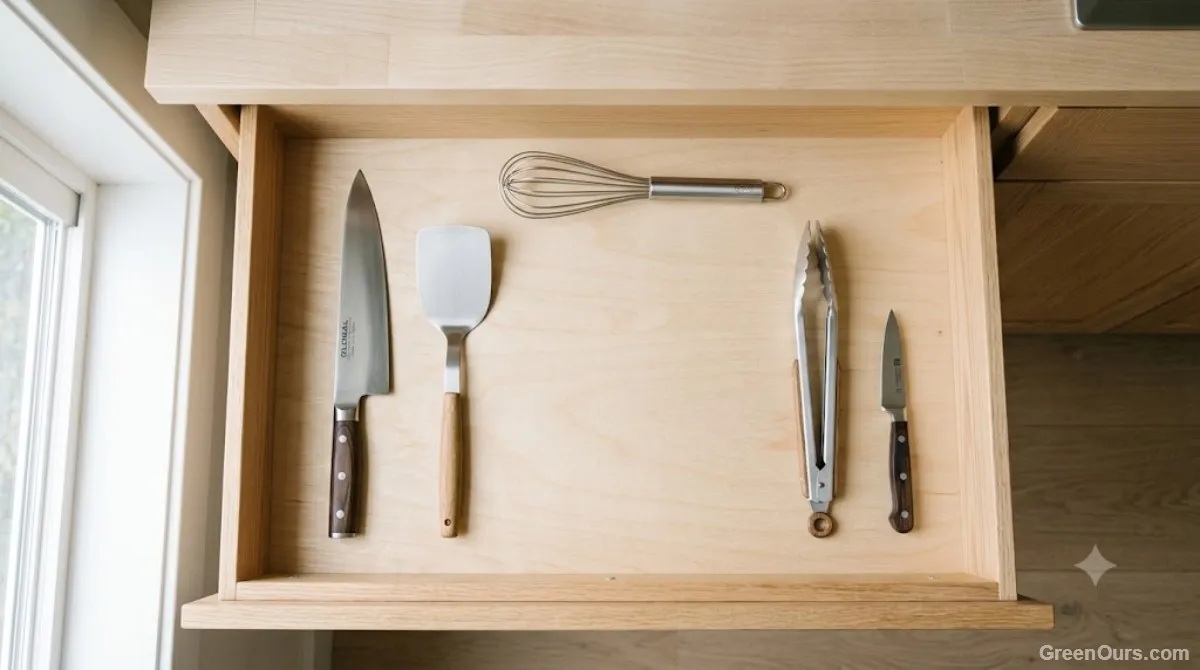
For you, the win isn't the planet, it's the breathing room. Start by replacing single-use items with one well-made reusable version instead of a drawer full of disposable ones — one good set of cloth napkins instead of an endless roll of paper towels, one sturdy tote instead of a crumpled ball of plastic bags under the sink.
The goal is fewer objects doing more work, not more "eco" objects added on top of what you already have. If a swap adds clutter instead of removing it, skip it. That's not sustainability failing you — it's just the wrong habit for your type.
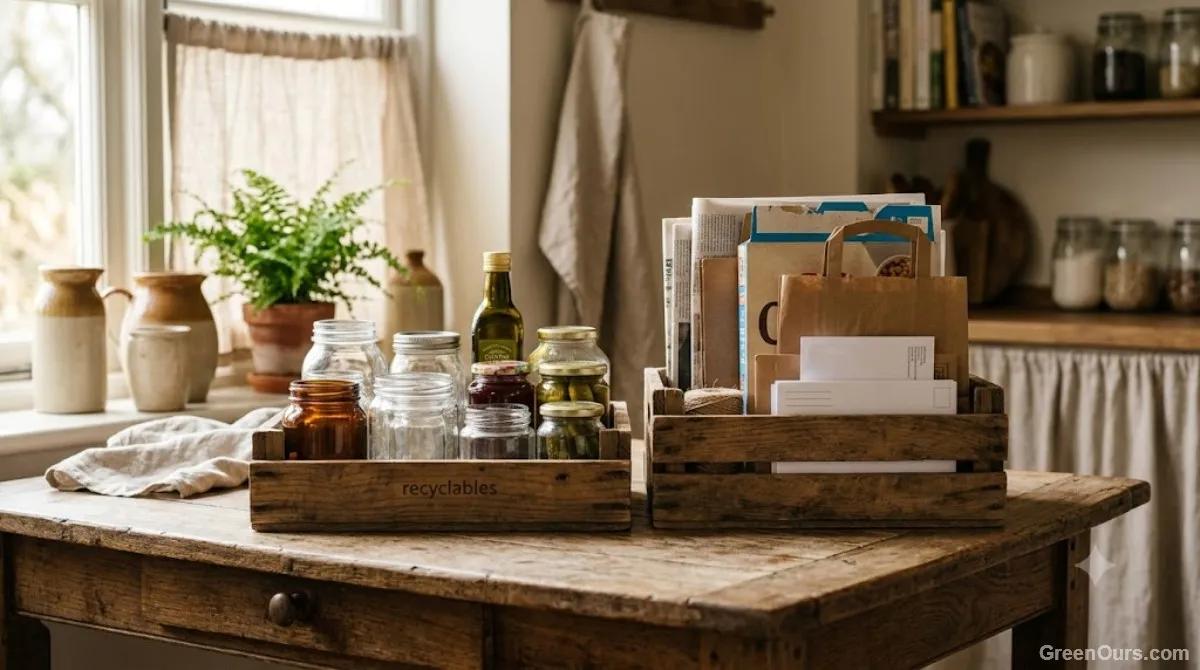
This is also where it helps to be ruthless about what you already own. Before adding anything new, go through what's already in the cabinet and ask whether it's actually being used or just taking up space. Often the most satisfying first step isn't buying a reusable item at all — it's clearing out three disposable ones you were hoarding out of habit.
If You're Motivated by Impact
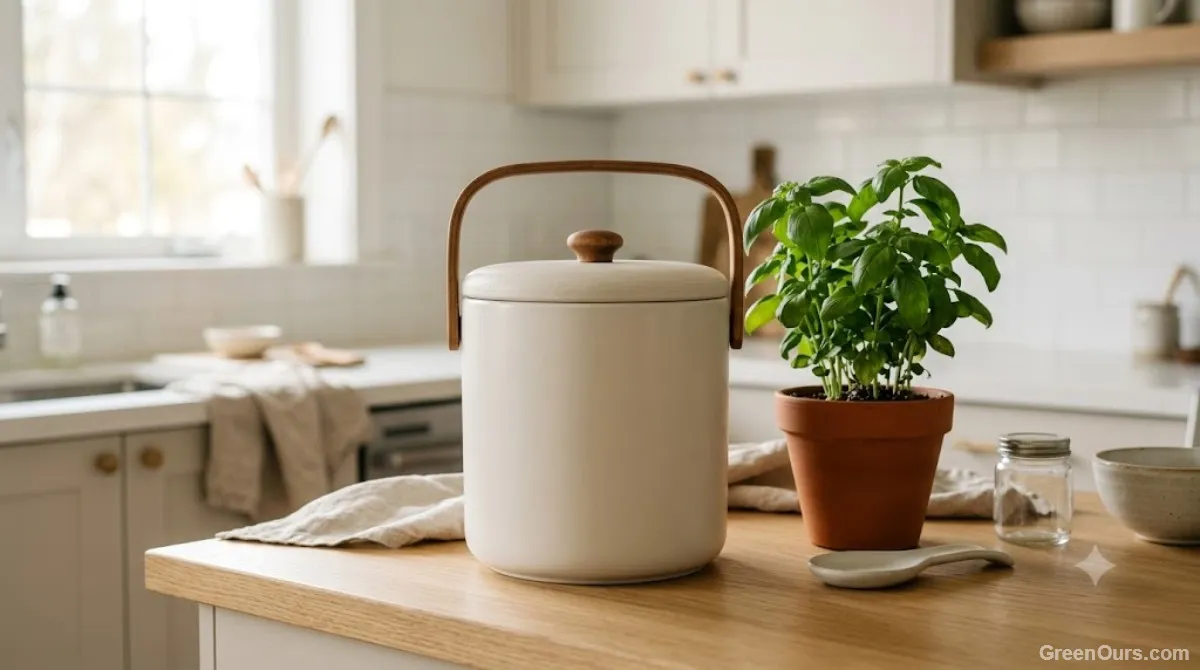
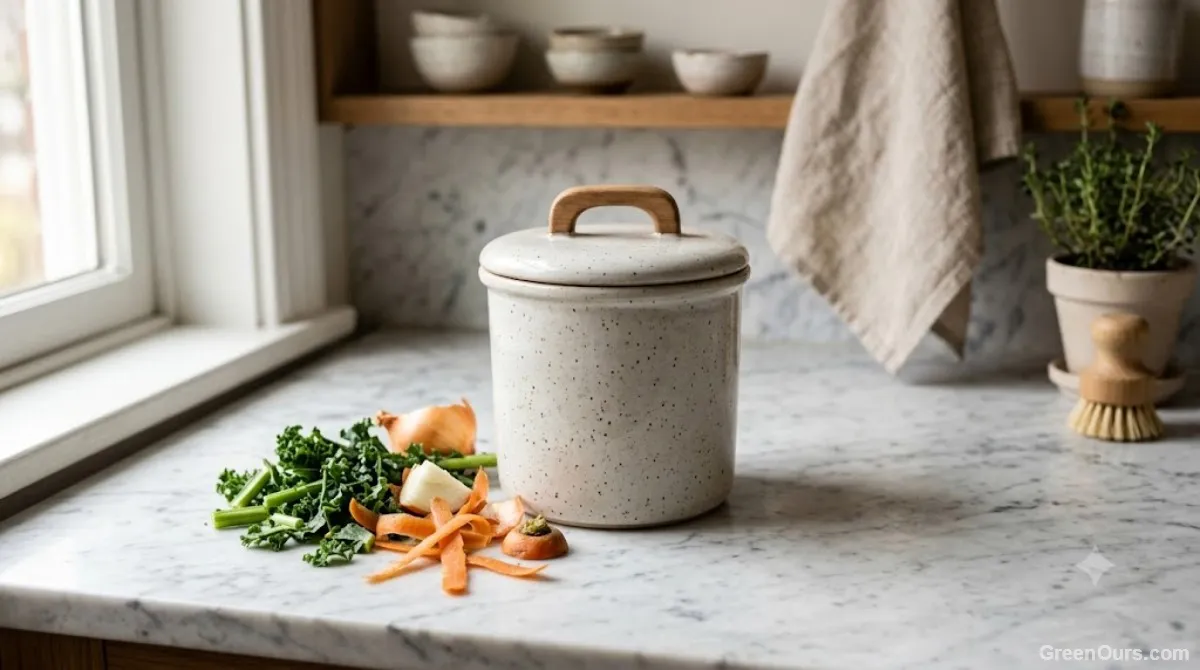
You're probably the reader who wants to see the difference, not just feel it. Composting fits here, even a small countertop version, because it turns something you can measure — less trash going out — into something concrete. Buying secondhand before new works the same way: each purchase becomes a small, visible decision instead of an abstract one.
Tracking matters here more than it does for the other two types. Keep a rough count of what you compost or divert from the trash each week, even a tally on the fridge. Watching that number grow gives you the same kind of feedback the money-motivated reader gets from a shrinking bill — proof, in real numbers, that the habit is doing something.
What to Do When You're a Mix of All Three
Most people aren't purely one type, and that's fine — you don't need to pick a lane and stay in it forever. Start with whichever motivation is loudest for you right now, get one or two habits solidly working, and let the next one follow once the first stops feeling like effort. Trying to satisfy all three motivations from day one is usually how people end up doing none of them well.
If you're still unsure which type you lean toward, pay attention to what you complain about. People who gripe about grocery prices are usually money-motivated. People who sigh at a messy counter are usually clutter-motivated. People who feel a twinge of guilt taking out the trash are usually impact-motivated. Your complaints are a more honest guide than your intentions.
Not sure where your motivation actually sits? Start with the one habit above that made you nod, and build from there.
The people I know who've stuck with sustainable living longest didn't start with the most ambitious habit. They started with the one that fit who they already were, and let it grow from a place that made sense to them instead of a checklist that made sense to someone else.