
Why This Stuff Feels So Much Harder Than It Should
Most sustainability content is written for people who are already three years into the hobby. They've got the compost bin, the garden, the whole system. When you're starting from a normal, busy life, that content doesn't feel inspiring, it feels like a syllabus you didn't sign up for.
The truth is that almost none of it requires an overhaul. It requires picking one or two things, doing them badly at first, and letting them become boring habits instead of identity projects. That's really the whole secret, and it's not a very exciting one.
You don't need to change everything at once. Pick one change from this list, do it for a month, and only then think about adding a second. Momentum beats intensity every time.
Change One: Stop Buying the "Eco Starter Kit"
I know that sounds backwards coming from an article about sustainable living, but hear me out. The fastest way to abandon this stuff is to buy a bundle of new reusable products before you know which ones you'll actually use.
Instead, look at what you already reach for most in a week. Maybe it's coffee cups, maybe it's produce bags at the grocery store, maybe it's paper towels. Fix the one thing you touch daily, not the five things you touch never.
Change Two: Pick One Reusable Thing and Actually Carry It
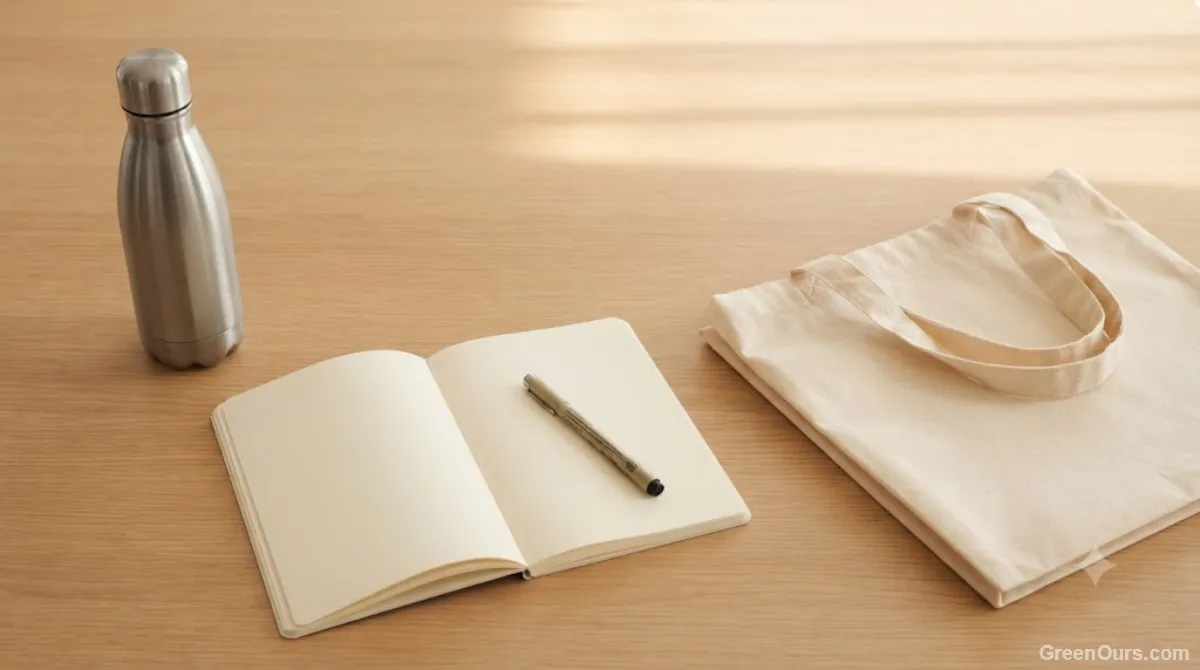
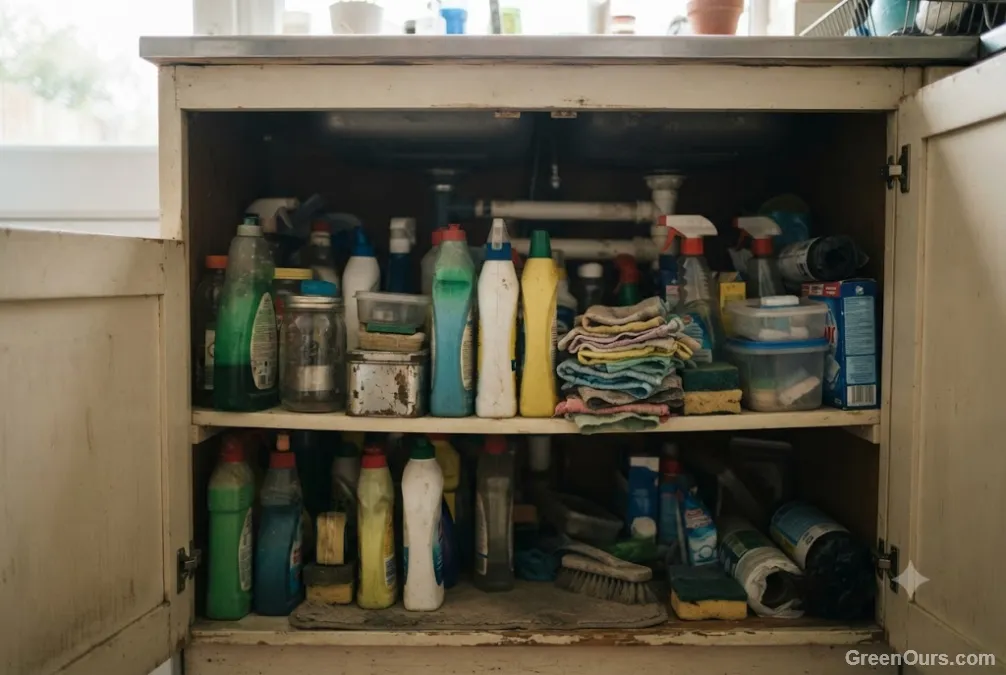
This is the one swap that made a real difference for me, and it's almost embarrassingly small. I started keeping exactly one reusable produce bag in my everyday bag, not five, one. It's grubby, it's been washed a hundred times, and it's still in use two years later because it's just always there.
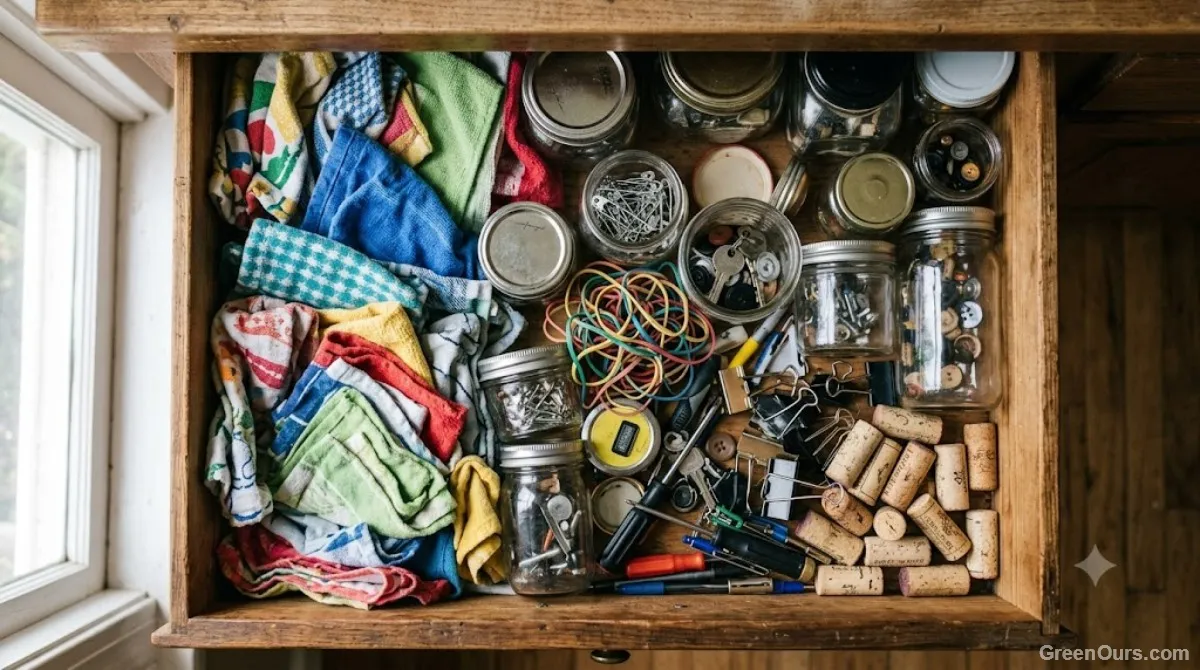
The stainless steel straw and the bamboo cutlery set never left my kitchen drawer, because they required me to remember them separately. One item, kept somewhere I already carry things, beats an entire kit kept somewhere I have to remember to grab.
Change Three: Unsubscribe Before You Try to Recycle Better
Here's a change nobody puts on these lists, and it takes about ten minutes. Go into your email and unsubscribe from every retail newsletter that's currently tempting you into buying things you don't need. Less coming in matters more than sorting what's going out.
Waste reduction isn't only about the bin, it's about the front door. If fewer boxes and bags are arriving in the first place, there's less packaging to feel guilty about recycling correctly. This one costs nothing and takes no willpower, which is exactly why it works.
Change Four: Borrow Before You Buy
Rhetorical question: how many things in your house did you buy for one specific occasion and then never touch again? A drill, a fondue set, a fancy dress you wore once? Before your next purchase, check whether a neighbor, a library of things, or a local buy-nothing group already has one sitting unused.
This isn't about becoming the kind of person who never owns anything. It's about noticing that a huge amount of what we buy is used once or twice, and someone nearby probably has exactly that thing gathering dust right now.
Change Five: Give Yourself One Meatless Day, Not a New Diet
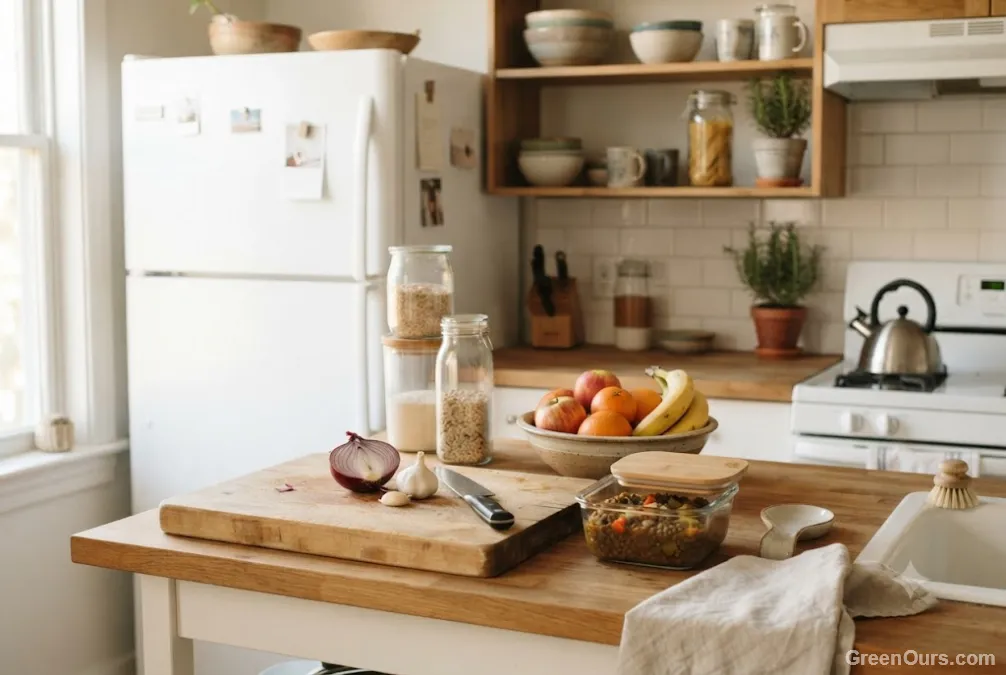
This is the one people resist the most, because it sounds like the start of a bigger commitment. It isn't. Pick one day a week, doesn't matter which, and plan a meal around beans, lentils, eggs, or whatever vegetables are already in your fridge instead of meat.
You're not becoming vegetarian. You're just proving to yourself that one day a week is manageable, which is honestly the whole point of this entire list. Small, repeatable, boring enough to actually stick.
What Actually Happens After You Start
Nothing dramatic, if I'm being honest. You don't wake up transformed. What happens is smaller and slower: the reusable bag becomes automatic, the unsubscribe habit becomes a monthly five-minute task, the meatless day stops needing a reminder. That's what sustainable actually means, changes that survive contact with a normal, tired week.
None of this requires you to become someone else. It just asks you to keep doing one small thing long enough that it stops feeling like an effort and starts feeling like Tuesday.
Ready for the next small step?
More ways to reduce waste at home, one manageable change at a time