
Why We Reach for New Things First
There's a specific kind of guilt that comes with realizing you've been using paper towels for six years, and the fastest way to resolve that guilt is to buy something that looks like a solution. A neat stack of unpaper towels. A matching set of glass storage containers. It feels productive. It photographs well.
But buying a replacement for something you're going to throw away eventually is still consumption — it's just consumption with better branding. The actual goal, if you care about waste, is to use fewer new things, not to swap one set of purchases for a greener-looking set. And most households already have more reusable material sitting around than they realize.
What's Already in Your Kitchen
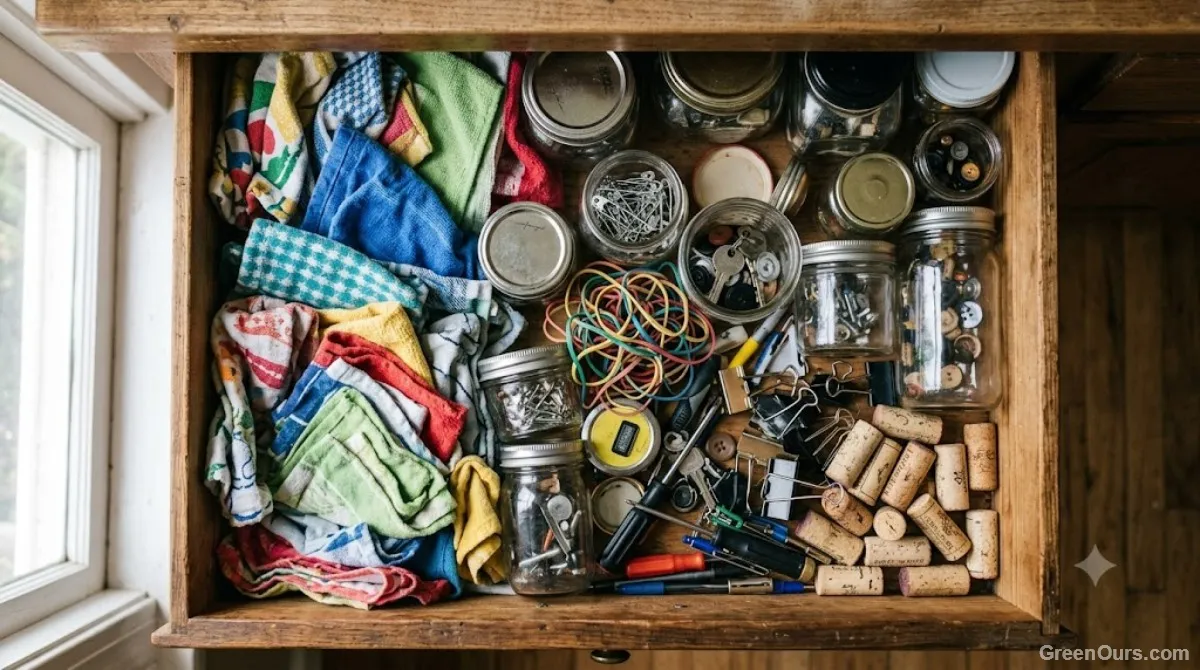
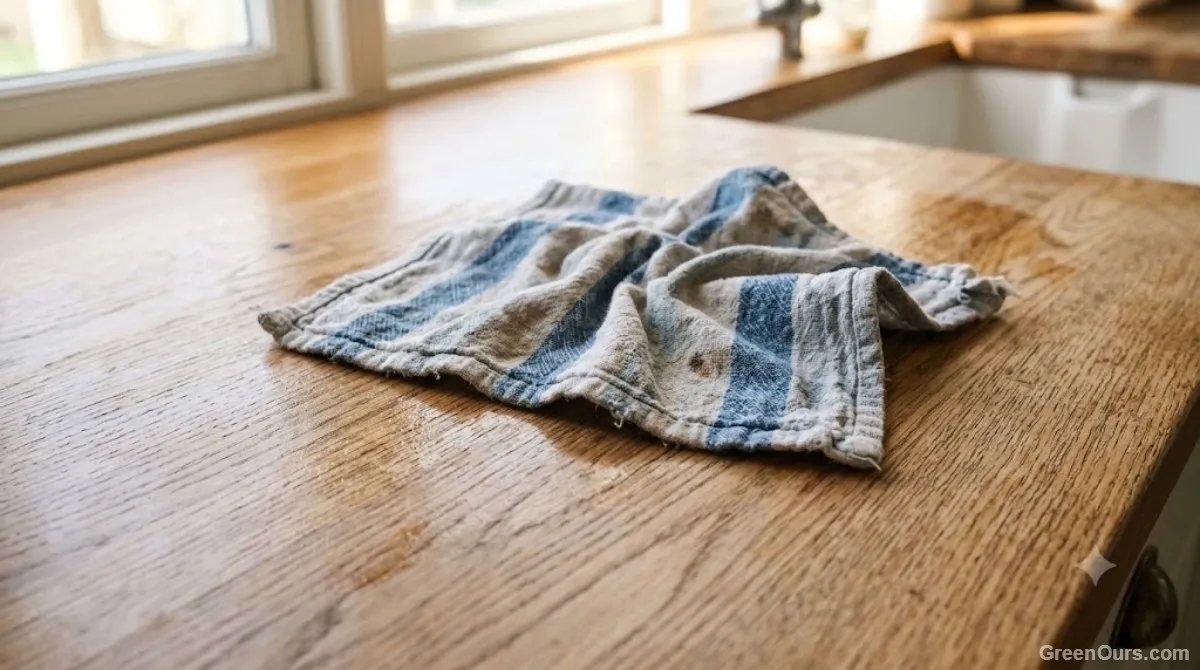
Open your rag drawer, or the pile of towels that are too stained or thin for guests. That's your paper towel replacement. Old t-shirts cut into squares work for anything greasy. Worn-out dish towels handle spills and countertops. You don't need a special "reusable towel" product with a cute pattern — a towel is a towel once it's wiping up coffee.
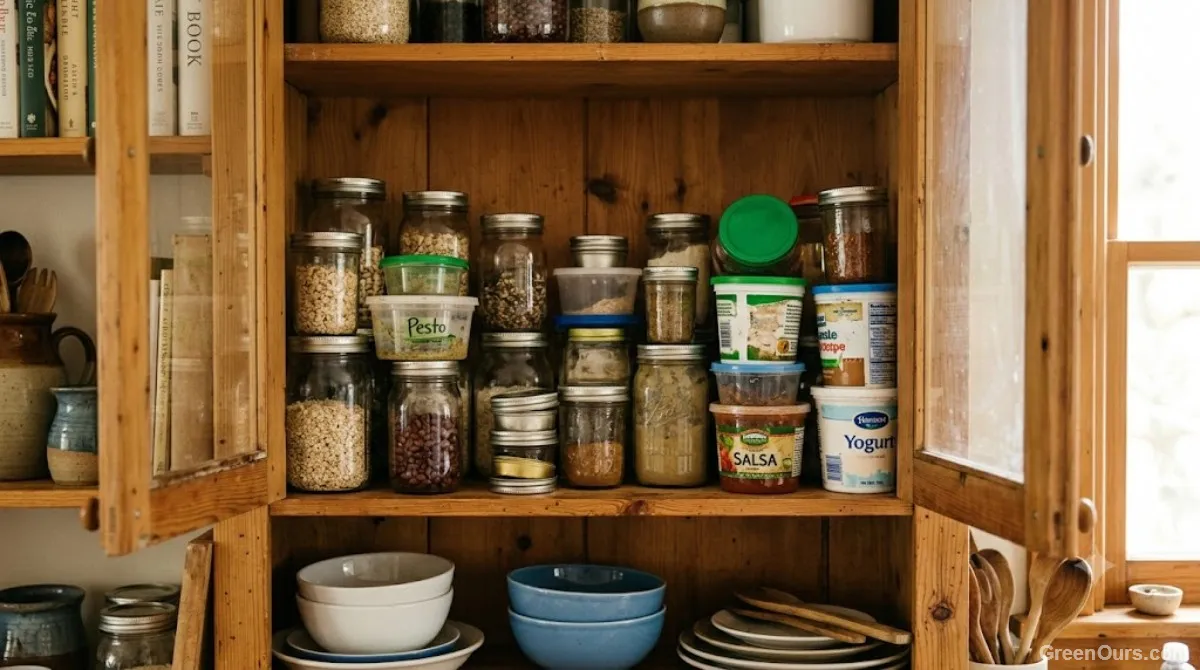
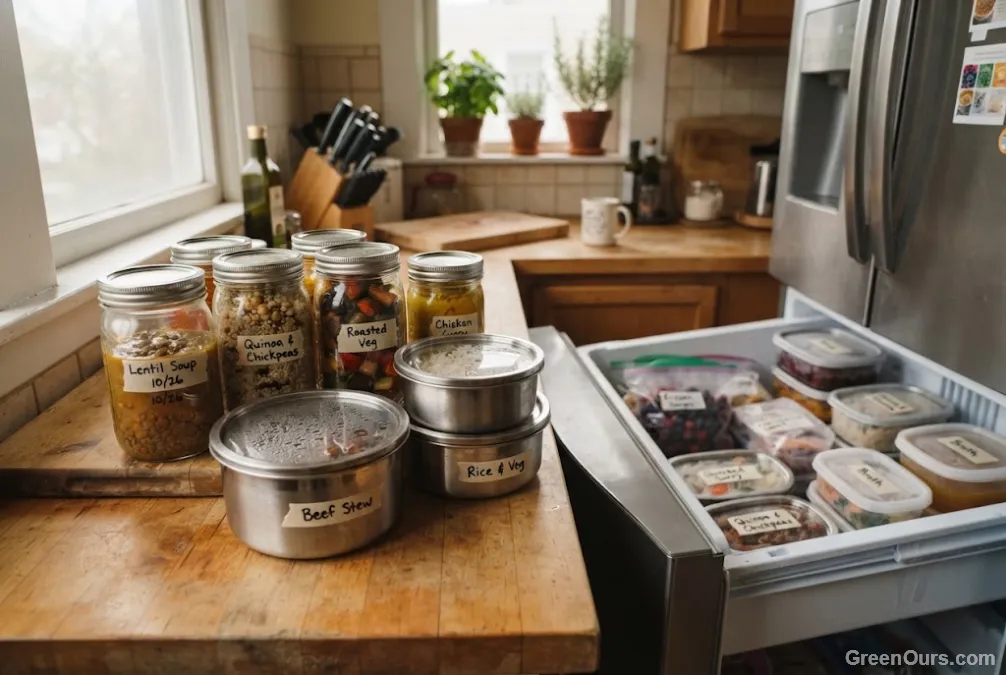
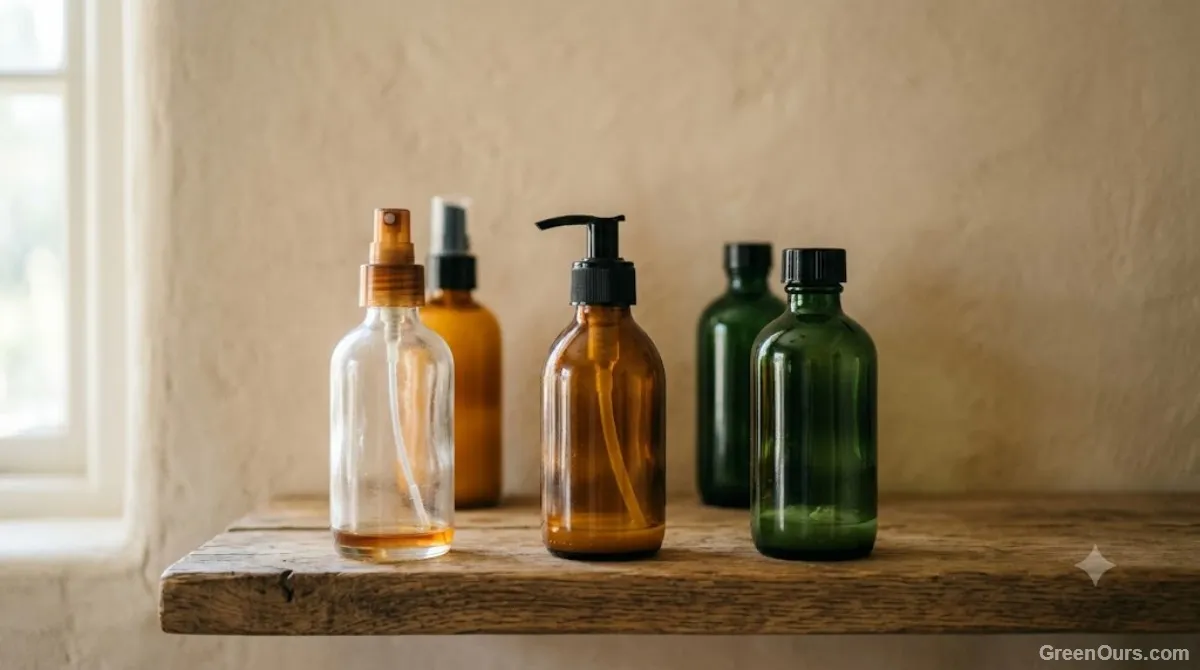
Empty jars are the other obvious one, and I know it's been said before, but people still throw them out. A pasta sauce jar with the label soaked off works for bulk grains, leftover soup, or homemade salad dressing. You don't need to buy matching mason jars for this to count. Mismatched jars still seal, still stack, still do the job.
Before you recycle any glass jar or plastic tub, pause for one second and ask what it could hold instead. Recycling is good. Not needing to recycle it at all is better.
The Bathroom Swaps Hiding in Plain Sight
Bathrooms are full of quiet disposable habits — cotton pads, single-use razors, plastic-wrapped everything — but they're also full of things that already double as replacements.
Old toothbrushes
A toothbrush that's too worn for your teeth is exactly the right texture for scrubbing grout, faucet edges, or the tracks on a shower door. This is one of the least glamorous swaps on this list, and also one of the most useful.
Worn washcloths and old socks
Cut a soft, worn-out washcloth into a few squares and you've got reusable cotton rounds for makeup removal or applying toner — no purchase required. A single sock with a hole in the heel makes a decent dusting mitt for blinds and baseboards, the kind of surface most people avoid cleaning until it's visibly grim.
Beyond the House: Bags, Jars, and Containers
The swap people struggle with most isn't owning reusable things — it's remembering to bring them. You probably already have three tote bags shoved in a closet from conference swag or a bookstore purchase. The trick isn't buying a nicer one. It's keeping one somewhere you'll actually see it: hooked on the front door, folded in your car, tucked in your work bag.
Same goes for containers. If you're bringing lunch somewhere, you don't need a bento box with compartments — an old yogurt tub with a lid does the same job. If you're picking up takeout, a reused deli container can go straight back into your bag for the next order, no disposable clamshell needed.
When Buying Something New Actually Makes Sense
I'm not going to pretend reuse solves everything. Sometimes what you own is genuinely worn out, unsanitary, or unsafe to keep using — a cracked cutting board, a moldy sponge, a razor blade that's gone dull enough to nick skin. In those cases, replacing it is the responsible move, not a failure of thriftiness.
The distinction that actually matters is buying because something is used up, versus buying because a product looks more "sustainable" than the thing you already have. The first is necessary. The second is just shopping with a cleaner conscience.
Start With One Drawer
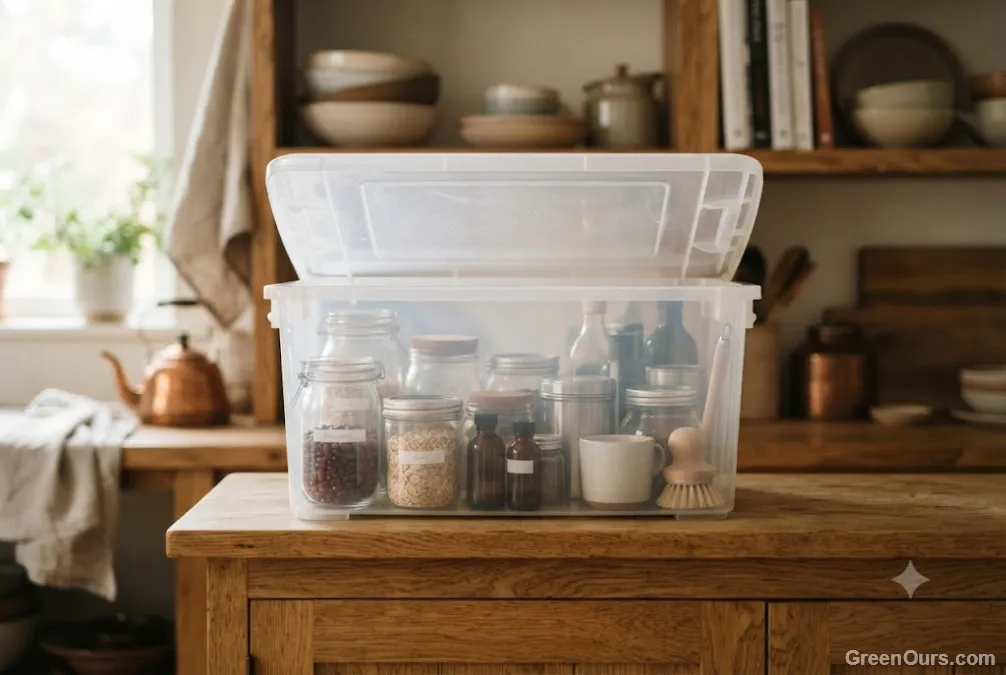
You don't have to inventory your whole house this weekend. Pick one drawer, one shelf, one box you've been meaning to sort. Pull out what could reasonably replace something disposable, and set it somewhere visible so you actually remember to use it instead of the paper towels or the plastic wrap.
The version of this that sticks isn't the one where you buy the perfect setup on day one. It's the one where you start noticing what you already own before you reach for something new — and honestly, that habit is worth more than any product could be.
More ways to reduce waste at home