
The Guilt Isn't Random — It's Just Misdirected
That little twinge you feel when a container goes in the trash instead of getting reused? It's not irrational. Most food containers are genuinely still functional after one use — they've just been mentally filed under "disposable" because that's how they were marketed. A margarine tub and a glass mason jar cost the planet very different amounts to produce, but we treat them with the same one-and-done mindset.
The fix isn't guilt. It's a quick mental sort, done once, so you're not relitigating the decision every single time you empty a container into the sink.
The real question isn't "can I reuse this?" — almost anything can be reused once. It's "will I actually reuse this, or will it just take up space until I throw it out later feeling worse about it?"
Which Containers Are Actually Safe to Keep
Not every container is created equal, and pretending otherwise is how you end up with a cabinet full of things you're scared to use. Here's a straightforward way to think about it.
Good candidates
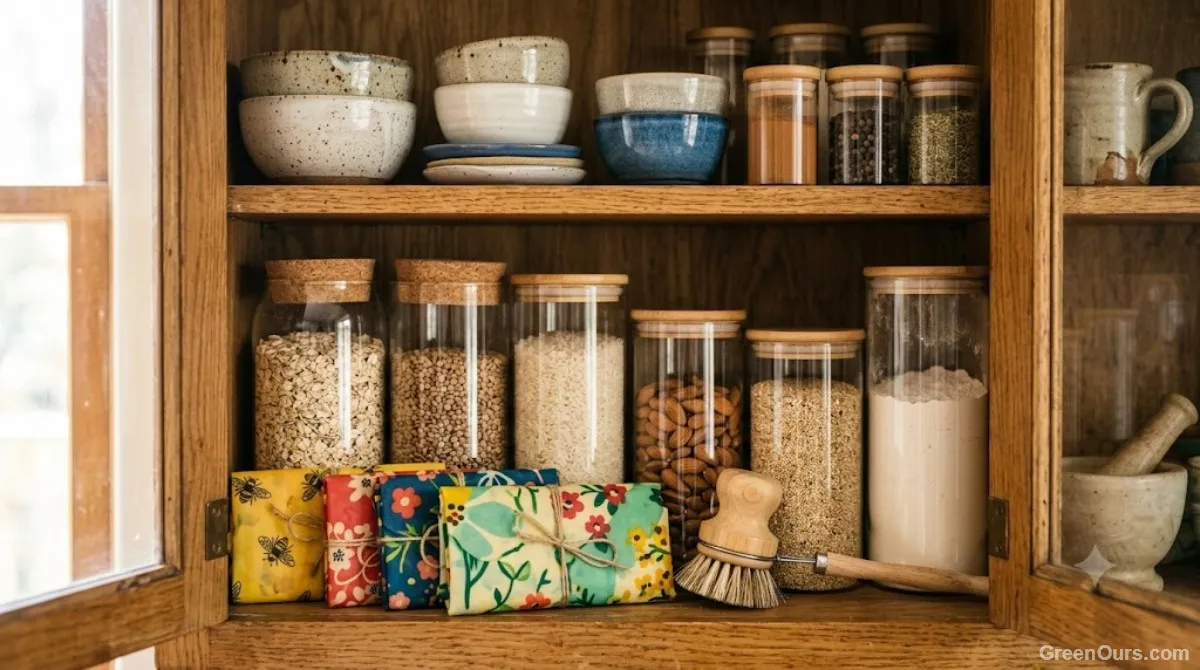
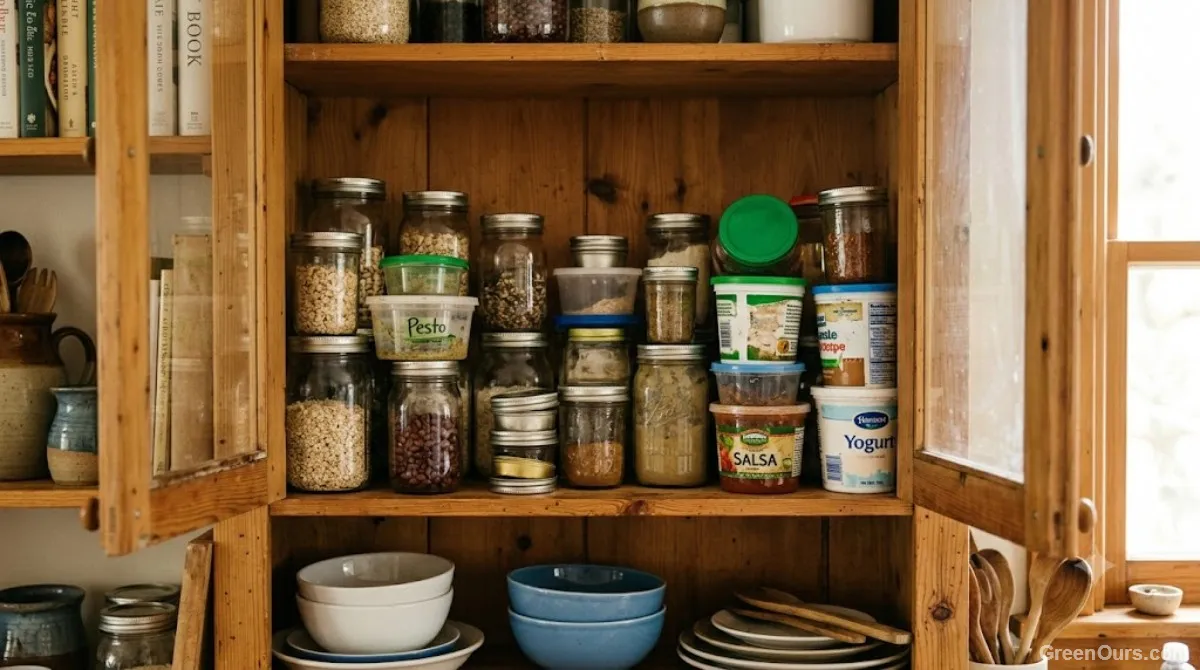
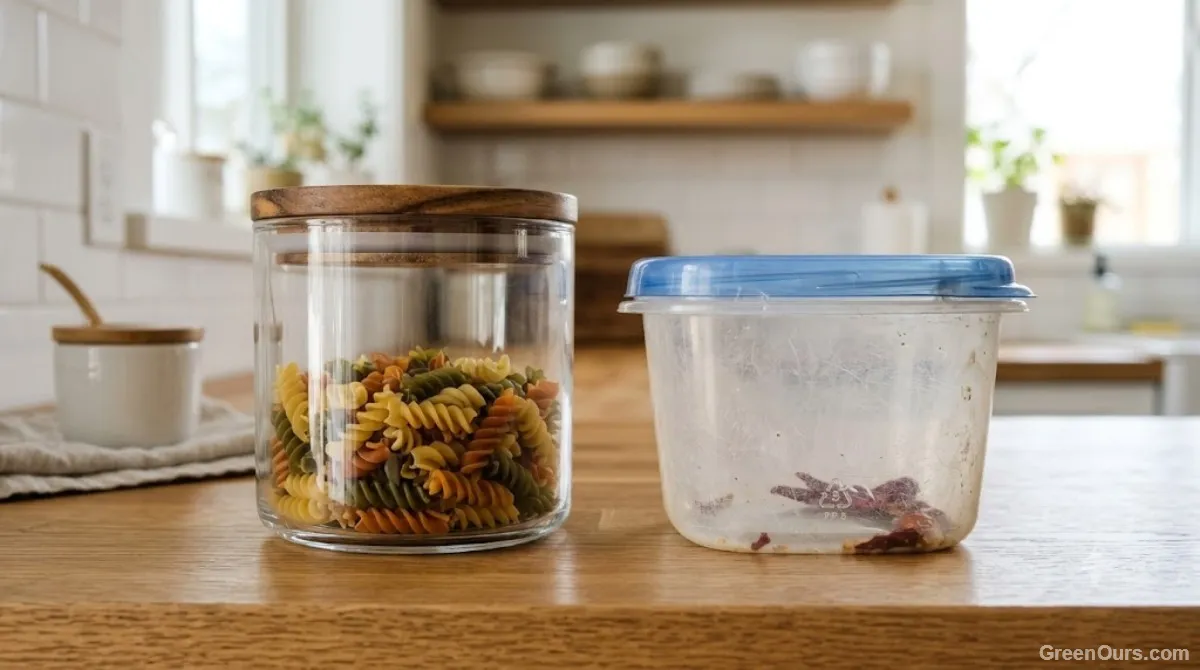
Glass jars (jam, pickle, pasta sauce) are close to indestructible and don't absorb odors or stain, which makes them ideal for dry goods, leftovers, or even bathroom storage. Sturdy plastic tubs with a solid, unscratched interior — the kind that held things like coconut yogurt or nut butter — can usually handle a few more rounds of freezer storage or pantry use before they wear out.
Containers to think twice about
Thin deli containers that already look cloudy or scratched have likely started breaking down at a microscopic level, especially if they've been through the microwave. Anything that held raw meat juices needs a genuinely thorough wash — hot, soapy, and immediate — or it's not worth the risk. And containers with a strong lingering smell, like some takeout boxes, are better recycled than reused for food; the smell means the plastic has already absorbed something it's not going to let go of.
Where These Containers Actually Belong Now
This is the part most advice skips: reuse doesn't mean "use it for food storage forever." Sometimes the best second life for a container has nothing to do with the kitchen at all.
Around the house
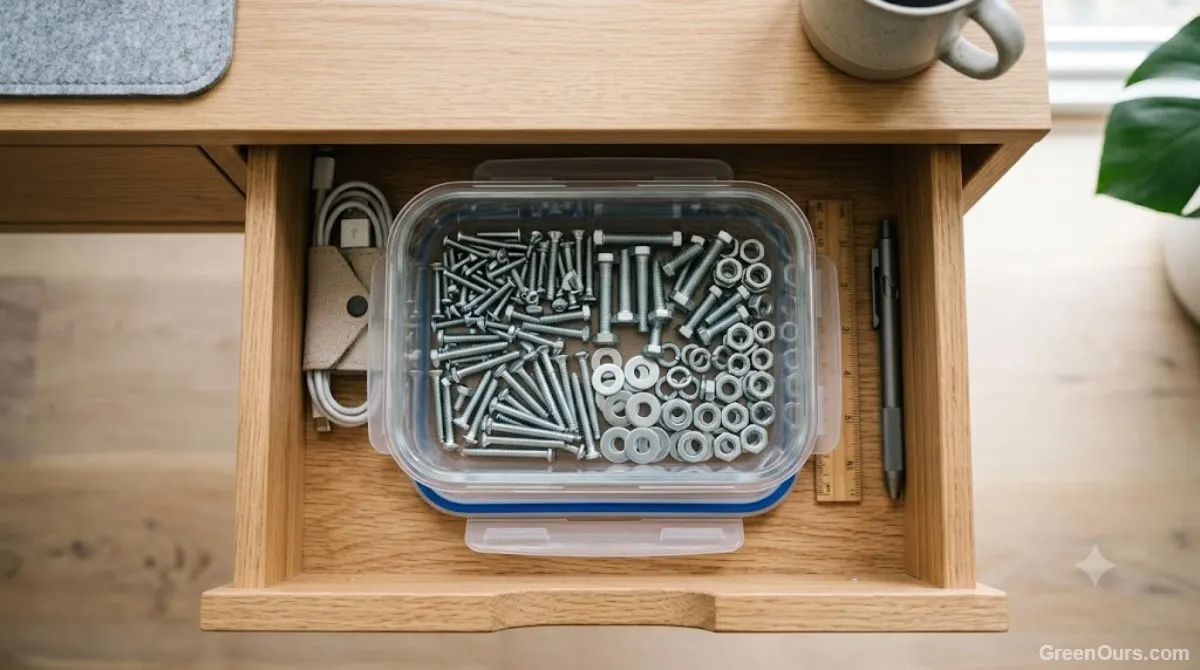
Squat glass jars make surprisingly good drawer organizers for loose change, hair ties, or bathroom odds and ends. A wide plastic tub with a lid is genuinely one of the best homes for screws, nails, and other hardware that otherwise ends up loose in a junk drawer forever.
In the garden or on the balcony
Clear plastic containers with holes punched in the bottom work well as seed-starting trays, and yogurt tubs make decent temporary pots for cuttings or seedlings before they're ready for the ground.
For giving things away
If you bake, cook extra, or share produce from a garden, a clean reused container is a perfectly good way to send something home with a friend — no expectation of getting it back, no new packaging required.
The Ones I've Learned to Actually Let Go Of
Here's my honest confession: I used to hoard every container out of principle, and it made my cabinets worse, not better. A container that's cracked, warped from the dishwasher, or missing its lid isn't doing anyone a favor by sitting in your cupboard for another six months. Recycling it — properly, checking your local guidelines for the plastic type — is the more sustainable choice at that point, not a failure.
The goal was never to keep everything forever. It was to stop defaulting to "trash" for things that still had a use in them.
Building a System So They Don't Just Pile Up
The difference between a useful stash and a chaotic drawer usually comes down to one thing: a limit. Pick a realistic number — say, six to eight containers of each size you actually use regularly — and let anything beyond that go straight to recycling instead of adding to the pile. Store the keepers with their lids nested together so you can actually see what you have, instead of digging through a stack every time you need one.
None of this requires turning your kitchen into a Pinterest board of matching jars. It just means giving the containers you already own a fair shot at being useful again, and letting go of the ones that aren't, without the guilt trip either way.
More ways to reduce waste at home, one honest step at a time:
How to Reduce Household Waste: A Beginner's Roadmap