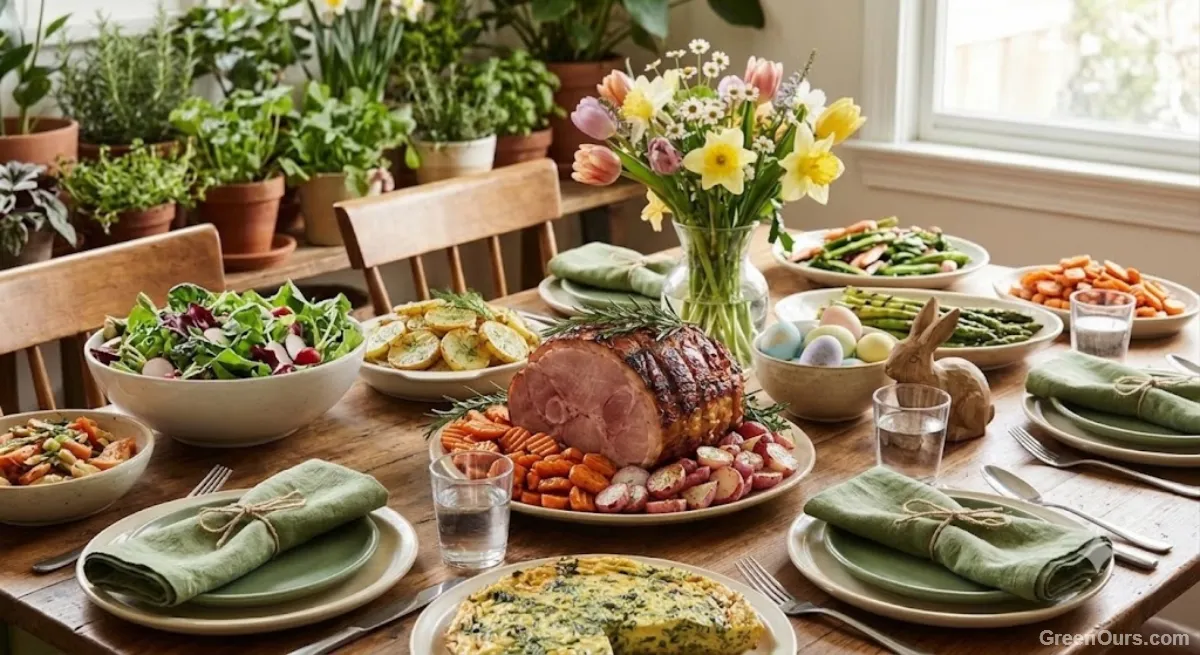

Start With a Realistic Easter Guest List and Menu
The short version
- Count real mouths. Plan around who's actually coming and who's bringing a dish.
- Buy once, from one list. Overlapping ingredients get bought a single time.
- Plan leftovers now. Decide the second meal before the first one is served.
- Sort the scraps. Edible first, compost second, trash last.
Start with a headcount you'd bet money on. As an illustration, not a rule: say eight people are coming, two of them are bringing a dish, and one doesn't eat meat. You aren't cooking a main for eight. You're cooking it for the people who will actually eat it, and letting the dishes that arrive fill the rest of the table. Run your own numbers the same way, and ask one question before you shop: who is bringing what?
Then pick a main that suits the people in the room. A smaller bone-in joint, a roast lamb shoulder or a hearty vegetable bake all make a lovely centerpiece, and none of them need to feed an army.
For sides, favor dishes that use an ingredient from stem to root. Carrot tops, leek greens and potato skins all have a second life, so choose recipes that put them to work.
Estimate portions before shopping
Count confirmed guests, then subtract anyone bringing a dish.
Choose a main that fits the crowd
Ham, lamb or a plant-based bake can all work. Size it to the table.
Plan sides you can use completely
Think about how stems, leaves and peels might get a second life.
Shop for a Lower-Waste Easter Menu
Write one shopping list for the whole menu, not one per dish. That's how you catch the three recipes that each want half a bunch of parsley, and buy a single bunch instead.
Spring produce is the easy win here. Asparagus, peas, radishes, new potatoes and fresh herbs are in season in much of the US and Europe around Easter, though timing varies by region, so check what your local market actually has. Buying loose where you can means you bring home only what you'll use.
Build one shopping list
Cover the whole menu so overlapping ingredients are bought once.
Choose local spring produce
Ask what's in season where you live and buy what you'll use.
Use ingredients across dishes
Let herbs and vegetables show up in more than one recipe.
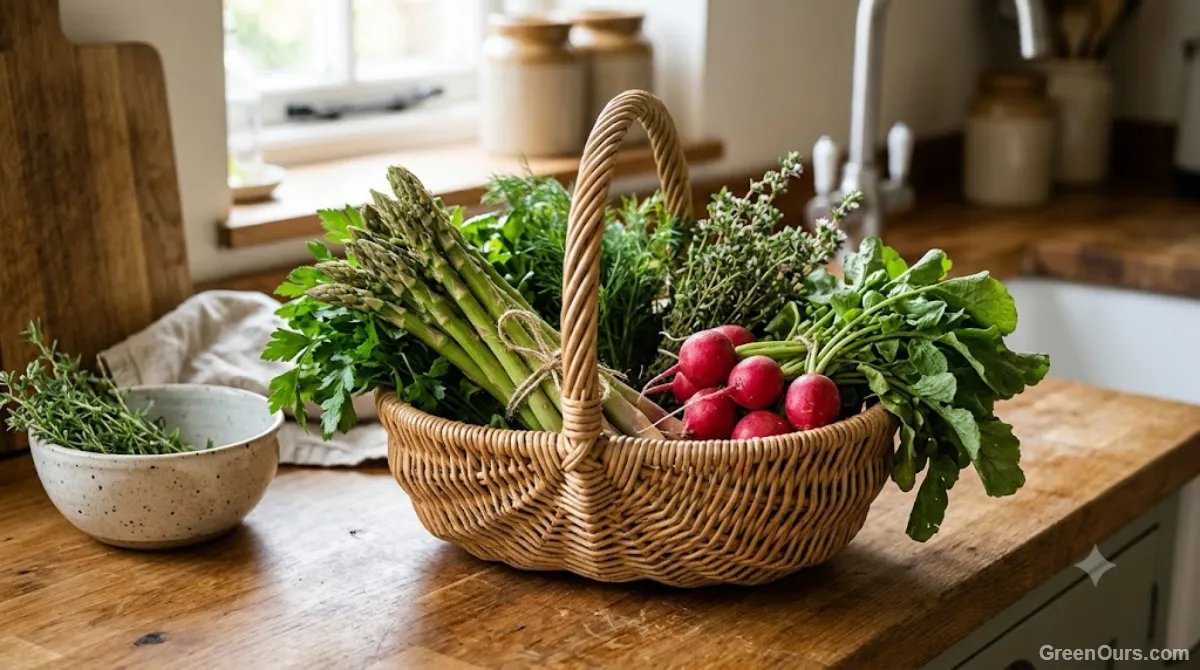
Shop your own kitchen first. Half a bag of flour, a jar of mustard, the end of a block of butter: they count, and they're free.
Set an Easter Table Without Unnecessary Disposables
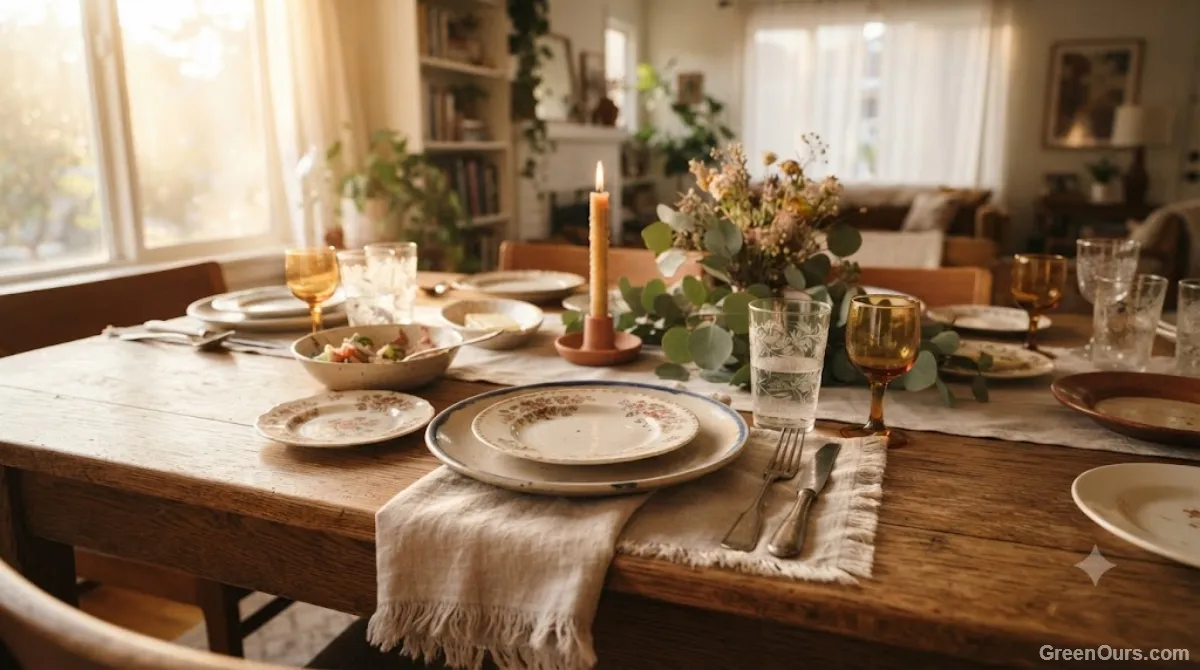
Disposable plates feel like a gift to your future self, right up until you're carrying out four bags of paper and plastic. Your everyday dishes, mismatched on purpose, look far more charming than a stack of paper plates anyway.
Cloth napkins can be old tea towels or thrifted finds. A jar of tulips, a pot of living herbs or a bowl of fresh lemons does the decorating, and nothing has to go in the trash afterward.
Use dishes you already own
Mismatched plates look relaxed and create no trash.
Decorate with living things
Potted herbs and fresh flowers can be planted or composted later.
Make serving easier
Serve family-style from shared dishes to skip the plated extras.
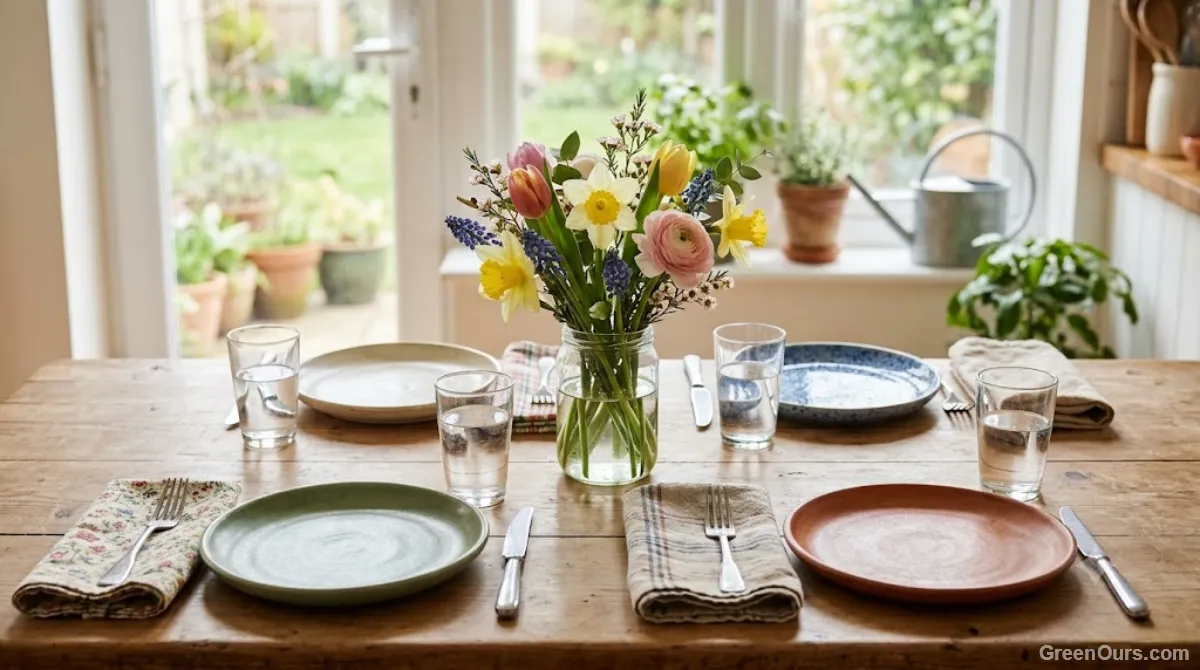
Pet owners, a quick heads-up. Easter lilies are dangerous for cats, and some other spring flowers can upset pets too. Check the ASPCA's toxic and non-toxic plant list or call your vet before putting a bouquet within reach.
Plan for Leftovers Before Easter Dinner Begins
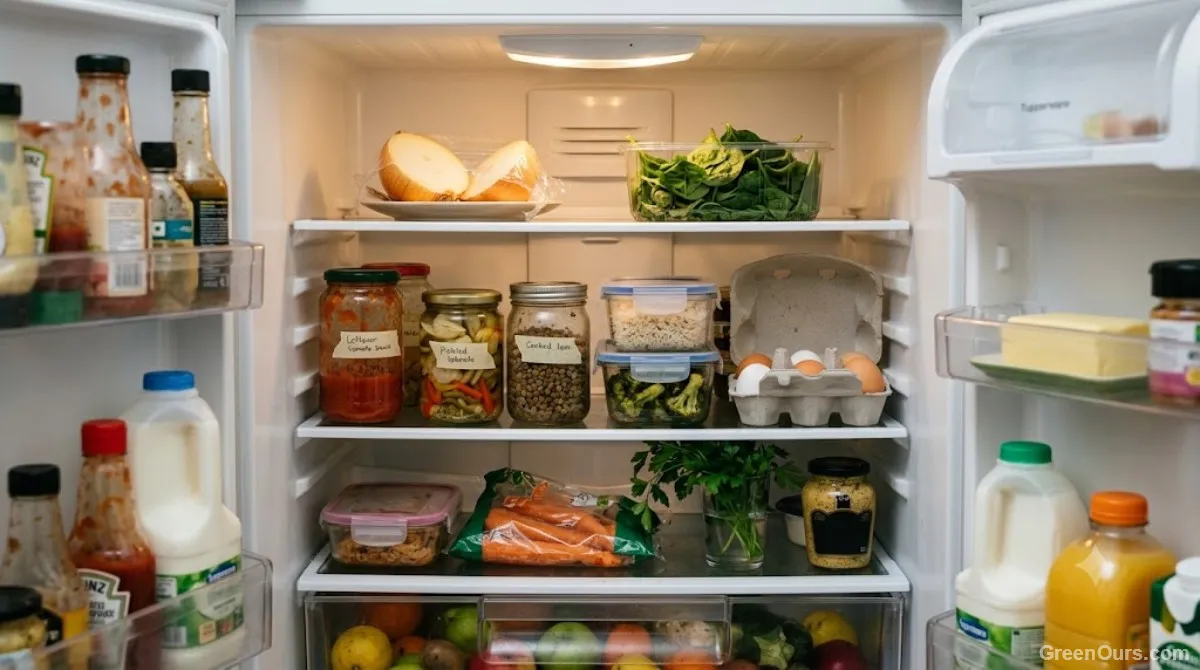
Leftovers only become waste when nobody has a plan for them. So make one now: the ham turns into sandwiches and soup, the roasted vegetables become a frittata, and Monday's fridge stare-down gets a lot less stressful.
Food safety does some of the planning for you. U.S. food-safety guidance advises getting leftovers into the fridge within two hours of cooking, eating them within three to four days, and reheating them to 165°F (74°C). Divide big batches into shallow containers so they cool quickly, and freeze anything you won't get to in portions small enough to thaw one meal at a time.
Give ham a second meal
Sandwiches, soups and casseroles use up the last slices.
Repurpose extra vegetables
Frittatas, stir-fries and grain bowls welcome side-dish stragglers.
Store leftovers safely
Chill within two hours in shallow containers, then eat within three to four days or freeze.
Save the bone. A ham bone in the freezer is a ready-made start for a pot of soup, and it keeps one more thing out of the trash.
Sort Easter Food Scraps and Compost What You Can
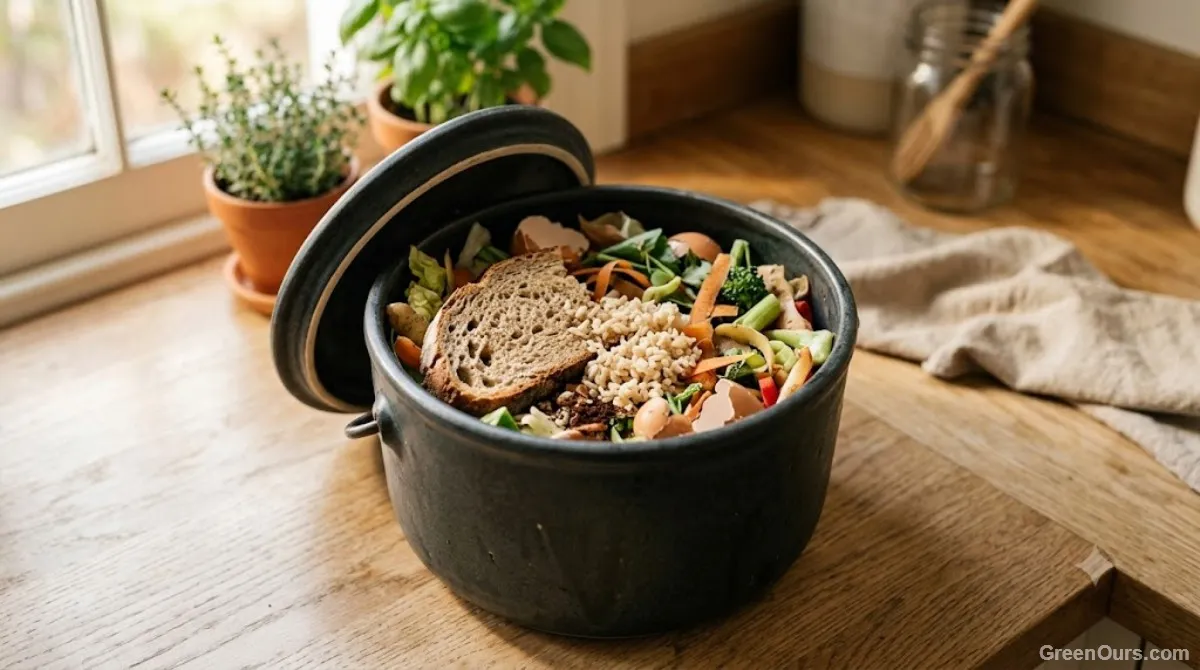
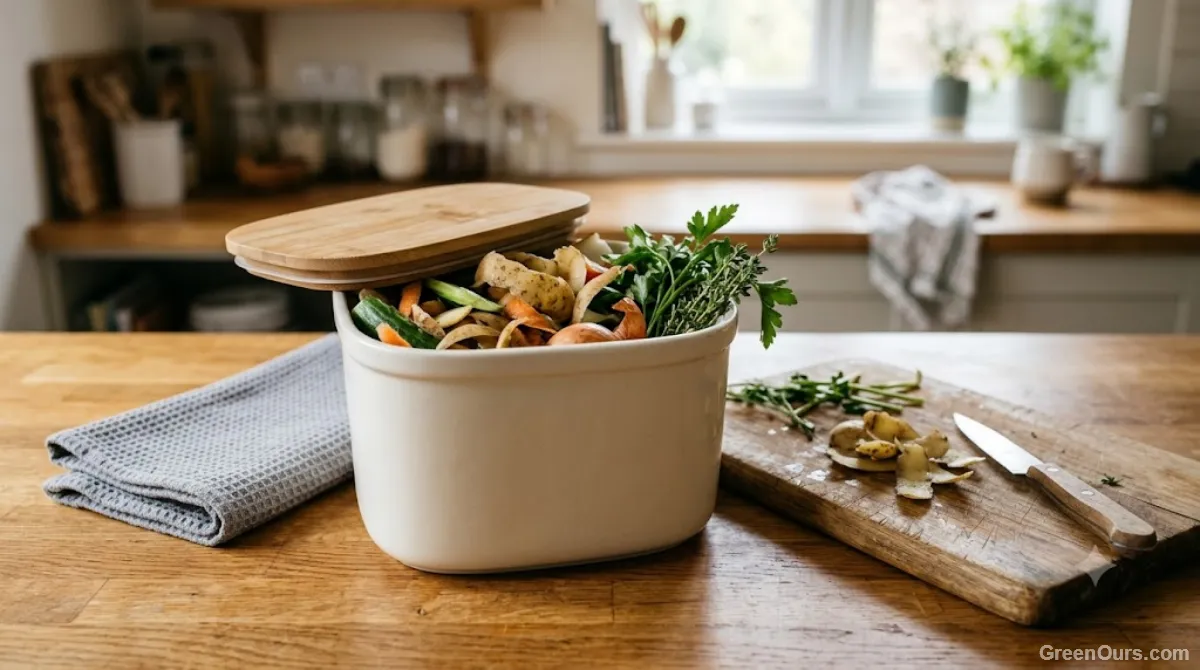
Not every scrap is trash, and not every scrap is compost either. Start by separating what could still be eaten, like carrot peels for stock or herb stems for a sauce, from what truly can't.
Then check what your system accepts. Backyard piles generally want plant scraps such as peels, stems and eggshells, while meat, bones and dairy usually belong in a municipal or commercial program rather than a home bin. That's where cooked food gets complicated.
If your city runs food-scrap collection or has drop-off sites, Easter weekend is a good excuse to look up the details. Rules vary a lot from place to place, so go by your local program's list instead of guessing.
Separate edible from inedible
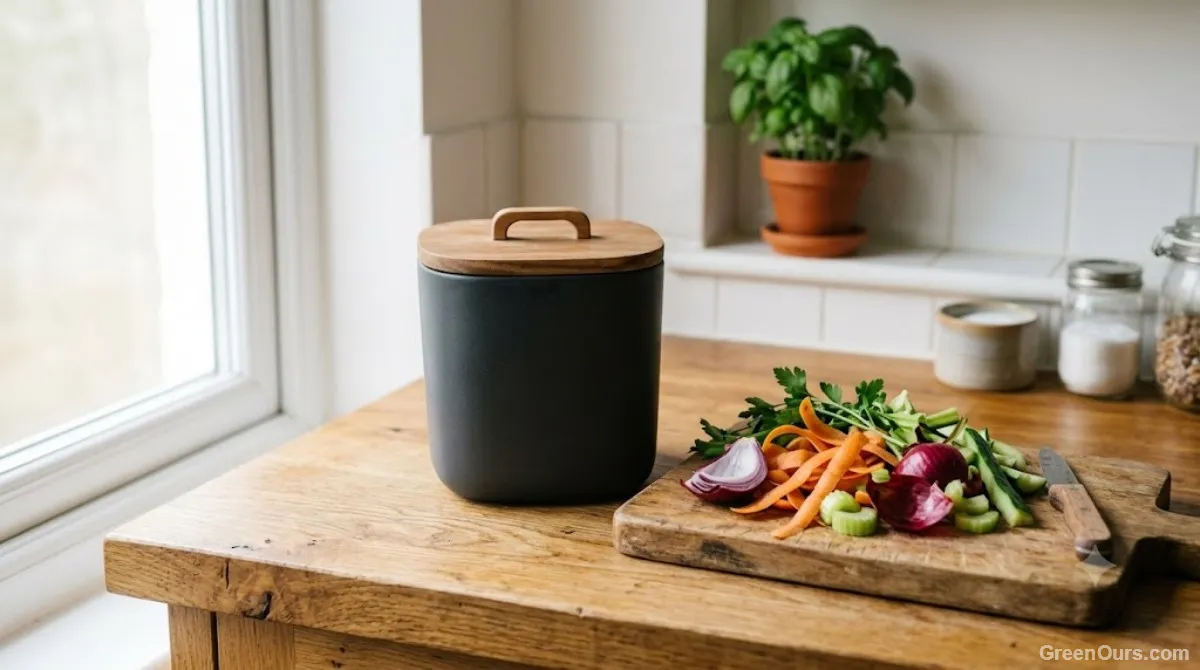
Save peels and stems for stock before anything heads for the bin.
Check your system's rules
Home bins and city programs accept different foods.
Find a local collection
Some cities and drop-off sites take scraps a backyard pile can't.
Your Simple Zero-Waste Easter Dinner Checklist
Screenshot this or stick it on the fridge. Tick off what you get to, and give yourself a pass on the rest.
Plan
- Confirm who is bringing a dish
- Note allergies and diets
- Decide your headcount
Shop
- Check the fridge and pantry first
- Write one list for the whole menu
- Buy produce loose where you can
Serve
- Pull out the dishes and napkins you own
- Set a scrap bowl by the sink
- Serve family-style from shared dishes
After the meal
- Pack leftovers in shallow containers within two hours
- Label each box with a use-by day
- Check what your compost service accepts
If you only manage one thing this year, make it the leftover plan. It quietly takes care of most of the rest, and the compost run can wait until next Easter. Which step would you actually keep?
Sources
- Leftovers: The Gift That Keeps on Giving — FoodSafety.gov
- Cold Food Storage Chart — FoodSafety.gov
- Reducing Wasted Food at Home — U.S. Environmental Protection Agency
- Composting at Home — U.S. Environmental Protection Agency
- Toxic and Non-Toxic Plants — ASPCA
Hosting again soon? Take the habits from this guide into everyday zero-waste hosting, or build a weekly routine with the Use-It-Up Meal Plan.