
Why the Trash Can Became My Villain
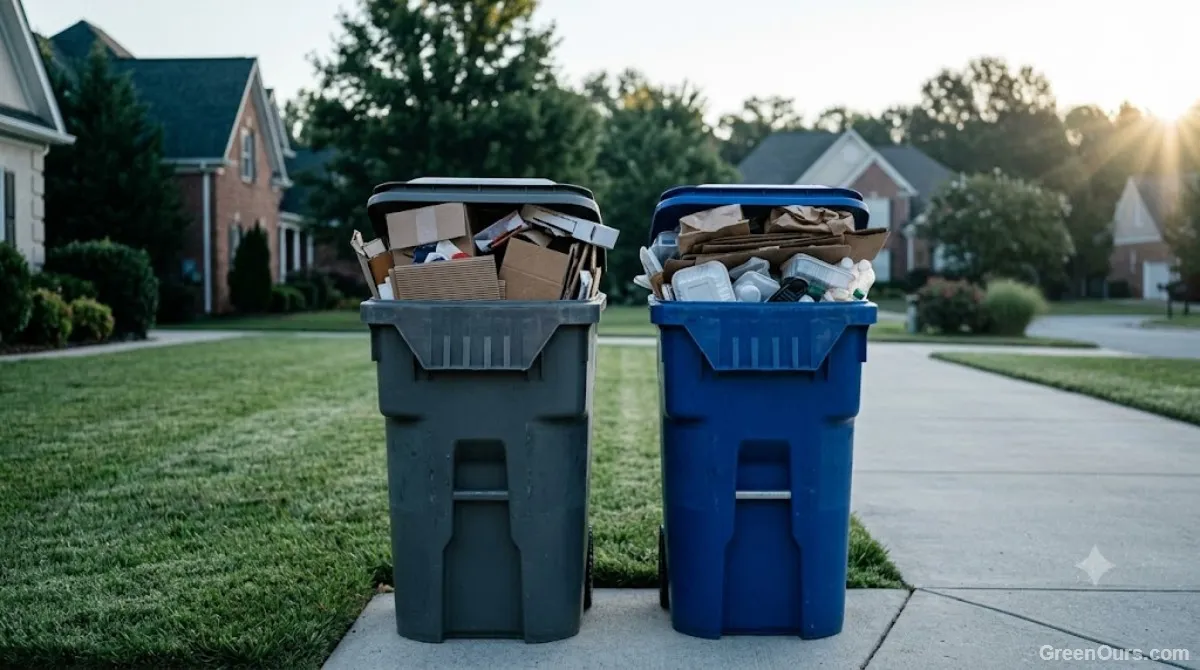
My old bin held a lot. Too much, really. It meant I could go three or four days without taking it out, which sounds convenient until you realize it also meant three or four days of never noticing what was piling up inside it. Takeout containers, produce bags, half-used packaging — it all just disappeared into a bin big enough to swallow the evidence.
A bin that size doesn't just hold trash. It hides it. And you can't rethink what you can't see.
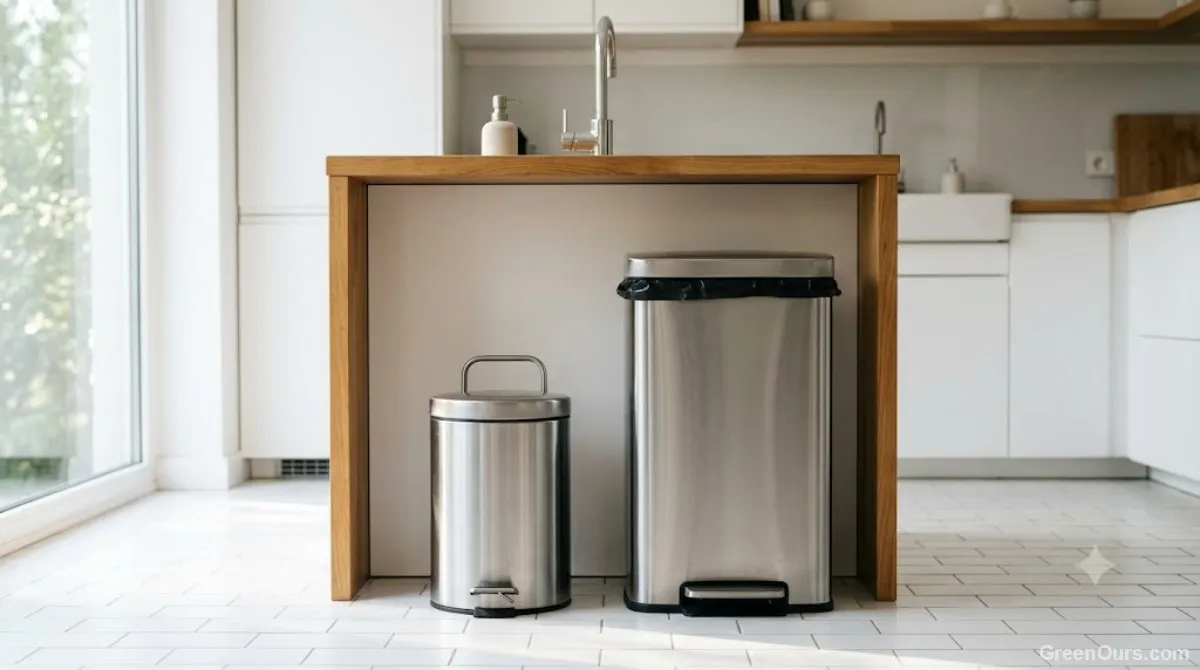
When I downsized, the math changed instantly. The new bin filled up in a day and a half instead of four. Suddenly I was face to face with how much I was actually generating, and that visibility did more to change my habits than any waste-tracking app or zero-waste starter kit ever did.
The Psychology of a Smaller Bin
There's a reason restaurants use smaller plates to help people eat less, and it's the same reason a smaller trash can works: friction. When something is easy and roomy, we don't think twice about adding to it. When it's tight and visible, every addition becomes a small decision instead of a mindless one.
A smaller bin creates just enough resistance to make you ask, even briefly, "does this actually need to go in here?" That question is where the real change happens — not in some grand zero-waste transformation, but in dozens of tiny moments where you catch yourself before tossing something that could've been recycled, composted, or just not bought in the first place.
The goal isn't to make trash disposal miserable — it's to make it visible enough that you notice patterns you'd otherwise ignore completely.
Choosing (or Repurposing) a Smaller Bin
You don't need to buy anything fancy here, and honestly, buying a brand-new bin to reduce waste feels a little backwards. Look around your house first. A bathroom trash can, an old bucket, even a sturdy box lined with a bag can work as your new kitchen bin while you test the idea.
If you do need something new, aim for a size that forces a take-out every day or two, not something you can ignore for a week. That daily friction is the entire mechanism — a bin that's too small becomes annoying, but one that's too generous just recreates the old problem in a slightly smaller shell.
Getting Your Household on Board
This is the part nobody warns you about. A smaller bin is an easy personal experiment, but it gets complicated the moment other people in your house are also throwing things away — and don't know why the bin suddenly feels tiny and annoying.
Skip the Announcement
I made the mistake of explaining my whole reasoning upfront, which mostly got me eye rolls and a partner who felt like he was being quietly graded on his trash habits. It went over better once I stopped narrating it and just let the smaller bin do the talking.
Make the Alternative Genuinely Easy
If the trash can shrinks but nothing else changes, people will just take it out more often and nothing improves. Put a compost bin or recycling container within arm's reach of the trash can, not in some inconvenient spot by the back door. The easier the better option is, the less anyone has to think about it.
Expect a Little Friction, Not a Revolt
There will be a week or two of minor grumbling — someone jamming trash down to make it fit, someone asking where the "real" bin went. That's normal. It settles once the new size becomes the new normal, which usually takes less time than you'd expect.
What Actually Changed After a Few Weeks
Our household trash output dropped noticeably — not because we became stricter people, but because the smaller bin kept surfacing the same culprits: excess packaging, food we didn't finish, and paper towels we didn't need in the first place. Once you can see a problem repeating, it's a lot easier to solve it at the source instead of just at the bin.
I won't pretend it fixed everything. We still generate trash. But the difference between an invisible pile and a visible one turned out to be the difference between ignoring a habit and actually adjusting it.
If Downsizing Feels Impossible Right Now
Maybe you're not ready to swap bins, and that's fine. You can borrow the underlying idea without buying anything: empty your current bin more often, or move it somewhere slightly less convenient. Even a small shift in visibility or effort can trigger the same rethink a smaller bin does.
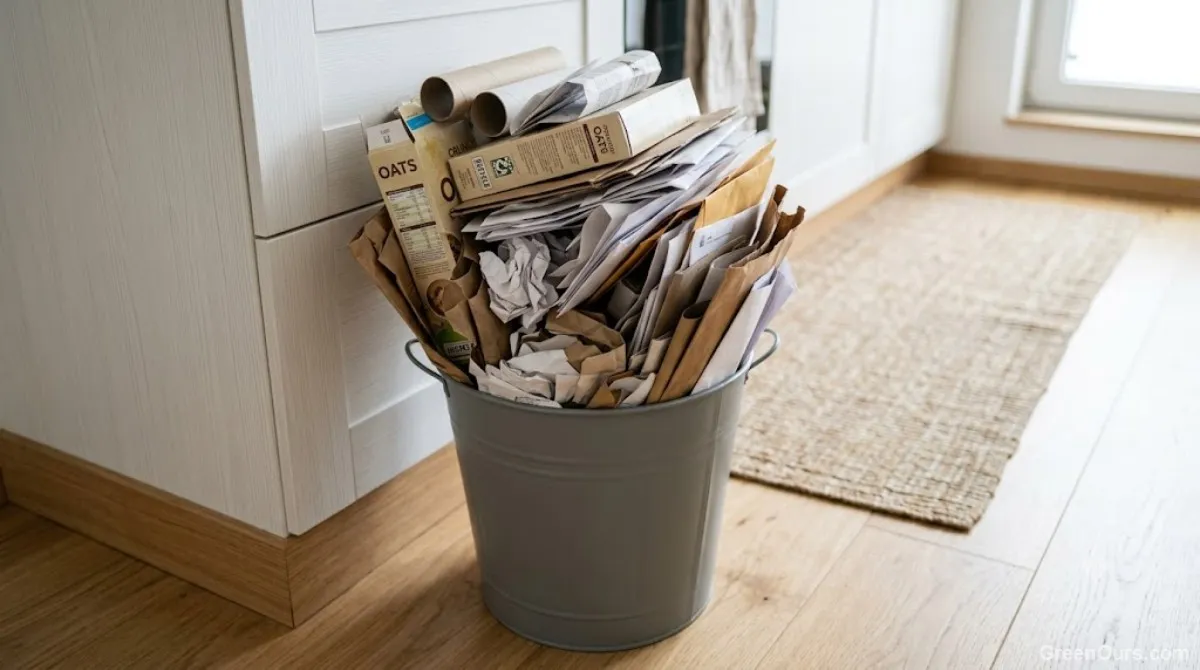
Make one thing slightly less convenient and see what happens.
I'll be honest — I didn't expect a smaller trash can to change anything. But it turns out that some of the most effective sustainability habits aren't the ones you announce or track. They're the small, almost boring changes that quietly make the wasteful choice a little less convenient than the better one.