
What Scale Insects Actually Look Like
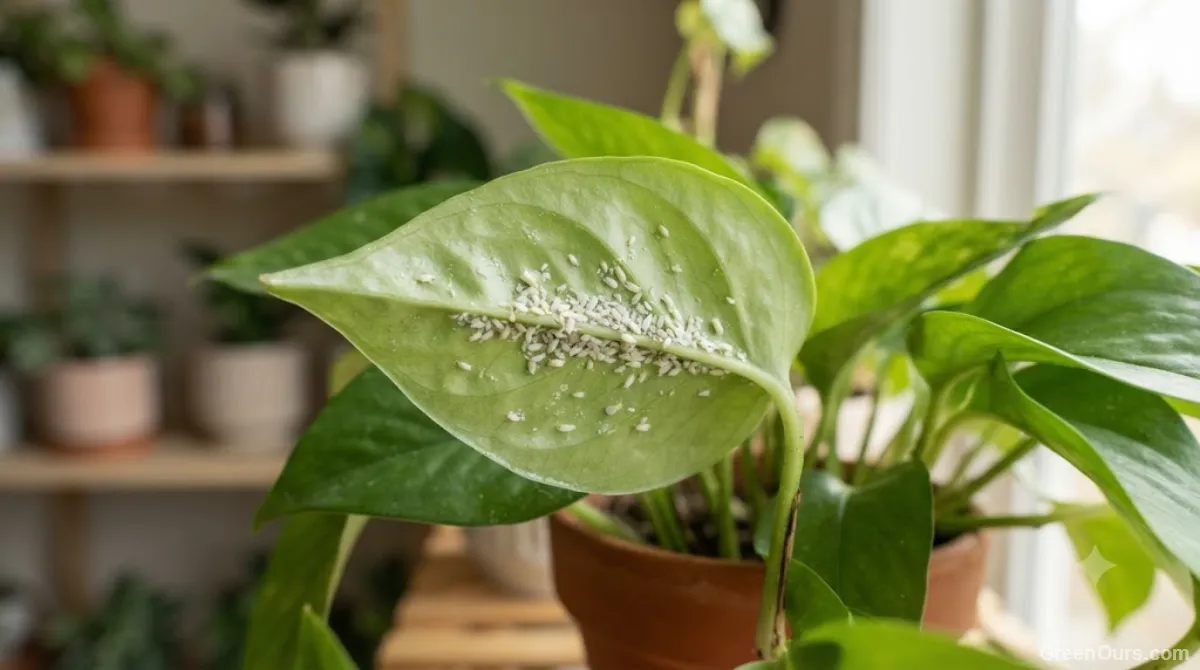
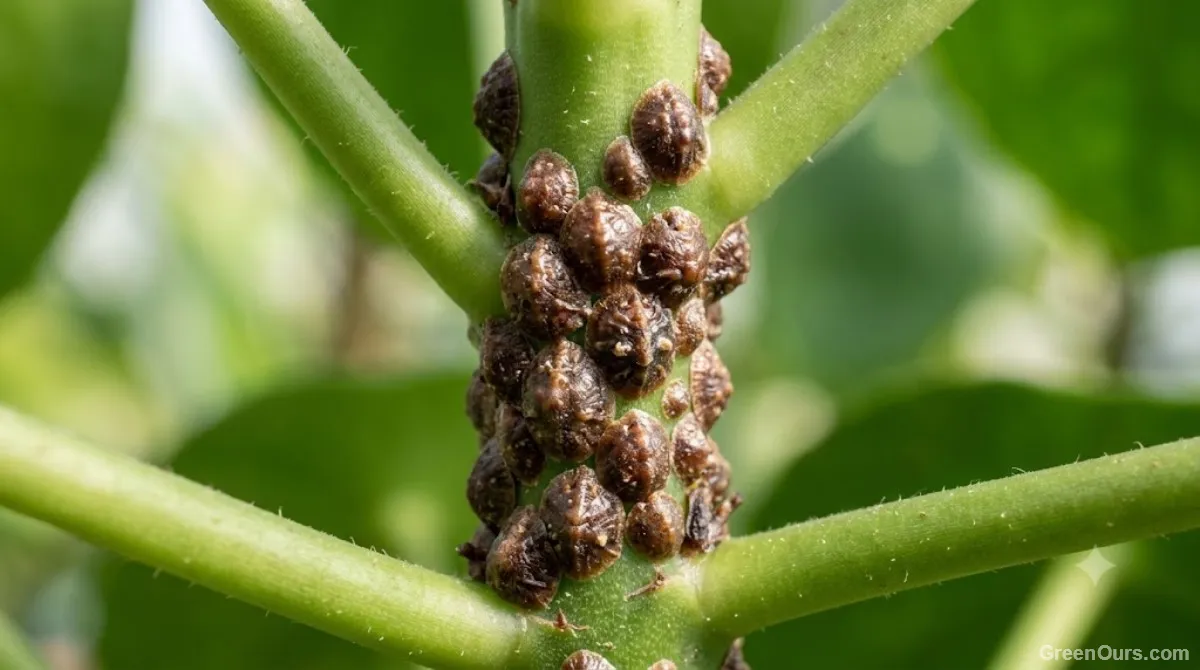
Scale insects fall into two categories: soft scale and armored scale. Soft scale insects are 2 to 5mm, oval, and slightly domed, often brown, tan, or yellowish. Armored scale insects are smaller, usually under 2mm, flatter, and covered in a hard, waxy shell that ranges from gray to dark brown. Both attach themselves to stems, leaf undersides, and the joints where leaves meet stems.
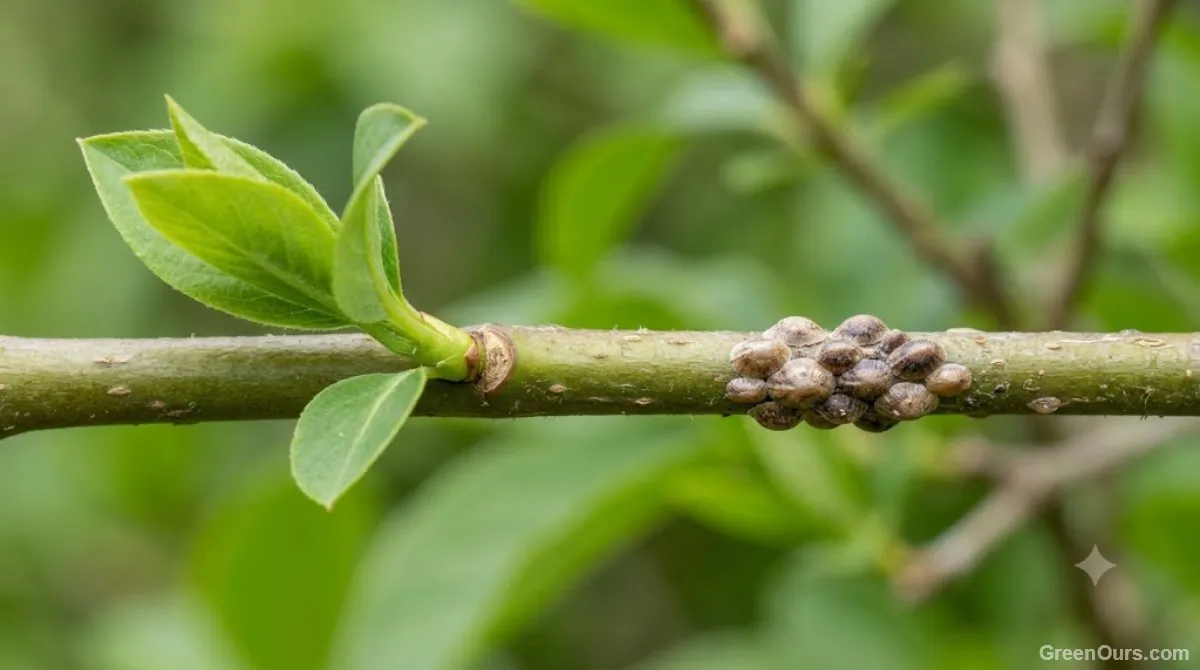
The giveaway isn't color. It's texture and placement. Natural stem nodes and leaf scars are flush with the stem's surface and follow a consistent, repeating pattern up the plant. Scale insects sit slightly raised, cluster irregularly, and often appear in groups of three or more rather than as single, evenly spaced marks.
The Scratch Test: Confirm Before You Treat
Press a fingernail against the bump and try to move it sideways. A leaf scar or dormant bud won't budge and won't leave residue. A scale insect will scrape off, and underneath you'll often find a small amount of sticky residue or a soft-bodied insect if the shell is punctured. If the bump comes away clean and the stem underneath looks undamaged, you're looking at scale, not plant tissue.
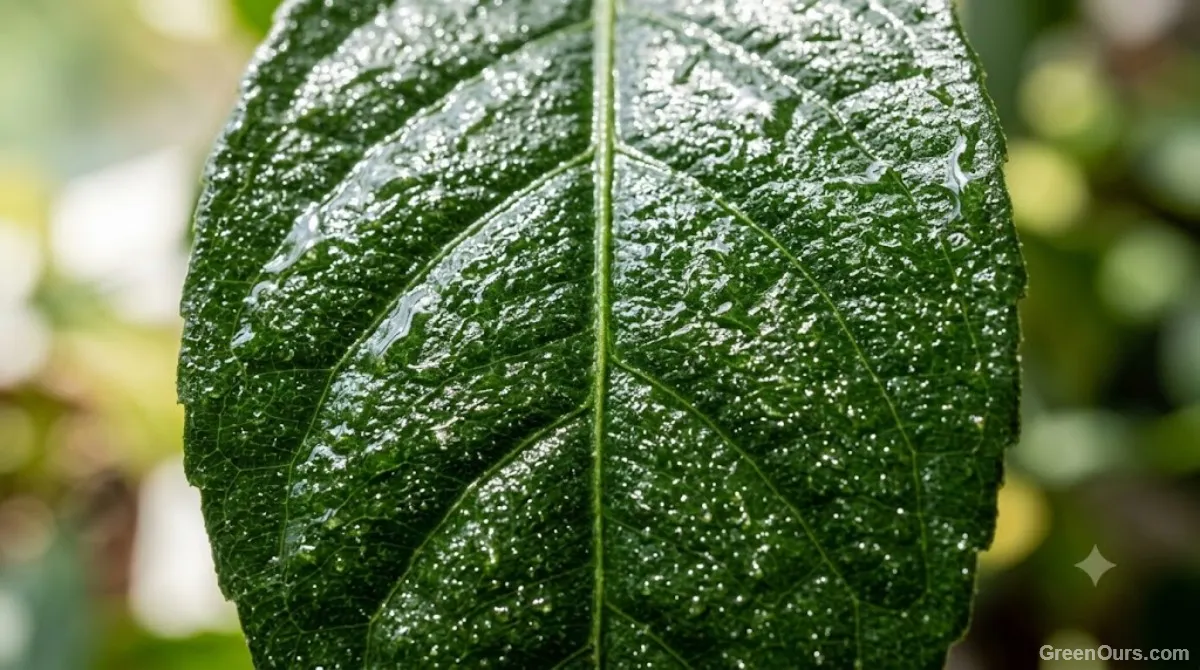
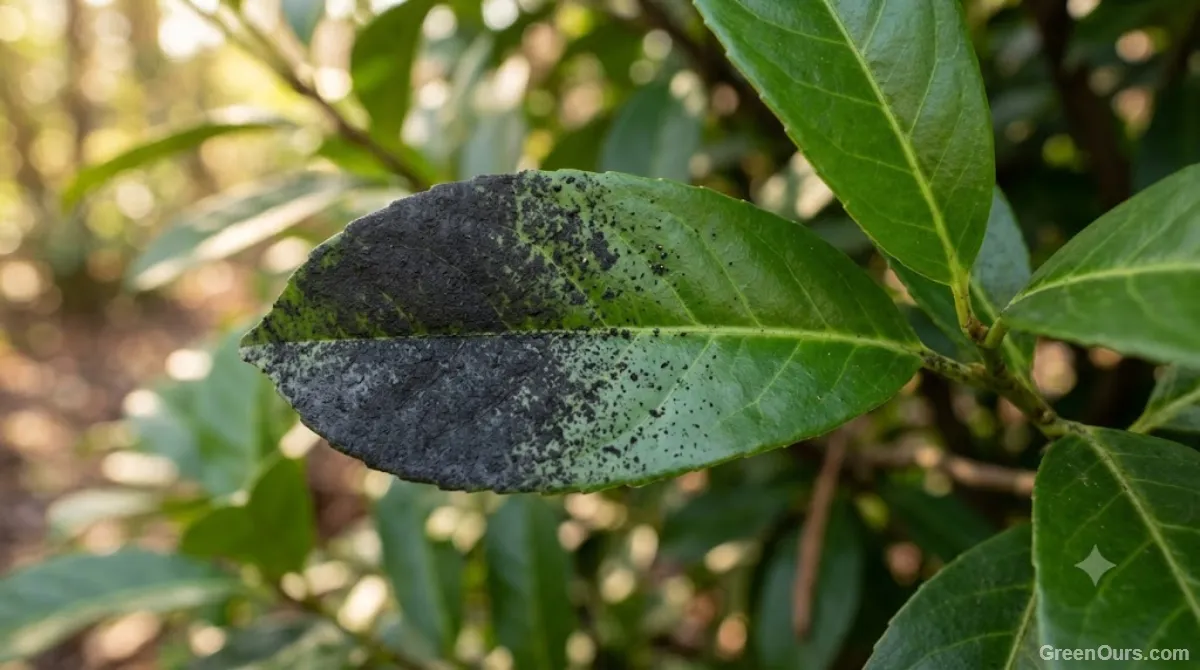
Check for honeydew next. Scale insects excrete a sticky, clear substance as they feed. If you notice tacky residue on leaves below the infested stem, or a faint sheen on nearby surfaces, that's a strong secondary indicator. Left untreated, honeydew often develops black sooty mold on the leaf surface, which is a separate problem but a reliable sign scale has been active for at least two to three weeks.
If a bump moves under gentle pressure or leaves sticky residue behind, treat it as scale immediately. Waiting for visual confirmation of the insect itself costs you the early window when treatment is fastest.
Where Scale Hides on the Plant
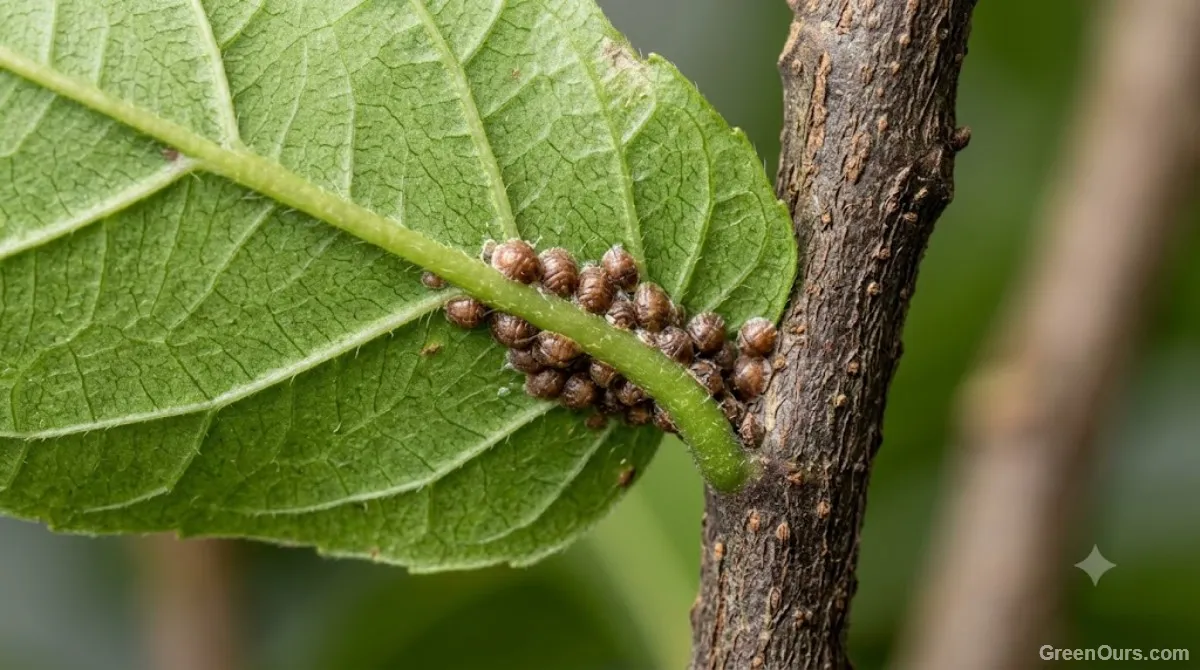
Scale insects favor low-light, low-airflow spots: the undersides of leaves, the junction where a leaf petiole meets the main stem, and the interior of dense growth where you're less likely to look. Check these three zones on a weekly basis, not just the top and outer edges of the plant.
New Growth Points
Young, tender stems attract scale first because the tissue is easier to penetrate. Inspect new growth closely — a single insect here can establish a colony within three to four weeks in warm indoor conditions.
Leaf Undersides Near the Midrib
Flip leaves over during every watering session. Scale clusters along the midrib and major veins, where sap flow is highest and the insect is least visible from above.
Treatment: Step by Step
- Isolate the plant from others immediately to prevent spread through touching leaves or shared air circulation.
- Dip a cotton swab in 70% isopropyl alcohol and press directly onto each visible scale insect for 10 to 15 seconds. This dissolves the protective shell and kills the insect underneath.
- Rinse the plant under lukewarm water to remove loosened insects and residue. Support the soil so it doesn't wash out.
- Apply horticultural oil or insecticidal soap to all stems and leaf surfaces, top and bottom, following label dilution rates exactly. Reapply every 7 days for three cycles to catch newly hatched insects that haven't yet formed a protective shell.
- Recheck the plant every 3 to 4 days for the first two weeks. New scale can emerge from eggs laid before treatment began.
Prevention Going Forward
Weekly Inspection Routine
Build a five-minute check into your regular watering schedule. Turn leaves over, run a finger along stem joints, and look at new growth specifically. Catching two or three scale insects on sight is a minor task. Catching them after a month is a plant-wide treatment project.
Quarantine New Plants
Keep any new plant separated from your existing collection for two full weeks before placing it nearby. Scale insects and their eggs travel on new plants far more often than people expect, and a two-week window covers most hatching cycles.
When Treatment Isn't Working
If you've completed three treatment cycles and still see new scale forming, the infestation has likely spread to the root system or a neighboring plant you haven't checked yet. At that point, a systemic insecticide labeled for scale control is worth considering, applied exactly per label instructions. Persistent, plant-wide infestations that don't respond after a month are a sign to consult a local extension office or plant care professional rather than continuing to cycle through topical treatments.
What to Do Next
Scale insects reward attention and punish neglect. A plant checked weekly rarely develops a serious infestation. One left alone for a season can lose entire stems. The habit matters more than the treatment.
Read our latest pest and disease diagnostics for more plant problems solved.