
Identifying the Deformation Pattern
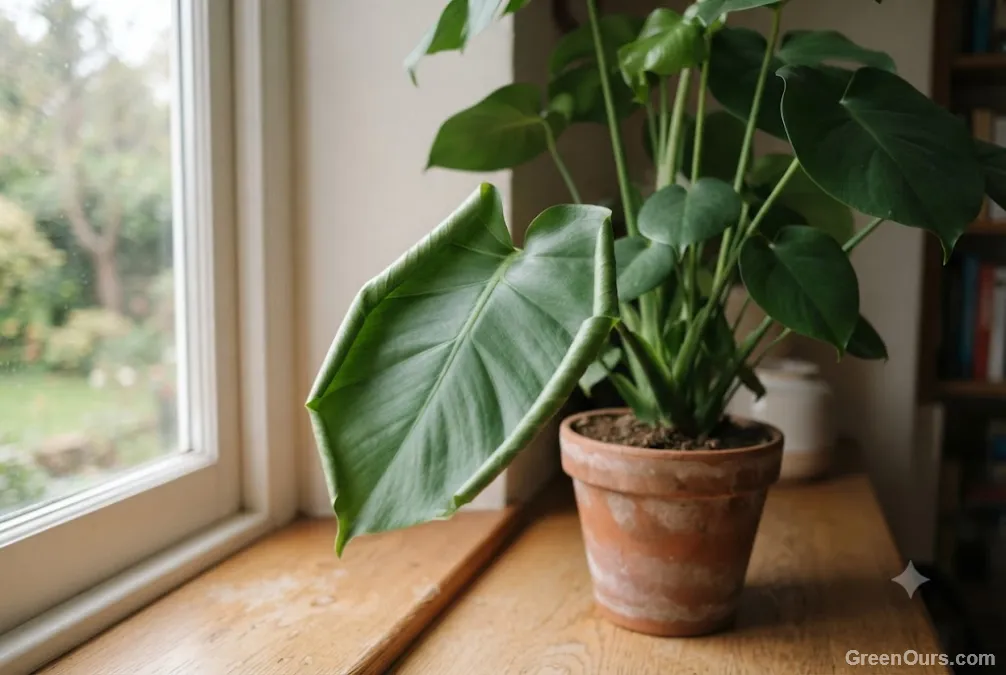
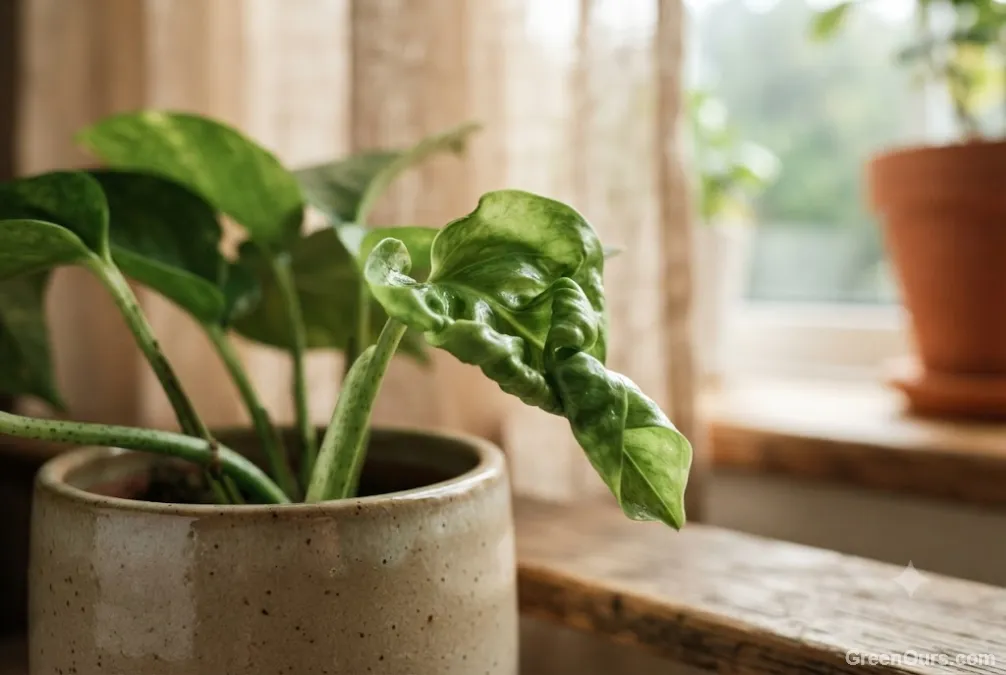
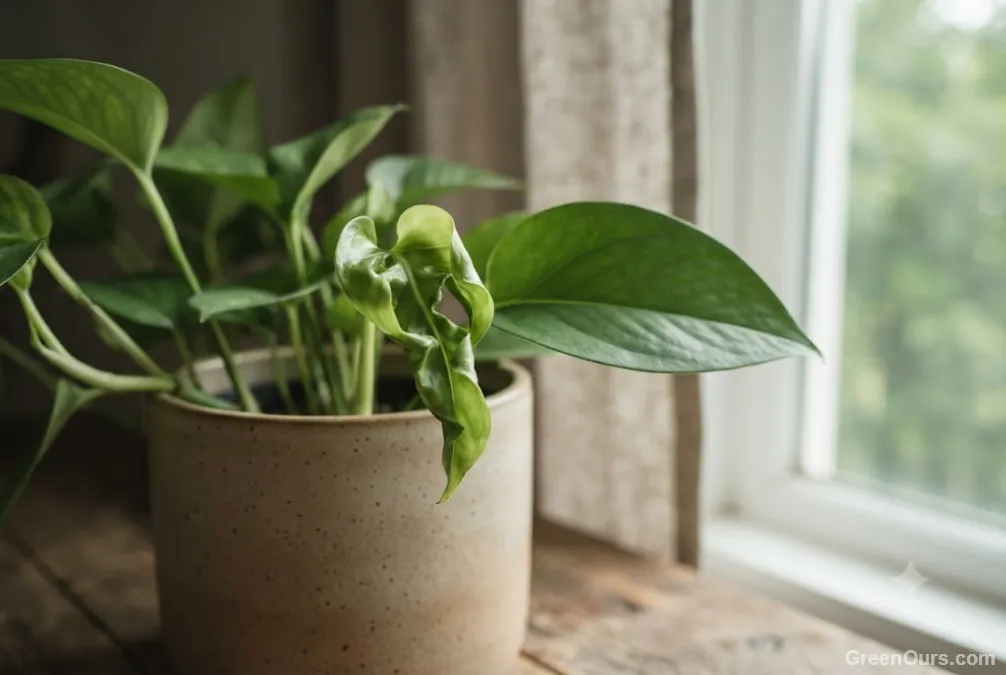
Twisted growth shows up in a handful of recognizable shapes. Leaves cup downward or upward along the midrib. Margins pucker instead of lying flat. Some leaves emerge narrow and strap-like, missing the width they should have. Others come out asymmetrical — one half develops normally while the other stays stunted.
Note where the distortion starts. Damage confined to the newest two or three leaves points to something affecting the growing tip right now. Distortion spread across several leaf generations, including ones that have already matured, points to a systemic cause — a virus, a chronic nutrient problem, or root damage that's been building for weeks.
The 8 Most Likely Causes
Work through these in order. The first three account for most twisted-leaf cases home growers report; the rest are less common but easy to rule out once you know what to check.
Pest Feeding Damage
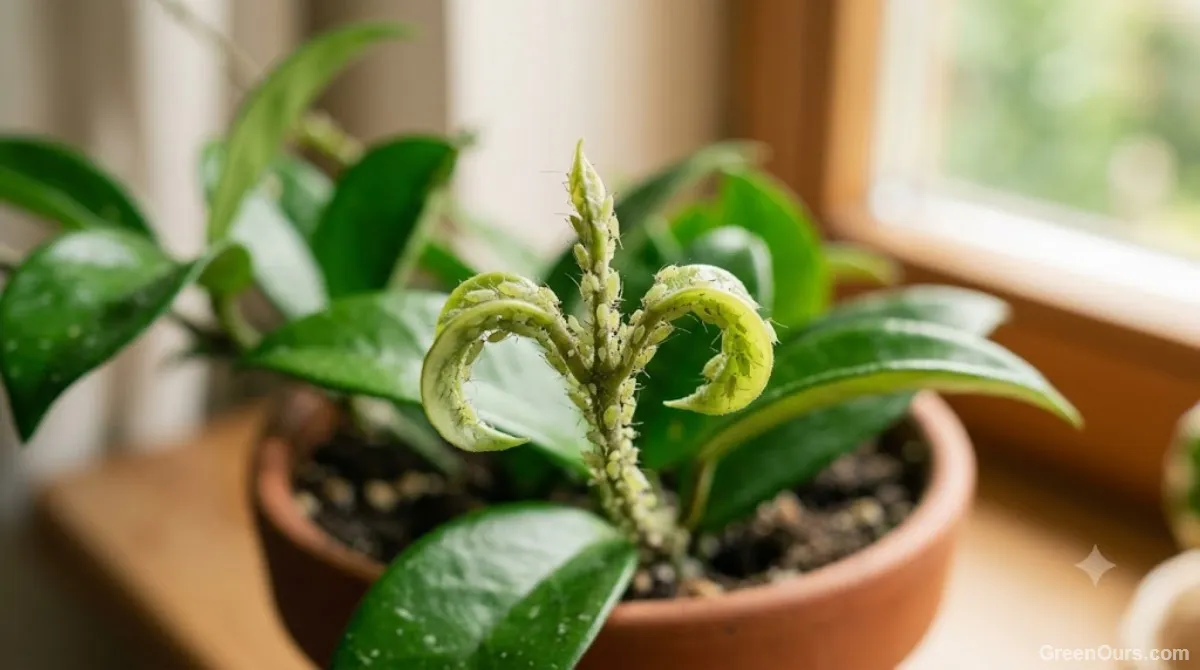
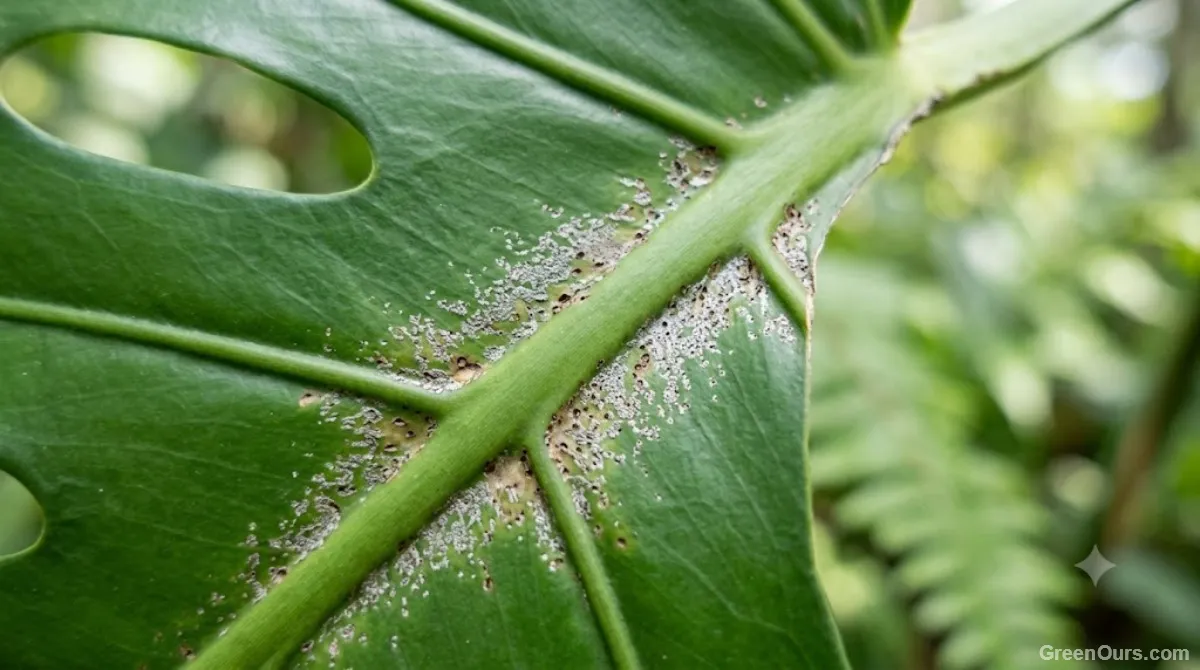
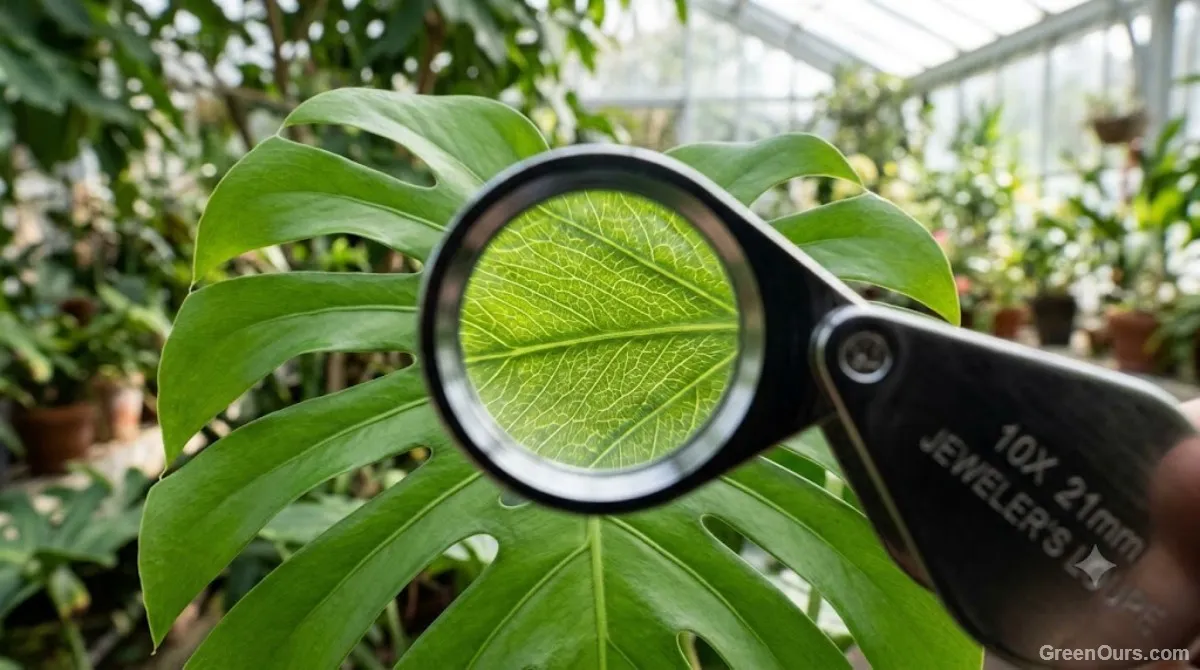
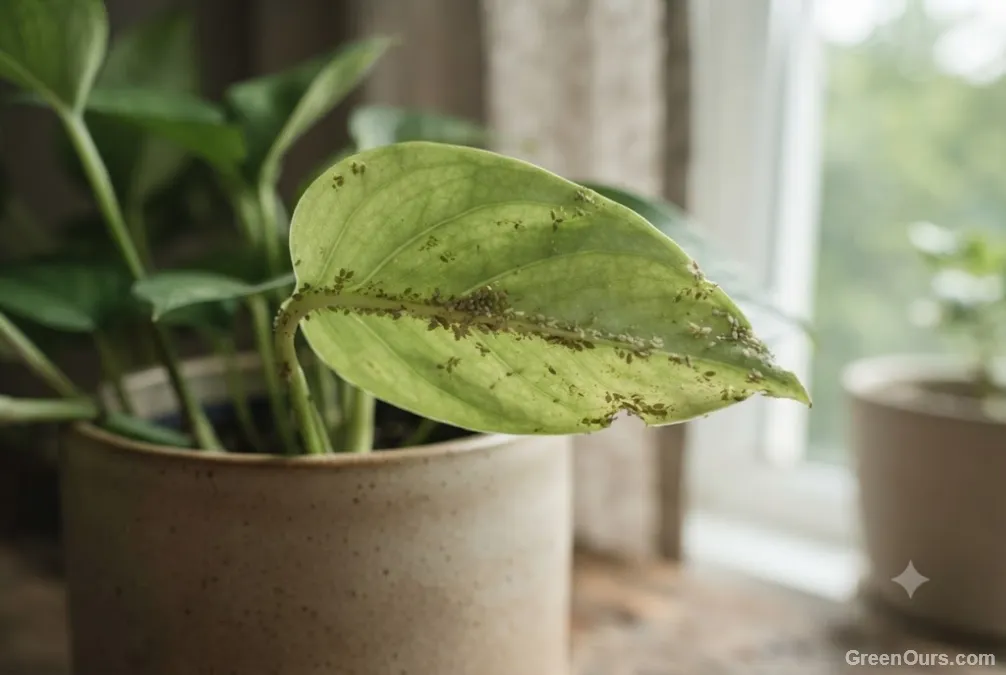
Aphids and thrips feed on leaf tissue while it's still folded inside the growing tip. As the leaf expands, the damaged cells can't stretch at the same rate as healthy tissue, so the leaf pulls and twists around the injury. Check the underside of the newest leaves and the growing tip itself — aphids cluster in tight groups, thrips leave silvery streaks and black flecks of frass. Thrips run 1 to 2mm long and are easy to miss without a magnifying glass.
Herbicide Drift
Airborne herbicide exposure — from lawn treatments, a neighbor's spray, or residue left on tools — causes a distinct kind of twisting: leaves spiral, curl downward at the tips, and veins pull tight, producing a strappy, distorted shape across an entire flush of new growth at once. Symptoms typically appear 3 to 7 days after exposure. If multiple unrelated plant species in the same area show similar symptoms at the same time, herbicide drift moves to the top of the list.
Viral Infection
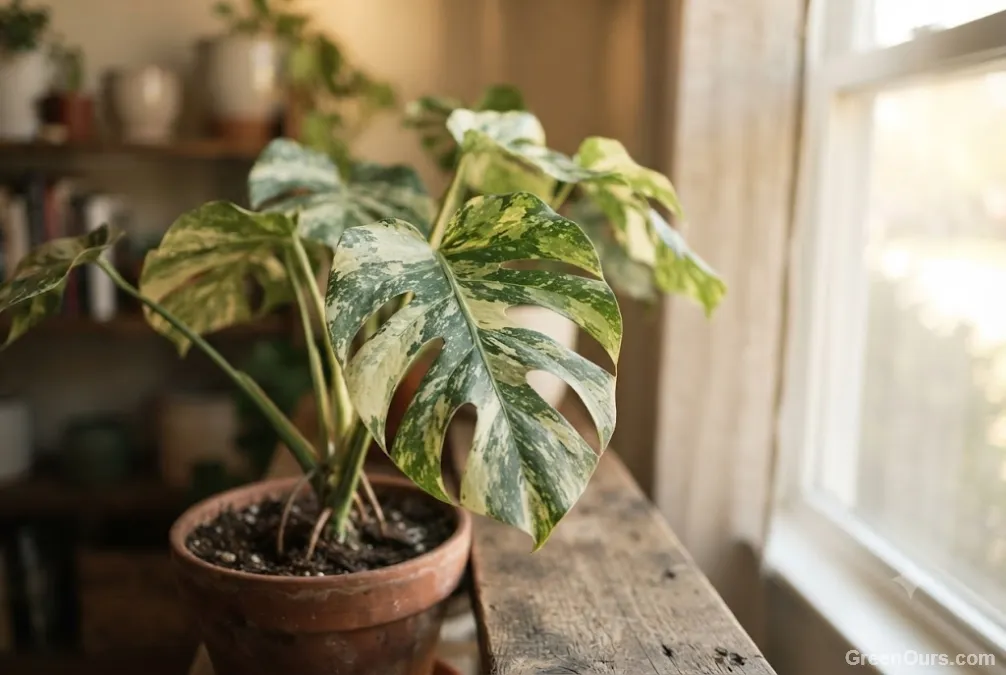
Certain plant viruses interfere with normal cell division in the growing tip, producing leaves that are narrow, puckered, or mottled with light and dark green patches alongside the distortion. Unlike pest damage or herbicide exposure, viral symptoms don't resolve — every leaf produced afterward carries some version of the same distortion. There's no cure once a plant is infected. The priority becomes confirming the diagnosis and isolating the plant to protect the rest of your collection.
Nutrient Deficiency or Toxicity
Calcium deficiency prevents new cell walls from forming properly, so the newest leaves emerge hooked or crinkled at the tips even when older growth looks fine. It shows up most often in fast-draining mixes watered lightly and often, which never lets calcium move through the root zone. Boron causes distortion at both extremes: too little produces brittle, twisted new growth, and too much — usually from over-applying a fertilizer blend — produces similar twisting paired with yellowing at the leaf margins. Test soil pH first. Calcium and boron uptake both drop sharply below pH 5.5.
Environmental and Cultural Stress
A temperature swing of more than 15°F between day and night during leaf expansion can distort growth even in an otherwise healthy plant. So can a sudden drop in humidity — a leaf that starts unfurling at 60% relative humidity and finishes at 25% dries unevenly and locks into a twisted shape. This is common in winter, when heating systems pull moisture out of indoor air faster than plants can adjust to. These leaves usually flatten out partially once conditions stabilize, unlike pest or viral damage, which stays distorted permanently.
Herbicide damage and viral infection both distort whole leaf flushes, but herbicide symptoms hit every plant nearby regardless of species, while a virus stays confined to one plant or one susceptible species.
How to Narrow Down the Cause: Step-by-Step
- Inspect the growing tip and undersides of the newest two leaves with a magnifying glass for pests, frass, or webbing.
- Check whether distortion is confined to recent growth or also present in older, already-matured leaves.
- Look at neighboring plants, even different species, for matching symptoms — a sign of herbicide drift.
- Review your fertilizing routine over the past 4 to 6 weeks for any change in product or dosage.
- Check recent temperature and humidity swings, especially around heating or cooling changes.
- If no environmental or chemical cause fits and distortion persists across multiple leaf generations, treat viral infection as the leading possibility.
Prevention Going Forward
Environmental Controls
Keep day-to-night temperature swings under 10°F where possible, and run a humidity tray or small humidifier during dry winter months to hold relative humidity above 40% while new leaves are actively expanding.
Inspection Routine
Check the growing tip and newest two leaves every time you water. It takes fifteen seconds and catches a pest infestation before it spreads past a single leaf.
When to Seek Further Help
Most twisted-leaf cases resolve once the underlying cause is corrected — pests treated, herbicide exposure stopped, nutrient levels balanced. If new growth keeps coming in distorted after four to six weeks despite ruling out every cause above, or if you suspect a viral infection, get a second opinion from a local extension office or a plant pathology lab. Confirming a virus usually requires lab testing. Guessing wrong means treating the wrong problem while the real one keeps spreading.
Match the pattern before you treat the plant.
Deformed new growth is diagnostic information, not a mystery. Match the pattern to the list, rule out causes in order, and you'll know what you're dealing with well before the next flush of leaves opens.