
What a Soil Block Actually Does to Roots
Standard plastic cells force roots downward until they hit the wall, then sideways along it. The result is a spiral of roots circling the container's interior — a pattern called root-bound growth. When you transplant that seedling, those circled roots often keep growing in the same loop instead of spreading outward into new soil.
A soil block has no wall. When a root tip reaches the cube's edge, it hits open air and stops growing. This is called air pruning. The plant responds by branching new roots further back, closer to the stem, instead of continuing to push forward. The result is a denser, more fibrous root mass packed inside the block rather than a single root looping the perimeter.
Air pruning only works if the block's exterior stays exposed to air. Crowd blocks too tightly on a tray with no airflow between them, and the edges stay moist enough that roots keep growing past the boundary instead of stopping.
Transplant Shock: What Actually Changes
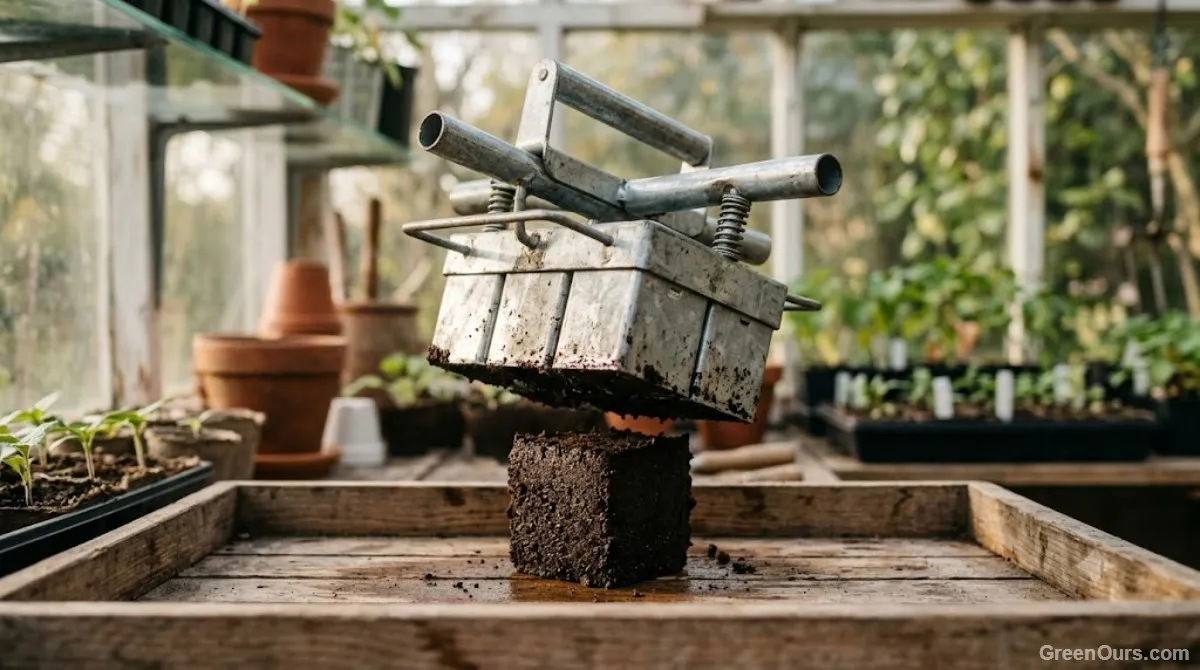
Transplant shock happens when roots get physically disturbed during the move from container to garden bed. Pulling a root-bound seedling from a plastic cell tears circled roots loose from each other. Popping a soil block out of its mold leaves the root structure completely undisturbed — the block goes into the ground exactly as it came out of the mold, still holding its shape.
This matters most with crops that resent root disturbance: cucurbits, beans, and anything in the brassica family started early. Tomatoes and peppers tolerate more handling, so the transplant shock reduction is real but less dramatic for those crops specifically.
The Soil Mix Is Non-Negotiable
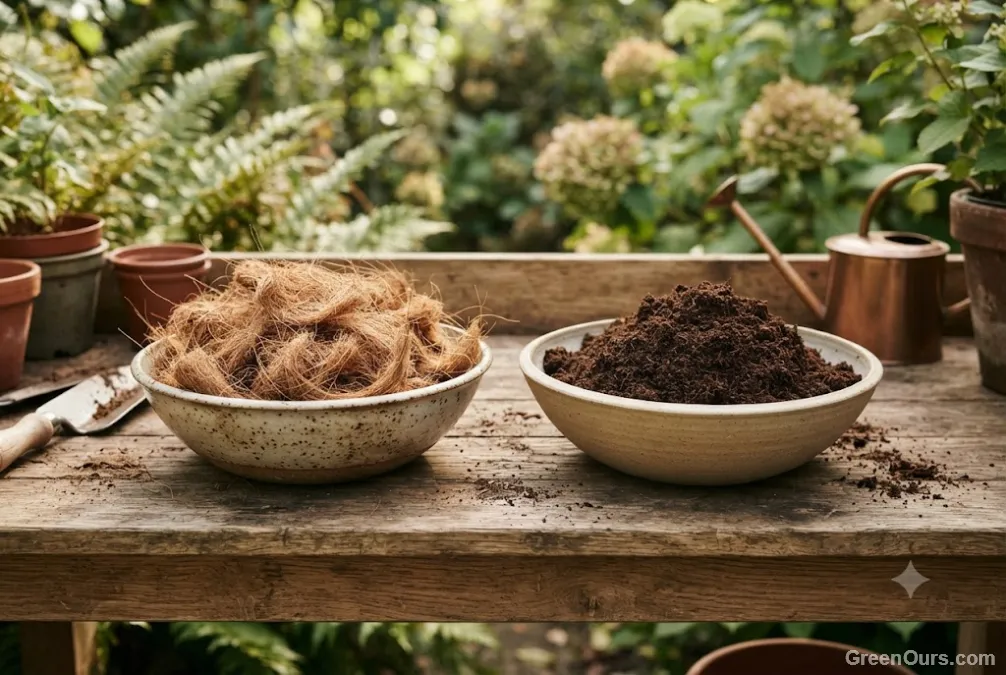
Regular bagged potting mix will not hold a block shape. It's too light and falls apart the moment you eject it from the press. A blocking mix needs three properties: fine particle size, enough clay or compost content to bind under compression, and enough peat or coir to retain water without waterlogging.
A Working Base Recipe
Most soil blockers work reliably with a mix built from screened compost, peat moss or coco coir, and a small amount of clay-based garden soil for binding. Perlite or vermiculite can be added for drainage, but keep the ratio low — too much and the block won't hold together under the press.
Moisture Level Matters More Than Recipe
Even a correct mix fails if it's too dry or too wet. The mix should hold together when squeezed by hand but not release visible water. Too dry, and blocks crumble on ejection. Too wet, and they slump and lose their shape within a day.
The Learning Curve, Honestly
Expect your first batch to produce a mix of solid blocks and collapsed ones. Getting moisture content right takes two or three attempts before it becomes intuitive. Most growers reach consistent results by their second seed-starting season, not their first.
Mini vs. Standard Blockers
Mini blockers (around 3/4 inch) work for starting seeds that will be up-potted into a larger block later — a two-stage system that further reduces root disturbance. Standard 2-inch blockers work as a single-stage system for crops that don't need the intermediate step. Buying a mini blocker without the compatible larger size to up-pot into defeats much of the purpose.
Maintenance and Storage
Soil blockers are almost entirely mechanical — a metal or plastic frame with a spring-loaded ejector plate. Rinse residual soil off after each use before it dries and cakes into the moving parts. Dried soil in the ejector mechanism is the single most common cause of sticking or uneven blocks in subsequent uses.
Store the blocker fully dry. Metal ejector pins left damp will develop rust spots within a season, which then catches soil and produces inconsistent block shapes.
Who Actually Benefits From This Tool
Growers starting more than 50 seedlings per season see the clearest return — the plastic tray savings alone add up, and the volume justifies the time spent dialing in mix and technique. A soil block maker review is most useful for gardeners deciding whether those tradeoffs match the way they actually start seeds. Growers direct-sowing most crops and only starting a handful of transplants indoors will spend more time learning the tool than it saves them.
Succession sowers benefit from the ability to reuse the same tray space repeatedly without washing dozens of plastic cells between batches. If your seed starting setup is small and infrequent, a few reusable plastic cells will get you comparable results with far less technique to master.
A soil block maker isn't a shortcut. It's a different set of tradeoffs: more upfront skill for less plastic waste and stronger root structure at transplant. Get the mix right, and the payoff shows up exactly where you'd expect — in the roots, not in the marketing copy.
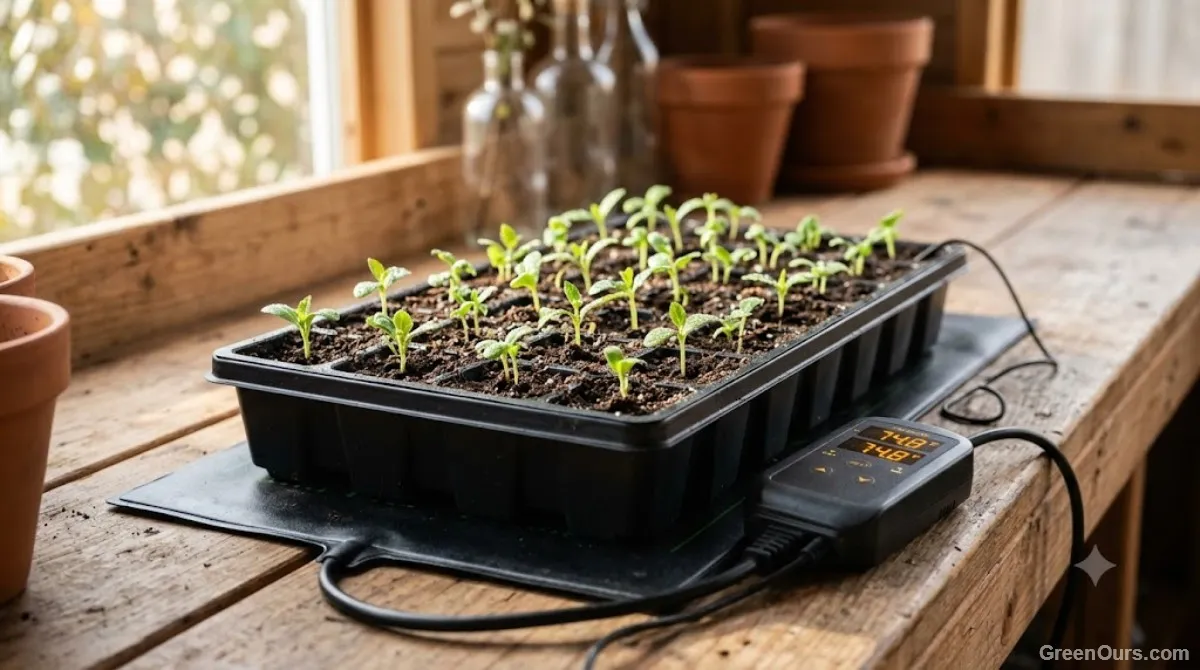
Starting seeds earlier in the season? See when bottom heat actually helps germination.