
What a Heat Mat Actually Changes
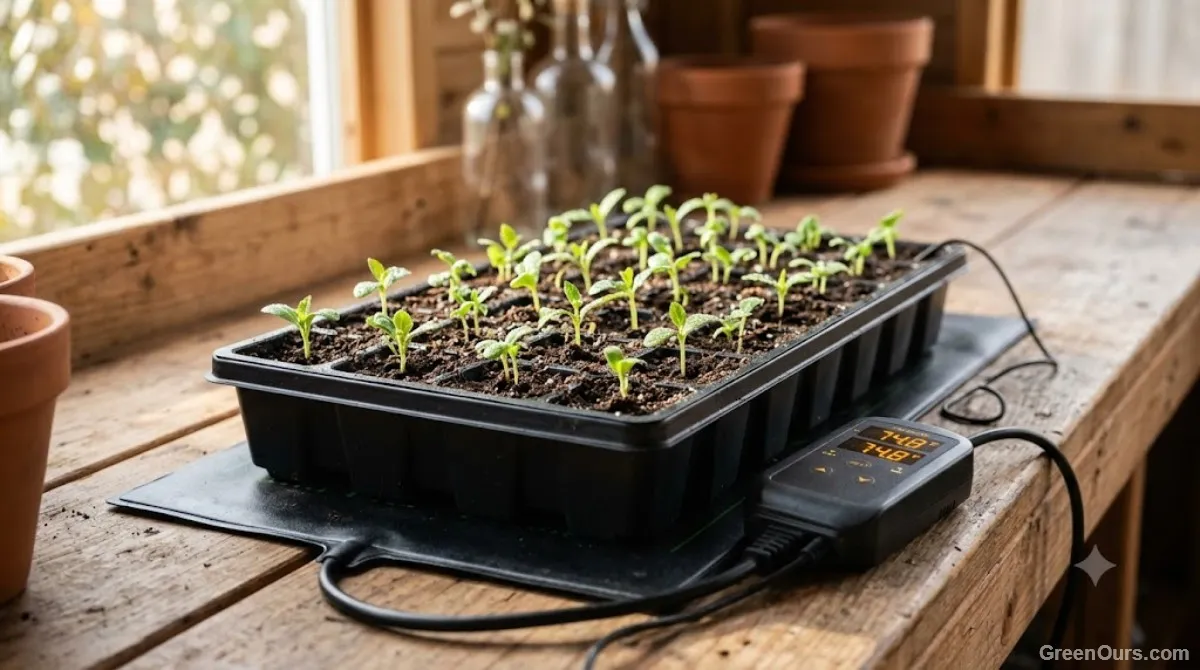
A heat mat raises soil temperature, not room temperature. That distinction matters more than most seed-starting advice admits. Air in a room can read 68°F while the soil inside a plastic tray, sitting on a cold windowsill or concrete floor, runs 8-12°F cooler. Seeds germinate based on the temperature immediately around them, not the number on your thermostat.
Standard mats run low-wattage — typically 8 to 20 watts depending on tray size — and raise soil temperature roughly 10-20°F above ambient air, depending on what's underneath the tray. That's a meaningful lift when a room sits at 60-65°F in late winter. It's a marginal one when the room is already 72°F, since the mat has less of a gap to close.
Warm soil speeds up two processes: water uptake through the seed coat and the enzymatic activity that triggers the embryo to grow. Below a crop's minimum threshold, both slow down or stall. A tomato seed in 60°F soil can take three weeks to germinate, if it germinates at all. The same seed at 78°F soil typically breaks the surface in 5-8 days.
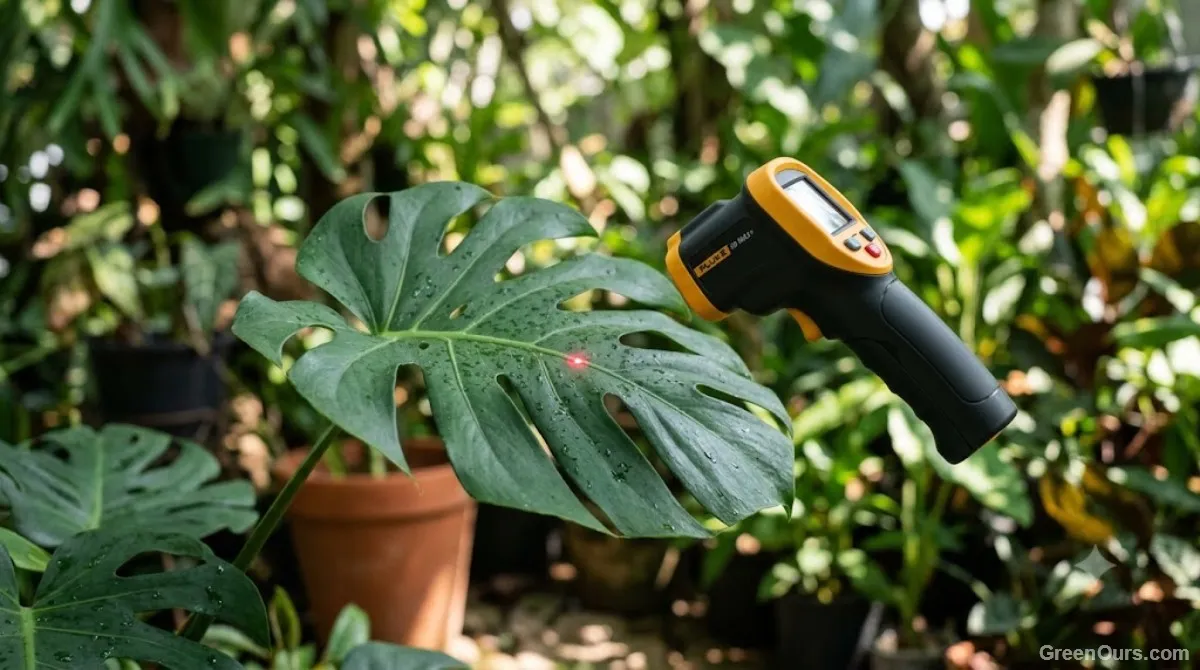
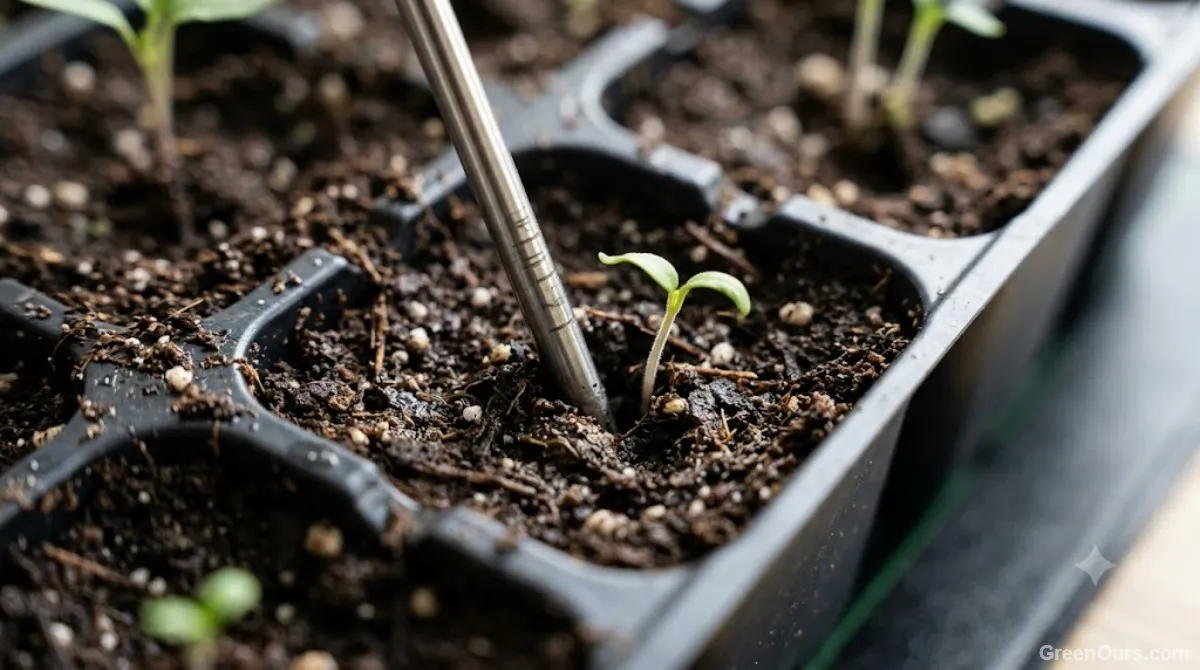
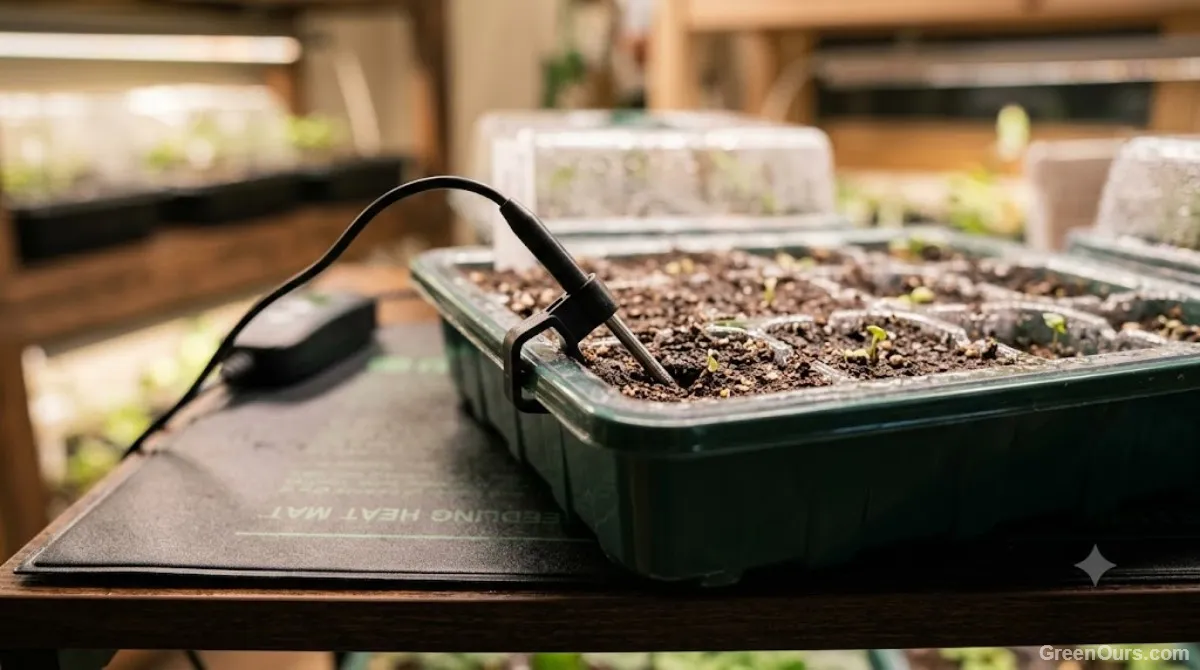
Insert a probe thermometer 1 inch into the mix to get a real reading. Checking the mat surface or the room's air temperature instead will overstate how warm the seed actually is.
Germination Temperature Ranges by Crop
Optimal ranges vary widely by species. Use these as a working reference:
- Tomatoes: 75-85°F. Germination slows sharply below 65°F and can stretch past three weeks.
- Peppers and eggplant: 80-90°F. The slowest common seeds to sprout in cool soil — sometimes 3-4 weeks below 70°F.
- Cucumbers and squash: 70-85°F. Fast germinators once soil clears 70°F, with little added benefit above that.
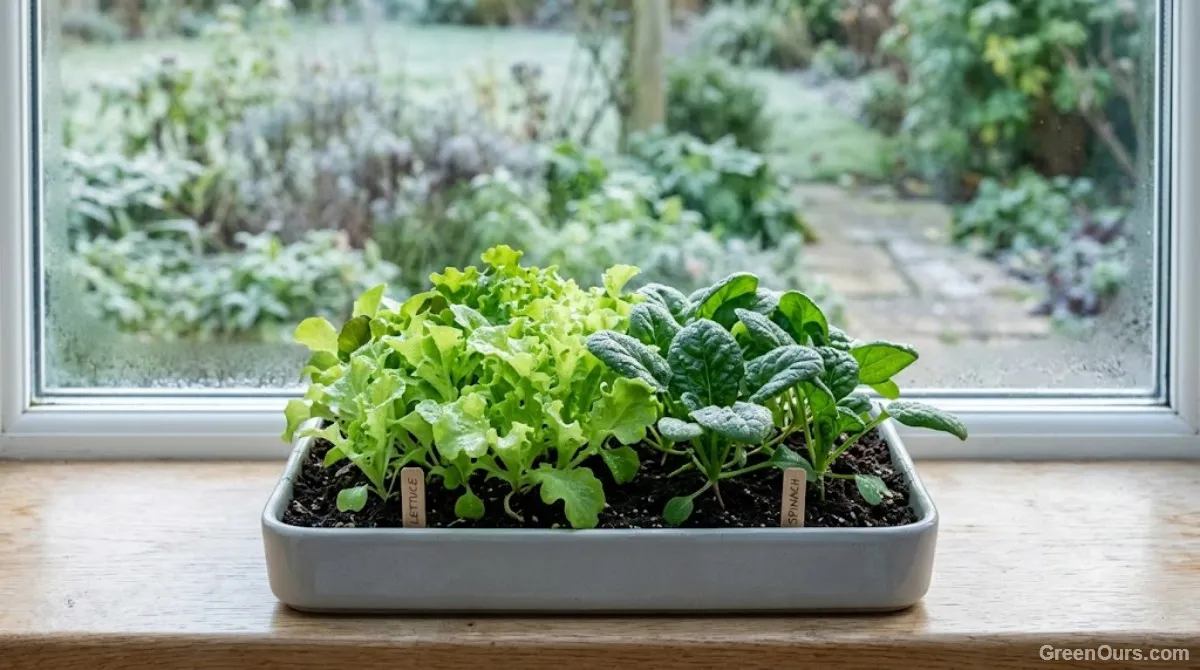
- Lettuce and spinach: 60-68°F. Germination rates actually drop above 75°F — added heat can suppress these seeds rather than help them.
- Broccoli, cabbage, and kale: 60-70°F. No real benefit from bottom heat in a normally heated home.
Notice the split. If you're wondering whether seedling heat mats are worth it, warm-season fruiting crops benefit from a mat. Cool-season leafy and brassica crops usually don't, and pushing them past 75°F can work against germination instead of helping it.
When Ambient Conditions Are Already Enough
Skip the mat in these situations.
Cool-Season Crops on Any Windowsill
Lettuce, spinach, kale, and broccoli germinate reliably at normal indoor room temperature. Adding bottom heat here doesn't speed anything up, and it can push soil past their upper comfort range.
Warm Rooms and Late-Spring Starts
If your seed-starting area holds steady at 72°F or higher — a room over a furnace, a heated sunroom, or a start date in late spring — soil temperature is likely already in range for most crops. A mat adds a cord and a cost without adding speed.
Setting Up a Heat Mat Correctly
- Place the mat on a flat, insulated surface. A cold windowsill or bare metal shelf pulls heat away from the tray and undercuts the mat's effect.
- Set a thermostat controller to 75-80°F for warm-season crops. Running a mat without a thermostat routinely overshoots by 10°F or more, especially under a humidity dome.
- Insert the probe into the soil itself, not between the tray and the mat.
- Check trays daily. Most warm-season seeds germinate within 5-10 days under correct conditions.
- Remove the mat as soon as germination is visible. Continued bottom heat after sprouting encourages weak, leggy stems reaching for warmth instead of light.
Common Mistakes That Waste the Investment
Running a mat with no thermostat is the most frequent error. Uncontrolled mats can push soil into the 90s under a humidity dome, which stresses seedlings instead of helping them.
Leaving the mat on through the full seedling stage is the second. Bottom heat is a germination tool, not a growing tool. Once true leaves appear, the plant needs light and airflow more than warmth.
Skipping the probe thermometer and guessing is the third. Two identical mats in the same room can produce different soil temperatures depending on tray material, dome use, and airflow. Measure instead of assuming.
Match the tool to the crop, not the other way around.
A heat mat is a narrow tool for a narrow problem: cold soil under warm-season seed. Match it to the crop and the season, control it with a thermostat, and remove it once seedlings break the surface. Used outside that window, it's an extra cord in a setup that didn't need one.