
What Indoor Composting Actually Involves
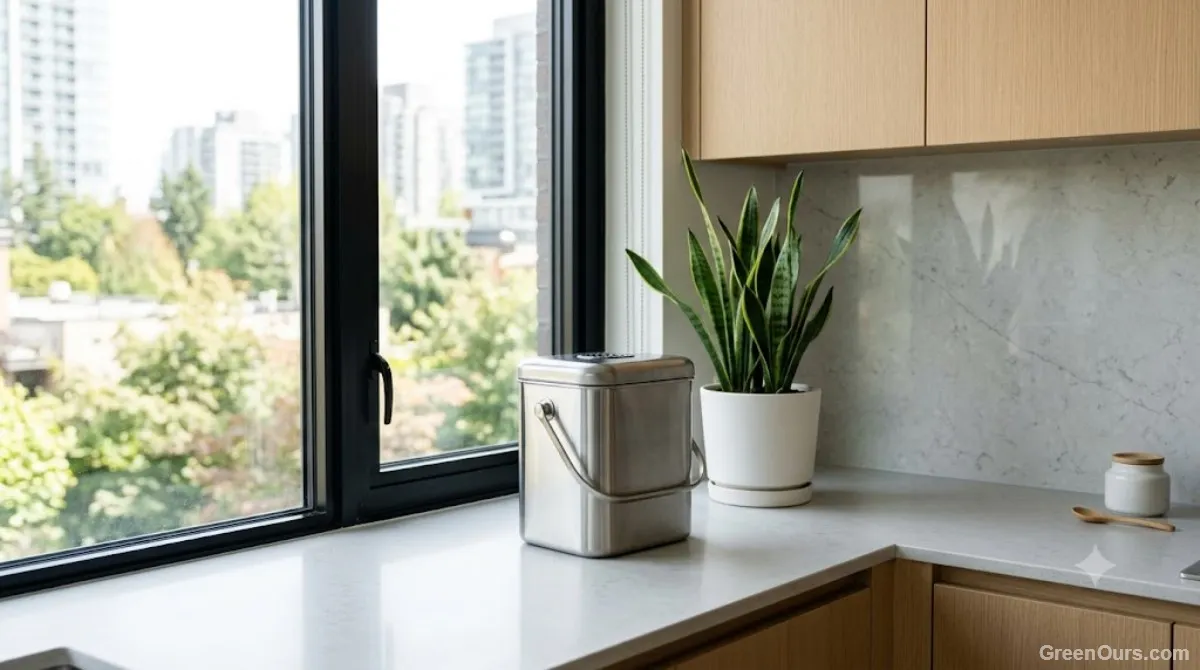
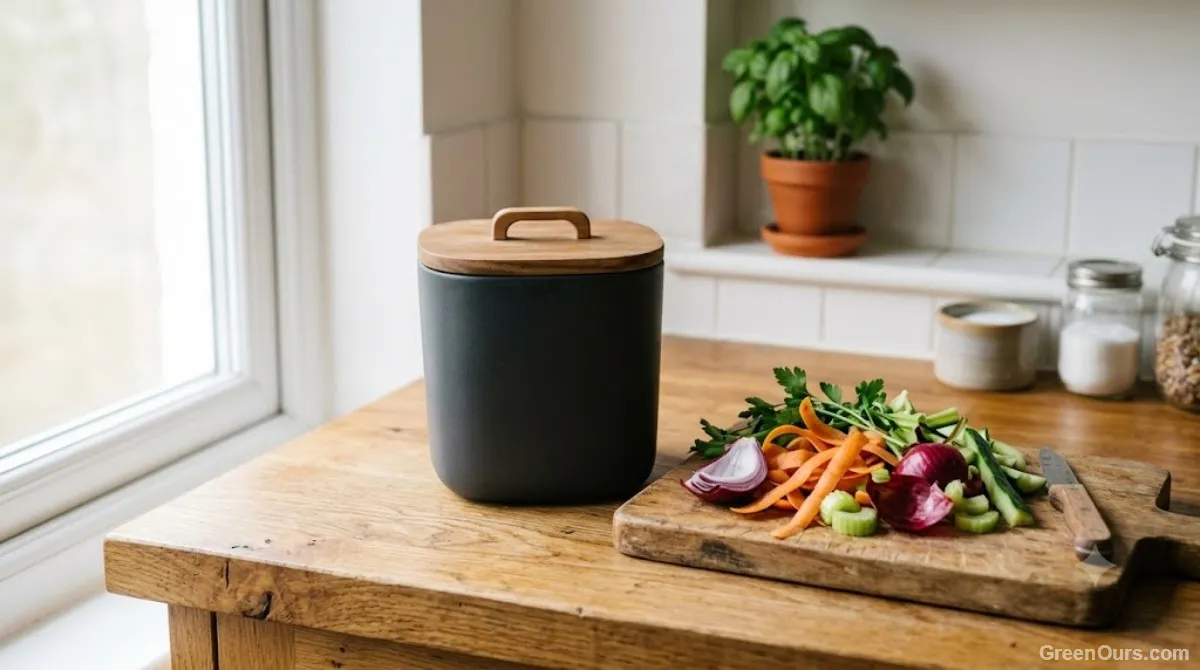
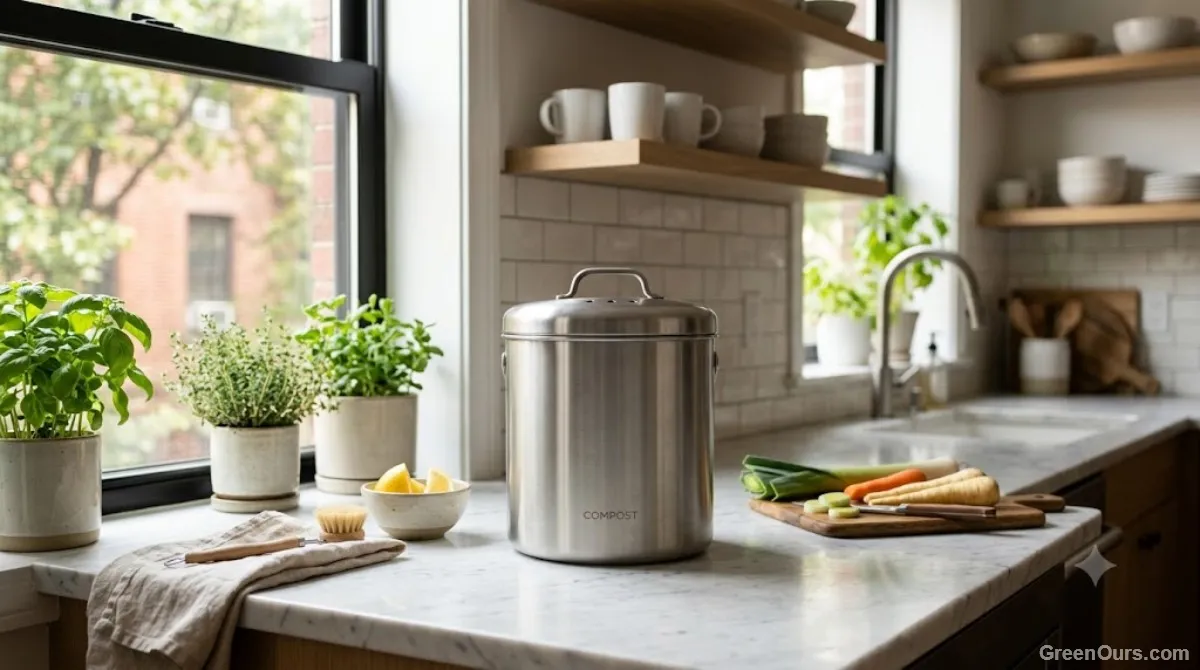
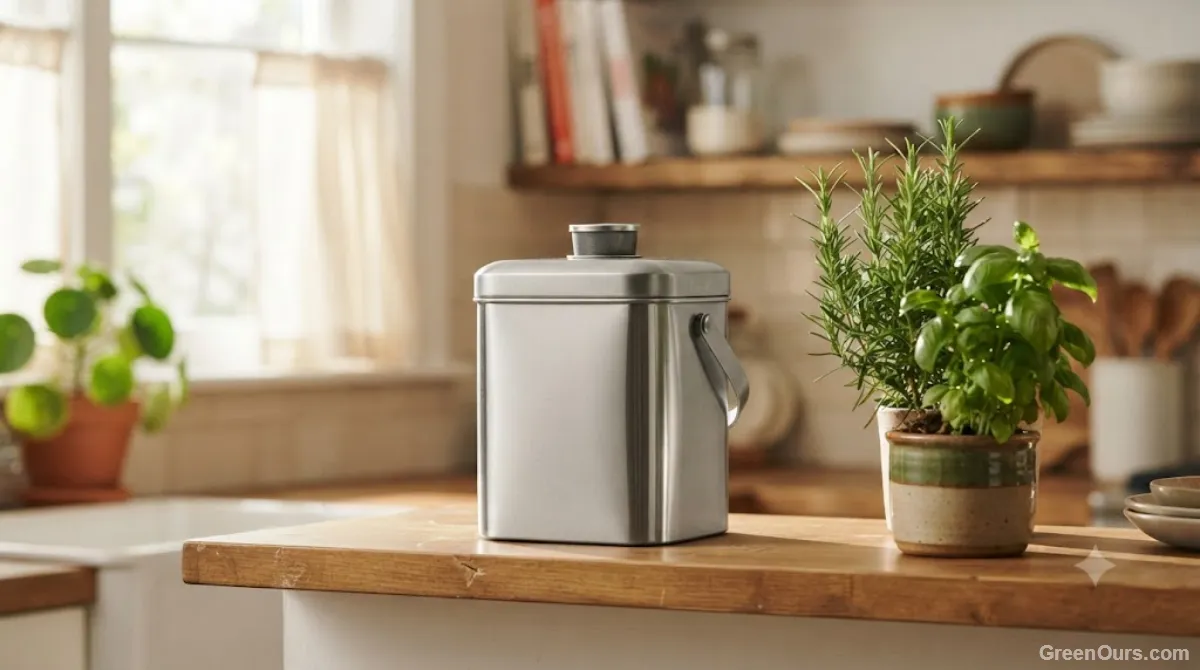
Indoor composting almost always means one of two things: a countertop bokashi bin, or a worm bin (vermicomposting) tucked into a cabinet, closet, or corner. Both are designed to handle a smaller, steadier trickle of scraps rather than a big weekly dump — and neither has to smell like a garbage can if you manage it well.
What indoor composting doesn't give you is scale. You're not tossing in a whole bag of fall leaves or a summer's worth of garden trimmings. It's built for kitchen scraps, and it stays that way by design.
What Outdoor Composting Actually Involves
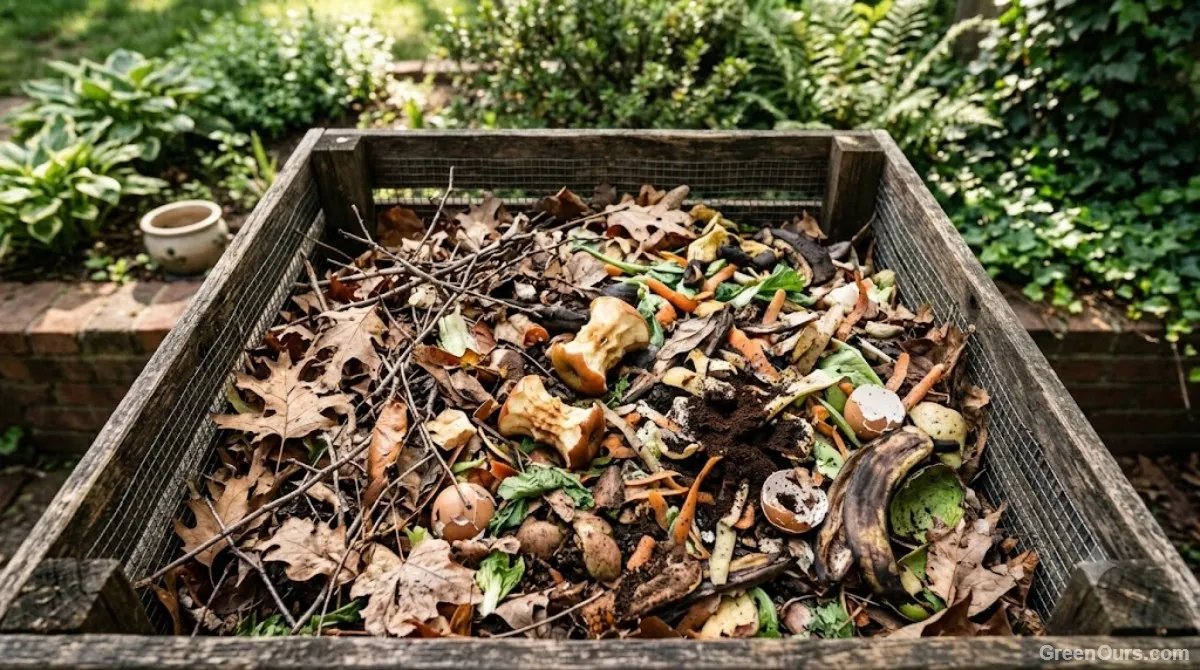
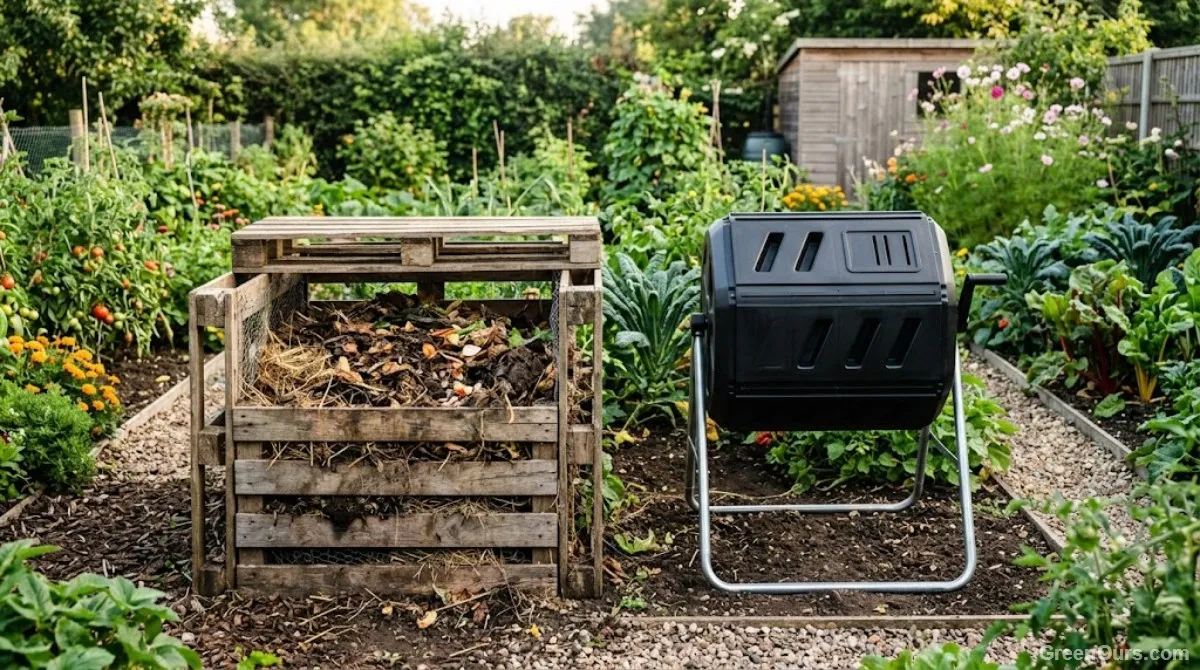
Outdoor composting — whether it's a tumbler, a wire bin, or just a designated pile — trades that tidiness for volume and flexibility. You can add yard waste, cardboard, coffee grounds, and food scraps all at once, and you're not limited by cabinet space.
It also asks more of you in a different way. You need to turn it occasionally, balance carbon-rich "browns" like dry leaves with nitrogen-rich "greens" like vegetable scraps, and accept that it's a slower process — often two to six months before you get usable compost, depending on the season and how much attention you give it.
Weather matters here too. A pile that's too wet turns slimy and smelly; one that's too dry stalls out completely. It's forgiving in scale, less forgiving in neglect.
The Real Differences: Space, Smell, Pests, and Maintenance
This is where the decision actually gets made, and it's rarely about which method is "better."
Space
Indoor systems need almost none — a cabinet, a closet corner, a spot under the sink. Outdoor systems need at least a few square feet of accessible ground, ideally somewhere you don't mind an unglamorous bin sitting for months.
Smell
Both can smell fine when managed well, and both can smell awful when they're not. Indoor bokashi has a sharp, pickled scent during fermentation that some people don't mind and others can't stand in an enclosed space. Outdoor piles smell only when they're too wet or too dense with greens — proper layering fixes it either way.
Pests
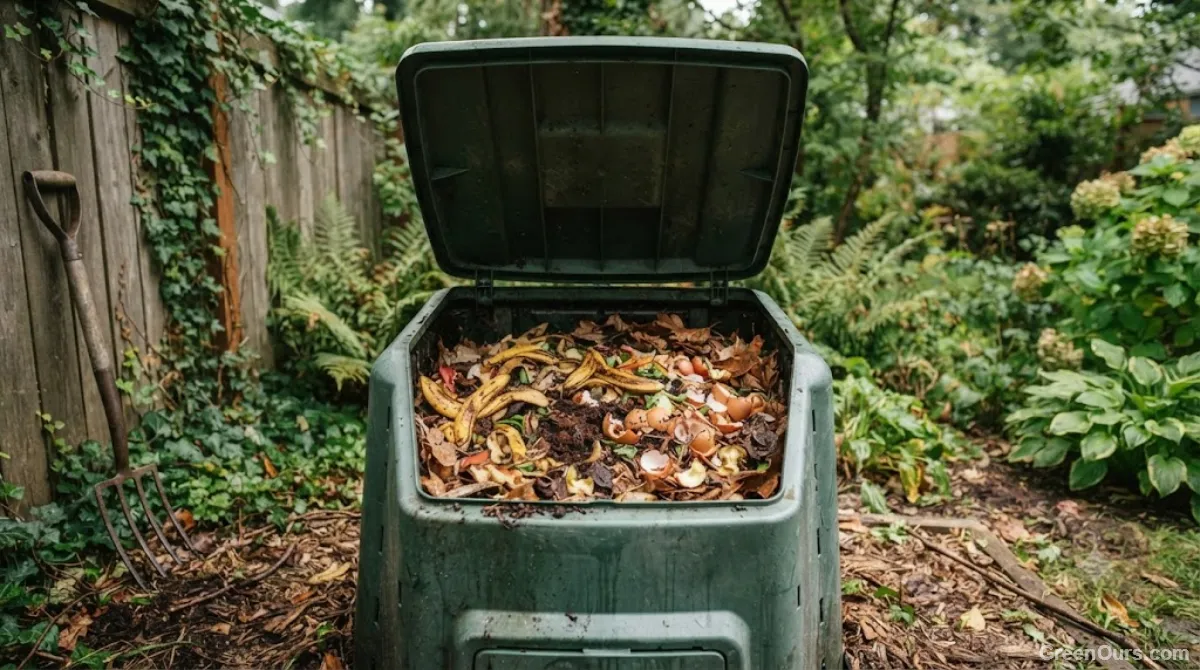
Outdoor bins are more exposed — rodents and flies are a realistic concern if scraps aren't buried under browns or the bin isn't secured. Indoor systems are largely pest-free by virtue of being sealed and inside, though fruit flies can show up in an unmanaged worm bin.
Maintenance
Indoor composting wants small, frequent attention — a bit of scrap addition every day or two. Outdoor composting wants occasional bigger interventions — turning every week or two, and less worry about daily upkeep in between.
If odor is your main worry, the fix is almost always the same regardless of method: add more dry brown material (shredded cardboard, dry leaves, sawdust) whenever you add wet scraps. Smell is a ratio problem, not a location problem.
Which Setup Fits Which Kind of Life
If you live in an apartment with no outdoor access, indoor composting isn't a compromise — it's genuinely the better fit. A worm bin under the sink or a bokashi system on a shelf can process a real amount of kitchen waste without you ever needing a yard.
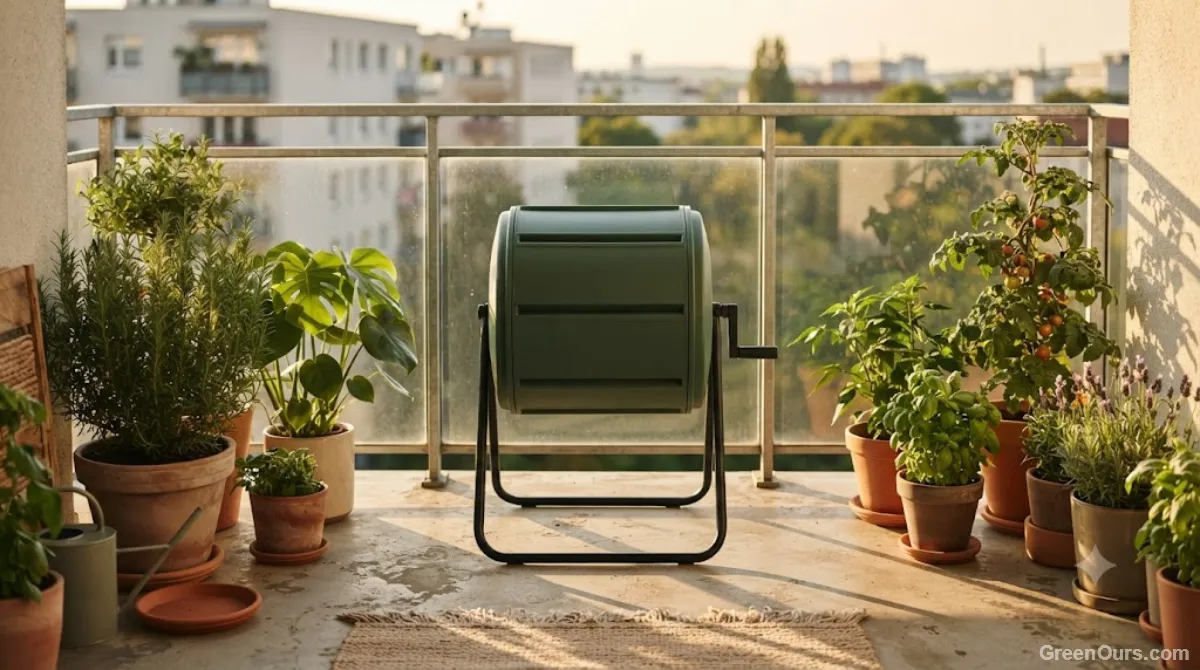
If you have even a small patio or balcony, you're in a nice middle ground. A compact tumbler or a small wire bin can live outside your door, giving you more room without needing an actual garden.
If you have a yard, outdoor composting will let you handle more — leaves, garden trimmings, cardboard — without constantly monitoring a small enclosed system. It also suits people who'd rather check in weekly than daily.
Can You Do Both?
Plenty of people do, honestly — an indoor system for daily kitchen scraps, feeding into or supplementing an outdoor pile for yard waste and overflow. It's not an either-or if your space allows it. The two methods aren't competing; they're just built for different volumes and different patience levels.
If You're Still Undecided
Start with the constraint you can't change: your space. If there's no yard, that decision is basically made for you, and it's a good one. If you have outdoor room, ask yourself honestly whether you'll actually turn a pile every week — because a neglected outdoor bin is worse than a well-tended indoor one.
There's no composting purity test here. Whichever method you actually keep up with beats the perfect system you abandon in week three. Pick the one that fits the life you already have, not the one you think you're supposed to want.
Find your next low-waste habit:
How to Reduce Household Waste: A Beginner's Roadmap