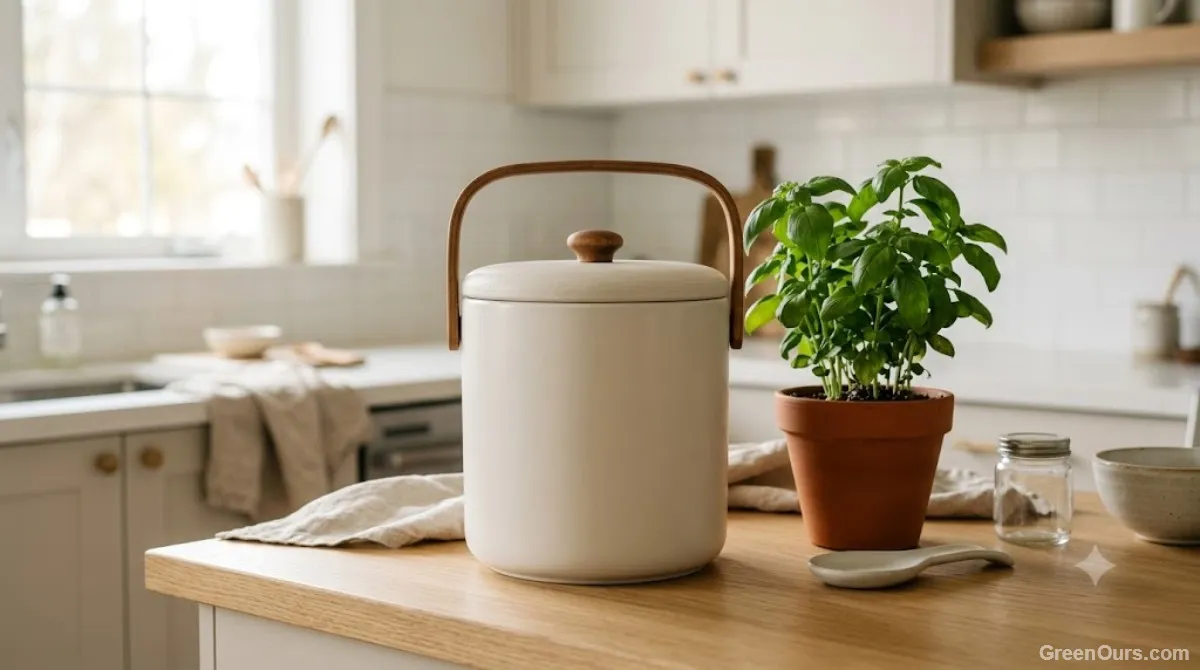

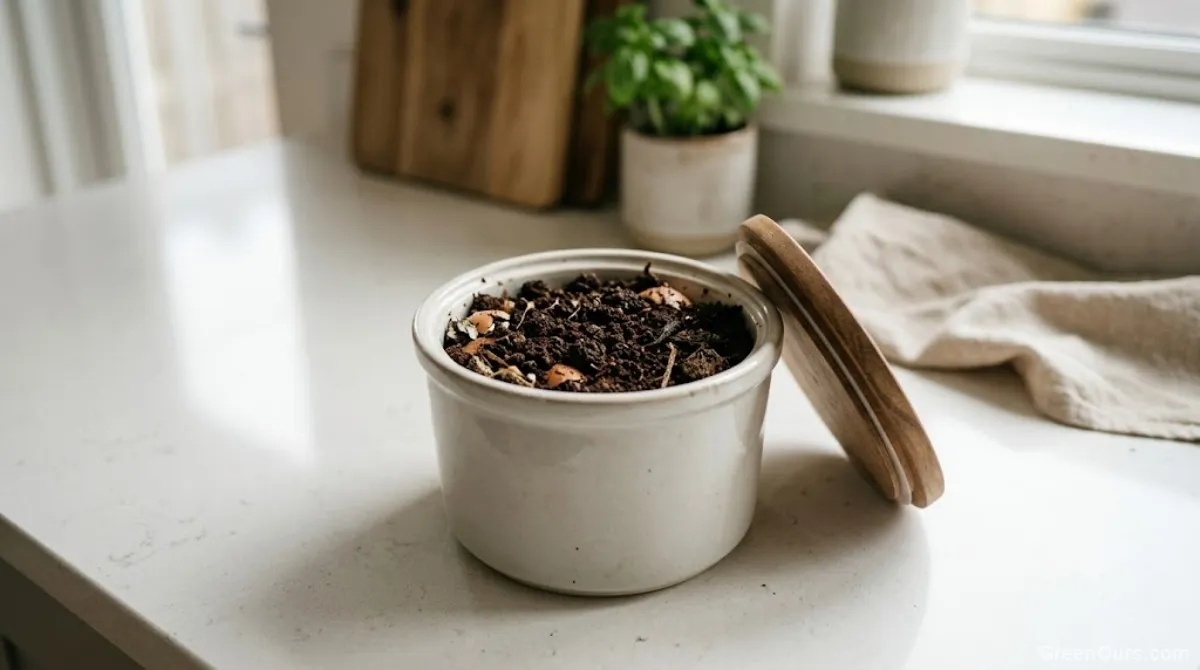
The Question Nobody Warns You About When You Start Composting
Composting without a garden puts you in a strange spot. You're doing the diligent part — separating scraps, managing moisture, turning the bin, waiting out the weeks it takes for everything to break down into something that smells like a forest floor instead of trash. And then you get to the finish line and realize the guides assumed you had somewhere to spread it.
You don't need that somewhere to exist yet. Finished compost doesn't expire on a deadline, and it doesn't need to go anywhere dramatic. It just needs a destination that actually benefits from it, and there are more of those than an apartment dweller usually expects.
The mindset shift that helps most: stop thinking of finished compost as garden material and start thinking of it as concentrated plant food. Anything growing in a pot, a bed, or a patch of dirt can use it — not just vegetables.
Your Houseplants Are the Easiest Place to Start
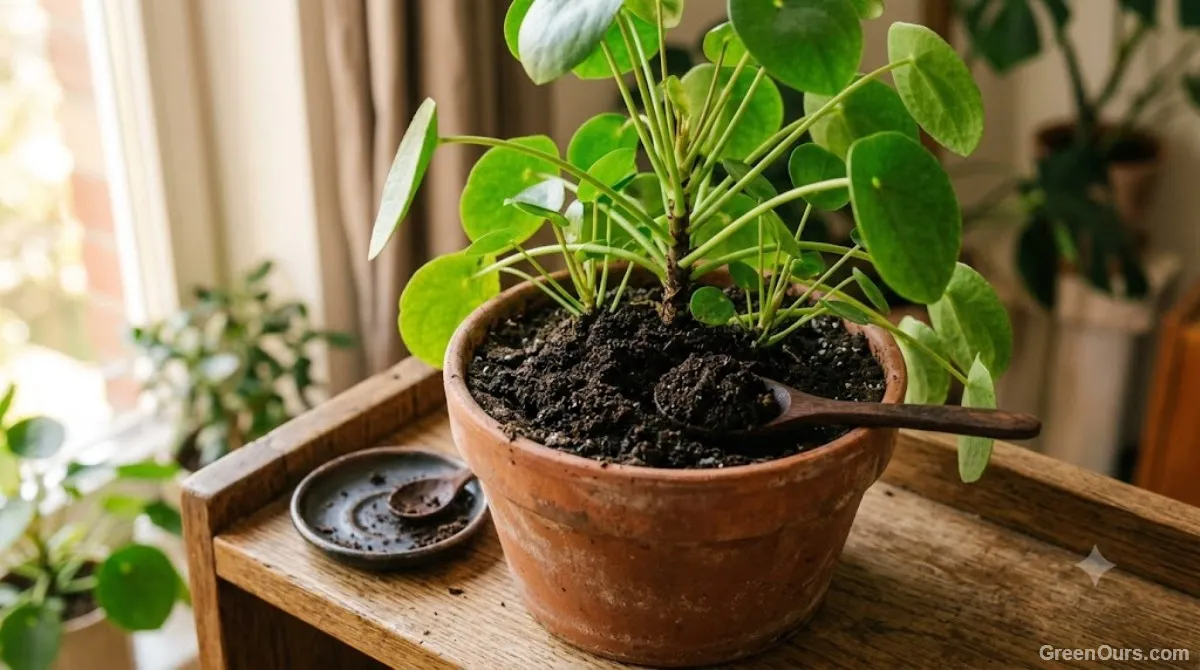
This is where I'd tell you to start, because it requires zero logistics. Finished compost makes an excellent top-dressing for houseplants — a thin layer, maybe half an inch, spread over the surface of the potting soil and lightly worked in. It slowly feeds the plant every time you water, without the risk of burning roots the way a concentrated liquid fertilizer can. Ferns, pothos, and snake plants all take to this treatment without complaint, and you'll likely notice slightly glossier leaves within a few weeks.
You can also mix it directly into potting soil the next time you repot something, at roughly one part finished compost to four parts potting mix. Any more than that and you risk soil that holds too much moisture for most houseplants, which is its own headache. Succulents and cacti are the exception — they prefer lean, fast-draining soil, so hold off on compost for those and save it for your leafier plants instead. Start small, watch how the plant responds, and adjust from there.
If you've got more compost than your plant collection can absorb — and it's easy to end up in that spot faster than you'd think — that's when it's worth looking outward.
Community Gardens Want What You're Making
This was the option that genuinely surprised me. I assumed community gardens ran on some official municipal supply chain and wouldn't want compost from a stranger's kitchen bin. Most of them are thrilled to take it. A lot of them run on donations exactly like yours, especially in early growing season when demand for compost outpaces what any single plot can produce on its own.
How to Find One
A quick search for community gardens in your city usually turns up a list, but local gardening groups on social media or neighborhood apps tend to be faster and friendlier. Many gardens post directly about what they need, and finished compost is almost always welcome.
What to Bring and How Much
Message ahead rather than showing up with a bucket unannounced — some gardens have a compost coordinator, some have a communal pile, and some want it added directly to specific beds. A few quarts to a couple of gallons is a completely normal amount to offer; you're not expected to show up with a truckload.
Building a Neighbor Exchange
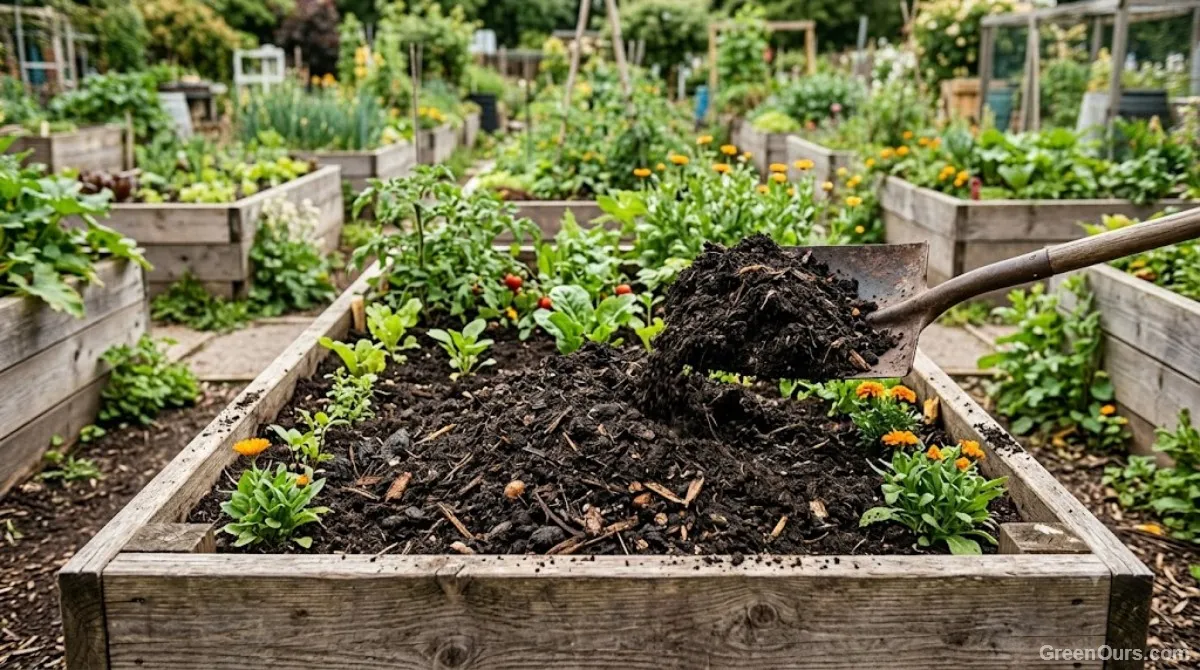
Here's the thing — you almost certainly know someone with a garden, a raised bed, or even just a few tomato plants in pots on a balcony, and they almost certainly want free, high-quality compost. This doesn't need to be complicated. A quick post in a local Buy Nothing group, a neighborhood app, or even a note in your building's group chat tends to find a taker within a day. I've swapped compost for a bag of homegrown tomatoes more than once, and it's turned into one of the more unexpectedly social parts of doing this at all.
Some of the best small-scale composting relationships I've seen work like informal barter — one household composts, another has garden space, and finished compost moves between them every few months. Nobody's keeping score. It's just neighbors filling a gap for each other.
Public Spaces: Where to Be Careful
Street trees and park beds can technically use compost too, but this is the one place where I'd hold back rather than lean in. Dumping compost in public soil without permission can run against city ordinances, and adding unfinished or contaminated compost to shared green space can do more harm than good. If a street tree or public planting bed genuinely interests you, look for a city parks program or neighborhood tree-care group — many accept donated compost through an official channel, which protects both the trees and you. It only takes one email to your city's parks department to find out whether a program like that exists, and more cities have one than you'd guess.
When You Genuinely Have More Than You Know What to Do With
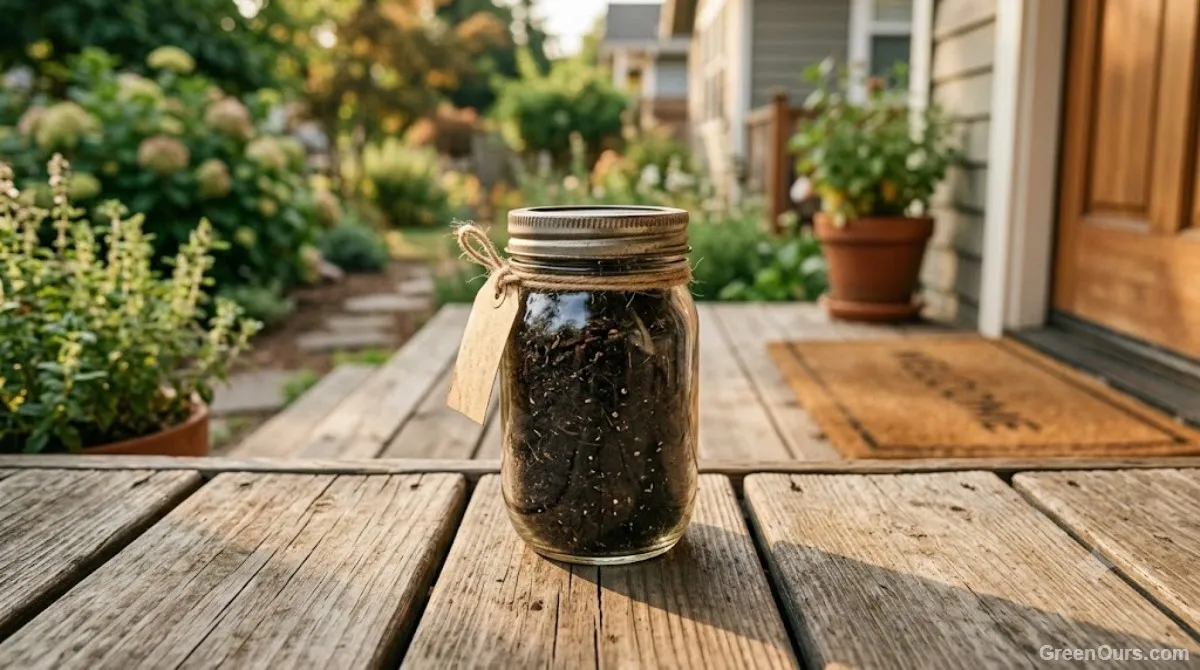
If your bin keeps producing faster than any of the above can absorb, finished compost stores just fine in a sealed container for months — it won't spoil the way food does. That buys you time to find a bigger destination: a local urban farm, a school garden program, or a landscaping company that sometimes accepts small donations of finished compost for planting beds. I've also seen local plant nurseries take small donations in exchange for a modest discount on your next purchase, though that's worth confirming case by case since policies vary. A quick call or email is usually all it takes to find out.
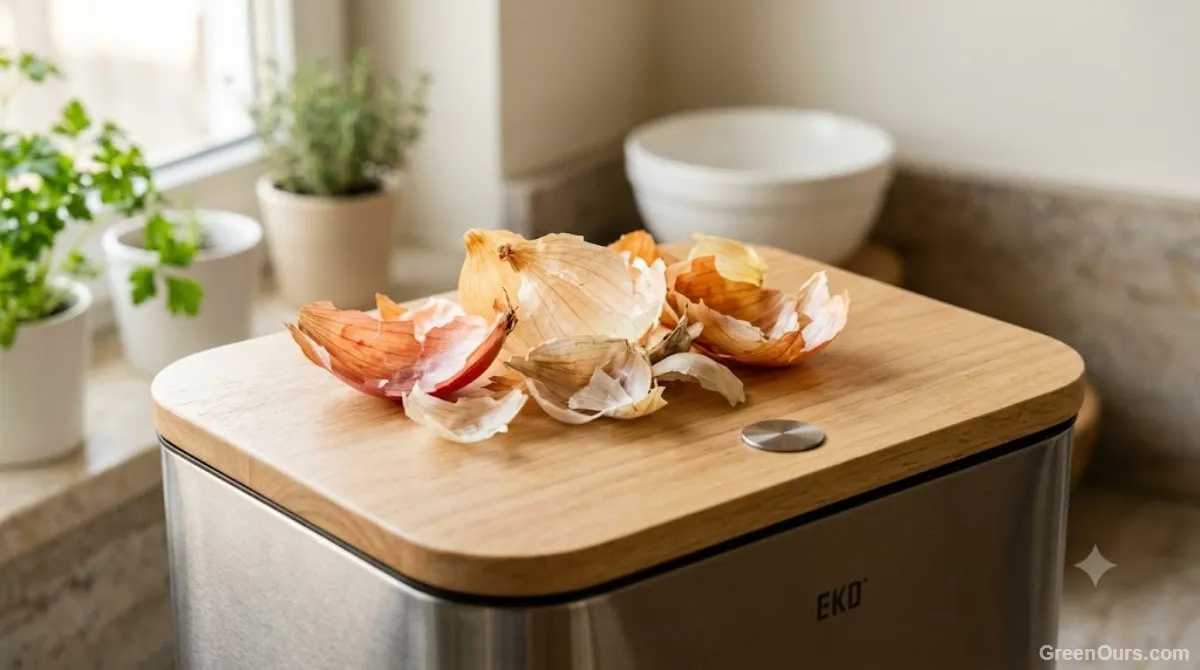
The bucket on your counter isn't a problem to solve — it's proof that composting without a garden actually works. Once you find even one steady place for it to go, the whole cycle starts making sense: scraps in, compost out, something green a little better off because of it.
More ways to make composting work in small spaces:
Apartment Composting for Renters: What Actually Works