
The Plastic Question Nobody Finishes Asking
Most of us stop the plastic conversation at the box. No jug, no scoop, no cap — case closed, right? Except detergent sheets still involve packaging decisions most brands don't put front and center. Some ship in fully compostable paperboard. Others use a thin plastic window on the box so you can see the product, or a plastic outer wrap to keep the sheets from absorbing moisture in transit. It's not the same volume of plastic as a jug, not even close, but "less plastic" and "no plastic" get used interchangeably in marketing far more often than they should.
Before you switch, it's worth actually turning the box over. Look for a clear compostable or recyclable claim tied to a real certification, not just a green color scheme and a picture of a plant.
What's Actually in the Sheet Itself
This is the part that surprised me most, and it's the part most beginner guides skip entirely. The sheet you're holding isn't just concentrated soap pressed flat — it's held together by a water-soluble synthetic polymer, very often listed as polyvinyl alcohol (PVA or PVOH).
PVA is designed to dissolve upon contact with water, but environmental researchers note that complete biodegradation depends heavily on specific wastewater treatment conditions, including specialized bacterial populations, warm water temperatures, and sufficient processing time. While PVA does not behave like traditional rigid plastics, "dissolves in water" is not automatically identical to "disappears harmlessly in all conditions." Reading ingredient labels closely matters just as much here as with any liquid cleaner.
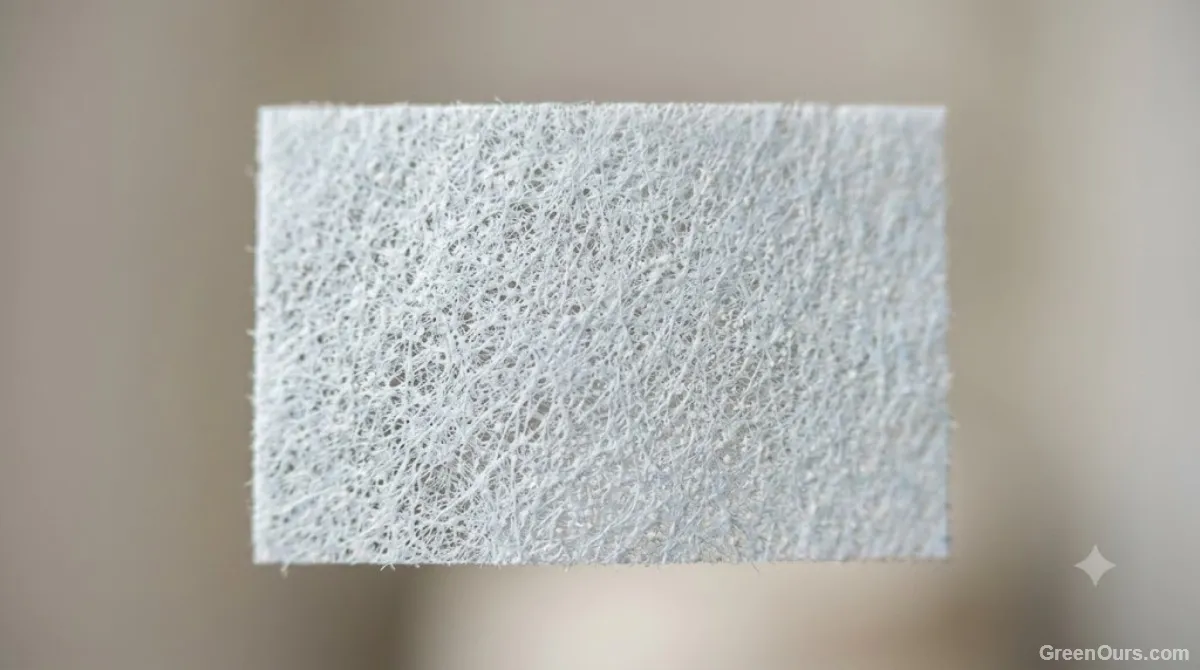
If avoiding synthetic polymers entirely is your priority, check ingredient lists specifically for "PVA" or "polyvinyl alcohol." Some bio-based sheets use alternative binding agents rather than soluble polymers.
Do They Actually Get Your Clothes Clean
Here's the thing — none of the environmental math matters if you're rewashing everything twice. How detergent sheets handle real-world laundry depends largely on wash temperature and machine type.
In warm or hot water, sheets generally perform similarly to standard liquid detergent on routine household soil. In cold water washes—where energy use is lowest—sheets can take longer to dissolve completely, particularly in top-loading machines with slower agitation. If dropped directly on top of a full load, a soggy, undissolved corner can occasionally stick to clothing.
A simple practical adjustment resolves this: tear the sheet into smaller strips and place them at the bottom of the drum before adding clothes so they hit water immediately.
The Shipping Math That Changes Everything
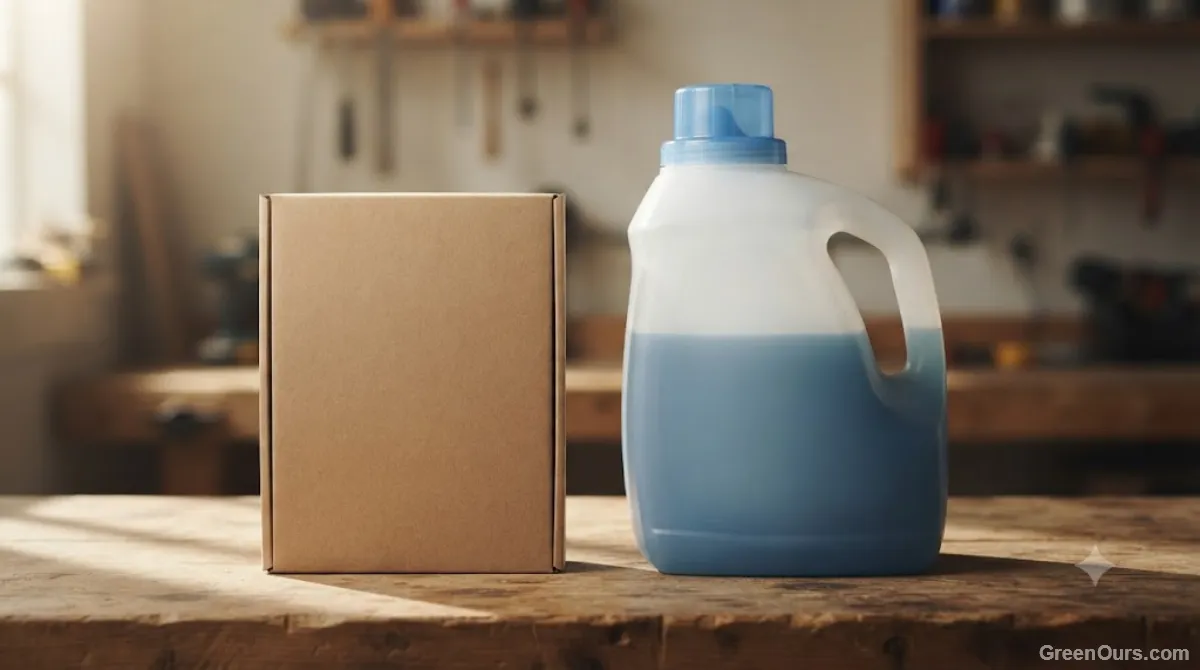
This is one area where detergent sheets can offer a meaningful logistical advantage. Standard liquid detergents often consist of 70% to 80% water by weight. Transporting heavy liquid jugs requires significant fuel to move that added water weight from factories to store shelves.
Detergent sheets remove that added water volume entirely. A paperboard box containing 60 washes weighs a fraction of a liquid jug and occupies far less physical space. Across supply chains, shipping lighter, more compact boxes allows freight trucks to carry significantly more wash cycles per load, reducing transport bulk.
So, Worth Switching To?
If you're still wondering whether laundry detergent sheets are actually better for the environment, there's no single yes-or-no answer. If your main goal is cutting down on heavy plastic jugs in your recycling bin and you don't mind tearing sheets into strips for cold-water loads, they can be a practical improvement. If your primary goal is avoiding synthetic polymers entirely, check ingredient labels specifically for PVA or look for polymer-free alternatives.
And if you already use a concentrated liquid or bulk powder detergent in minimal packaging, there is no urgent reason to switch. Sustainable washing comes down to a combination of what you buy, using cold water when possible, and avoiding unnecessary product purchases.
More ways to make small swaps that actually add up.
I still use detergent sheets for my own laundry — mostly because the lighter shipping footprint makes sense and I appreciate not hauling heavy jugs upstairs. But looking closely at ingredient lists and packaging details is always worth the extra minute.