
The Myth That's Keeping Most People From Starting
Most eco-guilt comes from comparing your Tuesday morning to somebody else's highlight reel. Scroll far enough and you'll find pantries organized into glass jars, capsule wardrobes with a tag for every fabric, families that haven't touched a paper towel in three years. It's inspiring for about four seconds, and then it's exhausting, because none of it looks like anything you could realistically pull off before you leave for work.
The truth is less glamorous and a lot more doable. These easy eco-friendly habits work because small, repeated actions tend to beat big, unsustainable ones, simply because you actually keep doing them. A five-minute habit you repeat every day for a year quietly outperforms a weekend deep-clean of your entire lifestyle that you abandon by February.
You don't need a single dramatic 'sustainable era.' You need a handful of habits small enough that skipping one doesn't feel like failing.
Before Your Coffee Finishes Brewing
Mornings are usually the most rushed part of the day, which makes them a surprisingly good testing ground. If a habit survives your morning, it'll survive pretty much anything.
At the Sink
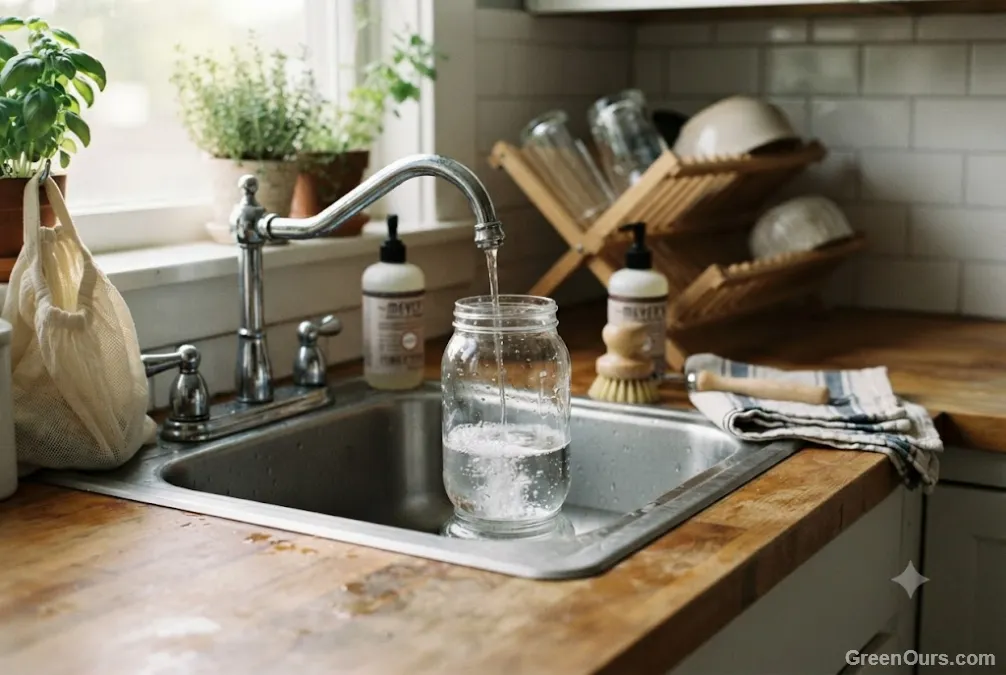
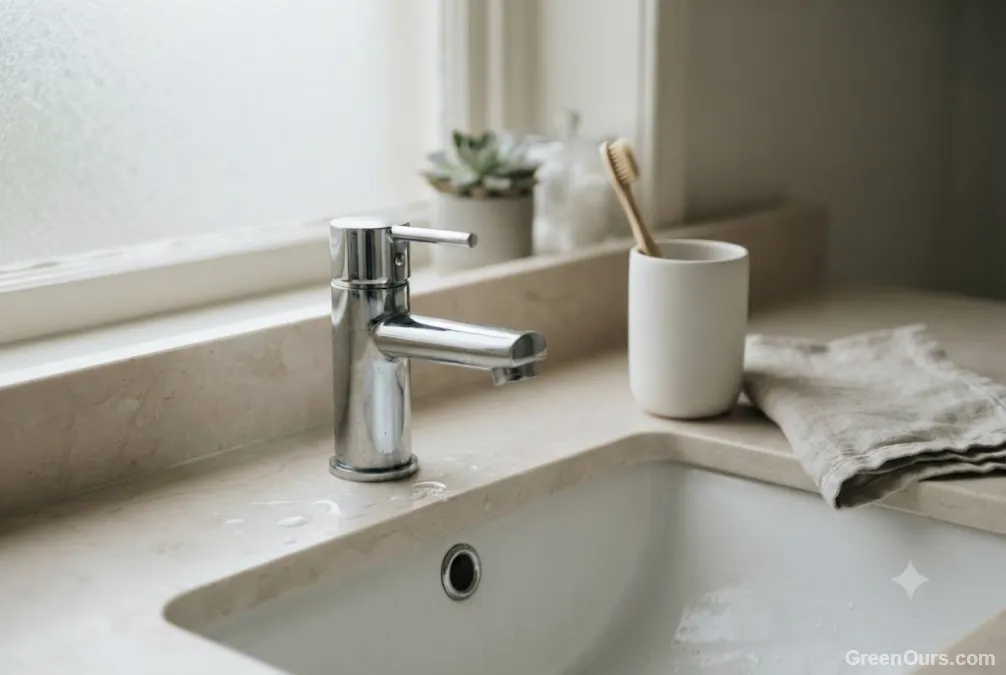
Turn the tap off while you brush your teeth. It sounds almost too small to mention, but a running tap uses several litres a minute, and this one costs you nothing — not money, not time, not willpower. The same logic applies to washing dishes: fill the basin instead of letting the water run the whole time you're scrubbing.
At the Fridge
Before you toss anything, give the shelves a fifteen-second scan for what's about to go off and move it to the front. It's the difference between eating that half a pepper tonight and throwing it out on Sunday. I keep a small container in the door labeled 'eat me first' — nothing fancy, just a visual nudge that saves more food than any elaborate meal-planning system I've ever tried and abandoned.
During a Work Break
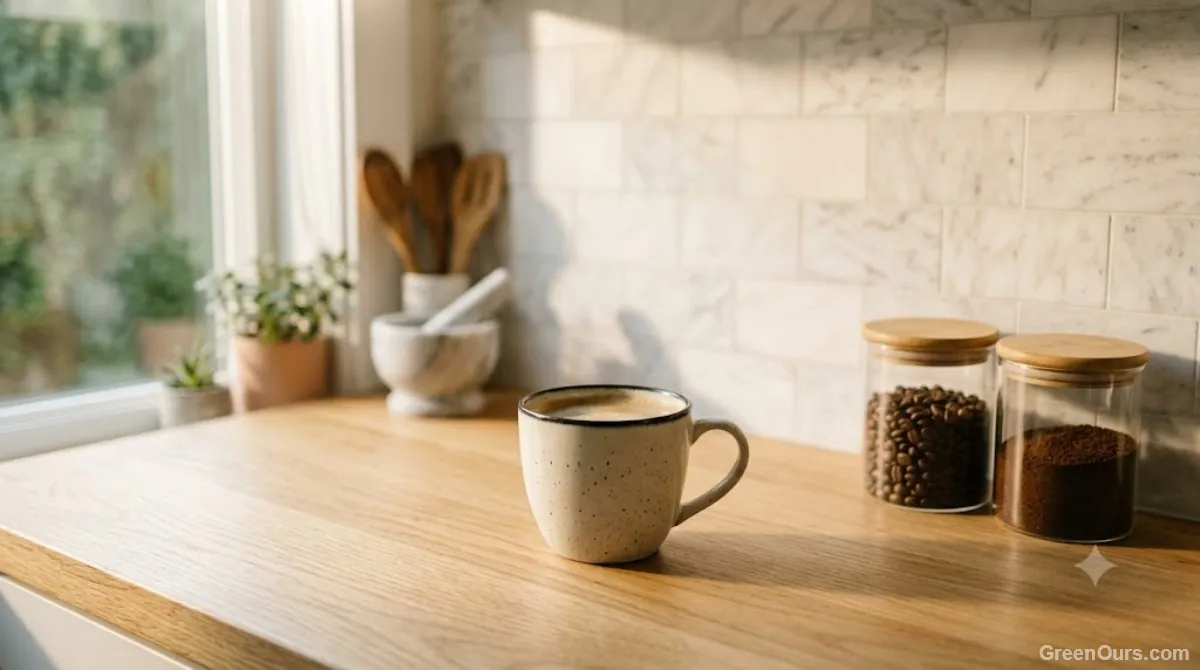
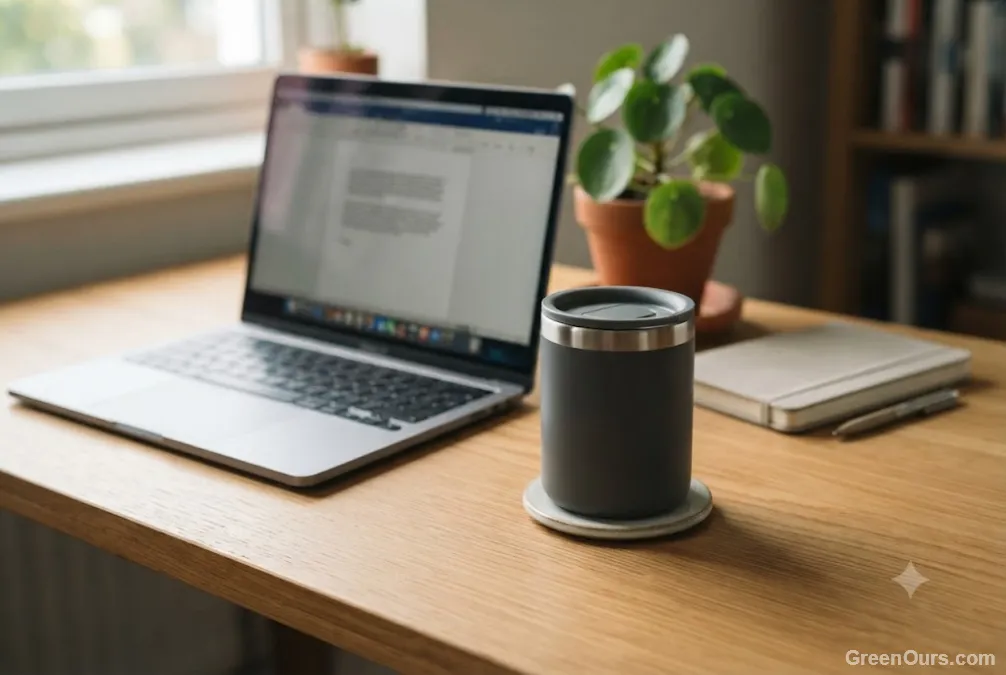
The ten-minute gap between meetings, or the walk to grab lunch, holds more opportunity than people usually give it credit for. Bring a reusable mug to the break room instead of grabbing a paper cup — most offices have one sitting in a cupboard somewhere, half-forgotten. Unplug your laptop charger when you leave for the day instead of leaving it drawing power overnight. Skip the elevator for one flight of stairs; it's not really about the emissions from a single flight, it's about training yourself to default to the lower-impact option without having to think it through every time.
The Two-Minute Version of Smarter Shopping
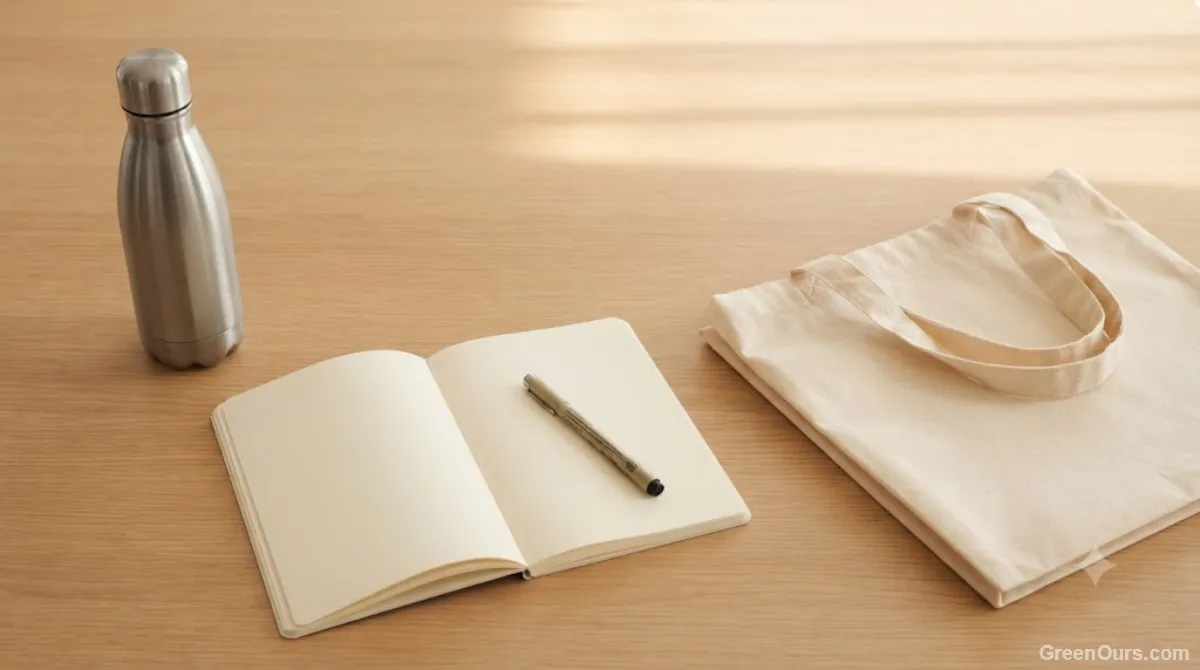
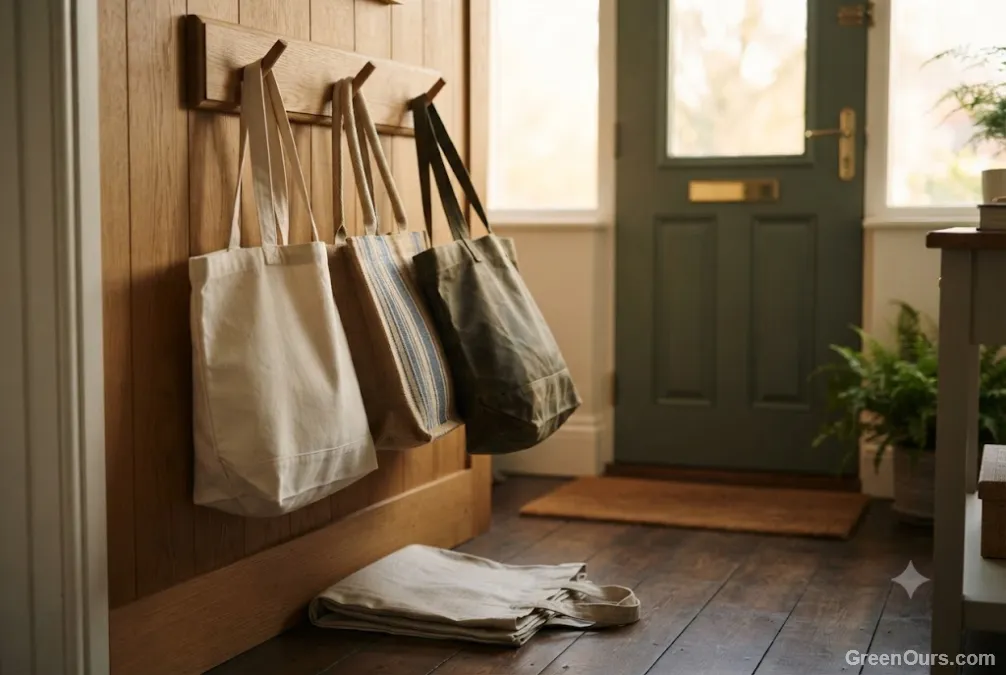
Keep a couple of reusable bags in your car or by the front door, so grabbing one becomes as automatic as grabbing your keys. When you're standing in the aisle, a two-second glance at the label — recyclable packaging, a refillable option, the size you'll actually finish before it expires — beats an hour of researching 'the most sustainable brand' that you'll never get around to switching to anyway.
Why Five Minutes Actually Adds Up
Skeptics have a point when they say one tap-off habit won't save the planet on its own. But habits compound quietly, the same way clutter does, until one day you notice you've become a different kind of shopper, a different kind of cook, without ever scheduling the change. None of these moves asked for a single ounce of extra willpower once they became routine — that's exactly why they stuck when the bigger plans didn't.
If You Only Start One Thing
Pick the habit that asks the least of you personally — not the one that sounds most impressive at a dinner party. If you already stand at the sink twice a day, start there. If you're rarely home but always at your desk, start with the mug. Keep it for a week before you even think about adding a second one.
You don't need a five-year plan to change how you live. You need Tuesday. And on Tuesday, you probably already have five minutes to spare.

One small swap. See how it feels.