
Where Do Spider Mites Come From?
Spider mites are tiny plant-feeding pests that live primarily on plant foliage. They are not a sign that a room is dirty, and they do not need to be generated by the soil or by poor housekeeping. If spider mites show up on an indoor plant, the more useful question is how they reached that plant in the first place.
For houseplant owners, the most practical sources are plants that already have mites, plants that have spent time outdoors, and contact with other infested plants. Environmental conditions can then help a small population grow quickly enough to become noticeable.
How Spider Mites Get Into Your House
If you're trying to figure out how do spider mites get in your house, the short answer is: usually through plants or plant-related routines, not spontaneously indoors. The most useful entry points to understand are new plants, seasonal moves from outdoors, contact between plants, and exposure near outdoor vegetation.
New Plants Are a Common Entry Point
A new houseplant is one of the easiest ways to accidentally introduce spider mites to an indoor collection. Plants in nurseries, garden centers, greenhouses, and stores are often grown or displayed close together. If one plant has an infestation, nearby foliage can provide an opportunity for mites to move to other plants.
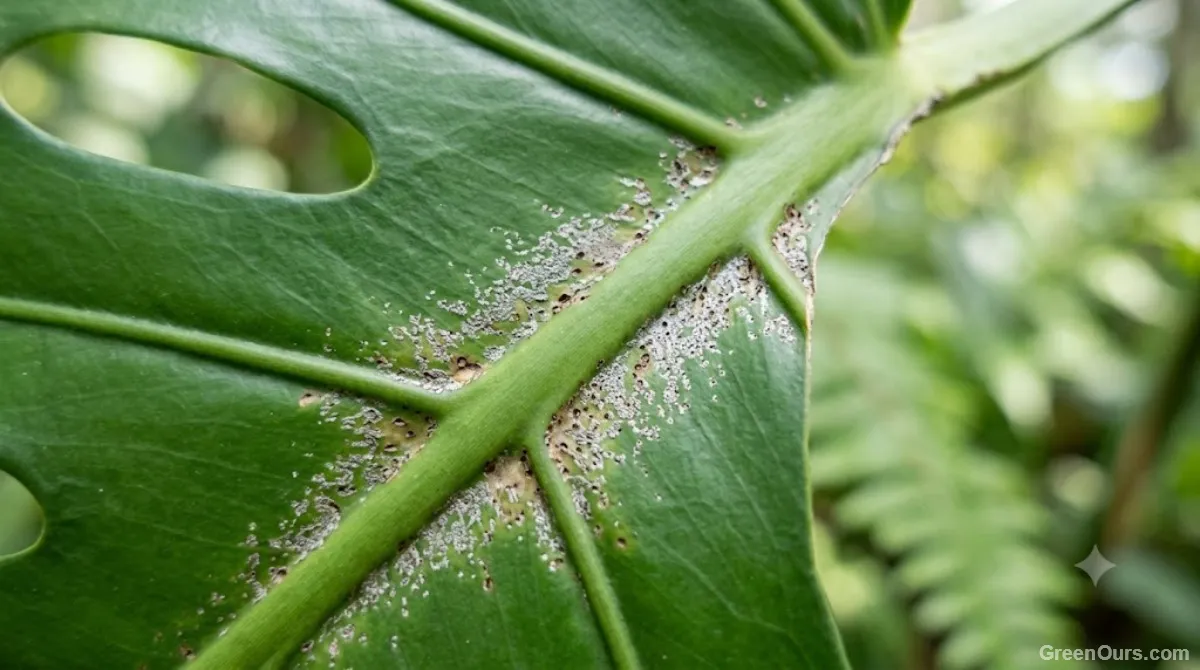
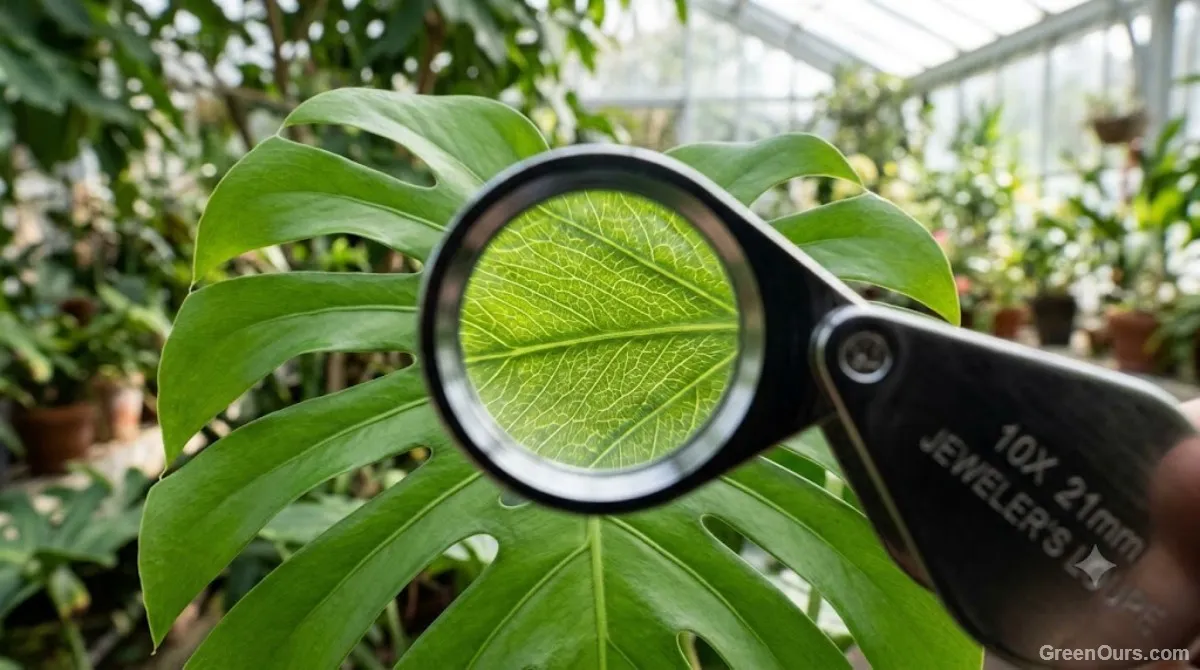
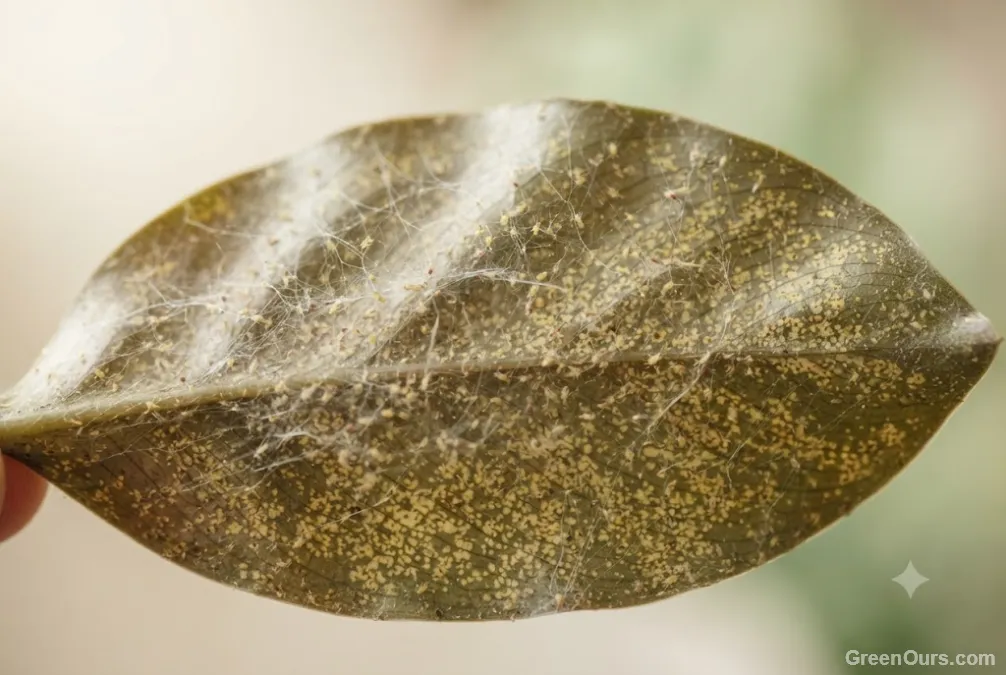
Spider mites are extremely small, so an apparently healthy plant can deserve a closer inspection before it joins your collection. Look for tiny pale or bronze-colored speckles on the leaves and fine webbing around leaf veins, stems, or other protected areas. The undersides of leaves deserve particular attention because that is where spider mites commonly feed.
A clean-looking plant is not necessarily a guarantee that no mites or eggs are present. That's why inspection followed by temporary isolation is more useful than relying on a quick glance at the store.
Seasonal Moves Can Bring Outdoor Mites Inside
Plants that spend part of the year outdoors can return indoors carrying pests that were difficult to notice outside. Spider mites may be present at low levels on outdoor plants without producing obvious damage, especially when weather and natural predators help keep populations in check.
The move indoors changes the environment. A house may be warmer and considerably drier than the outdoor space the plant came from, particularly during the heating season. Under favorable conditions, a population that was previously difficult to notice can become much more visible after the plant comes inside.
This makes the seasonal transition an important inspection point. Before bringing an outdoor plant back into your home, inspect the foliage carefully and rinse the leaves thoroughly if the plant and its care requirements allow it. Pay attention to both sides of the leaves, stems, and dense areas of new growth.
Contact Between Plants Can Spread Mites
Spider mites do not need to travel across an entire room to reach another plant. When houseplants are packed closely together, leaves can touch whenever you water, rotate, prune, or move the pots. An infested plant can therefore create a much greater risk for plants sitting immediately beside it.
Hands and plant-care tools can also come into contact with an infested plant and then another plant during routine care. Cleaning tools between plants and avoiding unnecessary contact with neighboring foliage are simple precautions when one plant is showing suspicious symptoms.
Spacing also makes inspection easier. A collection with enough room between pots gives you a better view of individual leaves and makes it easier to isolate a problem plant before it affects the rest of the group.
Open Windows and Outdoor Exposure
Outdoor exposure is another possible route, particularly when houseplants sit directly beside an open window and there is infested vegetation nearby. Spider mites are tiny and can be difficult to detect, so an indoor plant positioned next to outdoor foliage may have more exposure than a plant located farther inside the room.
This is usually a less direct route than bringing home an infested plant, so there is no need to keep every window closed simply because you own houseplants. Instead, consider the surrounding conditions. If an outdoor plant near an open window has visible pest activity, move your indoor plants away from the immediate area while you address the problem.
Other Entry Routes People Overlook
Some less obvious plant-related items can also deserve a quick inspection when an infestation seems difficult to explain:
These routes do not mean every new plant, bouquet, or gardening item carries spider mites. The practical takeaway is simply that anything that has had close contact with plants can be worth checking when you are trying to understand where an infestation came from.
- Cut flowers or foliage brought indoors from a garden
- Living herb plants purchased from a grocery store
- Plants purchased secondhand or moved from another collection
- Outdoor containers or plant-care items kept near infested plants
Why Spider Mites Become a Problem Indoors
Warm, Dry Conditions
Spider mites can reproduce quickly when conditions are warm and dry. Indoor environments can sometimes provide those conditions, especially near heating vents, sunny windows, or during periods when humidity is low.
Humidity alone is not a reliable treatment for an infestation, but understanding the environment helps explain why a small population may become noticeable after a plant moves indoors.
Stressed Plants
Plants under stress from inconsistent watering, poor light, heat, or other growing problems may be less able to tolerate pest feeding. Stress does not necessarily cause spider mites to appear, but it can make an existing pest problem harder for the plant to withstand.
Why an Infestation Can Seem to Appear Suddenly
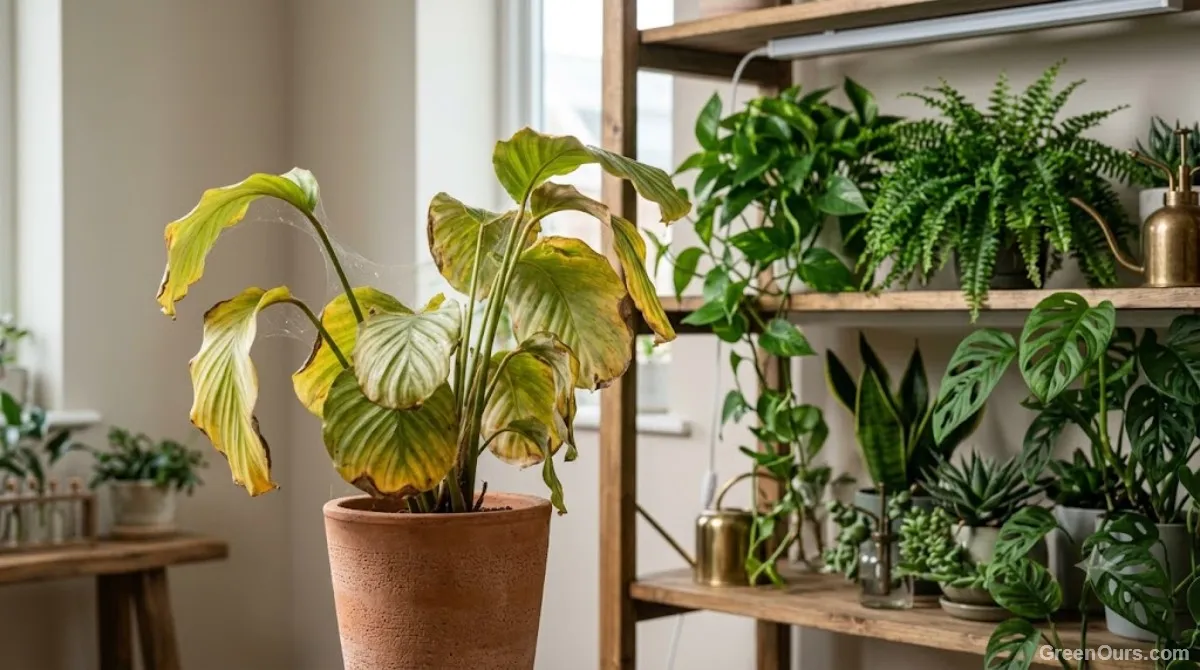
The apparent timing can be misleading. A plant may have had a small pest population for some time before visible webbing or leaf damage becomes obvious. Once feeding and reproduction increase, symptoms can seem to appear almost overnight even though the infestation began earlier.
GreenOurs tip: A sudden increase in visible damage does not necessarily mean the mites arrived that day. The population may have been present before the symptoms became easy to notice.
What to Check Before You Bring a Plant Inside
Inspect the Undersides of Leaves
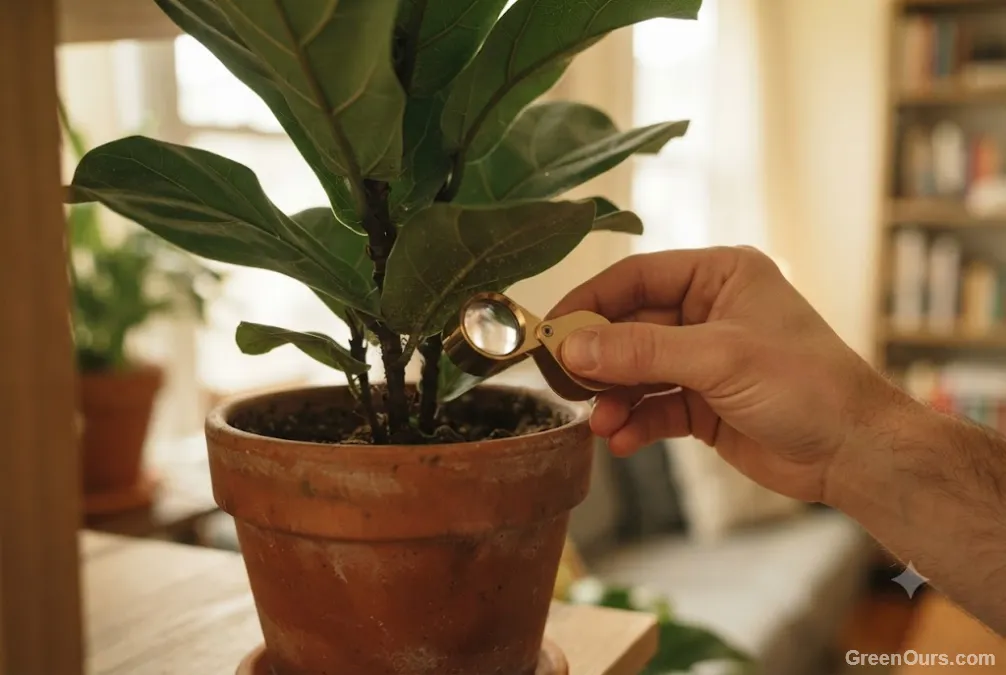
Start with several leaves rather than checking only the most attractive part of the plant. Turn leaves over and look along the veins and protected areas for stippling, fine webbing, or tiny moving specks. A bright window or small flashlight makes subtle signs easier to spot.
Check Stems and New Growth
Inspect stem joints, fresh growth, and crowded foliage as well. These areas can be easy to overlook when a plant is examined quickly, particularly when the leaves are dense.
Isolate New Plants
When practical, keep a newly purchased or returning plant separate from your established collection for a period of observation. Isolation gives you time to notice developing symptoms without immediately exposing every neighboring plant.
What to Do If You Find Spider Mites
If you find signs that are consistent with spider mites, move the affected plant away from your other houseplants while you assess the situation. Inspect nearby plants as well, because the presence of one infested plant means neighboring foliage may also need attention.
This article stays focused on entry points and prevention — identification and treatment deserve a dedicated walkthrough of their own.
How to Prevent Spider Mites From Coming Back
Prevention is mostly about breaking the routes that repeatedly introduce or spread pests. Inspect new plants before they join your collection, keep returning outdoor plants separate while you check them, and avoid crowding plants so problems are easier to spot early.
It also helps to build inspection into ordinary plant care. When you water or rotate a plant, take a moment to look underneath a few leaves. Early detection gives you a much better chance of isolating a problem before it becomes a collection-wide headache.
There is no need to aim for a completely pest-free home. A more realistic goal is to make introductions easier to detect and prevent an isolated problem from becoming a widespread one.
What to Do Next
If you are bringing home a new plant today, start with a simple three-step routine: inspect the leaves, keep the plant separate from your established collection for a short observation period, and check it again before moving it into its permanent spot.
If you have already found spider mites, focus first on confirming the signs and isolating the affected plant, then move on to targeted identification and treatment.
The important thing is not to blame yourself for an infestation. Spider mites can arrive through ordinary plant routines. What matters is knowing the common entry points and making inspection part of how you bring plants into your home.
Read our latest pest control guides.