
What's Really Behind Small Mint Leaves
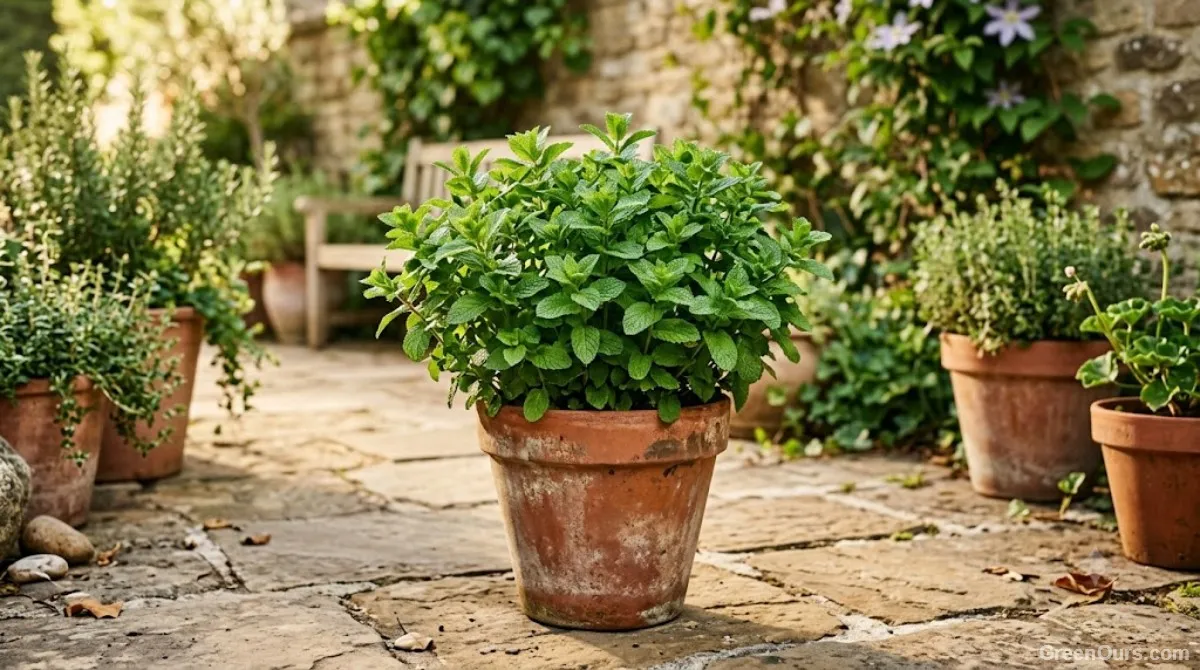
Mint is a vigorous grower by nature, which is exactly why undersized leaves feel so wrong. When a plant that's supposed to spread aggressively instead produces small, thin foliage, something in its environment is usually holding it back rather than the plant itself being weak or diseased.
The most common culprits are overcrowding at the roots, a lack of available nutrients, and watering that swings between too much and too little. Light plays a role too, though it's often overlooked. Most of this applies to mint in containers, where roots and nutrients run out fastest, though mint in the ground can run into the same trouble.
Start with what you can see, then check the matching section below:
| What you see | Likely cause | Where to look |
|---|---|---|
| Small, pale or yellowish leaves | Low nutrients or too little light | Feeding, Light |
| Small leaves and soil that dries out very fast | Crowded roots or uneven watering | Room to breathe, Watering |
| Roots circling the surface or poking out of the drainage holes | Root crowding | Room to breathe |
| Long, stretched stems with few side shoots | Not enough light, or no pinching back | Light, Harvest |
| Small new leaves right after repotting or cutting back | A temporary adjustment | Other reasons |
| Small leaves with damaged foliage or visible insects | Pests or stress | Other reasons |
Give Your Mint Room to Breathe
Mint spreads through underground runners, and in a container, those runners hit the walls of the pot fast. Once the roots are packed in tightly, the plant starts competing with itself for water and nutrients, and leaf size is usually the first thing to shrink.
If your mint has been in its pot a long time and shows signs of crowding, consider dividing or repotting it. Look for roots circling at the surface or poking through the drainage holes, soil that dries out quickly, or growth that has slowed. Turn the plant out of its container, gently tease the root mass apart into two or three sections, and repot each piece in fresh potting mix. A divided, less crowded mint often starts pushing out bigger, healthier leaves within a few weeks.
Feeding Mint the Right Way
Mint isn't a heavy feeder, but it isn't a plant you can ignore entirely either, especially in a pot where nutrients get used up and washed out with every watering. If you've never fed your mint since the day you planted it, nutrient depletion is a likely reason for those small leaves.
Follow the label on a diluted liquid fertilizer, which for potted mint often means feeding every few weeks during the growing season. You can also work a thin layer of compost into the top inch (about 2.5 cm) of soil once a season for a gentler, slow-release boost. Avoid the temptation to overdo it — too much nitrogen can push out weak, floppy growth rather than the dense, flavorful leaves you're after.
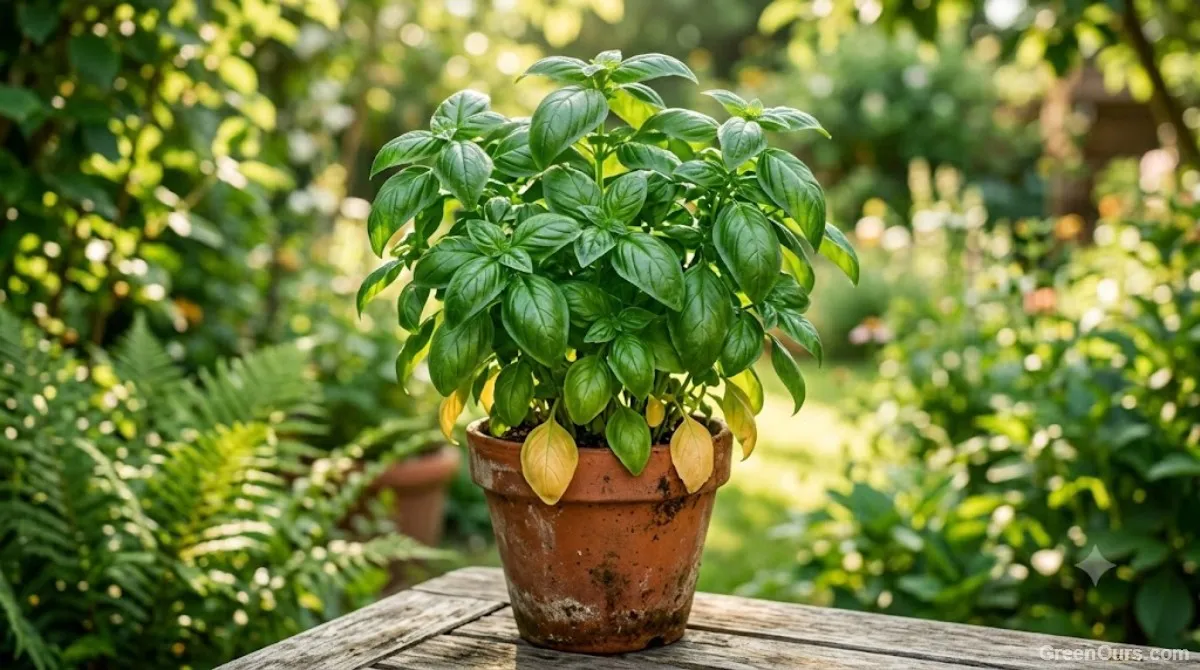
If your mint's leaves are small but also pale or yellowish, nutrition or too little light is likely the bigger factor than watering. Color often points you to the real cause faster than leaf size alone.
Getting Watering Right
Mint likes consistently moist soil, and it really doesn't tolerate the feast-or-famine cycle well. Letting the soil dry out completely between waterings, then flooding it to compensate, stresses the plant in a way that shows up directly in leaf size.
Aim to keep the soil evenly moist, never soggy. Check by pressing a finger an inch (about 2.5 cm) into the soil — if it's dry at that depth, it's time to water. In hot weather, container mint may need water every day or two; in cooler months, that stretches out considerably. A pot with good drainage holes is essential here, since mint hates sitting in waterlogged soil almost as much as it hates drying out.
Light and Location Matter Too
Mint grows well in bright light with several hours of direct sun, although it can tolerate some afternoon shade, especially in hot climates. In deep shade, plants stretch for light and put their energy into thin, elongated stems rather than broad, flavorful leaves.
If your mint is tucked into a dim corner of a balcony, or onto a windowsill that gets little direct light, try relocating it somewhere brighter for a couple of weeks and watch how the new growth changes. You'll often notice larger, more vibrant leaves within a few weeks of better light exposure.
Harvest to Keep Mint Bushy and Leafy
Here's something that surprises a lot of beginner gardeners: regular harvesting encourages branching, which helps keep mint compact, bushy, and leafy instead of leggy. Pinch stems back just above a leaf node, and the plant sends out new side shoots from there.
Bigger individual leaves still depend on enough light, steady water, room for the roots, and adequate nutrition. Harvesting keeps the plant in shape so those conditions can pay off. Try taking a little every week or two, even if you don't need it for anything in particular. It's also the simplest fix for mint that's growing tall and sparse instead of bushy.
Other Reasons Leaves Look Small
Sometimes small leaves aren't a sign of trouble at all. Fresh growth is naturally smaller than mature leaves, and new leaves can look tiny for a few weeks after repotting, dividing, or cutting back. Some mint varieties also simply have smaller leaves than others, so check what yours is supposed to look like.
If none of the causes above fit, look for pests or stress. Check the undersides of leaves and the stem tips for insects, and watch for damaged or distorted foliage. A long stretch of extreme heat can also slow growth and shrink new leaves until the weather settles.
Common Mistakes to Avoid
A few habits tend to work against mint growers without them realizing it. Letting a crowded plant go years without dividing is one. Feeding on a schedule without checking whether the plant actually needs it is another. Watering on autopilot rather than checking the soil is a third, and tucking mint into a shady spot because it's supposed to be an easy plant is a fourth — easy doesn't mean it can skip light entirely.
Small tweaks to any of these areas often show results within a few weeks, since mint responds quickly once its actual needs are being met.
Where to Start
If you only change one thing this week, look at the roots and the light. Slide the plant out of its pot to check for circling roots, and move it somewhere brighter if it's been sulking in the shade.
Give your mint a little more room, a little more food, and steadier water, and you'll likely see the difference in the very next flush of growth. That's the thing about mint — it's forgiving once you understand what it's asking for, and it rewards even small adjustments generously.
Ready to give your mint a fresh start? Check the roots and the light this weekend.